What is the best way to practice drawing?
Short answer
The best way to practice drawing is to combine structured daily exercises with observational study. Focus on understanding fundamental shapes, light, and perspective before attempting complex compositions. Consistency is more critical than intensity; spending thirty minutes sketching from life every day yields faster progress than sporadic, multi-hour sessions once a week.
On this page
How to start drawing for beginners
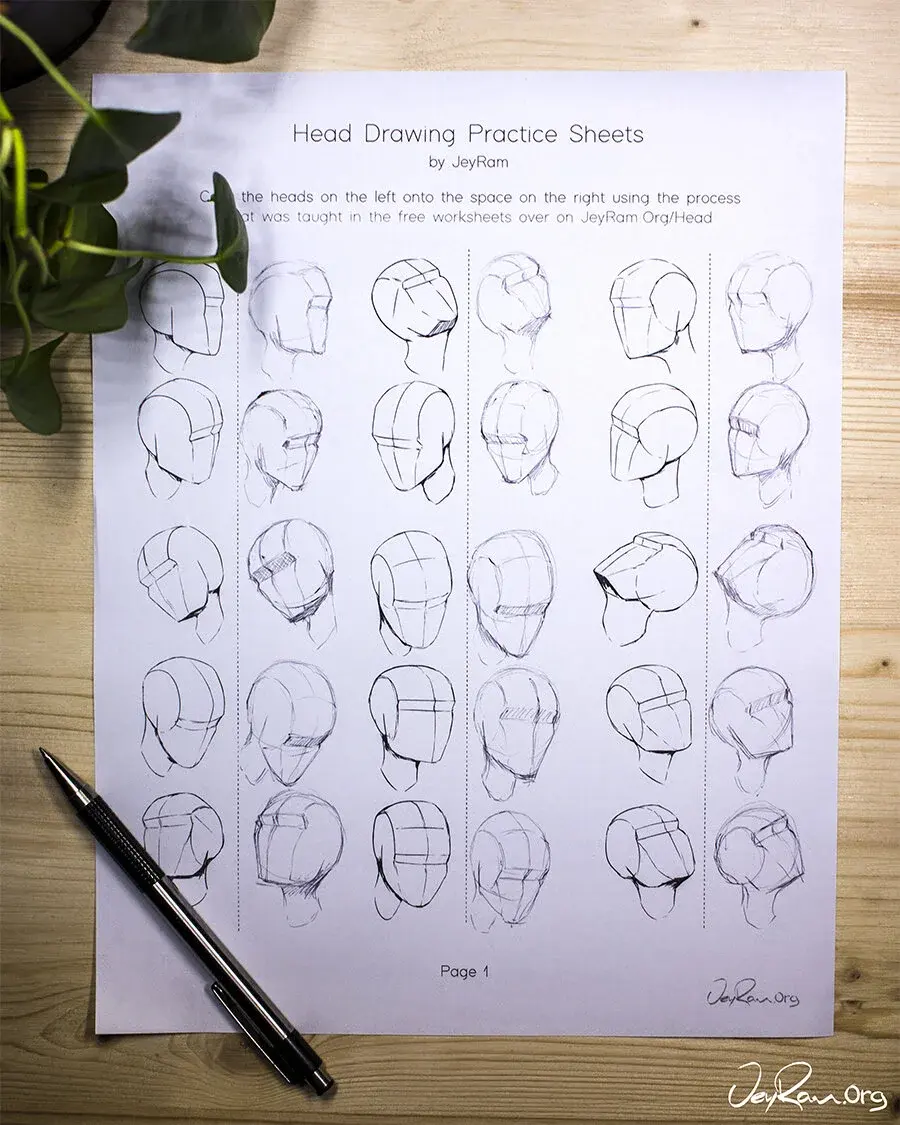
The most effective way to begin is by deconstructing complex subjects into basic geometric shapes. Every object, whether a human face or a piece of furniture, can be broken down into spheres, cubes, cylinders, and cones. By mastering these primitives, you develop the spatial awareness necessary to represent three-dimensional objects on a two-dimensional surface. Start by sketching simple household items, focusing on their proportions rather than intricate details or textures.
When you first pick up a pencil, prioritize loose, fluid movements over rigid, tight lines. Many beginners make the mistake of "chicken scratching," which involves making many short, choppy marks to form a single edge. Instead, practice drawing long, confident lines using your shoulder rather than just your wrist. This technique improves line quality and helps you maintain better control over the overall gesture of your drawing.
- Gather basic materials: a graphite pencil (HB or 2B), a kneaded eraser, and a sketchbook.
- Practice drawing basic geometric shapes from different angles.
- Combine these shapes to form more complex objects.
- Keep your lines light initially so you can easily adjust proportions.
Why drawing from life is essential
Drawing from life, also known as observational drawing, is the cornerstone of artistic development. Unlike working from photographs, which flatten images and distort perspective, drawing from life forces your brain to interpret depth, light, and atmosphere in real time. This process trains your eye to see the world as a series of values and relationships rather than just outlines. Start by placing a single object, such as an apple or a mug, under a strong desk lamp to observe how light interacts with form.
By observing how shadows fall and where highlights appear, you learn to describe volume. This skill is vital because it moves your work beyond simple line drawings into the realm of realistic rendering. If you cannot draw from life, use high-quality photographs, but always aim to understand the underlying structure of the subject. The goal is to translate your three-dimensional perception onto paper, a process that requires constant feedback between your eyes and your hand.
- Set up a consistent light source to create clear, defined shadows.
- Focus on the "negative space" between objects to improve accuracy.
- Spend time observing the subject before making your first mark.
- Rotate your subject to understand its structure from multiple viewpoints.
How long does it take to learn to draw
The timeline for proficiency varies significantly based on the quality of practice rather than just the total hours invested. If you dedicate 30 to 60 minutes of focused, deliberate practice daily, you can expect to see noticeable improvements in your technical control within three to six months. Deliberate practice means engaging in exercises that challenge your current skill level, such as practicing perspective, anatomy, or shading, rather than just doodling comfortable subjects.
Skill acquisition in drawing is not linear; you will likely experience plateaus where progress seems to stall. These periods are normal and often precede a significant breakthrough in your understanding of form or composition. To keep moving forward, document your progress by keeping all your old sketchbooks. Reviewing work from three months ago provides the objective evidence needed to stay motivated during difficult phases. Consistency is the primary driver of growth, so prioritize frequency over the duration of your sessions.
Common mistakes when practicing drawing
One of the most frequent errors is focusing too heavily on detail before establishing the correct proportions and structure. When you rush to add textures or shading to a drawing with incorrect underlying proportions, the final result will appear distorted regardless of how well you render the surface. Always spend the majority of your time on the initial "block-in" phase, ensuring the scale and placement of all elements are accurate before moving toward completion.
Another common pitfall is the fear of making mistakes, which often leads to overly hesitant, light lines. Drawing is an iterative process, and early marks are meant to be guides, not final products. If you are afraid to ruin the paper, you will never develop the confidence required for expressive work. Embrace the eraser as a tool for refinement, not just for fixing errors, and view every "bad" drawing as a necessary step toward mastering a difficult concept.
- Avoid using your fingers to smudge graphite, as this creates muddy, unprofessional shadows.
- Do not ignore the importance of perspective, as it grounds your objects in space.
- Stop comparing your early work to the finished pieces of professional artists.
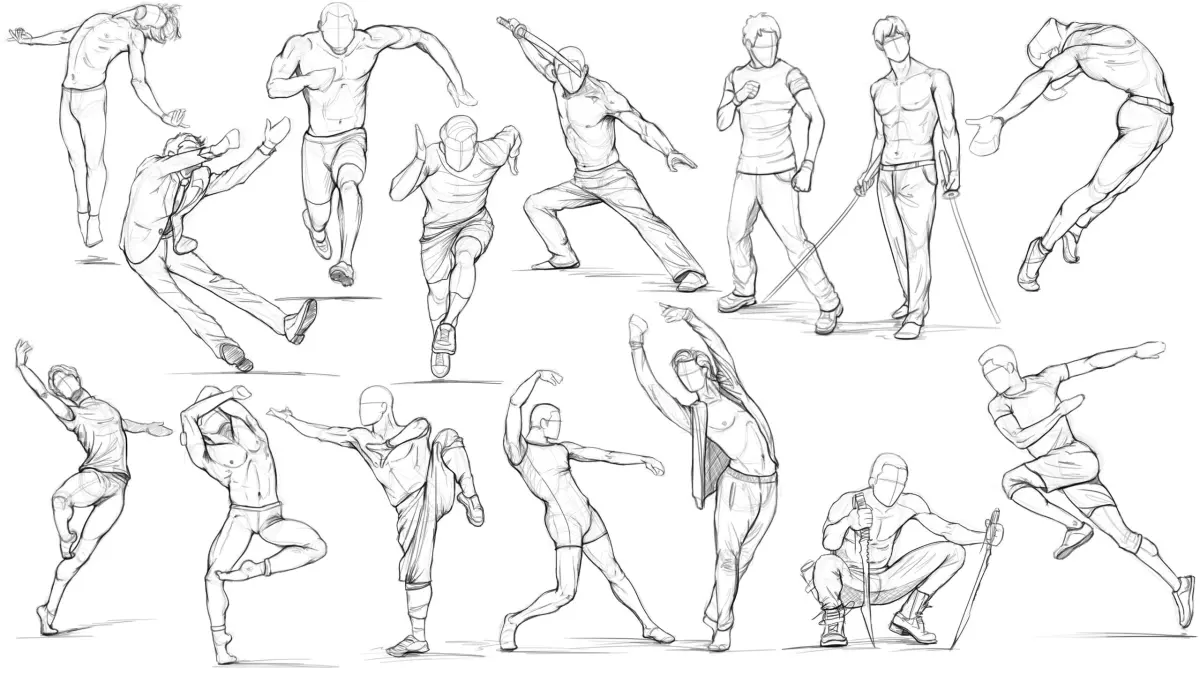
- Avoid drawing only from one angle; challenge yourself with foreshortening and complex poses.
Best habits for consistent artistic growth
Building a sustainable drawing habit requires creating an environment that minimizes friction. Keep your sketchbook and pencils in a designated, easily accessible spot so you can start drawing immediately without needing to set up equipment. If you find it difficult to decide what to draw, establish a theme for the week, such as "hands," "trees," or "architectural details." This removes the mental fatigue of decision-making and allows you to focus entirely on the act of drawing.
Finally, seek out constructive critiques to identify blind spots in your work. It is often difficult to see your own errors, so sharing your drawings with other artists or joining a local life-drawing group can provide invaluable perspectives. Be open to feedback and focus on the technical aspects of the critique rather than taking it personally. By combining disciplined daily practice with a willingness to learn from others, you will steadily build the skills needed to express your creative vision with technical precision and confidence.
Key facts
- Practice for at least 15 to 30 minutes daily to build muscle memory and consistency.
- Use the "sight-size" method to accurately capture the proportions of objects by matching your drawing scale to the subject.
- Focus on drawing basic geometric shapes like spheres, cubes, and cylinders to simplify complex forms.
- Keep a dedicated sketchbook to track your progress and revisit old drawings to identify improvements.
- Prioritize observational drawing from real life over copying photographs to better understand depth and light.
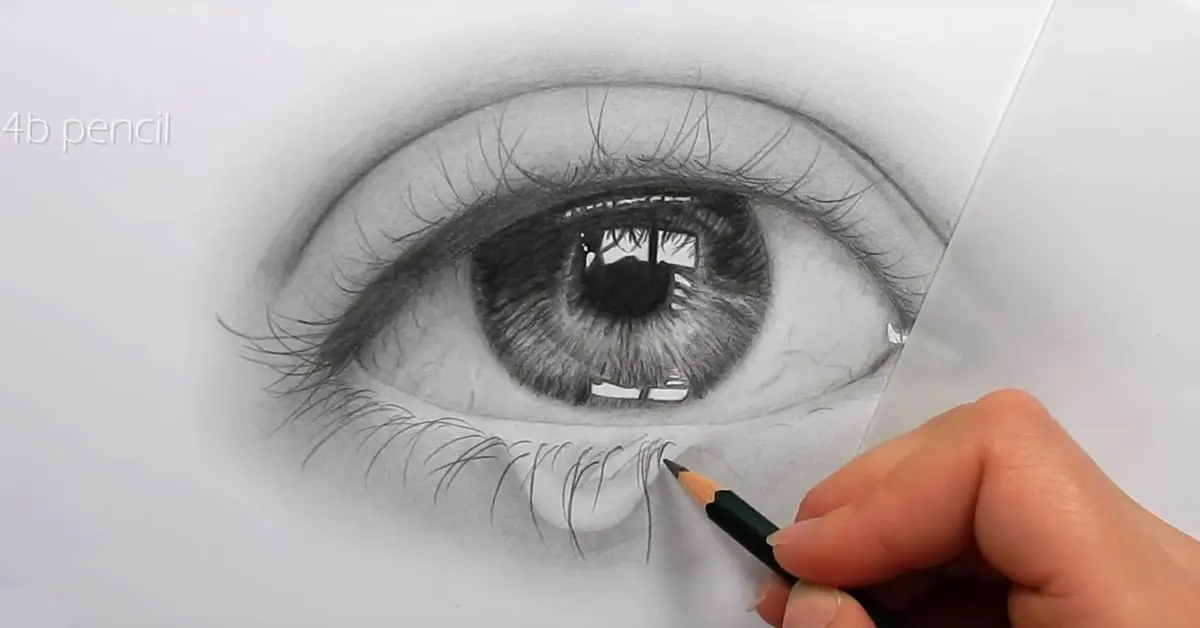
- Use a variety of pencils, such as 2H for light sketches and 4B for dark shading, to expand your tonal range.
The bottom line
The most effective way to improve your drawing skills is through deliberate, consistent practice focused on observational accuracy. By breaking complex subjects into simple geometric forms and dedicating time to daily sketching, you build the necessary muscle memory and visual perception. Avoid the urge to rush toward finished masterpieces; instead, prioritize understanding light, shadow, and proportion to establish a strong technical foundation for your artistic growth.
People also ask
Should I learn to draw using a pencil or a digital tablet?
Beginners should start with traditional graphite pencils and paper to master fundamental pressure control and texture. Once you understand physical mark-making, transitioning to digital tools becomes significantly easier.
How long does it take to become a skilled artist?
Mastery is a lifelong pursuit, but most students see measurable progress after 100 hours of focused, deliberate practice. Consistent daily effort is more effective than occasional long sessions.
Is it necessary to take formal art classes?
While classes provide structured feedback and professional guidance, they are not strictly required. Many artists reach high levels of proficiency through self-study, books, and online tutorials.
Why do my drawings look flat?
Drawings often lack depth because of insufficient value contrast or poor understanding of light sources. Focusing on shadows, highlights, and midtones will help create the illusion of three-dimensional form.
Read the full answer →How do I overcome the fear of making mistakes?
Accept that every artist creates "bad" drawings as part of the learning process. View mistakes as essential data points that reveal exactly which skills require more attention.
Should I focus on drawing people or landscapes first?
Start with still-life objects because they remain stationary and have predictable shapes. Once you are comfortable with perspective and shading, you can move on to more complex subjects like anatomy.
This answer was created with the help of AI research tools and reference sources. Spotted an error? Let us know — we correct mistakes quickly. See our editorial policy.