How long should you practice drawing each day?
Short answer
Consistency matters more than duration. Aim for 30 to 60 minutes of focused practice daily to build muscle memory and observational skills without risking burnout. While professionals may draw for several hours, beginners should prioritize quality over quantity. Short, frequent sessions are significantly more effective for long-term improvement than infrequent, marathon sessions.
On this page
How long should you practice drawing daily?
Most art instructors recommend a daily practice window of 30 to 60 minutes for those building foundational skills. This timeframe is long enough to enter a "flow state" where you can focus on specific techniques like shading or perspective, yet short enough to remain sustainable over months or years. If you are a beginner, attempting to draw for three hours straight often leads to physical fatigue and mental frustration, which can discourage you from returning to the sketchbook the next day.
Instead of focusing solely on the clock, aim for a specific goal during your session. For example, dedicate 20 minutes to gesture drawing and 20 minutes to studying anatomy. By breaking your time into smaller, purposeful chunks, you ensure that every minute contributes to your technical growth. Remember that drawing is a physical skill similar to playing an instrument; consistent, shorter sessions allow your brain to process spatial information more efficiently than sporadic, long-duration practice.
Best practice routines for beginners
Establishing a structured routine prevents the "blank page syndrome" that often stops artists before they start. A balanced routine should incorporate both technical exercises and creative exploration to keep your interest high. You can organize your daily practice by following these steps to maximize your efficiency:
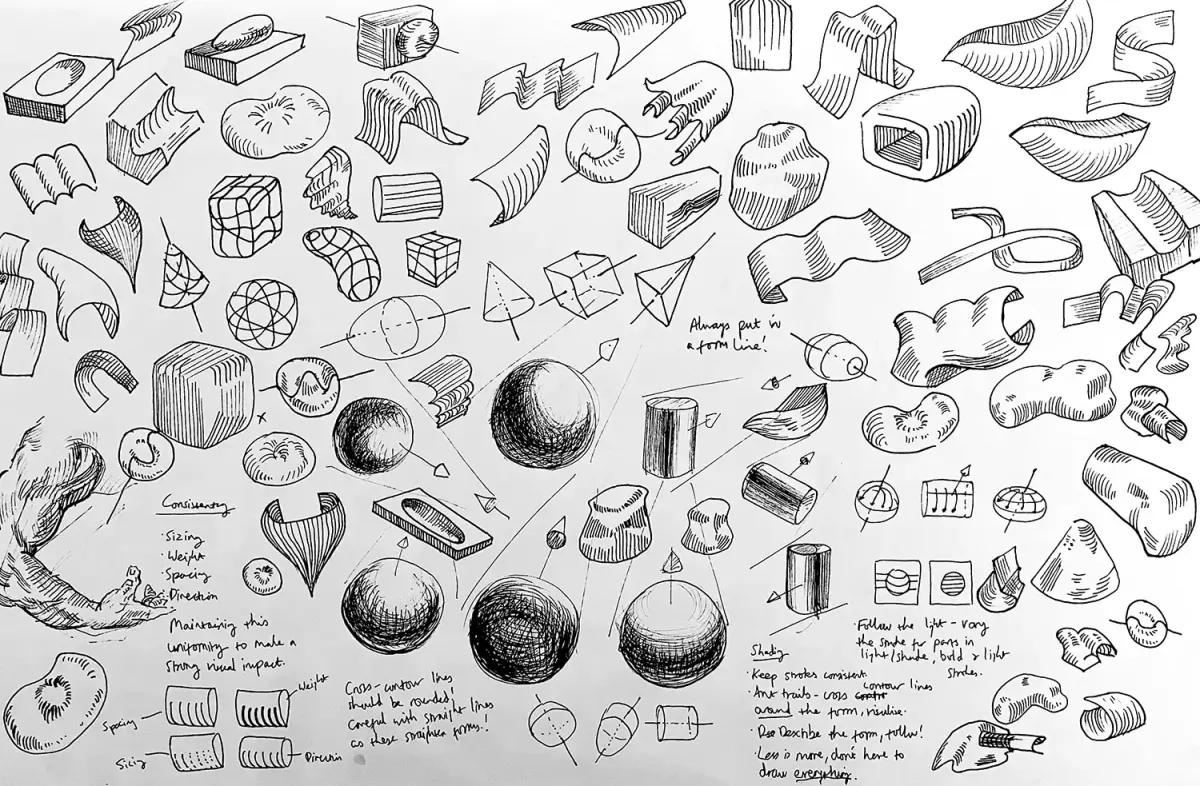
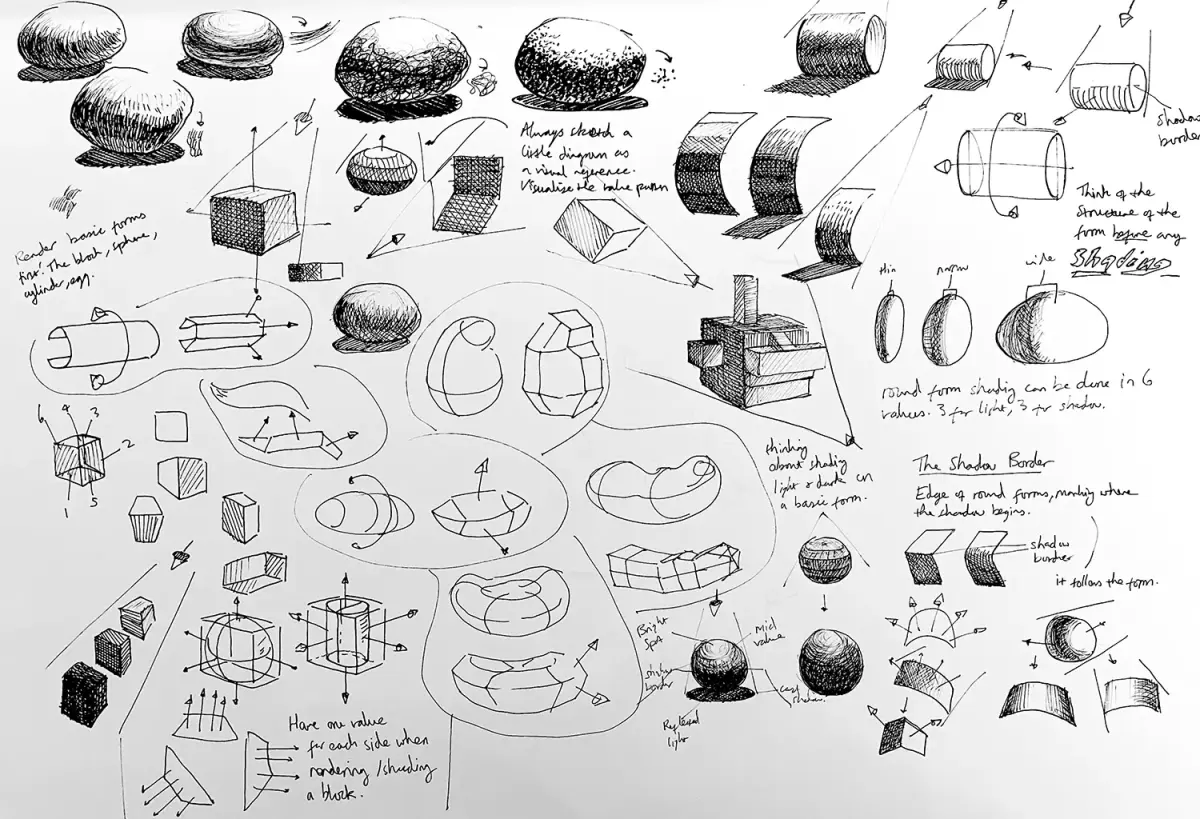
- Warm up for 5 to 10 minutes with loose, non-precious sketches or simple geometric shapes.
- Spend 20 to 30 minutes on a focused study, such as copying a master work or practicing perspective.
- Dedicate the final 10 to 20 minutes to a project you personally enjoy, such as character design or urban sketching.
By separating your "study" time from your "play" time, you avoid the trap of feeling like every drawing must be a finished masterpiece. This structure keeps your skills sharp while ensuring that your passion for art remains intact. Over time, you can adjust these ratios based on your specific goals and current skill level.
Why consistency beats intensity
The primary reason artists plateau is not a lack of innate talent, but a lack of consistent engagement. Neural pathways in the brain strengthen through repetition, meaning that drawing for 30 minutes every day is far more effective than drawing for seven hours once a week. When you practice daily, you maintain a "visual dialogue" with your work, allowing you to notice small mistakes and correct them immediately rather than forgetting your progress between long breaks.
Furthermore, daily practice helps you develop the discipline required for a professional career. It transforms drawing from a chore into a habitual part of your life, similar to brushing your teeth or exercising. When you remove the pressure of needing to produce a "perfect" drawing every time you sit down, you lower the barrier to entry. This psychological shift allows for more experimentation, which is the fastest way to discover your unique artistic voice and style.
Common mistakes when practicing drawing
Many aspiring artists fall into traps that hinder their progress regardless of how much time they spend at the easel. One of the most frequent errors is "mindless copying," where you trace lines without understanding the underlying structure or volume of the subject. Another common mistake is focusing exclusively on detail work, such as eyes or hair, while neglecting the overall composition and proportions of the figure.
To avoid these pitfalls, keep the following tips in mind:
- Avoid using an eraser for the first half of your session to force yourself to commit to your lines.
- Do not compare your early sketches to the polished work of professionals with decades of experience.
- Ensure your workspace is comfortable to prevent physical strain, which can lead to poor posture and bad habits.
- Stop immediately if you feel sharp pain in your wrist or hand, as this indicates a need for a break or a change in technique.
How to track your drawing progress
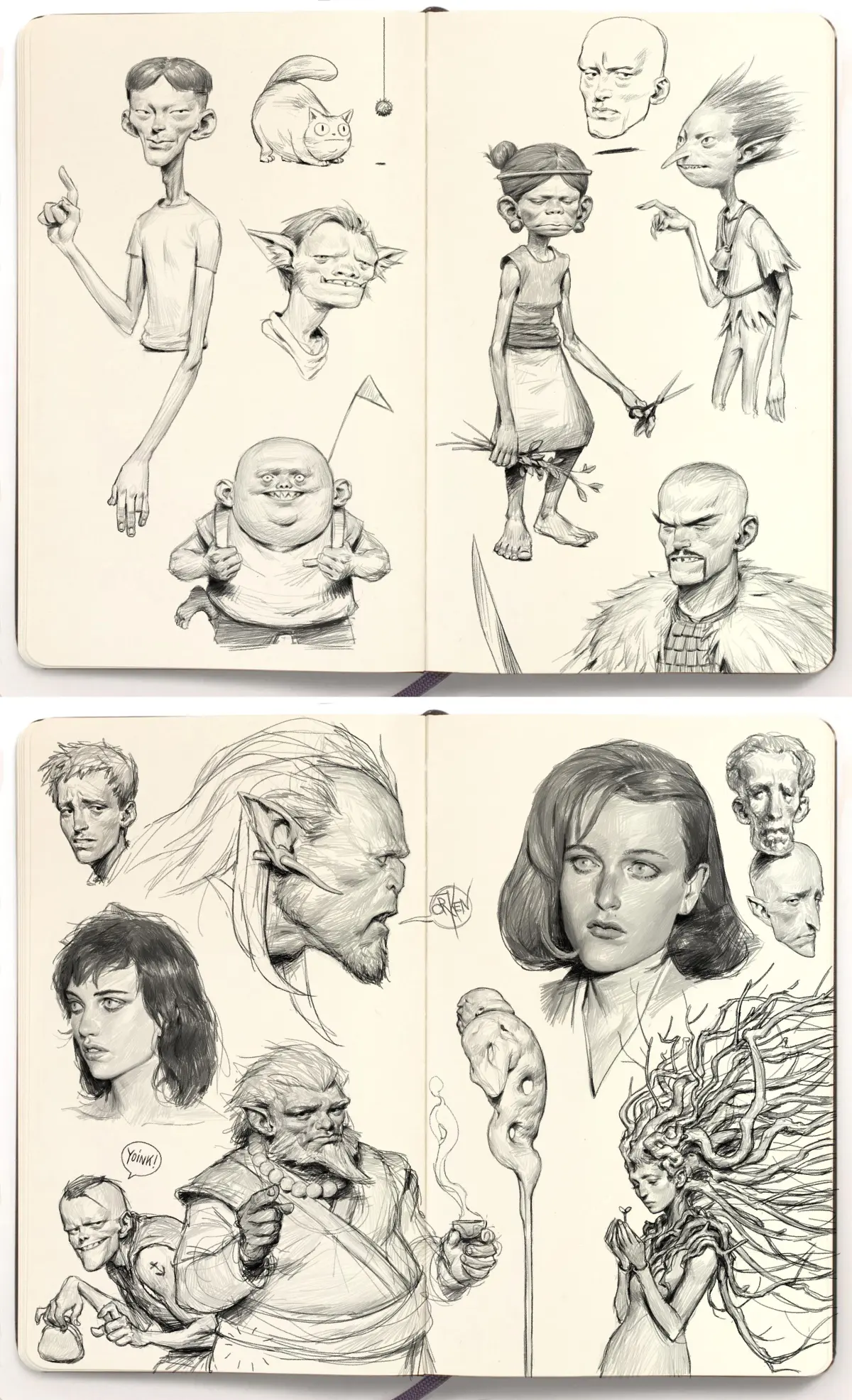
Tracking your growth is essential for maintaining motivation, especially when improvement feels slow. Because progress in drawing is often incremental, you may not notice changes from one day to the next. Keeping a dedicated sketchbook for your daily practice allows you to look back at work from three or six months ago, providing objective proof of your development. You will often find that your line quality and understanding of light have improved significantly, even if you did not feel it at the time.
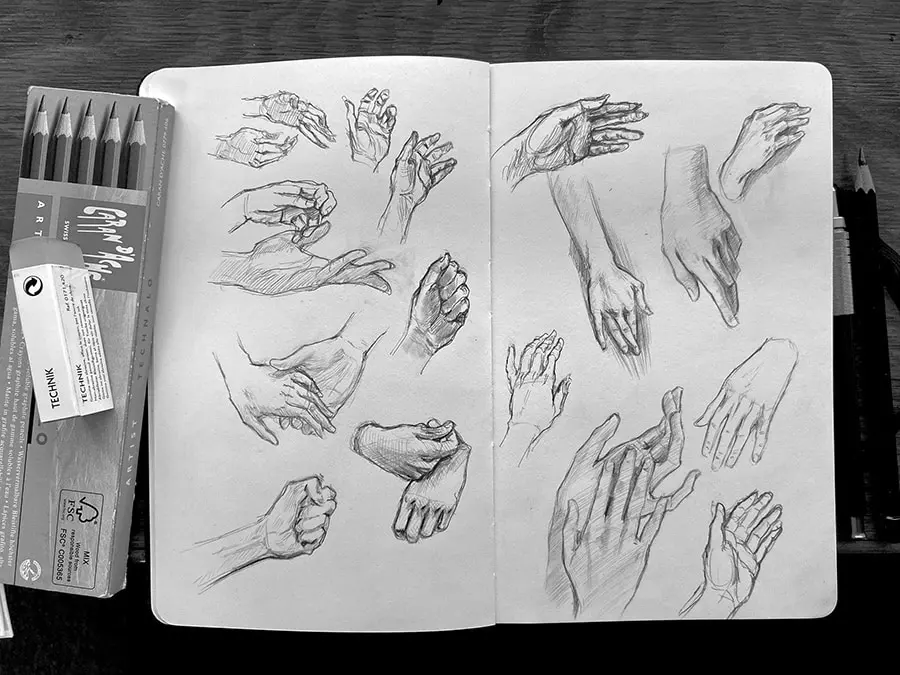
Documenting your journey also helps you identify patterns in your learning. If you notice that you consistently struggle with hands or perspective, you can adjust your daily routine to include more targeted exercises in those areas. Use dates and brief notes on each page to track what you were studying. This reflective practice turns your sketchbook into a valuable resource, ensuring that your daily effort is always moving you toward your long-term artistic goals.
Key facts
- Consistency outweighs intensity; 30 minutes of daily practice is more effective than a single five-hour session once a week.
- Fatigue often sets in after 90 minutes of focused technical drawing, leading to diminishing returns and potential repetitive strain.
- Deliberate practice, where you focus on a specific skill like shading or anatomy, yields faster improvement than aimless doodling.
- The "10,000-hour rule" popularized by Malcolm Gladwell suggests mastery requires long-term commitment, but foundational skills can be built in months.
- Warming up for 5 to 10 minutes with simple shapes or lines prevents muscle stiffness and helps transition into complex work.
- Tracking your progress in a physical sketchbook allows you to objectively review growth and identify recurring technical errors.
The bottom line
The ideal duration for daily drawing is between 30 and 60 minutes of deliberate, focused practice. Prioritize consistency over long, infrequent sessions to build muscle memory and observational skills effectively. By warming up, setting specific goals for each session, and taking regular breaks, you will see measurable improvement in your technique. Remember that steady, daily effort is the most reliable path to achieving artistic mastery.
People also ask
Is it better to draw in the morning or at night?
The best time is when your mind is most alert and free from distractions. Many artists prefer mornings for technical studies, while others find the quiet of the evening better for creative exploration.
Should I focus on one subject or draw many different things?
Beginners benefit from rotating subjects to build a versatile visual library. Spend one week on perspective, the next on human anatomy, and the following on still-life textures to ensure balanced development.
How do I know if I am practicing effectively?
You are practicing effectively if you feel slightly challenged by the task. If a drawing feels too easy, you are likely just repeating old habits rather than learning new techniques.
Can I improve if I only have 15 minutes a day?
Yes, 15 minutes is sufficient for high-quality gesture drawing or observational studies. Focus on capturing the essence of a pose or the basic proportions of an object within that short window.
What is the most common mistake beginners make?
The most frequent error is trying to complete a finished "masterpiece" every time they pick up a pencil. Focus instead on small, repeatable exercises that isolate specific skills rather than final presentation.
Do I need to take breaks during a long drawing session?
Taking a five-minute break every hour is essential to reset your visual perception. Stepping away helps you spot proportion errors that become invisible when you stare at a drawing for too long.
This answer was created with the help of AI research tools and reference sources. Spotted an error? Let us know — we correct mistakes quickly. See our editorial policy.