What is gel medium?
Short answer
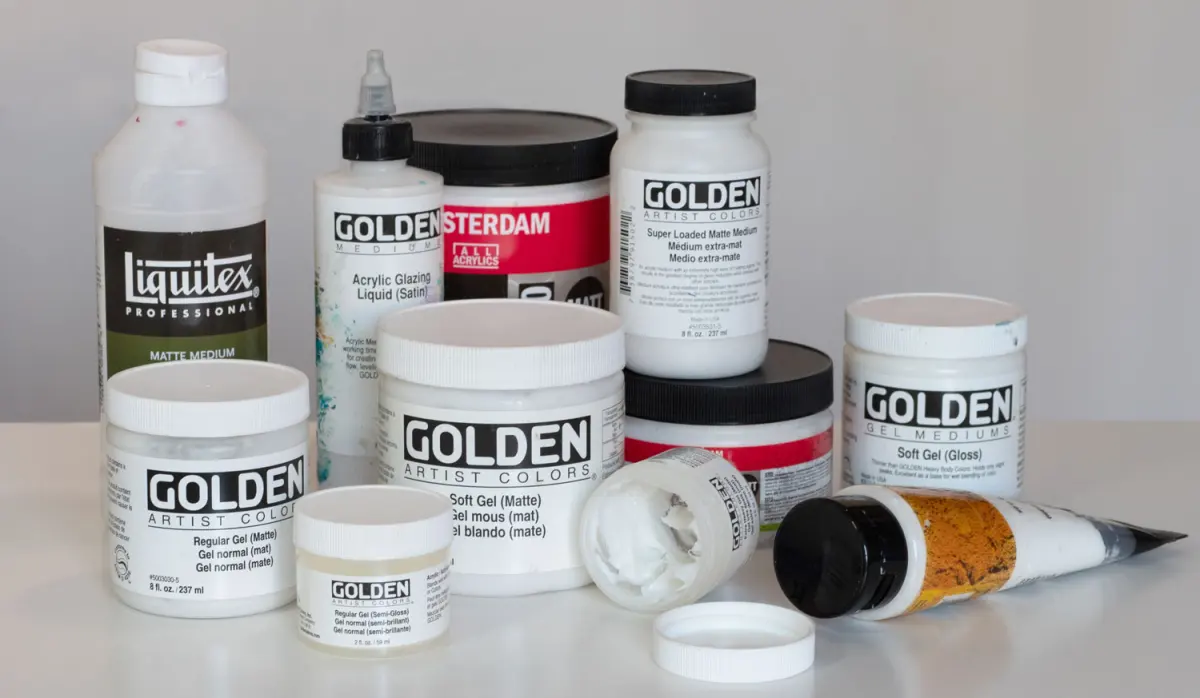
Gel medium is a versatile acrylic binder used by artists to modify the consistency, texture, and finish of acrylic paints. It consists of acrylic polymer emulsion without pigment, allowing it to act as a colorless adhesive, extender, or impasto agent. It increases paint volume, enhances transparency, and improves the structural integrity of artwork.
On this page
What is gel medium made of?
Gel medium is essentially unpigmented acrylic paint. It is composed of acrylic polymer emulsion, which acts as the binder that holds pigment particles together in professional-grade paints. By removing the colorants, manufacturers create a transparent substance that retains the adhesive and film-forming properties of acrylics while offering different physical characteristics. These mediums are water-based, meaning they are easy to clean up with soap and water before they cure, yet they become water-resistant and permanent once fully dried.
The chemical structure of gel medium allows it to be mixed with acrylic colors in any ratio without compromising the paint's stability. Because it is chemically compatible with all acrylic products, it serves as a bridge between various surfaces and painting layers. When dry, the medium forms a flexible, durable plastic film that resists cracking and yellowing over time. This makes it a staple for artists working on canvas, wood, paper, or even mixed-media substrates where long-term archival quality is a priority.
How to use gel medium for texture
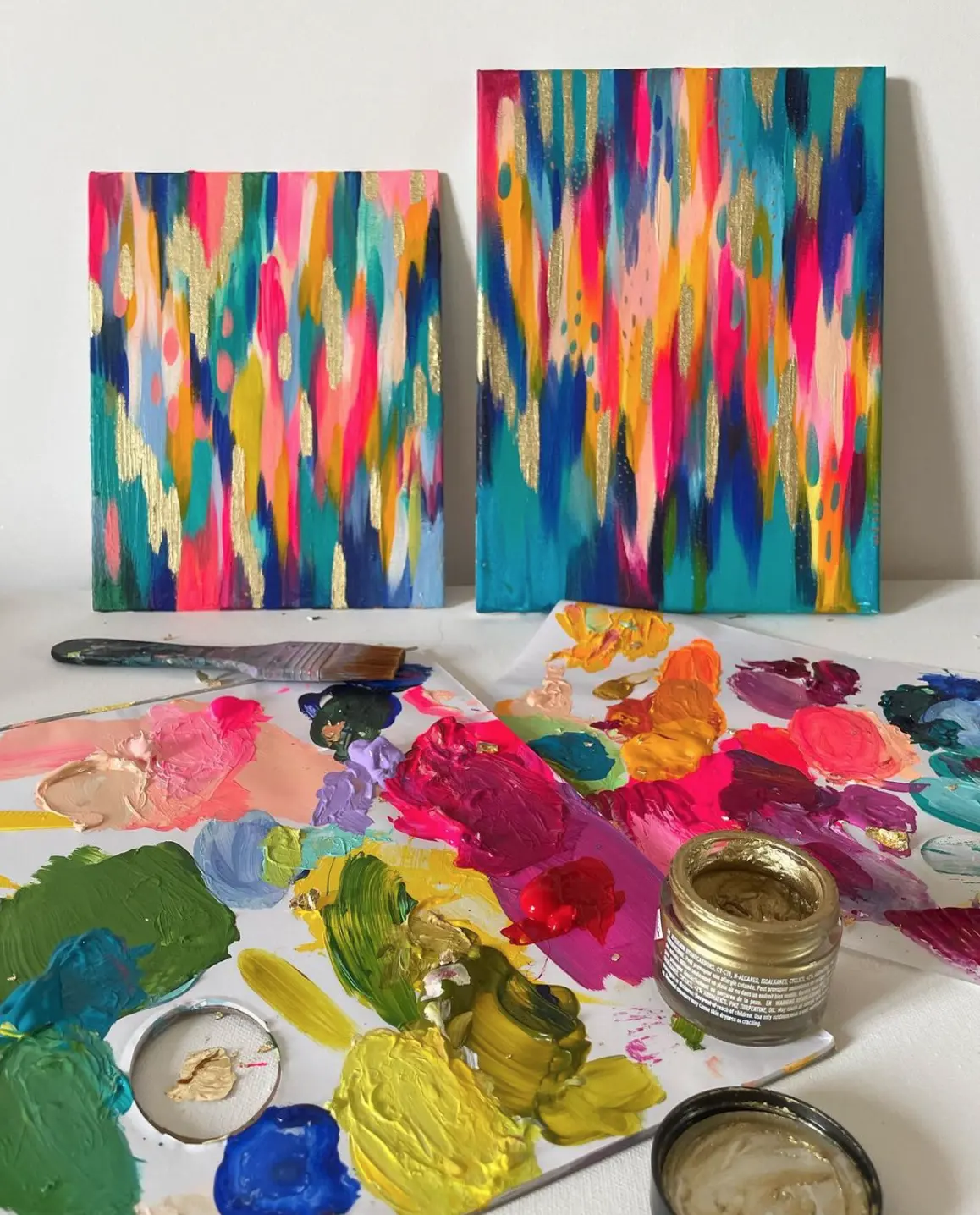
Artists frequently use gel medium to build physical depth, known as impasto, which traditional paint cannot achieve on its own. By mixing the medium with paint, you can create stiff peaks or smooth, buttery surfaces that hold brushstrokes permanently. This technique allows for a sculptural quality in paintings, adding light and shadow through the physical ridges of the dried medium.
To achieve specific textures, follow these steps:
- Scoop the desired amount of gel medium onto your palette using a palette knife.
- Add a small amount of acrylic paint to the medium and mix thoroughly until the color is uniform.
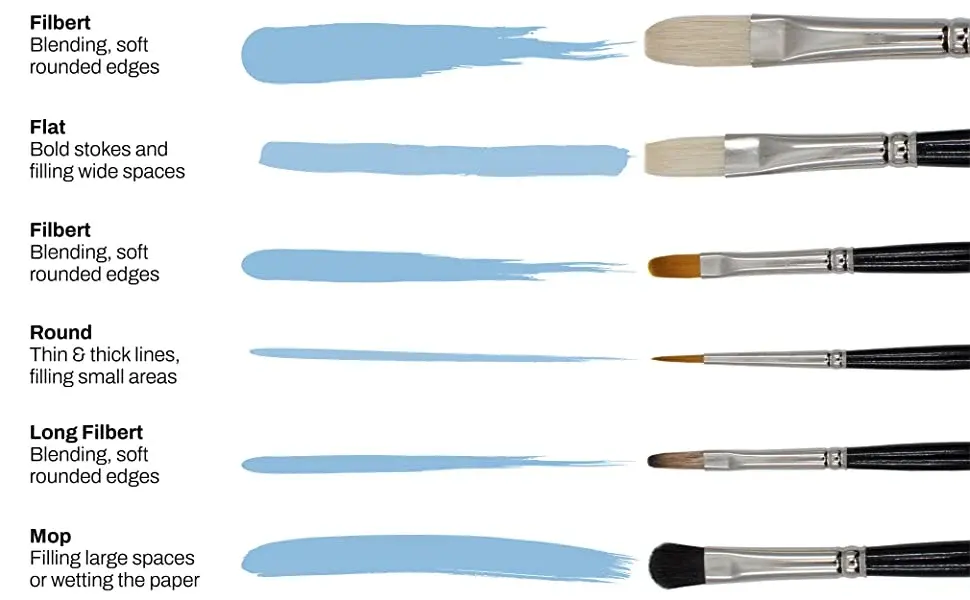
- Apply the mixture to your surface using a palette knife, silicone wedge, or heavy-duty brush.
- Allow the layer to dry completely, which may take 24 to 72 hours depending on the thickness of the application.
If you prefer a lighter, more whipped consistency, look for "light" or "extra heavy" gels, which are formulated with different densities to suit specific sculptural needs.
Which gel medium finish should I choose?
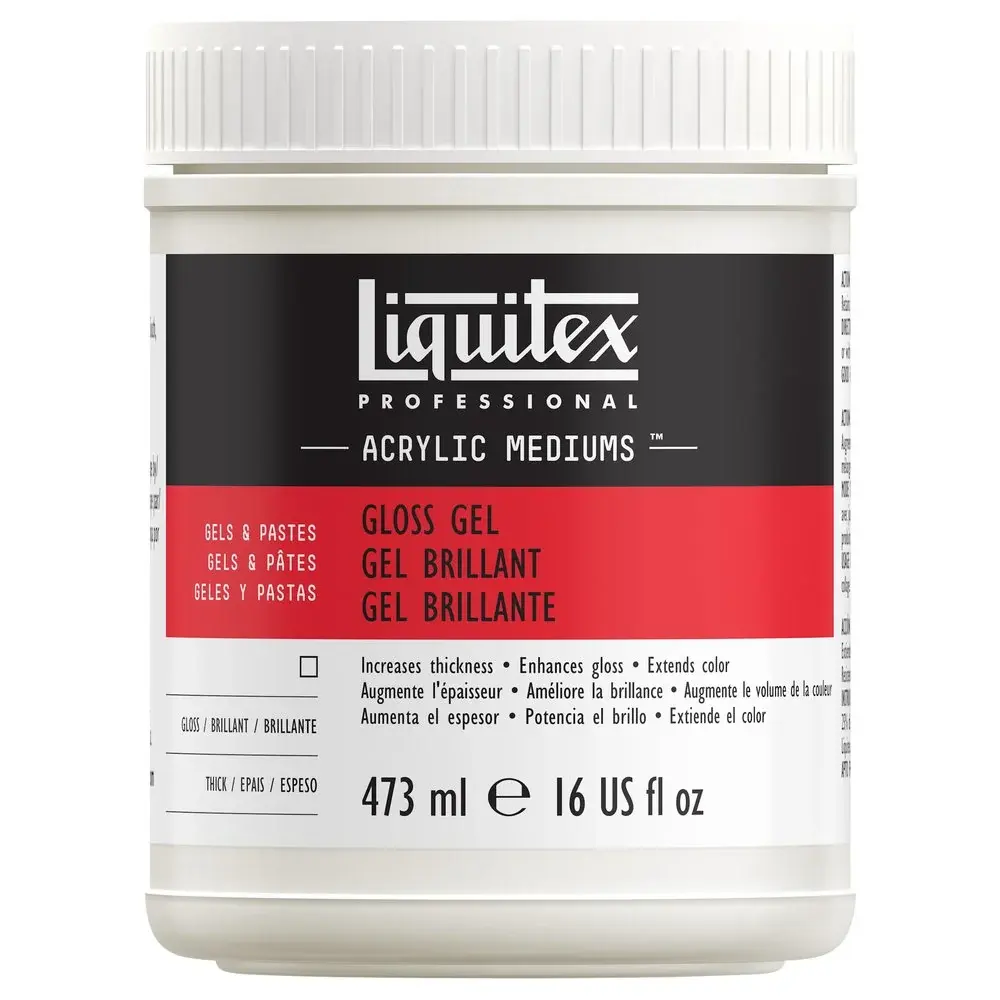
Gel mediums are available in three primary finishes: gloss, matte, and satin. The choice depends entirely on the desired aesthetic of the finished piece. Gloss gel medium increases the reflectivity of the paint, making colors appear more vibrant and saturated, similar to the look of oil paintings. It is ideal for artists who want to create deep, luminous effects or clean, polished surfaces.
Matte gel medium, conversely, contains matting agents that scatter light, resulting in a flat, non-reflective finish. This is preferred by artists who want to avoid glare or who are working in a style that mimics traditional watercolor or gouache. Satin gel medium offers a middle ground, providing a soft sheen that is neither overly shiny nor completely dull. When selecting a finish, consider these factors:
- Gloss gels are best for glazing and layering to create depth.
- Matte gels are excellent for collages where you want to minimize the visibility of adhesive edges.
- Satin gels provide a professional, neutral look suitable for most contemporary gallery work.
Common mistakes when using gel medium
One of the most frequent errors is over-mixing the medium, which can introduce air bubbles into the gel. These bubbles become trapped as the medium dries, creating small, unsightly craters or cloudy spots on the surface of your painting. To avoid this, stir your mixtures gently and allow the gel to rest for a few minutes before application. This simple pause helps air bubbles rise to the surface and dissipate naturally.
Another common mistake is applying a thick layer of gel medium too quickly. While acrylics dry fast, very thick applications of heavy gel can remain wet in the center for a long time. If you apply another layer of paint over a wet center, the surface may wrinkle or peel as the underlying gel continues to shrink during the curing process. Always ensure the base layer is completely dry to the touch before adding subsequent layers. If you are working on a large-scale piece, use a fan to encourage airflow, but avoid direct heat, which can cause the acrylic polymer to crack.
How to store and maintain gel medium
Proper storage is essential to extending the shelf life of your gel medium. Always ensure the lid is tightly sealed after every use to prevent the water in the emulsion from evaporating. If the medium begins to dry out in the jar, it will develop a thick, rubbery skin that is difficult to incorporate into paint. If you notice a thin layer of skin forming, carefully peel it off and discard it before using the remaining product underneath.
Keep your jars in a cool, dry place away from direct sunlight and extreme temperature fluctuations. Freezing temperatures can permanently damage the polymer structure, causing the medium to lose its adhesive properties and become grainy. If you are working in a studio environment, keep your brushes submerged in a water basin while you work to prevent the gel from hardening in the bristles. Once the medium dries on a brush, it is nearly impossible to remove without harsh solvents that can damage the brush's integrity, so prioritize frequent cleaning throughout your painting session.
Key facts
- Gel medium is essentially acrylic paint without the pigment, consisting of acrylic polymer emulsion.
- It is available in various consistencies, ranging from thin, pourable liquids to thick, buttery pastes.
- Artists use it to increase the transparency, body, and drying time of acrylic paints.
- It acts as a powerful adhesive for collage work, securing heavy materials like sand, fabric, or paper to a canvas.
- Finishes range from matte and satin to high-gloss, allowing artists to control the final sheen of their work.
- It is water-soluble when wet but becomes a permanent, water-resistant plastic film once fully dry.
The bottom line
Gel medium is an indispensable tool for acrylic artists, offering versatile control over paint texture, transparency, and adhesion. Whether you are building thick, sculptural impasto layers or gluing mixed-media elements into a collage, this polymer emulsion provides a durable, professional finish. By choosing the correct consistency and sheen, you can significantly expand your creative possibilities while ensuring your artwork remains protected and vibrant for years to come.
People also ask
Can gel medium be used as a varnish?
While some gels are marketed as protective coatings, they are generally not removable like professional varnishes. Using them as a final coat makes it impossible to clean or restore the painting later without damaging the underlying paint layers.
Does gel medium change the color of paint?
Because it is transparent, it does not change the hue of the paint, but it does increase the depth and luminosity of the colors. Adding too much gel to a pigment can make the color appear more transparent or "thinned out."
How long does it take for gel medium to dry?
Drying time depends on the thickness of the application and the humidity of the environment. A thin layer may dry in an hour, while heavy, sculptural applications can take several days to cure completely.
Can I mix gel medium with oil paints?
No, you should never mix acrylic gel medium with oil paints. The two mediums have different chemical compositions and will not bond properly, leading to cracking or peeling of the paint layer over time.
How do I clean brushes used with gel medium?
You must wash brushes immediately with soap and water before the medium dries. Once the acrylic polymer hardens, it is extremely difficult to remove without harsh solvents that may ruin the brush bristles.
Can gel medium be used on surfaces other than canvas?
Yes, it adheres well to porous surfaces like wood, paper, and primed metal. Ensure the surface is clean and free of dust or oils to guarantee a strong, permanent bond.
This answer was created with the help of AI research tools and reference sources. Spotted an error? Let us know — we correct mistakes quickly. See our editorial policy.