What is a croquis?
Short answer
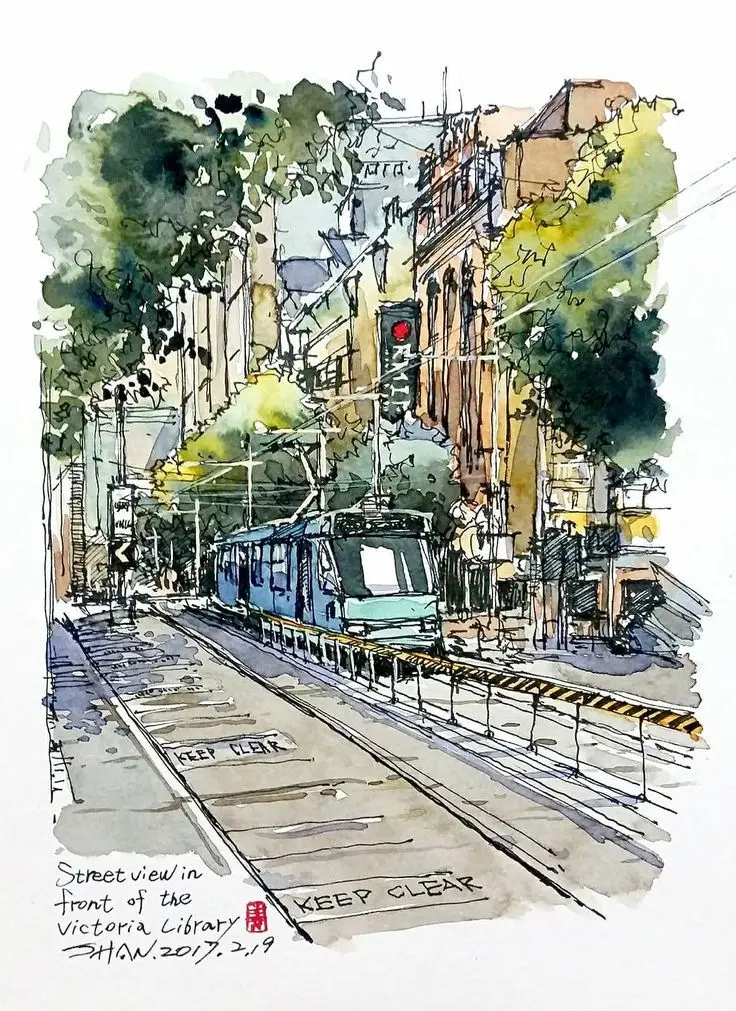
A croquis is a quick, gestural sketch of a human figure, typically drawn in under five minutes. Used primarily in fashion design and life drawing, these sketches prioritize capturing the essential movement, posture, and proportions of a subject rather than intricate detail. It serves as a foundational blueprint for more refined artistic work.
On this page
What is the purpose of a croquis?
The primary goal of a croquis is to capture the "life" or energy of a subject within a very limited timeframe. Artists use these sketches to study human anatomy, explore different poses, and establish the structural framework of a larger composition. By focusing on the flow of the body, the artist bypasses the temptation to become bogged down in minor details like facial features or fabric textures.
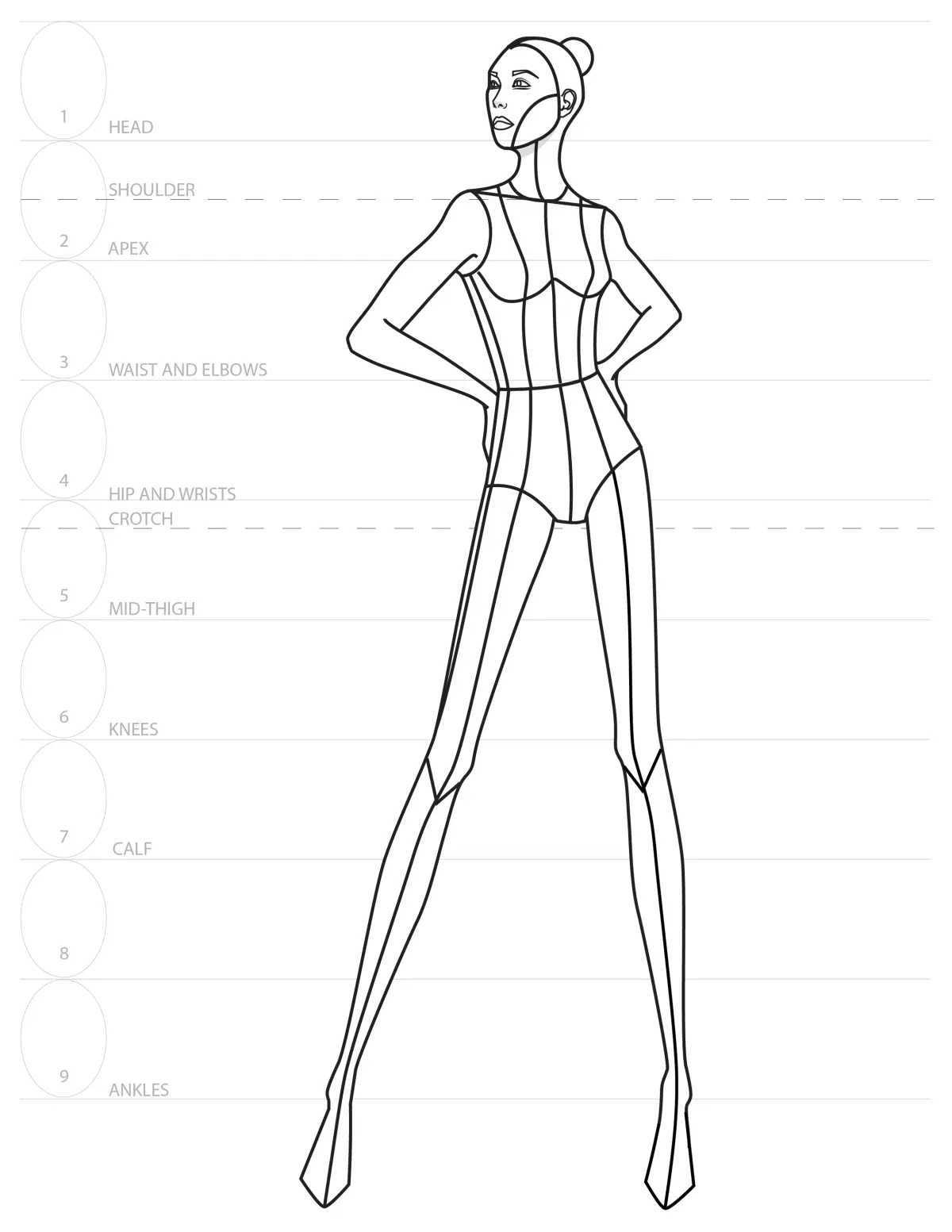
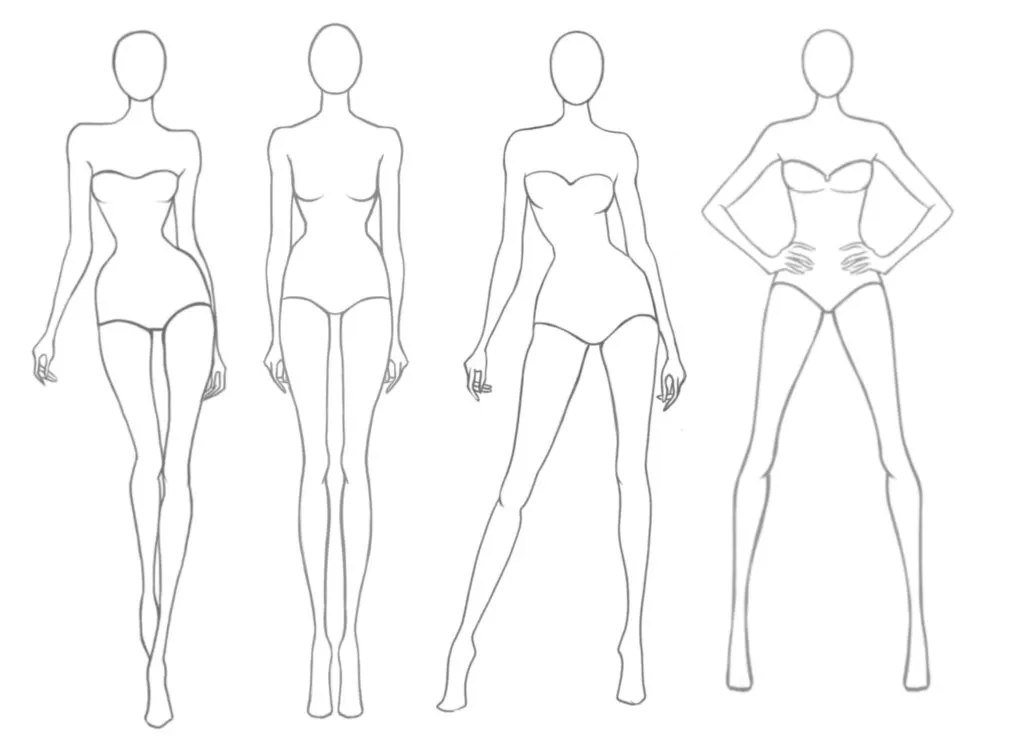
In the fashion industry, the term takes on a specific meaning. A fashion croquis is an elongated, stylized figure template used as a base for illustrating clothing designs. These figures are intentionally proportioned to be taller and thinner than the average human to emphasize the drape and silhouette of garments. Whether used in fine art or fashion, the croquis acts as a vital tool for rapid ideation and structural planning.
How to draw a croquis for beginners
Drawing a successful croquis requires a shift in mindset from perfectionism to observation. Instead of drawing outlines, focus on the "line of action," which is the imaginary curve that runs through the spine and dictates the movement of the body. Keep your pencil moving constantly to maintain a sense of fluidity and spontaneity.
- Start by drawing a light vertical line to establish the balance of the pose.
- Mark the placement of the head, shoulders, and hips using simple shapes like ovals or rectangles.
- Connect these shapes with quick, gestural lines that suggest the limbs and torso.
- Keep your strokes loose and avoid erasing; the goal is to find the form, not to create a polished drawing.
- Spend no more than two to five minutes on each sketch before moving to a new pose.
Best materials for sketching croquis
You do not need expensive supplies to practice gesture drawing. In fact, using simple, inexpensive materials often encourages a more experimental and less precious approach to the work. Charcoal, graphite pencils, and felt-tip pens are the most common tools because they allow for both thick, bold marks and delicate, tapering lines.
- Newsprint or cheap bond paper: These are ideal because they are inexpensive and allow you to fill many pages without worrying about wasting high-quality materials.
- Compressed charcoal sticks: Excellent for creating broad, expressive marks that define the weight and volume of the figure.
- Graphite pencils (2B or 4B): These provide enough softness to vary line weight, which is essential for showing where the body curves or bears weight.
- Smooth-flowing pens: Useful for fashion croquis where clean, consistent lines are needed to represent garment seams and hemlines.
Why artists use timed sessions
Timed sessions are the standard for developing proficiency in croquis drawing. By imposing a strict time limit, artists force their brains to process visual information more efficiently. You learn to identify the most important aspects of a pose—such as the tilt of the shoulders or the distribution of weight—within the first few seconds of observation.
These sessions often follow a "warm-up" structure. You might start with thirty-second sketches to capture only the most basic movement, followed by two-minute sketches that allow for more anatomical accuracy. This progression trains your eye to prioritize essential information over decorative detail. Over time, this practice builds muscle memory, allowing you to draw figures with confidence and speed that would be impossible if you spent hours on a single, static pose.
Common mistakes when drawing croquis
The most frequent error beginners make is focusing on the "contour" or the outer outline of the figure. This often leads to a stiff, "paper doll" appearance that lacks volume and life. Instead, think about the skeleton and the muscles underneath the skin. If your drawing looks flat, try to imagine the body as a series of three-dimensional cylinders or blocks connected at the joints.
Another common pitfall is the fear of making mistakes. When you are working quickly, your lines will often be "incorrect" in terms of strict anatomical precision, but this is perfectly acceptable. Avoid the urge to use an eraser, as this breaks your flow and wastes valuable time. If a line is wrong, simply draw over it with a darker or more confident stroke. Remember that the croquis is a tool for learning and exploration, not a final piece of art intended for display.
Key facts
- A croquis is a quick, rough sketch used by fashion designers to capture the essence of a garment concept.
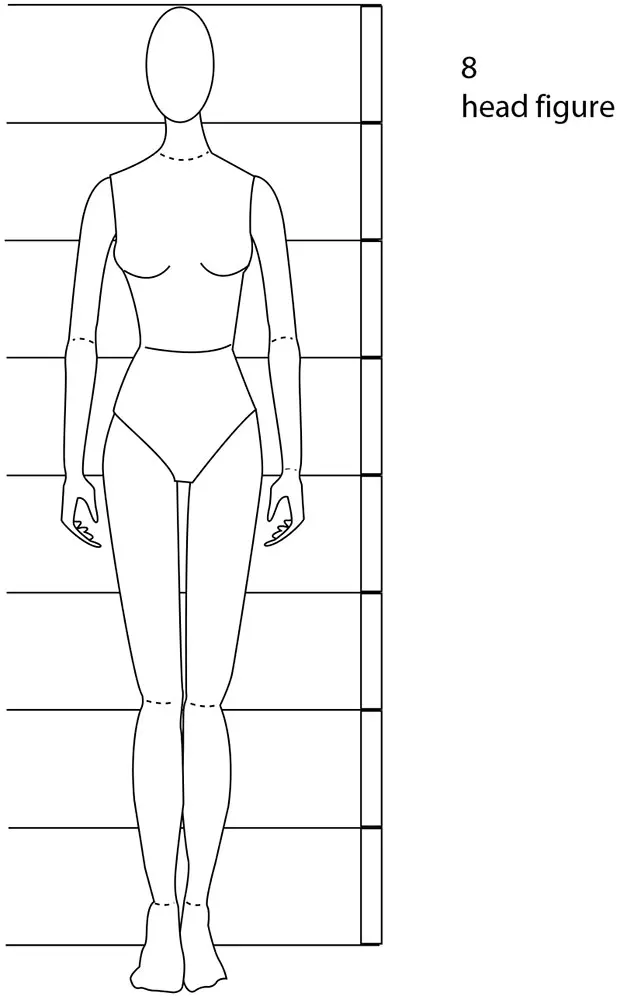
- These figures are intentionally elongated, typically measuring nine heads tall instead of the standard seven to eight.
- The exaggerated proportions allow designers to showcase the drape, flow, and movement of fabric more effectively.
- Croquis drawings are rarely intended as finished pieces of art; they serve as a preliminary blueprint for pattern making.
- Designers often use templates or "fashion figures" to maintain consistent proportions across multiple design variations.
- Professional croquis sketches focus on silhouette and line rather than detailed facial features or realistic shading.
The bottom line
A croquis is an essential, stylized template used by fashion designers to rapidly visualize garment concepts. By utilizing elongated, nine-head-tall proportions, designers can effectively experiment with silhouettes, fabric drape, and design details before committing to a final pattern. Mastering the croquis allows for a faster, more creative design process, serving as the critical bridge between an initial abstract idea and a functional, wearable piece of clothing.
People also ask
How do I start drawing a croquis?
Begin by drawing a vertical line to establish the center of gravity, then mark nine equal segments to represent the head height. Sketch a simple skeletal frame using basic shapes for the torso and pelvis before layering the body silhouette over it.
Is a croquis the same as a fashion illustration?
No, a croquis is a functional tool used during the initial design phase to test garment ideas. Fashion illustration is a more polished, artistic rendering intended to market or present a finished design to a client.
What are common mistakes when drawing a croquis?
A frequent error is making the figure too realistic, which limits the space available to display clothing details. Another mistake is ignoring the center of gravity, which results in a figure that looks stiff or physically impossible.
Do I need to be a skilled artist to use a croquis?
You do not need advanced drawing skills, as many designers use pre-made templates to trace the figure. The focus should remain on the garment's design lines rather than the anatomical accuracy of the model.
Can I use digital tools for croquis?
Yes, many designers use software like Adobe Illustrator or Procreate to create and reuse digital croquis templates. This allows for rapid changes in color, fabric textures, and garment shapes without redrawing the base figure.
Why are croquis figures always so thin?
The extreme elongation is a stylistic convention that emphasizes the length and movement of clothing. By stretching the limbs and torso, designers can better visualize how fabric will hang and fold on a tall, slender frame.
This answer was created with the help of AI research tools and reference sources. Spotted an error? Let us know — we correct mistakes quickly. See our editorial policy.