What can you make from wine corks?
Short answer
Wine corks are versatile, sustainable materials made from the bark of the cork oak tree. Because they are lightweight, water-resistant, and compressible, they are ideal for DIY home decor, garden utility, and organizational tools. You can transform them into functional items like coasters, bulletin boards, bath mats, or decorative craft projects.
On this page
How to make a wine cork bulletin board
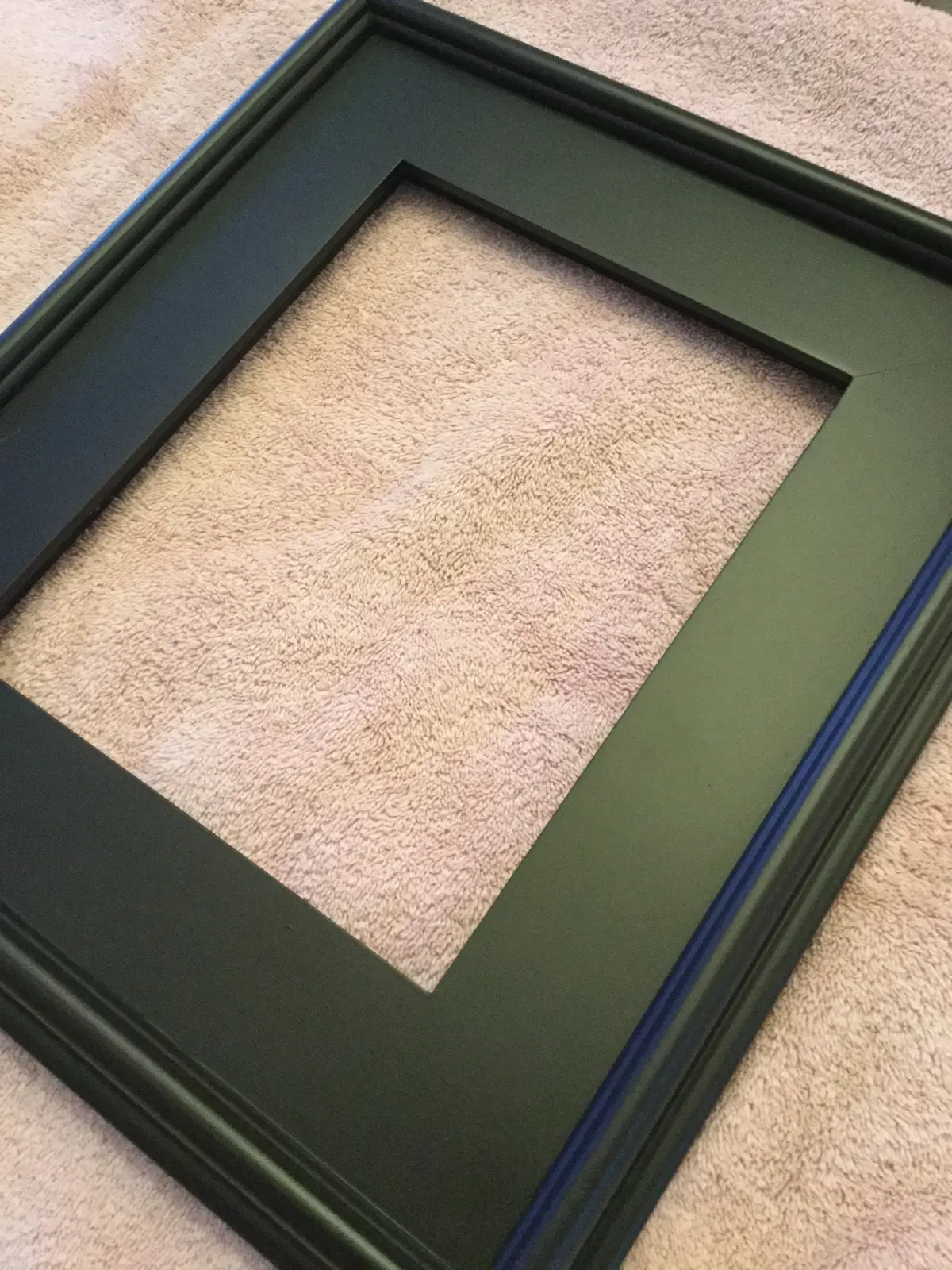
Creating a bulletin board is one of the most popular ways to repurpose wine corks because it requires minimal tools and provides immediate utility. You will need a wooden frame, a collection of corks, a hot glue gun, and a backing material like plywood or heavy cardboard. The process involves arranging the corks in a pattern that fits your frame, such as a vertical stack, a horizontal grid, or a herringbone design, before adhering them firmly to the base.
To ensure professional results, follow these steps:
- Measure the internal dimensions of your frame to determine how many corks you need.
- Clean the corks with mild soap and water to remove wine residue, then allow them to dry completely.
- Apply a small bead of hot glue to the center of each cork and press it firmly against the backing.
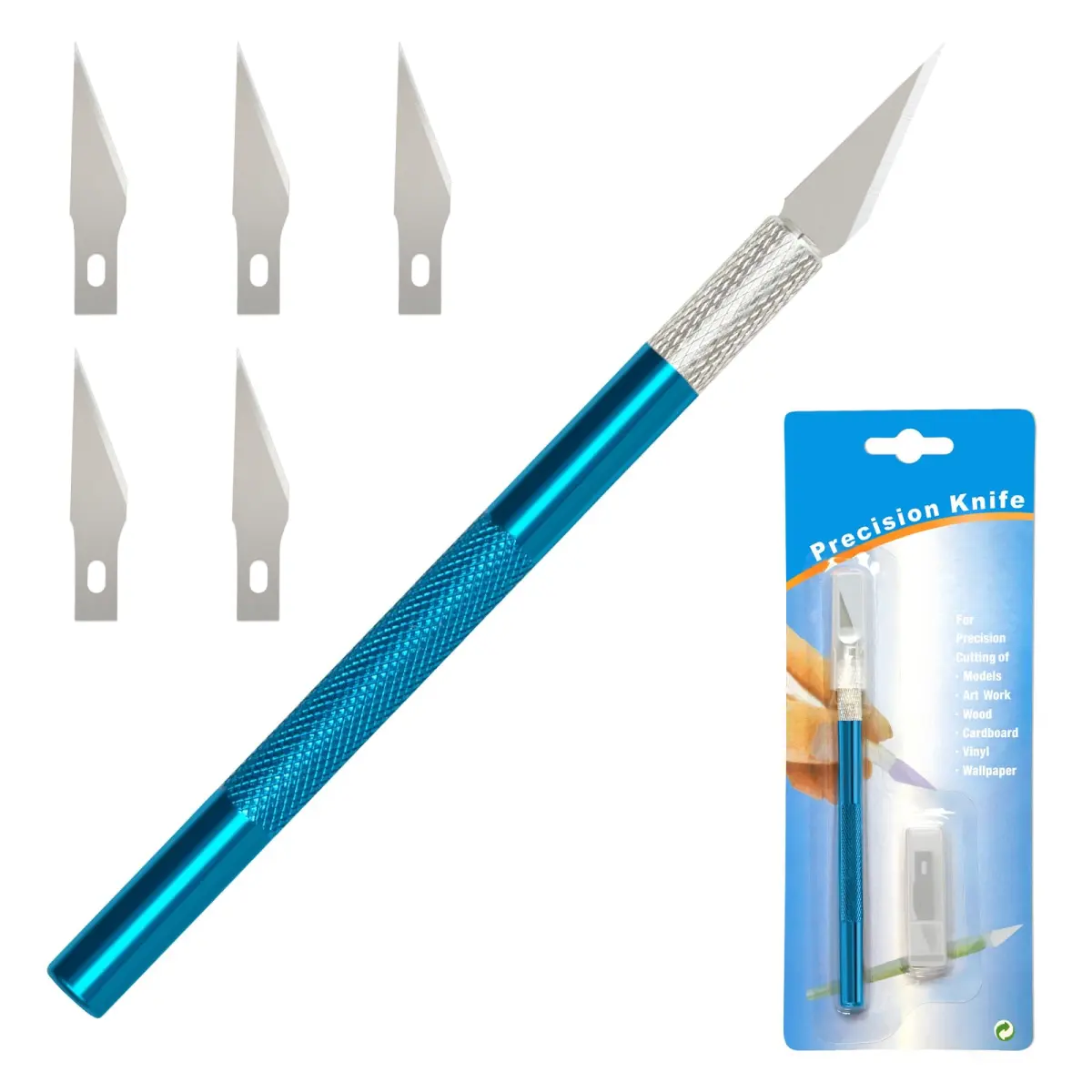
- Fill any gaps at the edges by slicing corks in half lengthwise with a sharp utility knife.
Avoid using excessive glue, as it can seep out from under the corks and create an uneven surface that makes pinning notes difficult.
Best wine cork projects for beginners
If you are new to working with cork, start with small, low-stakes projects that do not require complex structural integrity. Coasters are an excellent entry point, as they only require a few corks and a circular or square base. Simply glue the corks together in a tight cluster or slice them into thin discs and mount them onto a cork tile. These projects are forgiving and allow you to practice your cutting and gluing techniques without wasting large quantities of materials.
Other beginner-friendly ideas include:
- Drawer pulls: Screw a small metal knob into the center of a cork for a rustic handle.
- Miniature planters: Hollow out the center of a cork, add a tiny succulent, and attach a magnet to the back.
- Place card holders: Create a small slit along the top of a cork to hold a name tag for dinner parties.
These items take less than an hour to complete and help you build confidence for larger, more ambitious home decor tasks.
Why cork is a superior crafting material
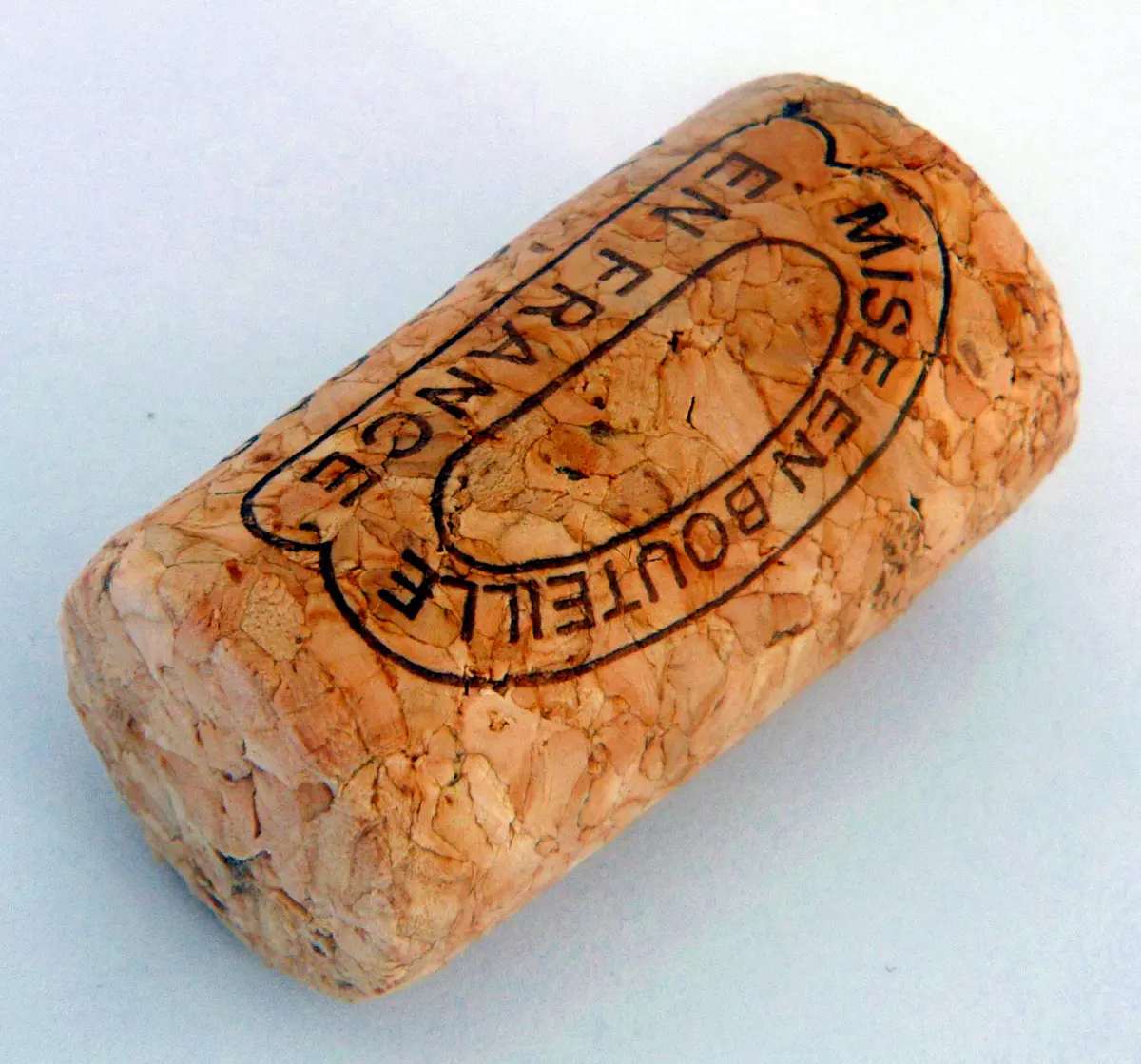
Cork is harvested from the bark of the Quercus suber, or cork oak, primarily in Mediterranean regions like Portugal and Spain. The material is cellular and elastic, meaning it can be compressed without losing its shape or breaking. This natural buoyancy and resistance to moisture make it an ideal choice for projects that might encounter humidity, such as bathroom accessories or outdoor garden markers. Because it is a renewable resource, using recycled corks is an environmentally conscious way to reduce waste.
Beyond its physical properties, cork is naturally antimicrobial and fire-resistant. These characteristics make it a safe material to use in kitchens or near fireplaces, provided it is not placed directly in contact with an open flame. Its unique texture also provides excellent sound insulation, which is why some crafters use cork panels to dampen noise in home offices or music rooms. When handled properly, cork remains durable for years, often outlasting synthetic alternatives that tend to degrade or crack over time.
Common mistakes when crafting with cork
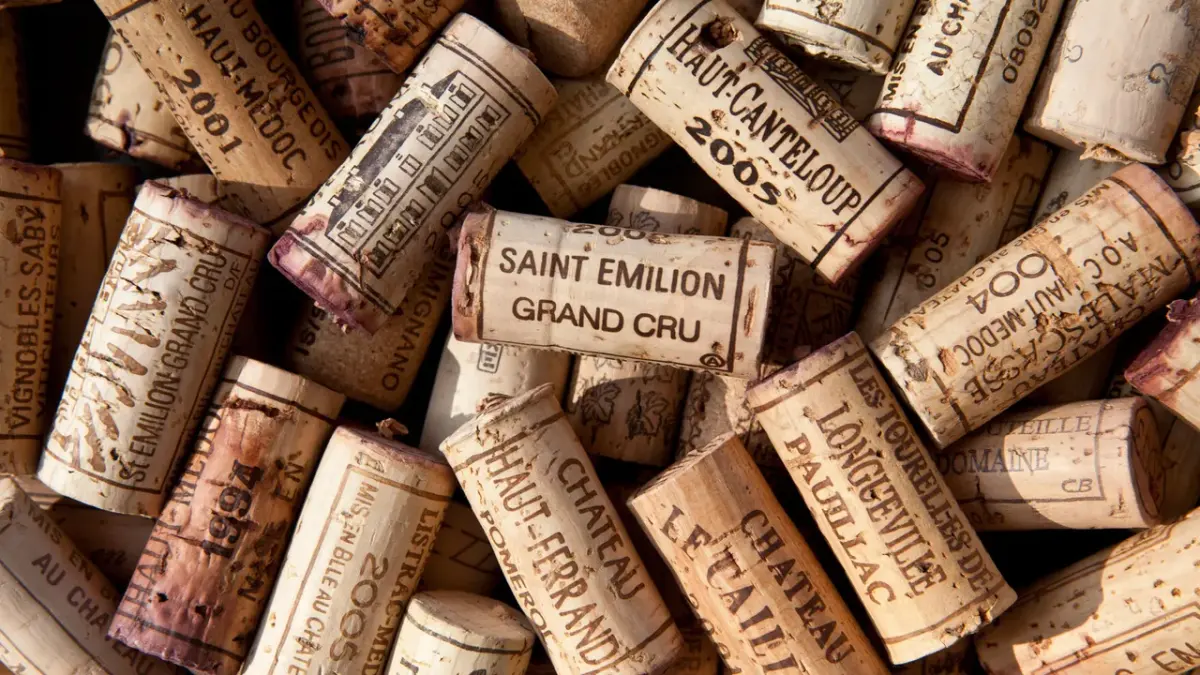
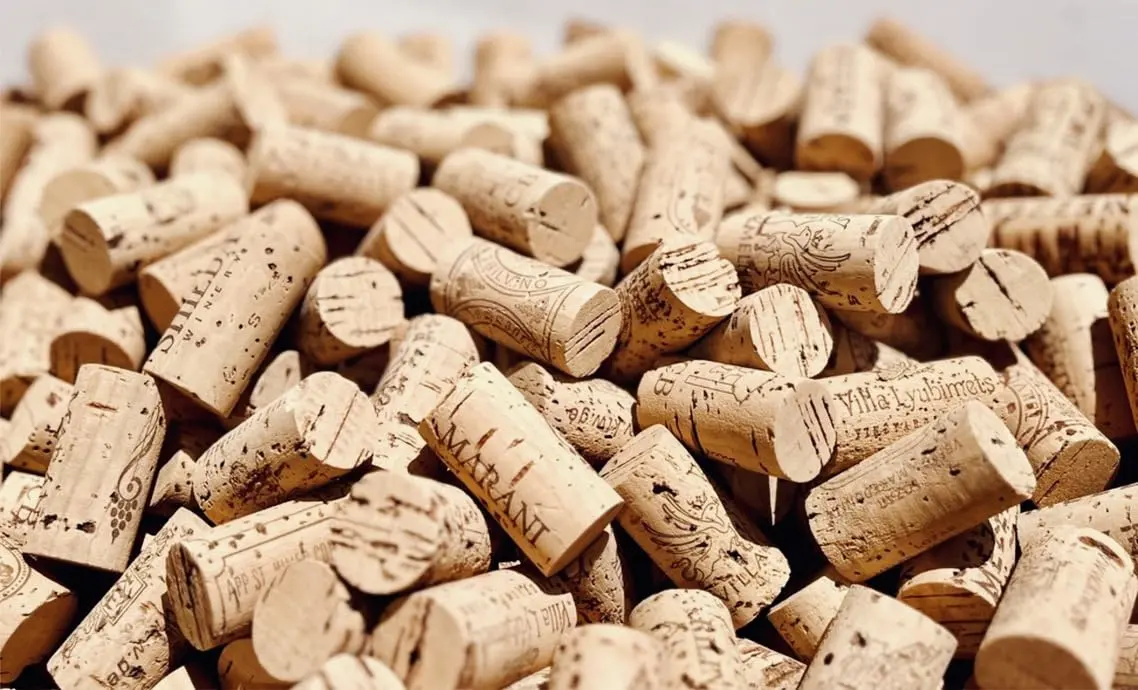
One of the most frequent errors is failing to account for the inconsistent size of wine corks. Because different wineries use varying diameters and lengths for their closures, your layout may become crooked if you do not sort them by size before gluing. Always group your corks by brand or dimensions to ensure a uniform appearance. If you are mixing natural corks with synthetic ones, be aware that they react differently to adhesives; synthetic corks often require a stronger, specialized glue to bond effectively.
Another common pitfall is improper surface preparation. If the corks are still damp or stained with wine, the glue will not adhere properly, leading to pieces falling off over time. You should also avoid using dull blades when cutting cork, as this causes the material to crumble or tear rather than providing a clean edge. If you find your cuts are jagged, use a fine-grit sandpaper to smooth the edges before assembling your project. Taking these extra steps ensures your final piece looks polished and lasts longer.
How to maintain wine cork decor
To keep your cork projects looking fresh, regular maintenance is essential. For items like bulletin boards or wall art, use a soft brush or a vacuum attachment to remove dust that settles in the crevices. If you spill liquid on a cork coaster, blot it immediately with a clean cloth rather than rubbing it, as friction can cause the cork to shed fibers. If the cork begins to look dry or dull over time, you can apply a light coat of food-grade mineral oil to restore its natural color and flexibility.
For high-traffic items, consider applying a thin layer of clear sealant to protect the surface from stains and wear. However, avoid heavy varnishes that might strip the material of its natural, soft texture. If you notice a loose piece, simply re-glue it with a high-quality adhesive, ensuring the area is clean and dry before reattachment. By following these simple care instructions, you can preserve the aesthetic and functional value of your handcrafted cork items for many years, ensuring your effort remains a centerpiece of your home decor.
Key facts
- Natural cork is a sustainable, biodegradable material harvested from the bark of the Quercus suber tree.
- Corks are hydrophobic and buoyant, making them ideal for projects involving water or humidity.
- Use a sharp craft knife or a fine-toothed saw to cut corks; a dull blade will cause the material to crumble.
- Glue corks together using high-strength contact cement or a hot glue gun for structural stability.
- Boil used wine corks for 10 minutes to sanitize them and make them easier to slice without cracking.
- Avoid using synthetic plastic corks for crafting, as they do not absorb paint or glue as effectively as natural bark.
The bottom line
Wine corks are a versatile, eco-friendly medium for DIY home projects due to their durability and unique texture. By properly cleaning and preparing the material, you can transform discarded corks into functional items like coasters, bulletin boards, or garden mulch. Focus on using natural cork rather than synthetic alternatives to ensure the best results and environmental sustainability in your creative endeavors throughout your home.
People also ask
Can I use wine corks to make a bulletin board?
Yes, a cork board is a popular project that uses a wooden frame and rows of glued corks. Arrange them in a herringbone or brick pattern for better structural integrity and a professional aesthetic.
How do I remove wine stains from used corks?
Soak the corks in a solution of one part hydrogen peroxide to two parts water for several hours. This lightens the purple wine stains and disinfects the material before you begin your project.
Are wine corks safe for garden use?
Natural cork is compostable and safe for soil, making it excellent for mulching or drainage in potted plants. Ensure the corks are free of plastic coatings or heavy chemical residues before adding them to your garden.
What is the best way to slice a cork in half?
Place the cork on a stable cutting mat and use a sharp utility knife to apply steady, downward pressure. Avoid sawing back and forth, as this creates jagged edges and uneven surfaces.
Can I make coasters out of wine corks?
Coasters are simple to create by gluing several corks together inside a circular or square metal ring. Seal the finished surface with a thin layer of polyurethane to prevent moisture from seeping into the cork.
Do corks lose their shape over time?
Natural cork is highly resilient and resistant to compression, meaning it maintains its shape well under pressure. However, avoid exposing glued cork projects to extreme heat, which can weaken the adhesive bonds.
This answer was created with the help of AI research tools and reference sources. Spotted an error? Let us know — we correct mistakes quickly. See our editorial policy.