What paint is used for murals?
Short answer
Professional muralists primarily use high-quality acrylic paints, specifically heavy-body or fluid acrylics, due to their superior lightfastness, durability, and flexibility. While exterior murals often require specialized masonry paints or mural-specific lines like Golden Artist Colors, the choice depends on the surface texture, environmental exposure, and the desired artistic finish for the project.
On this page
What paint is best for outdoor murals?
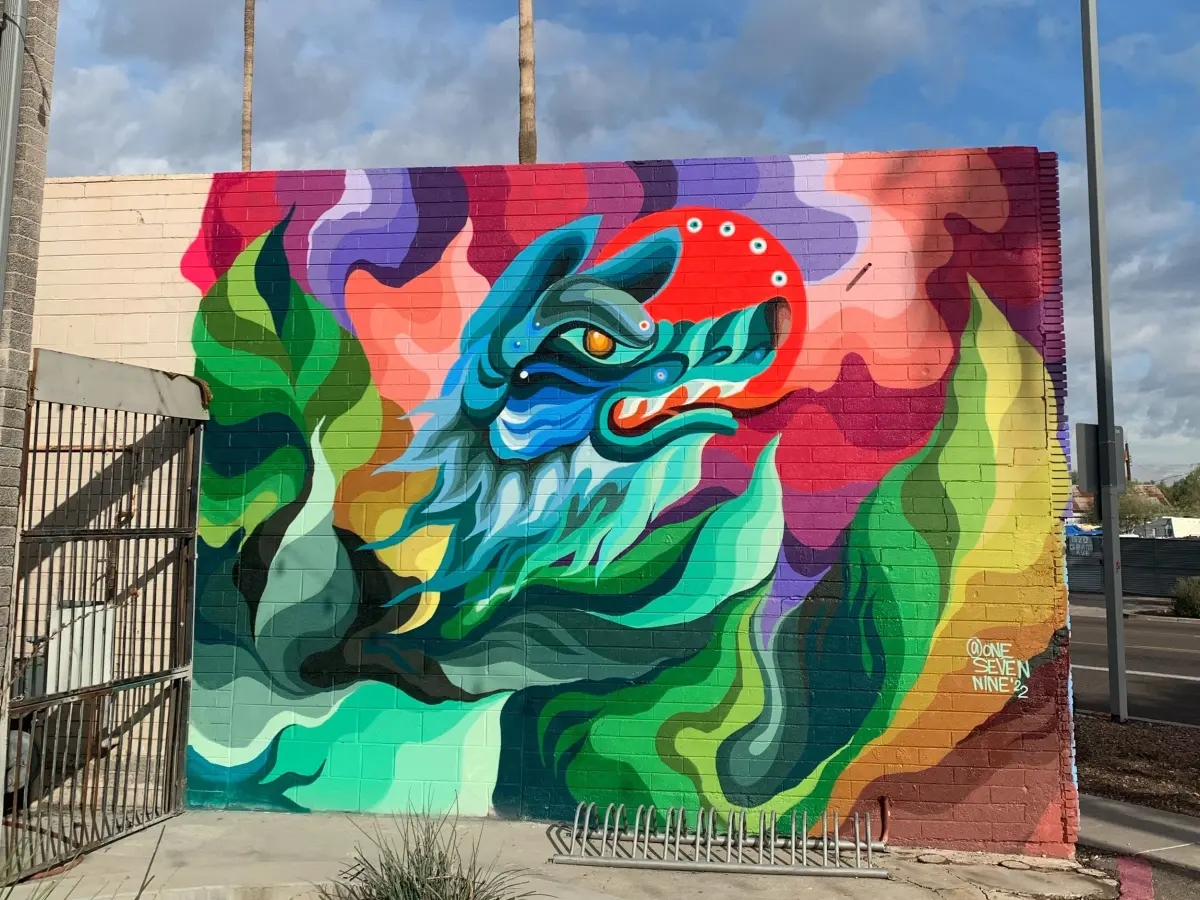
The primary requirement for outdoor murals is resistance to ultraviolet (UV) radiation and weather extremes. Professional muralists almost exclusively use 100% acrylic emulsion paints. Unlike oil-based paints, which become brittle and crack over time when exposed to sunlight, acrylics remain flexible as the wall expands and contracts with temperature shifts. High-quality artist-grade acrylics contain pigments that resist fading, ensuring the artwork remains vibrant for years.
For large-scale exterior projects, artists often combine different types of acrylics to manage budget and coverage. Base coats are typically applied with high-quality exterior architectural latex house paint, which is cost-effective and durable. Once the base is dry, artists switch to artist-grade acrylics for detail work. These professional-grade paints offer higher pigment loads and better lightfastness ratings. To ensure longevity, the final step involves applying a clear, UV-resistant protective varnish or topcoat.
- Clean the wall thoroughly to remove dust, grease, and loose debris.
- Apply a high-quality masonry primer to seal the surface and prevent moisture issues.
- Paint the base colors using exterior-grade architectural latex.
- Execute the mural design using artist-grade acrylics.
- Apply a non-yellowing, UV-protective clear coat once the paint has fully cured.
How to choose paint for indoor murals?
Indoor murals offer more flexibility because they are protected from rain, wind, and direct sunlight. While exterior-grade acrylics are still an excellent choice, artists can also use interior-grade acrylic latex or even water-based gouache if the mural is temporary. Interior-grade acrylics are generally less expensive than artist-grade tubes and come in a wider variety of finishes, such as eggshell, satin, or semi-gloss, which can influence how the finished mural reflects light in a room.
When painting indoors, consider the ventilation and the surface substrate. Drywall or plaster surfaces should be primed with a standard interior primer to prevent the paint from soaking into the wall unevenly. If the room is high-traffic, such as a hallway or a child’s bedroom, choose a scrubbable, high-quality acrylic paint that can withstand occasional cleaning. Avoid using oil-based paints indoors due to the strong, lingering fumes and the necessity of harsh chemical solvents for cleanup.
- Acrylic latex (standard for large areas)
- Artist-grade heavy body acrylics (for fine details)
- Water-based primers (to seal the surface)
- Matte or satin clear topcoats (for protection)
Why do muralists use acrylics?
Acrylic paint is the industry standard for murals because of its unique chemical properties. When acrylic paint dries, the water evaporates and the acrylic polymer particles fuse together to form a tough, water-resistant film. This film is remarkably durable and adheres well to a variety of surfaces, including brick, concrete, stucco, and wood. Furthermore, acrylics are water-soluble while wet, making cleanup simple with soap and water, yet they become permanent once cured.
Another reason for their popularity is the speed of drying. Acrylics dry quickly, which allows artists to layer colors and build up complex textures without waiting days between stages. This efficiency is critical for muralists working on scaffolding or ladders, where time is often limited by weather or equipment rental costs. Additionally, acrylics are non-toxic compared to oil paints, which is a significant advantage when working in public spaces or enclosed indoor environments where safety is a priority.
- Fast drying time allows for rapid layering.
- Water-based cleanup reduces the need for toxic solvents.
- Excellent adhesion to porous surfaces like brick and masonry.
- High lightfastness pigments prevent premature fading.
Common mistakes when painting murals
One of the most frequent errors is failing to prepare the surface correctly. Painting over loose paint, dirt, or chalky masonry will lead to the mural peeling or flaking within months. Always perform a tape test or wash the wall with a mild detergent before beginning. Another common mistake is using low-quality, craft-store acrylics. These paints often contain fillers and low-quality pigments that will fade rapidly under the sun, turning a vibrant mural into a dull, washed-out image in as little as one season.
Artists also often underestimate the importance of the topcoat. While many acrylics are durable, a clear UV-protective varnish acts as a sacrificial layer against graffiti, pollution, and physical abrasion. Without this layer, cleaning the mural becomes impossible because the pigments are exposed directly to the elements. Finally, avoid painting in direct, extreme heat or during high humidity. Excessive heat causes the paint to dry too quickly, preventing proper film formation, while humidity can prevent the paint from curing, leading to a sticky or tacky surface.
How long does it take for mural paint to cure?
While acrylic paint may feel dry to the touch within an hour, "curing" is a different process. Curing refers to the time it takes for the polymer film to reach its maximum hardness and chemical resistance. For most acrylic murals, the paint is safe to touch after 24 hours, but it can take anywhere from two weeks to a month to fully cure, depending on the thickness of the paint application and the ambient temperature.
During the curing period, the mural is most vulnerable to damage. Avoid scrubbing the surface or applying heavy protective coatings immediately after finishing the artwork. If you must apply a varnish, wait at least 72 hours for the paint to set, though waiting longer is always safer. If the mural is in an area prone to graffiti, consider using a specialized sacrificial anti-graffiti coating, which allows for the removal of spray paint without damaging the underlying mural artwork. Always check the manufacturer’s instructions on the paint containers, as drying times vary significantly between different brands and product lines.
Key facts
- Acrylic paint is the industry standard for murals due to its durability, fast drying time, and water-based cleanup.
- Exterior murals require high-quality, 100% acrylic latex house paint for large backgrounds and artist-grade acrylics for details.
- Always apply a high-quality primer to the wall surface to prevent moisture absorption and ensure long-term paint adhesion.
- UV-resistant varnish or clear coat is essential to protect the finished mural from sun fading and environmental wear.
- Avoid using oil-based paints outdoors, as they become brittle, crack over time, and are difficult to clean up.
- Use synthetic brushes for acrylics, as natural bristles absorb water and lose their shape when wet.
The bottom line
Choosing the right materials is the foundation of a successful mural. By selecting 100% acrylic paints, applying a suitable primer, and finishing with a protective UV-resistant varnish, you ensure your artwork withstands the elements for years. Always prioritize surface preparation and avoid common pitfalls like using oil-based products or painting in extreme heat. With these professional practices, your mural will remain vibrant and structurally sound outdoors.
People also ask
How do you prepare a brick wall for a mural?
Start by power washing the surface to remove dirt, loose mortar, and debris. Once dry, apply a masonry primer to seal the porous surface and prevent the paint from peeling.
Can I use spray paint for murals?
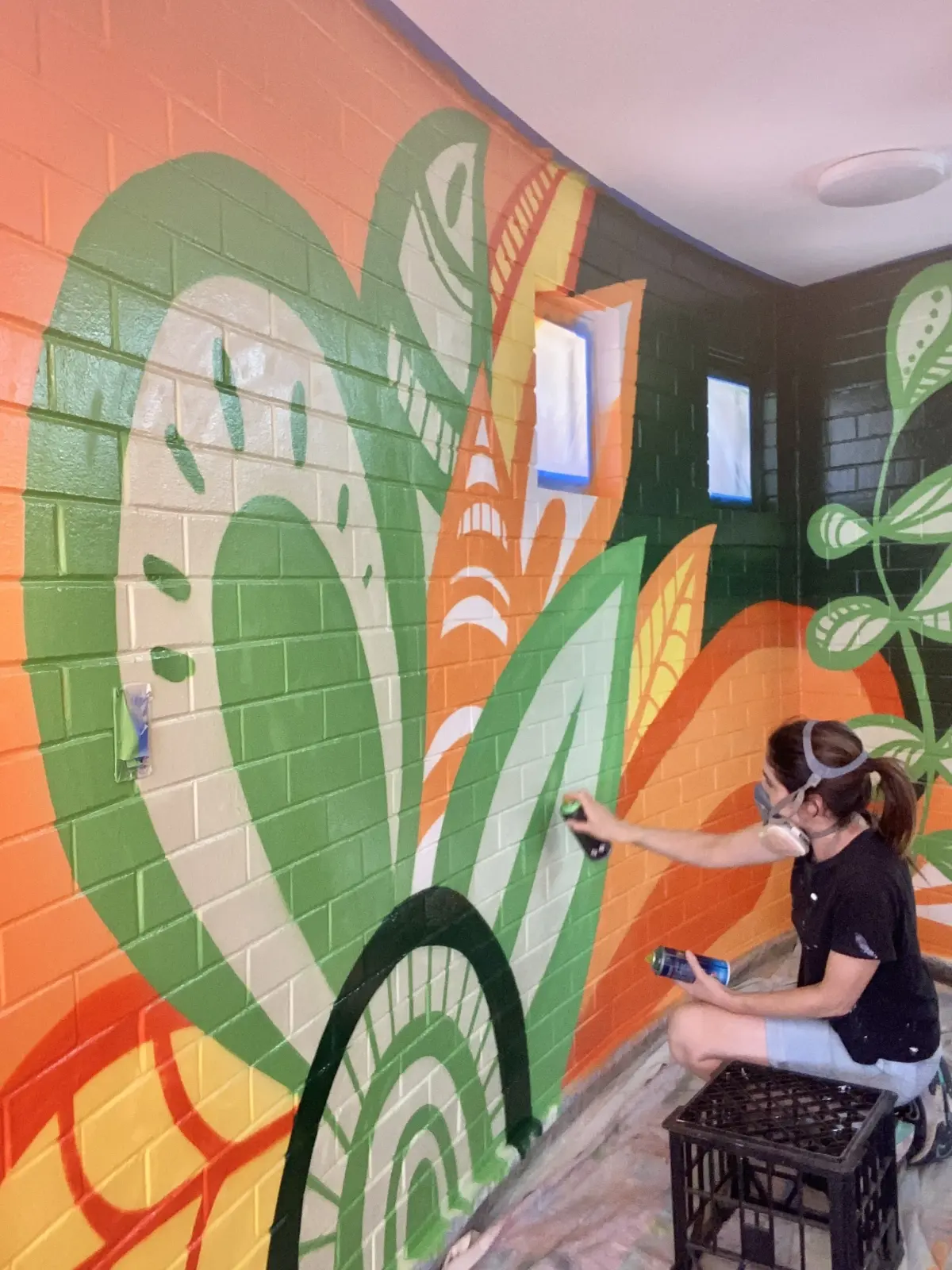
Yes, professional-grade aerosol paints are popular for their speed and ability to create smooth gradients. Ensure you use a respirator mask and work in a well-ventilated area to avoid inhaling fumes.
How long do outdoor murals typically last?
With proper surface preparation and high-quality UV-protective coatings, a well-maintained exterior mural can last between 10 and 20 years. Fading is inevitable over time, but professional sealants significantly extend the lifespan.
What is the best way to transfer a design to a wall?
The grid method is the most reliable technique for scaling a small drawing onto a large wall. Alternatively, use a digital projector at night to trace the outline of your design directly onto the surface.
Should I paint in direct sunlight?
No, painting in direct sun causes acrylics to dry too quickly, which leads to brush marks and poor adhesion. Try to work during cooler hours or use scaffolding to create shade for the wall.
How do I prevent graffiti on my mural?
Apply a sacrificial anti-graffiti coating over the finished, varnished mural. This clear layer allows you to wash off spray paint or markers without damaging the original artwork underneath.
This answer was created with the help of AI research tools and reference sources. Spotted an error? Let us know — we correct mistakes quickly. See our editorial policy.