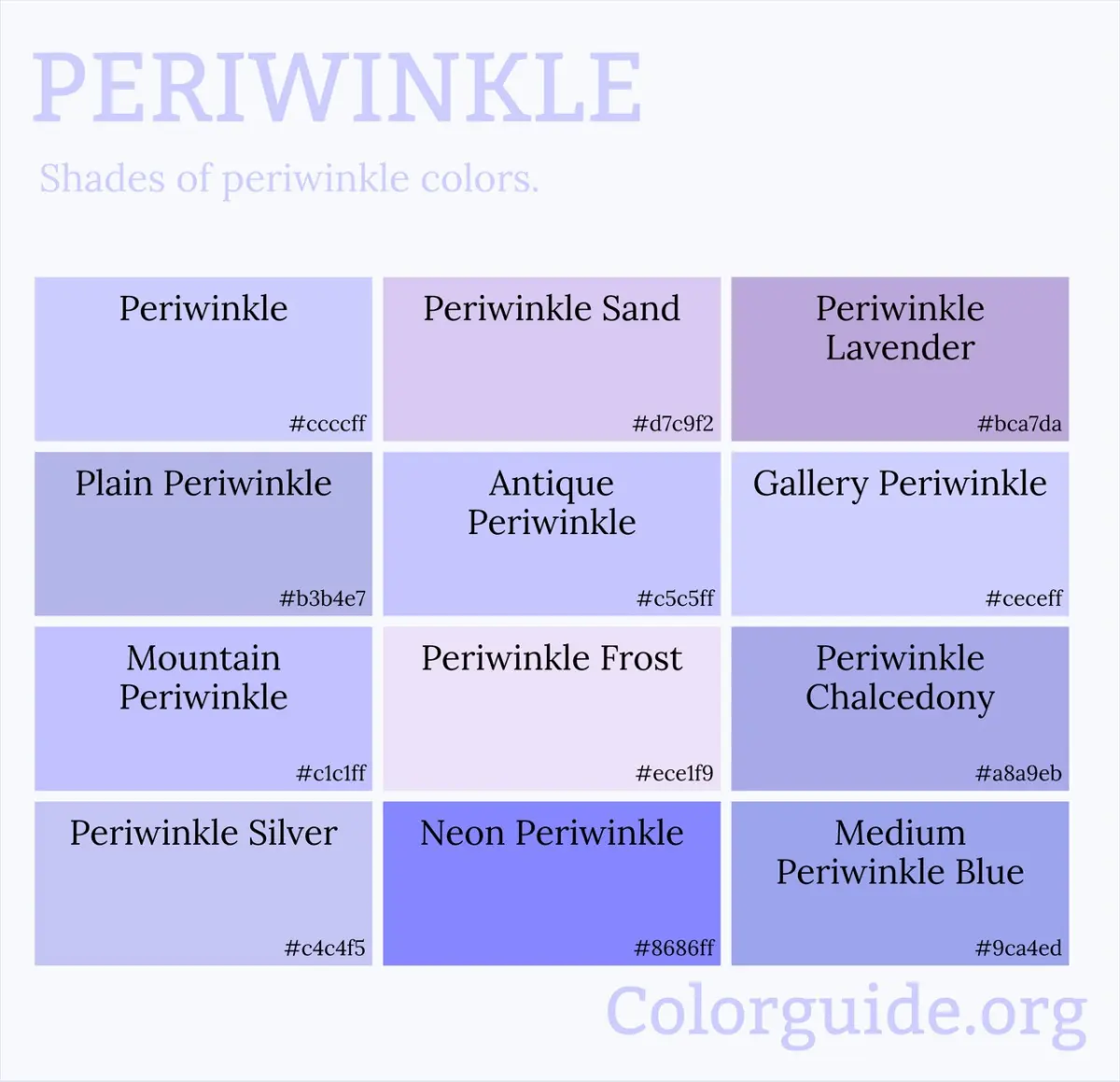
What colors make purple?
Short answer
Purple is created by mixing the primary colors red and blue. In traditional color theory, these two pigments combine to form a secondary color. By adjusting the proportions of each, you can achieve various shades ranging from deep violet to soft lavender, depending on the intensity of the base pigments used.

On this page
What colors make purple?
To create basic purple, you must combine red and blue pigments. These are primary colors in the traditional RYB (Red-Yellow-Blue) color model used by painters and artists. When mixed in equal parts, they form a standard purple hue. However, the specific shade of purple depends heavily on the temperature and undertones of the red and blue you choose.
If you use a "warm" red, which leans toward orange, and a "cool" blue, which leans toward green, your result will likely be a muddy or brownish violet. For a vibrant, clean purple, you should select a "cool" red, such as alizarin crimson, and a "cool" blue, such as ultramarine. Understanding these color biases is the secret to mixing professional-quality colors without creating dull or gray tones.
How to mix different shades of purple
Achieving the perfect shade of purple often requires more than just two tubes of paint. By adjusting the ratios or adding neutral colors, you can expand your palette significantly. If you want to lighten your purple, you should add white; if you want to darken it, you can add a touch of black or a complementary color like yellow.
To create specific variations, follow these guidelines:
- For a deep, royal purple, mix a high ratio of ultramarine blue with a smaller amount of crimson red.
- For a soft lavender or lilac, start with a large amount of white paint and slowly add small drops of your mixed purple.
- For a muted, vintage plum, add a tiny amount of yellow to your purple mix to neutralize the intensity.
- For a bright, electric violet, use a magenta-based red rather than a standard fire-engine red.
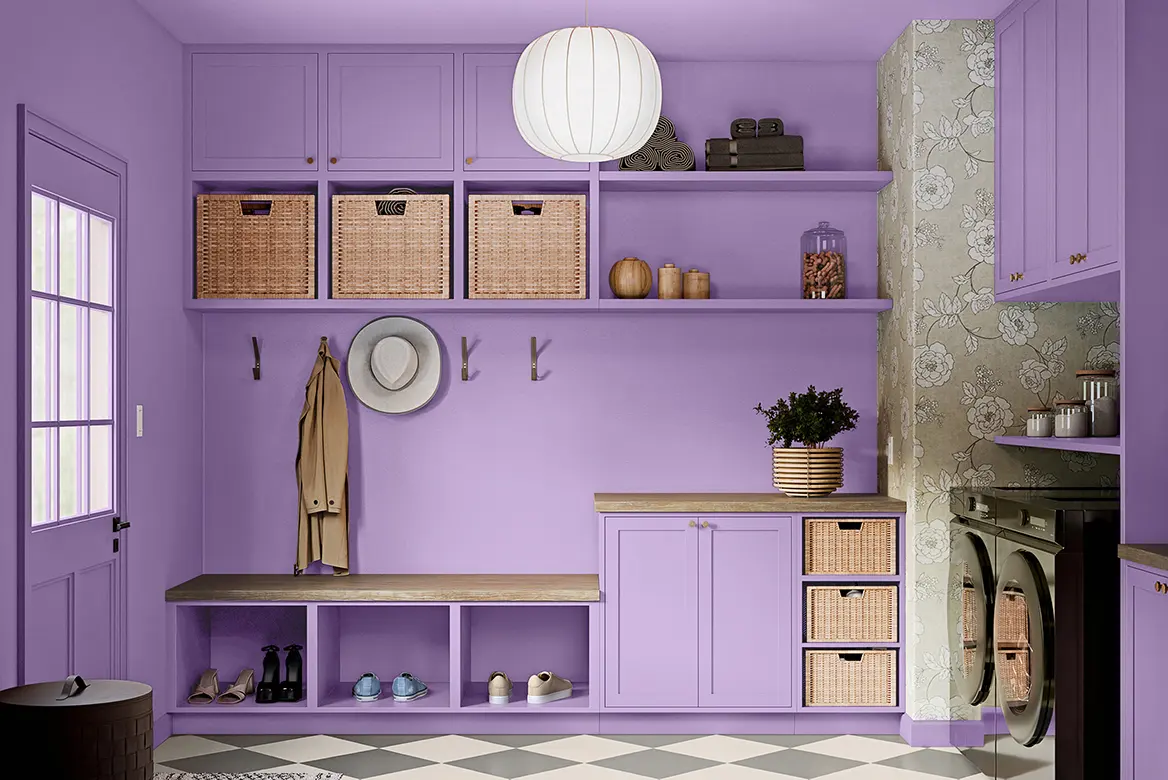
Why color theory matters for mixing
Color theory provides the scientific framework for why certain colors interact the way they do. In the subtractive color model, which applies to physical pigments, mixing two primaries creates a secondary color. Purple sits directly between red and blue on the color wheel. Because red and blue are both primary colors, they cannot be created by mixing other pigments, making them the essential building blocks for all violet hues.
When you mix pigments, you are essentially filtering light. Blue pigments absorb most light wavelengths except for blue, while red pigments absorb most except for red. When combined, the mixture absorbs most of the visible spectrum except for the purple wavelengths, which reflect back to your eyes. If you add a third primary color, such as yellow, you introduce a color that absorbs the purple wavelengths, which is why adding yellow turns purple into a muddy gray or brown.
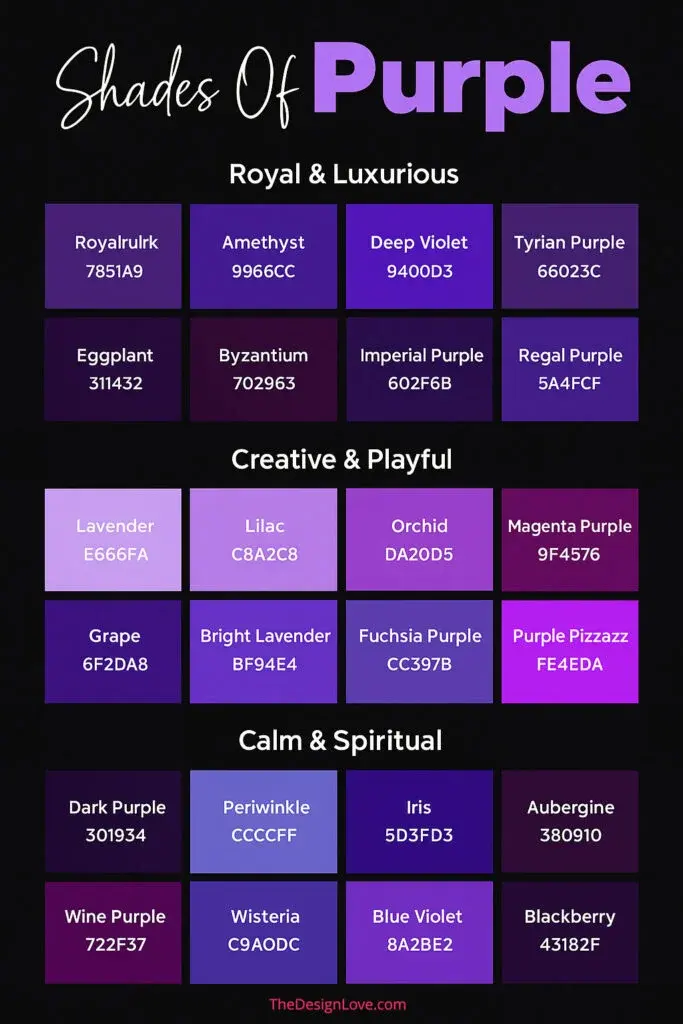
Common mistakes when mixing purple
Many beginners struggle with "muddy" colors, which occur when the pigments are not compatible. A frequent mistake is using a warm red, like cadmium red, which contains orange undertones. Because orange is the complementary color to blue, mixing them together creates a neutral gray or brown, effectively neutralizing the purple you intended to create. Always check the label on your paint tubes for "cool" or "blue-shade" reds.
Another common error is adding too much black paint to darken a purple. Black paint often contains strong undertones that can make a vibrant purple look flat or dirty. Instead of black, try using a dark blue, like Prussian blue, or a deep burnt umber to deepen the shade. This maintains the richness of the color while achieving the desired value. Finally, avoid over-mixing your paint; if you stir the colors too much, they can lose their individual vibrancy and appear dull on the canvas.
Best tools for mixing colors
Having the right tools makes the process of color mixing much more predictable and enjoyable. For those just starting, a high-quality set of primary colors is better than a large set of pre-mixed paints. A standard set should include a warm and cool version of each primary color, allowing for a much wider range of secondary and tertiary results.
Follow these steps to set up your workspace for success:
- Use a clean white palette so you can accurately judge the color of the paint as you mix it.
- Start with a small amount of the lighter color, then slowly add the darker color to avoid wasting paint.
- Use a palette knife rather than a brush to mix, as this prevents pigment from getting trapped in the bristles.
- Clean your palette knife thoroughly between colors to ensure that your purple remains clean and untainted by previous mixtures.
By practicing these techniques, you will develop an intuitive sense for color ratios and undertones, allowing you to mix any shade of purple you desire for your artistic projects.
Key facts
- Purple is a secondary color created by mixing the primary colors red and blue.
- In the traditional RYB (red-yellow-blue) color model used by painters, purple is achieved by blending these two pigments.
- The exact shade of purple depends on the ratio of red to blue and the specific temperature of the pigments used.
- To create a warmer, reddish-purple like violet, use more red; for a cooler, bluish-purple like indigo, increase the blue.
- A common mistake is adding too much red at once, which often turns the mixture into a muddy brown or maroon.
- Adding a tiny touch of white paint will lighten the mixture into lavender, while black will darken it into a deep plum.
The bottom line
Creating the perfect purple is a foundational skill in color theory that relies on balancing red and blue pigments. By starting with small amounts and adjusting the ratios, you can achieve any shade from soft lavender to deep, royal plum. Always avoid introducing yellow into your mixture to keep the color vibrant, and remember that layering or adjusting your base pigments is key to professional results.
People also ask
Why does my purple look brown or gray?
This usually happens because the red or blue paint contains a trace of yellow, which is the complementary color of purple. When all three primary colors mix, they neutralize each other and create a dull, muddy brown.
Is violet the same as purple?
While often used interchangeably, violet is a spectral color found on the visible light spectrum with its own wavelength. Purple is a non-spectral color that does not exist as a single wavelength of light but is perceived by the brain when red and blue are mixed.
How do I make a bright, vibrant purple?
Use high-quality, transparent pigments that are free of yellow undertones. Mixing a cool red, such as alizarin crimson, with a cool blue, such as ultramarine, generally yields the cleanest, most vivid results.
Can I make purple using markers or colored pencils?
You cannot mix physical markers or pencils like paint, so you must use a layering technique called optical mixing. Color a layer of blue on the paper and then lightly shade red over the top to create the illusion of purple.
What is the difference between purple and magenta?
Magenta is a primary color in the CMYK printing model and is closer to a bright, hot pink. Purple is a distinct secondary color that requires a darker, cooler blue to achieve its characteristic deep hue.
Does the surface I am painting on affect the color?
Yes, a white surface reflects light through the paint, keeping the purple bright and clear. If you paint on a dark or colored surface, the purple will appear significantly duller or may be obscured entirely by the background tone.
This answer was created with the help of AI research tools and reference sources. Spotted an error? Let us know — we correct mistakes quickly. See our editorial policy.