What is the difference between a fresco and a mural?
Short answer
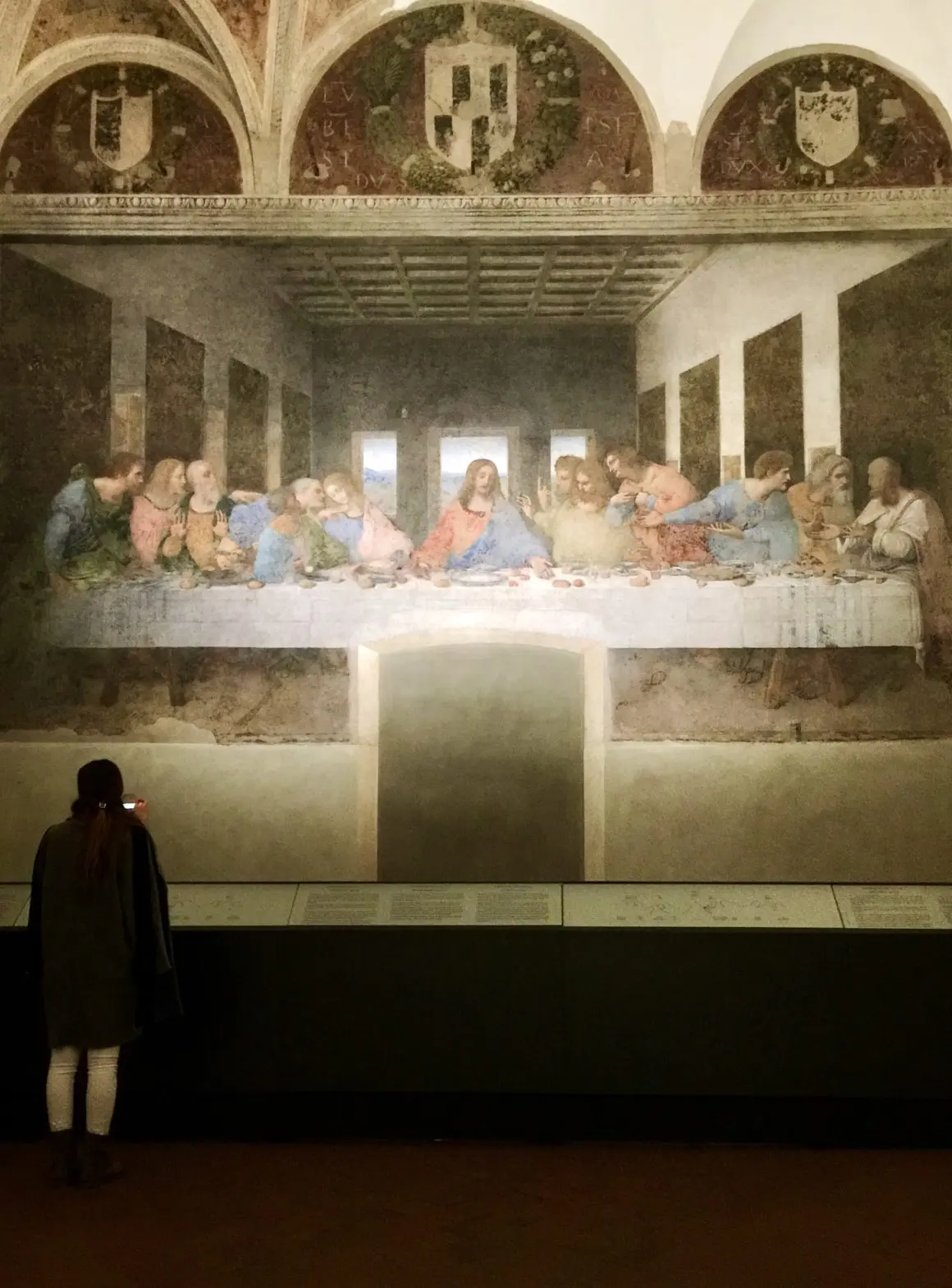
A mural is any piece of artwork painted or applied directly onto a wall, ceiling, or other large permanent surface. A fresco is a specific, ancient technique of mural painting where pigments are applied to wet lime plaster. While all frescoes are murals, not all murals are frescoes.
On this page
What is the difference between a mural and a fresco?
The term mural describes the placement and scale of an artwork rather than the medium used to create it. A mural can be painted with acrylics, oils, spray paint, or even mosaic tiles, and it can be placed on indoor or outdoor walls. Because murals are defined by their location, they are highly versatile and can be found in diverse settings ranging from public street art to corporate lobbies.
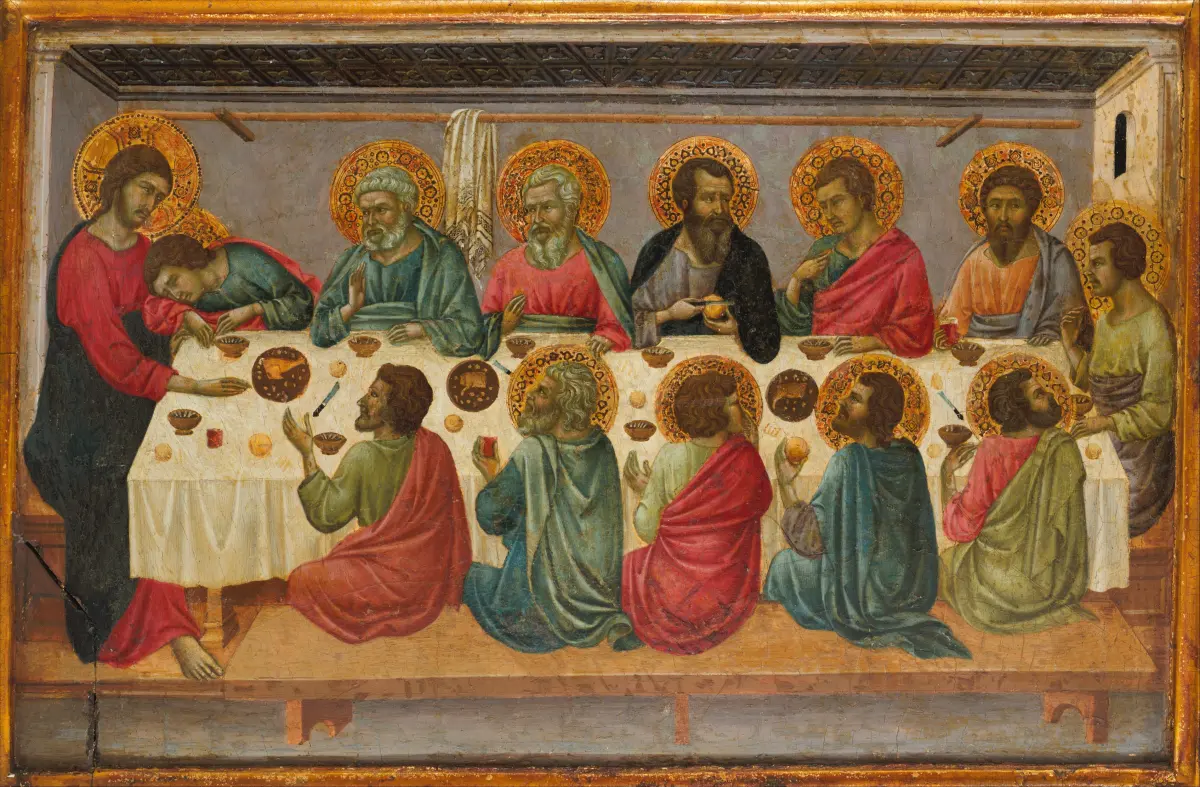
A fresco, by contrast, is defined by its chemical process. The word comes from the Italian affresco, meaning "fresh." In this method, the artist applies mineral pigments mixed with water directly onto freshly laid, damp lime plaster. As the plaster dries, a chemical reaction called carbonation occurs, bonding the pigment permanently into the wall surface. This makes the painting an structural part of the architecture rather than a layer applied on top of it.
How is a true fresco made?
Creating a true fresco, or buon fresco, requires meticulous planning and speed. Because the plaster must remain wet for the pigment to bond, artists work in small sections called giornate, which is Italian for "a day’s work." The artist must complete a specific portion of the composition before the plaster dries, usually within eight to ten hours.
- Prepare the wall with a rough base coat of lime plaster and sand.
- Apply a smooth, fine layer of plaster, known as the intonaco, only to the area you can paint in one session.
- Transfer the design from a full-scale paper sketch, called a cartoon, onto the wet plaster.
- Apply pigments mixed only with water, allowing the lime to act as the binder.
- Allow the section to cure, which permanently locks the colors into the wall.
What materials are best for modern murals?
Modern murals prioritize durability and ease of application over the rigid requirements of traditional fresco. Most contemporary artists prefer high-quality acrylic paints or specialized exterior masonry paints. These materials are favored because they resist fading from ultraviolet light and can withstand temperature fluctuations, which is essential for outdoor public art installations.
- Acrylics: Best for indoor murals due to their fast drying time and vibrant color range.
- Spray Paint: Ideal for large-scale urban murals, allowing for quick coverage and gradient effects.
- Mineral Silicate Paints: The industry standard for outdoor murals, as they chemically bond to masonry surfaces similarly to fresco, preventing peeling or blistering.
- Protective Sealants: Essential for high-traffic areas to prevent vandalism and damage from moisture or pollution.
Why do frescoes last for centuries?
The longevity of a fresco is due to the process of carbonation. When the calcium hydroxide in the wet lime plaster reacts with carbon dioxide in the air, it transforms into calcium carbonate, which is essentially limestone. The pigment particles become trapped within this crystalline structure, making the image resistant to the flaking and peeling that often plague surface-applied paints.
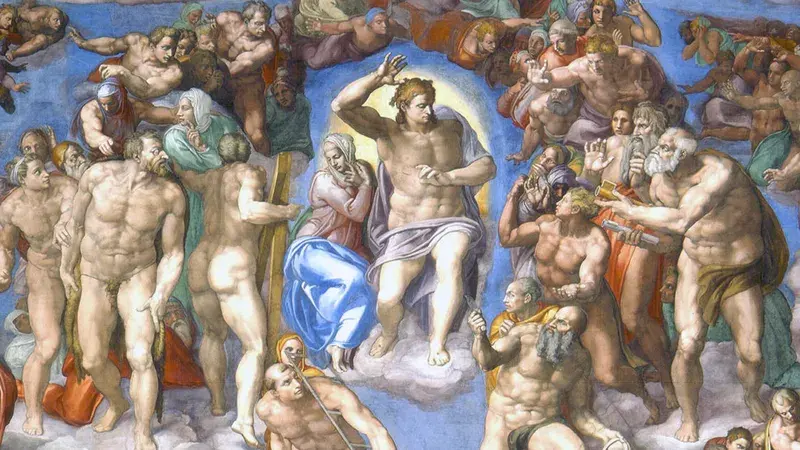
Famous examples, such as Michelangelo’s Sistine Chapel ceiling completed in 1512, demonstrate this durability. Despite being over 500 years old, the colors remain vibrant because they are physically part of the wall itself. In contrast, murals painted with oil or acrylic on top of a dry wall are susceptible to peeling if the wall surface expands or contracts, or if the adhesive bond between the paint and the wall fails over time.
Common mistakes when painting murals
One of the most frequent errors in mural painting is failing to properly prepare the wall surface. If the wall is dusty, greasy, or damp, the paint will not adhere, leading to premature peeling. Artists should always clean the surface thoroughly and apply a high-quality primer that is compatible with the wall material, such as concrete, brick, or drywall.
Another common mistake is ignoring lighting conditions and perspective. A mural that looks perfect on a flat floor or a small sketch may appear distorted when viewed from the ground on a vertical surface. Artists should use a grid system or projection to map out their design to ensure proportions remain accurate. Additionally, failing to account for the texture of the wall can make fine details difficult to execute. Always test your paint on a small, inconspicuous area of the wall to see how the texture absorbs the pigment before committing to the entire project.
Key facts
- A fresco is a specific technique where pigment is applied to wet lime plaster, becoming a permanent part of the wall.
- A mural is a broad term for any artwork painted or applied directly onto a wall, ceiling, or large permanent surface.
- All true frescoes are murals, but most murals are not frescoes because they use different binding agents like acrylic or oil.
- Fresco painting requires speed because the plaster dries in hours, forcing artists to work in sections called "giornate."
- Modern murals often use acrylic paints, which are more durable and easier to apply than the traditional mineral pigments used in frescoes.
- If you are planning a wall painting, choose acrylics for longevity and ease of use, as true fresco requires specialized knowledge of chemistry and masonry.
The bottom line
The fundamental difference lies in the process rather than the location. A mural is a decorative category, while a fresco is a specific, ancient chemical process involving wet plaster. While murals offer modern flexibility and ease of application, frescoes provide unmatched permanence and historical prestige. Understanding this distinction helps you choose the right medium for your artistic goals, whether you prioritize longevity or practical execution.
People also ask
Can I paint a fresco on a standard drywall surface?
No, standard drywall is not suitable for true fresco because it lacks the necessary lime-based substrate to facilitate the chemical reaction known as carbonation. Applying fresco techniques to drywall will result in the paint flaking off almost immediately.
What is the most famous fresco in history?
Michelangelo’s ceiling in the Sistine Chapel, painted between 1508 and 1512, is widely considered the most famous fresco. It demonstrates the technique's ability to withstand centuries of environmental exposure.
Why do murals sometimes fade while frescoes do not?
Frescoes are chemically bonded to the wall, making them highly resistant to light and moisture. Murals painted with standard house paint or oil-based mediums are susceptible to UV degradation and oxidation over time.
What is the main mistake beginners make when painting a mural?
The most common mistake is failing to properly prime the surface, which leads to poor paint adhesion. Always clean the wall thoroughly and apply a high-quality primer before starting your design.
Do murals have to be painted directly onto the wall?
No, many modern murals are painted on separate panels or fabric canvases that are then mounted to the wall. This method allows the artist to work in a studio rather than on-site.
How long does a fresco last compared to a mural?
A well-executed fresco can last for thousands of years, as seen in ancient Roman ruins. A typical exterior mural may require touch-ups or complete repainting every 5 to 15 years due to weathering.
This answer was created with the help of AI research tools and reference sources. Spotted an error? Let us know — we correct mistakes quickly. See our editorial policy.