Where do tattoos hurt the least?
Short answer
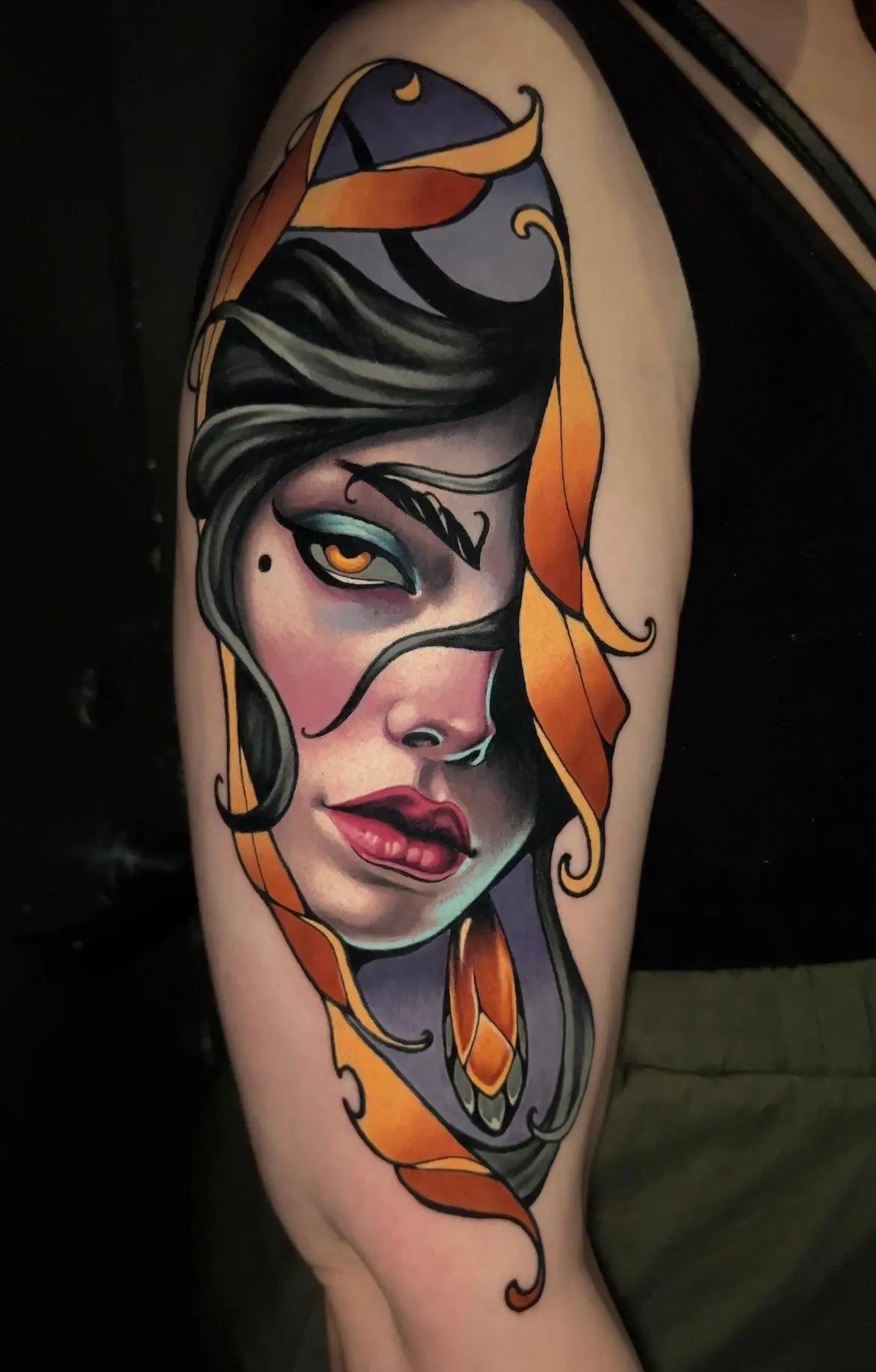
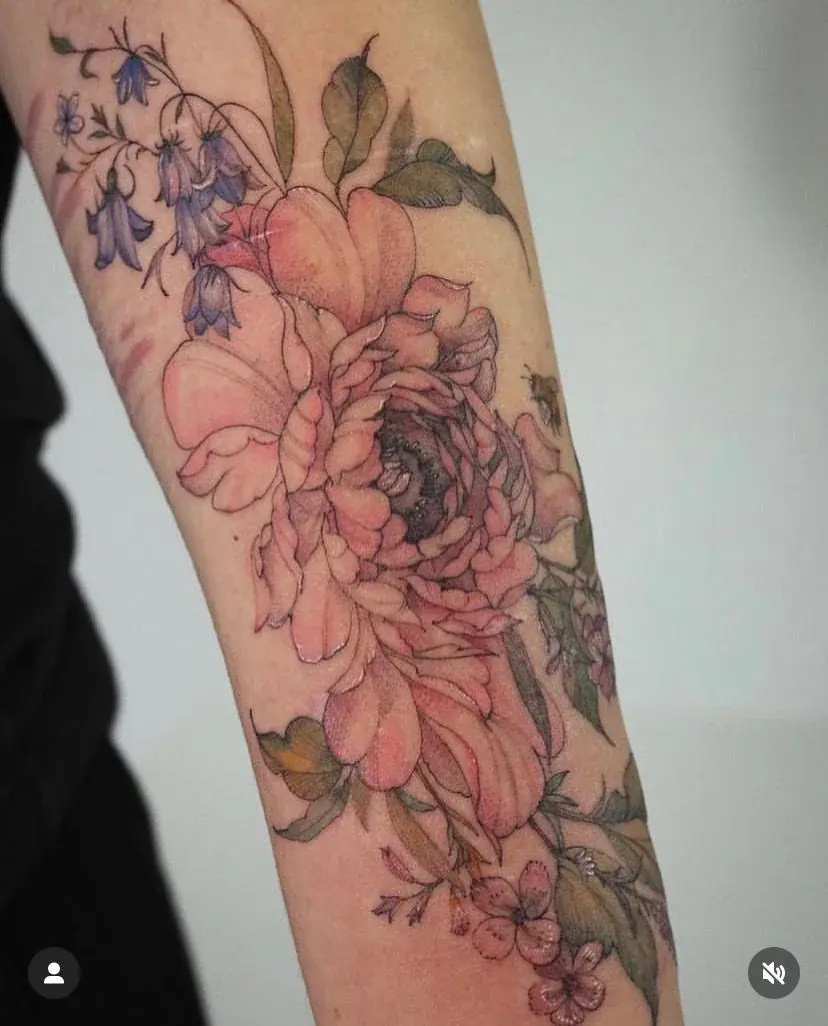
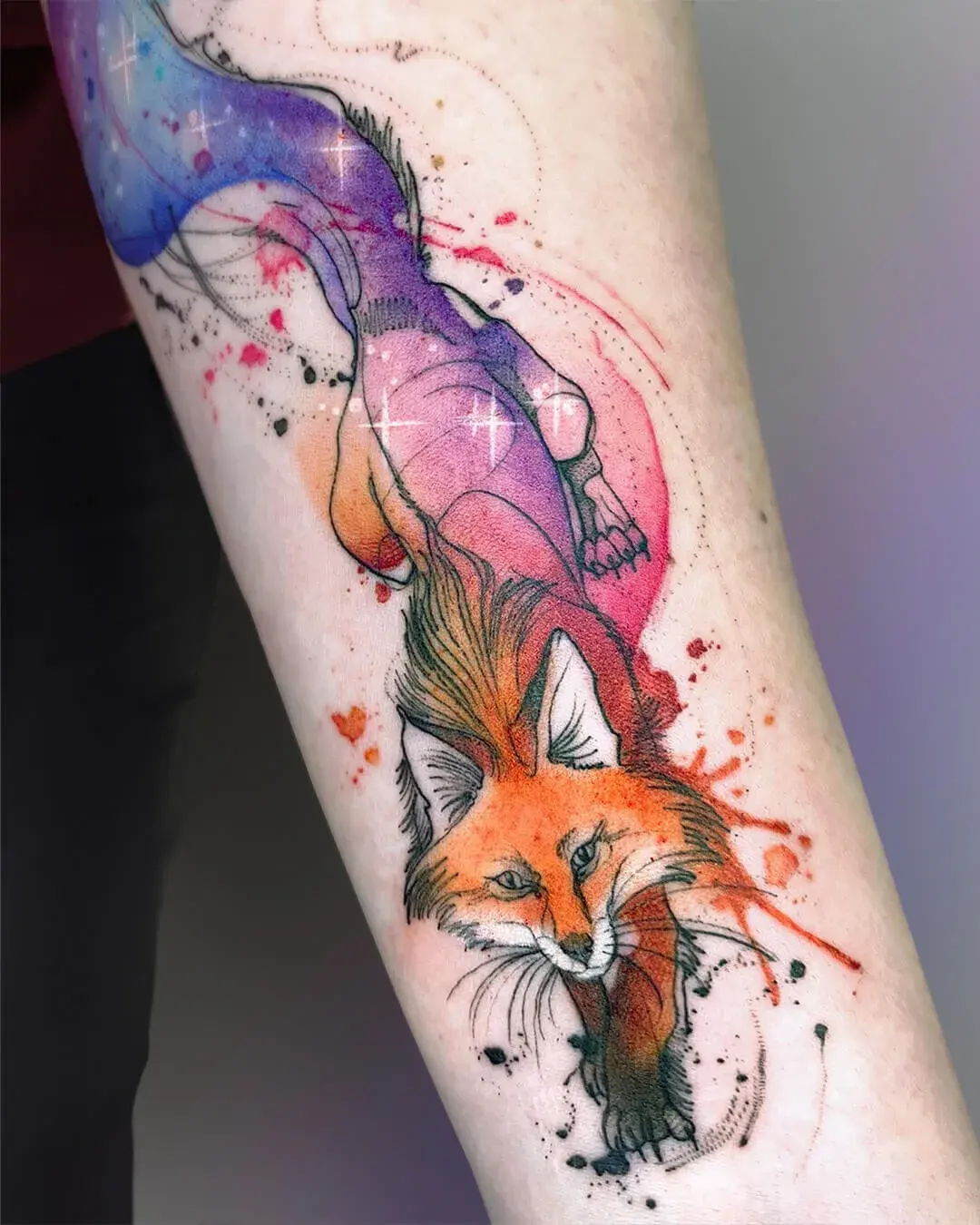
Tattoos hurt the least on areas with thicker skin, more muscle, or significant fat deposits, such as the outer thigh, forearm, shoulder, and outer calf. These locations lack dense nerve endings and bony protrusions, which typically amplify pain. Choosing these spots can significantly improve the comfort of your first tattooing experience.
On this page
Where is the least painful place to get a tattoo?
The least painful areas for a tattoo are those where the skin is cushioned by muscle or fat and is far from major bone structures. The outer thigh is widely considered the most comfortable location because the area is fleshy and has fewer nerve endings compared to the inner thigh or joints. The outer calf and the forearm are also excellent choices for beginners, as these areas are relatively flat and stable.
When selecting a placement, consider the proximity to bone. Areas like the collarbone, ribs, spine, and feet are notoriously painful because the needle vibrates directly against the bone, which is highly sensitive. By sticking to the fleshy outer limbs, you minimize the intensity of the sensation. While pain is subjective, these anatomical regions consistently provide the most manageable experience for individuals with lower pain thresholds.
How to prepare for a less painful tattoo session
Proper preparation is essential to managing discomfort during a long appointment. Being well-rested and hydrated allows your body to regulate its stress response more effectively. You should avoid alcohol for at least 24 hours before your session, as it thins the blood and can make the skin more sensitive to the needle.
- Eat a substantial meal at least two hours before your appointment to keep your blood sugar stable.
- Drink plenty of water throughout the day to ensure your skin is supple and receptive to ink.
- Wear loose, comfortable clothing that allows easy access to the area being tattooed without restricting blood flow.
- Bring a sugary snack or juice to maintain your energy levels if the session lasts for several hours.
Taking these steps helps your nervous system stay calm, which can reduce the perception of pain during the tattooing process.
What factors influence tattoo pain levels?
Several variables beyond just the location of the tattoo influence how much pain you will experience. The duration of the session is a major factor; even a "low-pain" area can become increasingly sensitive after three or four hours as the skin becomes inflamed and raw. Additionally, the technique of the artist, such as the speed of the machine and the pressure applied, plays a significant role in your comfort.
- Individual pain tolerance: Every person has a different threshold for sensory input based on their nervous system.
- Needle grouping: Larger needle configurations can sometimes feel more intense than single-needle work, though they may cover ground faster.
- Mental state: Anxiety and tension can cause your muscles to tighten, which inadvertently makes the skin more sensitive to the needle.
- Health status: Being sick, dehydrated, or exhausted will significantly decrease your ability to handle pain compared to being in peak physical condition.
Common mistakes when getting a first tattoo
One of the most frequent mistakes beginners make is choosing a highly sensitive area for their first piece. Selecting a spot like the ribcage or the inner wrist can lead to an unnecessarily difficult experience that may discourage you from getting future tattoos. It is also a mistake to take pain relievers like ibuprofen or aspirin before a session, as these medications act as blood thinners and can cause excessive bleeding, which pushes ink out of the skin.
Another error is failing to communicate with the artist about your comfort level. If you feel faint or the pain becomes overwhelming, you must speak up immediately. Artists are professionals who have seen many clients struggle; they will gladly take a break or adjust the pace to ensure the process remains safe and manageable. Never try to "tough it out" to the point of physical distress, as this can lead to poor healing outcomes.
How to manage pain during the tattoo process
During the actual tattooing, your breathing technique is one of the most effective tools for pain management. Many people instinctively hold their breath when they feel pain, which increases tension and makes the experience worse. Instead, practice deep, rhythmic breathing to keep your body relaxed. Focus on exhaling slowly whenever the needle is actively working on your skin.
Distraction is another powerful method to minimize discomfort. Bringing headphones to listen to music, an engaging podcast, or even talking to the artist can help shift your focus away from the sensation of the needle. If you are struggling, consider these strategies:
- Ask the artist for short, five-minute breaks every hour to stretch and regain your composure.
- Use a stress ball or squeeze a soft object to release tension in your hands and arms.
- Keep your eyes closed if watching the needle makes you feel anxious or lightheaded.
- Stay still, as moving around makes the artist's job harder and increases the time you spend in the chair.
By staying relaxed and communicative, you can ensure that your tattoo experience is as comfortable and positive as possible, regardless of the design you choose.
Key facts
- The outer forearm is widely considered one of the least painful locations for a tattoo due to its thicker skin and lack of proximity to bone.
- Areas with more muscle or fat padding, such as the outer thigh or calf, typically offer a lower pain threshold than bony regions.
- Avoid areas with high nerve density, such as the armpits, inner elbows, and groin, as these are notoriously painful.
- Hydrating your skin for several days before your appointment improves skin elasticity and can make the tattooing process more comfortable.
- Getting a good night's sleep and eating a substantial meal beforehand helps stabilize blood sugar and increases your body's pain tolerance.
- Avoid consuming alcohol or caffeine for 24 hours prior to your session, as these substances can thin the blood and increase sensitivity.
The bottom line
While pain is subjective, choosing areas with significant muscle or fat padding, such as the outer forearm, calf, or thigh, generally results in a more manageable experience. Proper physical preparation, including hydration and adequate rest, remains the most effective way to minimize discomfort. Always prioritize choosing a skilled artist and avoid sensitive, bony regions if you are concerned about your personal threshold for pain.
People also ask
Does the size of the tattoo affect the pain level?
Yes, larger tattoos require longer sessions, which can lead to increased soreness as the skin becomes irritated over time. Smaller designs are finished faster, limiting the duration of discomfort.
Can I use numbing cream to stop the pain?
Topical numbing creams can help, but you must consult your artist before applying them. Some products can alter the texture of the skin or affect how the ink settles, potentially compromising the final result.
Does my gender impact how much a tattoo hurts?
Pain perception is highly individual and varies based on personal anatomy rather than gender. Factors like body fat percentage and pain threshold play a larger role in your experience than biological sex.
Should I take painkillers before my tattoo?
You should avoid taking blood-thinning painkillers like aspirin or ibuprofen before your session. These medications can increase bleeding, which makes it harder for the artist to apply the ink correctly.
Is it more painful to get a tattoo in color or black and gray?
Color tattoos often require more passes over the same area to saturate the pigment, which can increase irritation. Black and gray shading is generally faster and may feel less intense for some people.
Does the skill level of the tattoo artist influence the pain?
A professional artist with a steady hand and proper equipment often works more efficiently, minimizing unnecessary trauma to the skin. An experienced hand can significantly reduce the overall discomfort of the procedure.
This answer was created with the help of AI research tools and reference sources. Spotted an error? Let us know — we correct mistakes quickly. See our editorial policy.