What is a neo-traditional tattoo?
Short answer
Neo-traditional tattooing is a contemporary style that evolves traditional American tattooing by incorporating a broader color palette, increased illustrative detail, and varied line weights. It emphasizes depth and dimension, often featuring floral patterns, wildlife, and portraiture, while maintaining the bold, readable structure that defines classic, long-lasting tattoo art.

On this page
What defines neo-traditional tattoo art
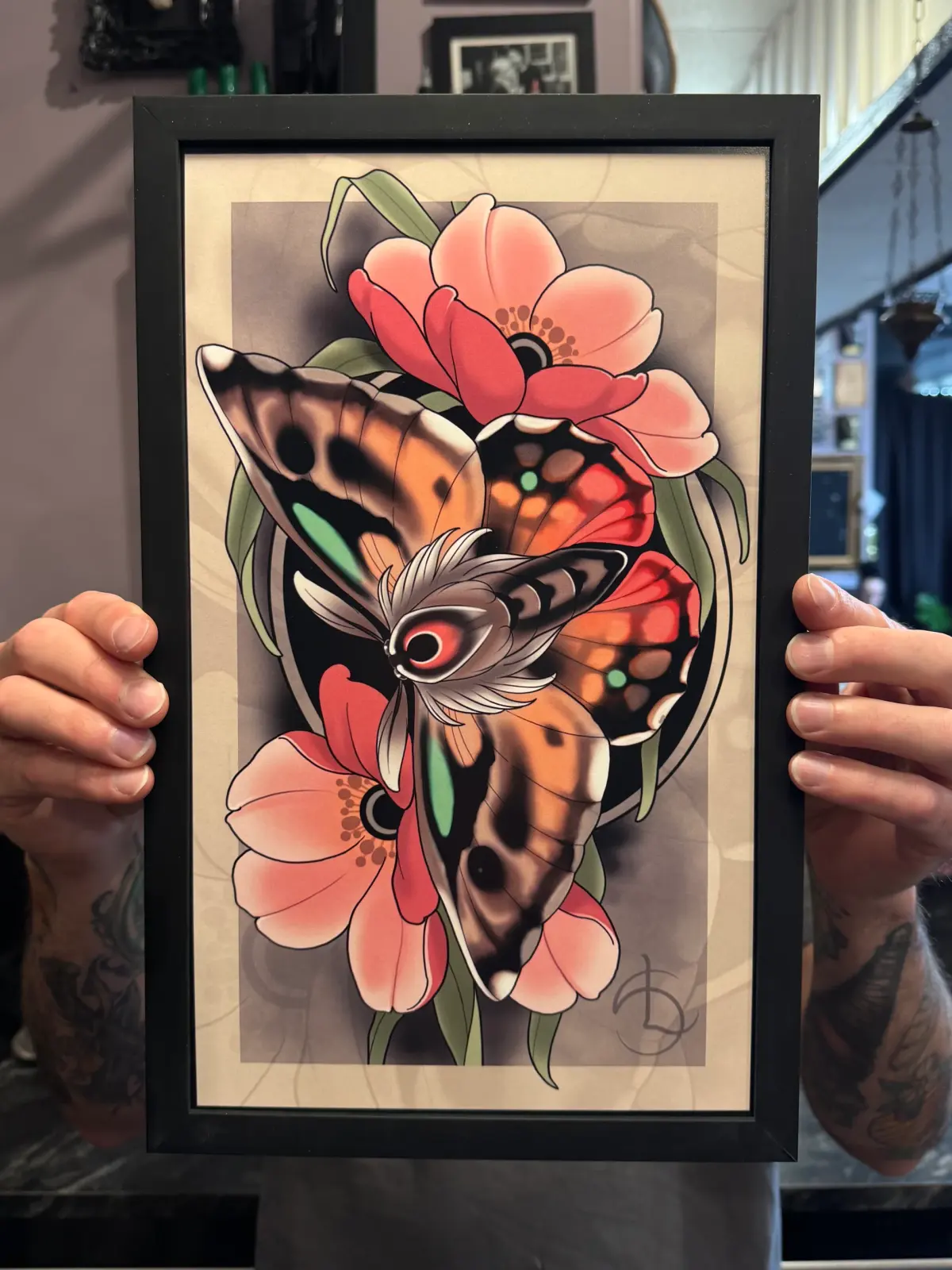
Neo-traditional tattooing emerged in the late 20th century as artists sought to expand upon the rigid constraints of "Old School" or American Traditional tattooing. While traditional tattoos rely on a limited palette of primary colors and heavy, uniform black outlines, neo-traditional work introduces a sophisticated range of hues and gradients. This style allows for more intricate shading and a painterly quality that creates a sense of realism without abandoning the bold, graphic foundation required for a tattoo to age well.
The subject matter in neo-traditional art is vast, often drawing inspiration from Art Nouveau, Victorian aesthetics, and natural history illustrations. Artists frequently focus on highly detailed renderings of animals, flowers, and human figures adorned with ornate jewelry or decorative frames. By blending these classical artistic influences with modern tattooing techniques, the style achieves a balance between timeless structure and contemporary decorative complexity. It remains one of the most popular styles due to its high readability and aesthetic versatility.
How to identify a neo-traditional tattoo
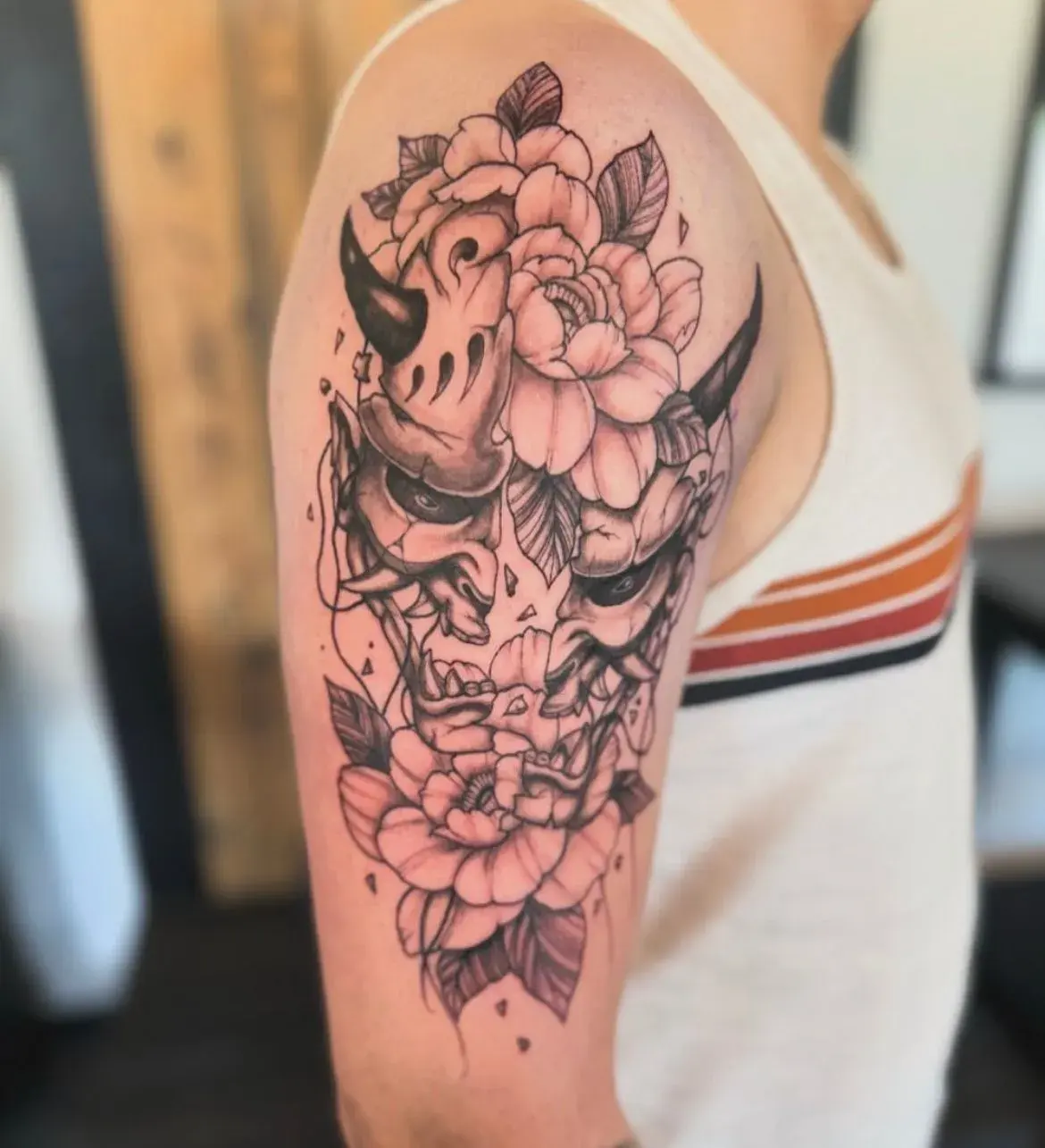
Identifying this style requires looking for specific technical elements that distinguish it from other genres like Neo-Japanese or Illustrative Blackwork. The most prominent feature is the use of varied line weights; artists use thick lines to establish the primary composition and thinner, delicate lines to define internal textures like petals, fur, or facial features. This hierarchy of lines ensures the tattoo remains legible from a distance while providing enough detail to be appreciated up close.
Beyond lines, the color application is a defining hallmark of the genre. Unlike the flat, solid color blocks seen in traditional tattoos, neo-traditional pieces utilize smooth color transitions and subtle highlights. These elements create a three-dimensional effect that makes the subject appear to lift off the skin. To spot a genuine neo-traditional piece, look for these specific visual characteristics:
- A clear, bold outline that frames the entire design.
- A rich, saturated color palette that often includes muted tones, jewel tones, or soft pastels.
- Decorative elements such as filigree, geometric patterns, or ornate borders surrounding the central subject.
- A high level of illustrative detail that mimics the appearance of a high-quality print or painting.
How to prepare for a neo-traditional session
Preparing for a neo-traditional tattoo involves choosing an artist who specializes in the style, as the technical requirements for smooth gradients and precise line work are significant. Many artists have specific portfolios showcasing their ability to execute these complex designs. Once you have selected an artist, you should provide reference images that capture the mood and subject matter you desire, while allowing the artist the creative freedom to adapt the design to your anatomy.
Follow these steps to ensure a successful session:
- Research portfolios specifically for "neo-traditional" tags to ensure the artist understands the specific shading techniques required.
- Schedule a consultation to discuss placement, as the intricate detail of this style often requires larger surface areas to prevent the design from blurring over time.
- Hydrate your skin and avoid alcohol for 48 hours prior to your appointment to ensure your skin is in the best possible condition for ink absorption.
- Eat a substantial meal before your session to maintain your blood sugar levels and help your body manage the physical stress of the tattooing process.
Why neo-traditional tattoos age well
A common concern with highly detailed tattoos is how they will look after several years. Neo-traditional tattoos are specifically engineered to endure the aging process better than many other illustrative styles. Because the style mandates a solid, bold outline, the design maintains its structural integrity even as the ink settles into the dermis over time. This "skeleton" of the tattoo prevents the image from losing its shape or becoming an unrecognizable blob as skin cells naturally regenerate.
Furthermore, the use of high-contrast shading ensures that the tattoo retains its depth as the colors eventually soften. Artists who specialize in this style understand how to pack pigment effectively, which minimizes the amount of fading that occurs during the initial healing phase. By combining the durability of traditional tattooing with the artistic freedom of modern illustration, neo-traditional tattoos offer a long-term aesthetic value that few other styles can match, provided the wearer practices proper sun protection and skincare.
Common mistakes when getting neo-traditional tattoos
The most frequent error individuals make is choosing a design that is too small for the amount of detail requested. Because neo-traditional tattoos rely on intricate line work and shading, shrinking a complex design into a small area often results in the lines bleeding together as the tattoo ages. To avoid this, listen to your artist’s advice regarding sizing; if they suggest a larger placement, it is usually to preserve the clarity and longevity of the fine details.
Another mistake is neglecting the aftercare process during the first two weeks. Because these tattoos often involve heavy color saturation and complex shading, the skin requires careful attention to prevent scabbing and color loss. Avoid these common pitfalls to keep your tattoo looking its best:
- Over-moisturizing the area, which can lead to clogged pores and ink fallout.
- Picking at scabs, which can pull pigment out of the skin and create patchy spots.
- Exposing the fresh tattoo to direct sunlight, which causes the vibrant colors to fade prematurely.
- Using harsh soaps or scented lotions that can irritate the sensitive, healing skin.
Key facts
- Neo-traditional tattoos evolved in the 1990s as a modern evolution of the classic American traditional style.
- The style features a broader color palette than traditional tattoos, moving beyond the standard primary colors.
- Artists use varied line weights, combining thick outlines with fine-line detailing to create depth and dimension.
- Common subject matter includes highly detailed portraits of animals, flowers, and human figures, often adorned with ornate jewelry or filigree.
- Unlike traditional tattoos, neo-traditional work incorporates illustrative techniques like shading, gradients, and realistic textures.
- To maintain the tattoo's longevity, ensure your artist uses high-contrast colors, as overly muted tones can fade significantly over time.
The bottom line
Neo-traditional tattooing represents a sophisticated bridge between historical roots and modern artistic expression. By blending the bold, enduring outlines of traditional tattoos with illustrative depth, complex color palettes, and intricate detailing, this style allows for highly personalized and visually striking body art. When choosing this style, prioritize an artist with a strong portfolio to ensure your design remains a vibrant, readable masterpiece for decades.
People also ask
How does neo-traditional differ from traditional tattoos?
Traditional tattoos, or "old school," use a limited color palette and uniform, bold black lines. Neo-traditional expands on this by using diverse color gradients, varied line thicknesses, and more complex, illustrative compositions.
Is neo-traditional tattooing more painful than other styles?
The pain level is generally similar to other styles, though the increased detail and shading can require longer sessions. Because these pieces are often larger and more intricate, they may feel more intense due to the duration of the work.
What should I look for when choosing a neo-traditional artist?
Look for a portfolio that demonstrates consistent, clean lines and smooth color transitions. Ensure the artist has experience with the specific subject matter you want, as the style requires a strong grasp of illustrative design.
Do neo-traditional tattoos age well?
Yes, if designed correctly with bold outlines and high-contrast shading. The strong black linework acts as a foundation that keeps the design legible even as the colors soften over the years.
What is the best placement for a neo-traditional piece?
These tattoos often feature intricate details that benefit from larger surface areas. Arms, legs, and backs are ideal locations because they provide the canvas necessary to showcase the depth and complexity of the artwork.
How much do neo-traditional tattoos typically cost?
Prices vary based on the artist’s experience, the size of the piece, and the level of detail. Because these tattoos are often custom-designed and time-intensive, they are usually priced by the hour or by the full session.
This answer was created with the help of AI research tools and reference sources. Spotted an error? Let us know — we correct mistakes quickly. See our editorial policy.