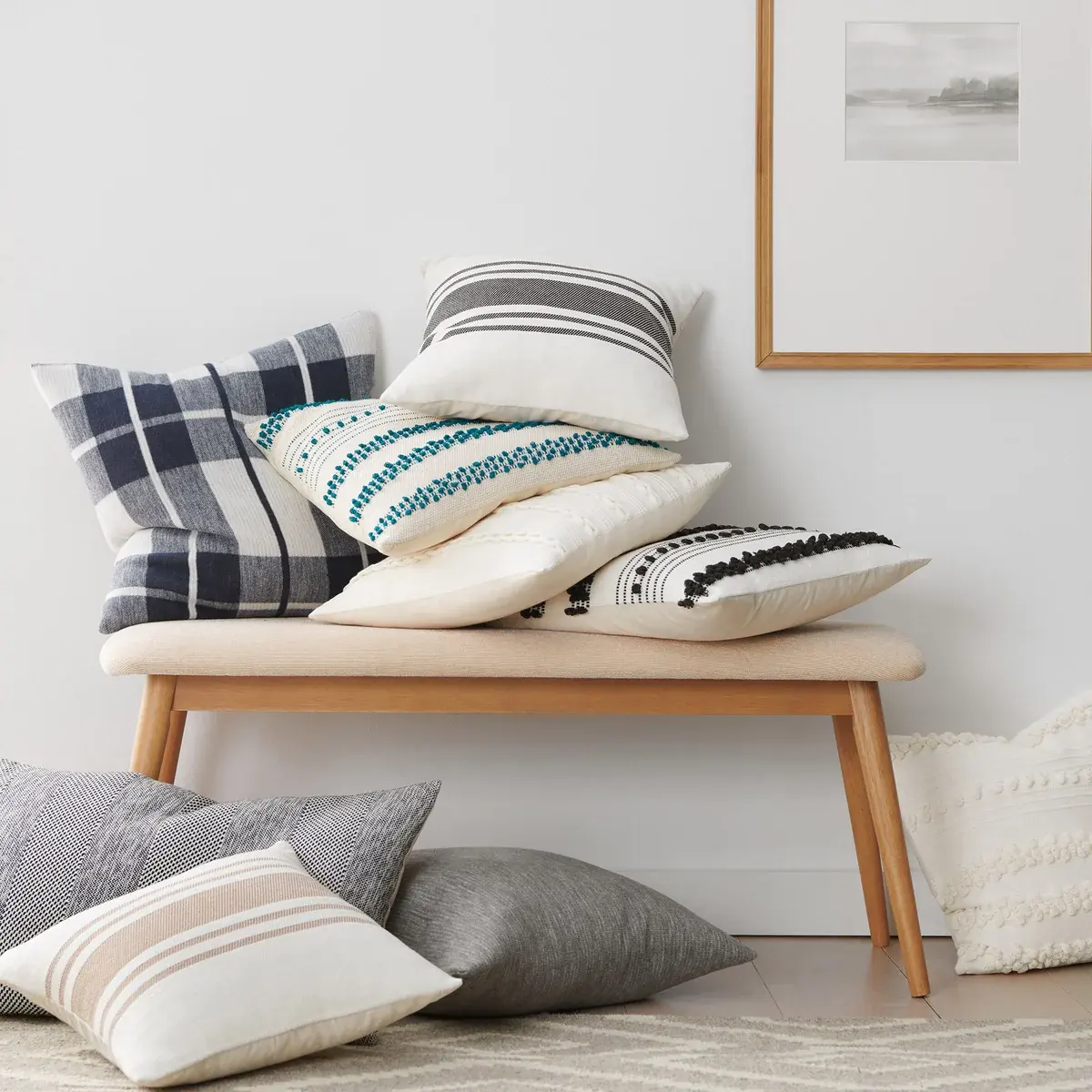
What is a mat in framing?
Short answer
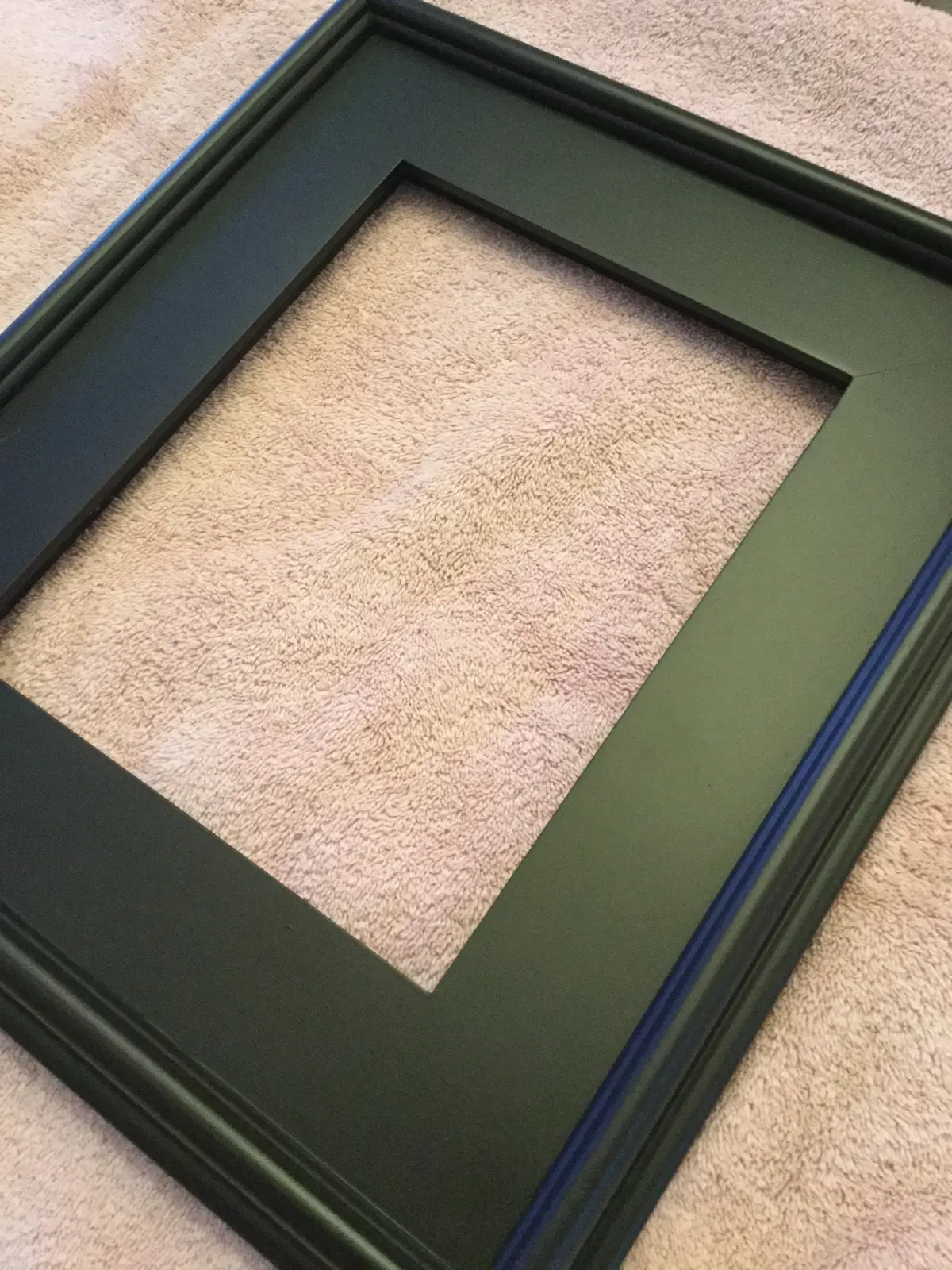
A mat is a decorative, protective border made of heavy, acid-free paperboard placed between a piece of artwork and the frame's glass. It physically separates the art from the glazing to prevent moisture damage and sticking, while visually drawing the viewer’s eye toward the focal point of the displayed image.
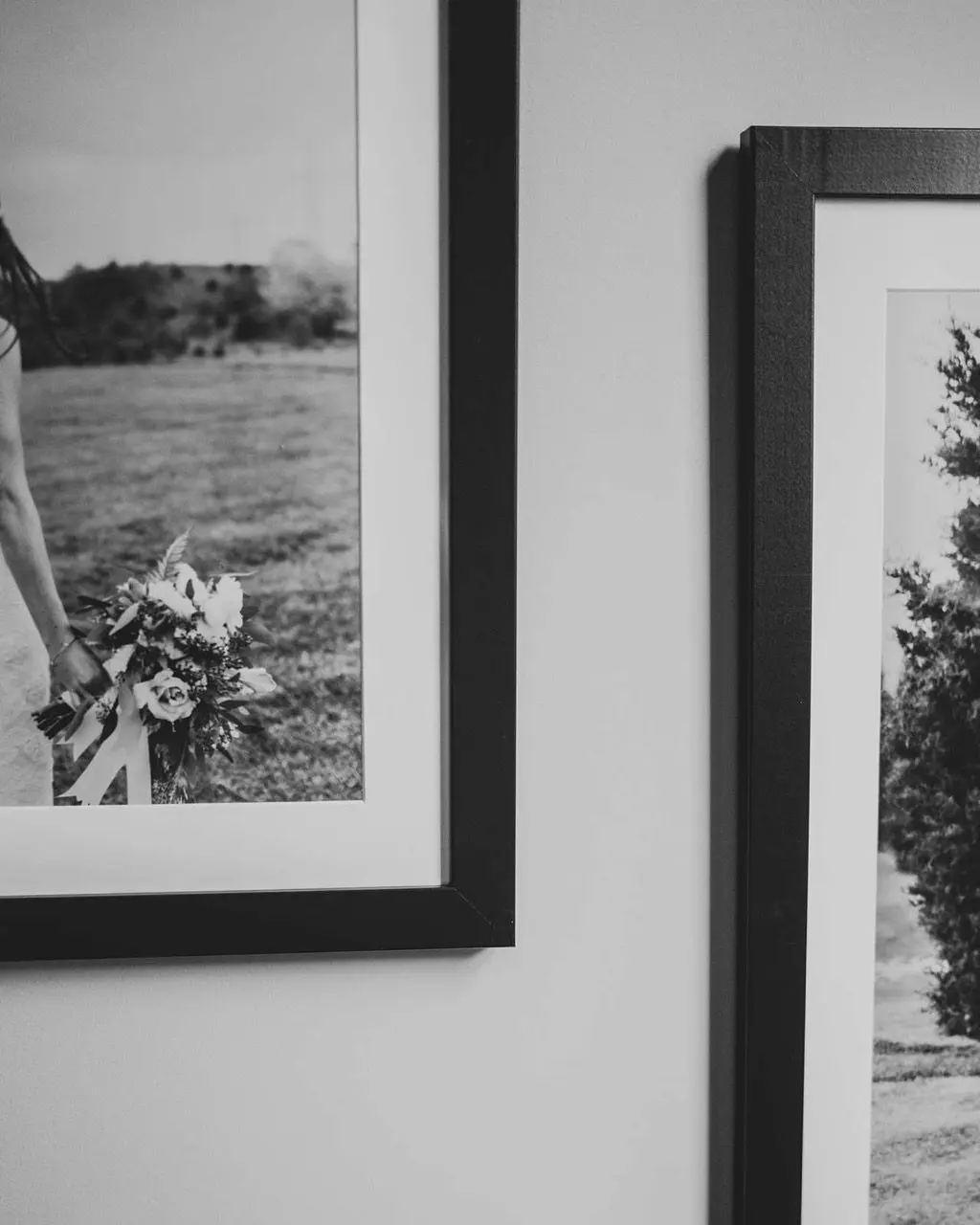
On this page
What is a mat used for in framing?
The primary purpose of a mat is to provide a physical buffer between the artwork and the glass. Without this gap, moisture can condense on the inside of the glass, leading to mold growth or causing the artwork to adhere permanently to the glazing. By creating a small air space, the mat ensures that delicate surfaces like pencil drawings, watercolors, or photographs remain pristine over time.
Beyond preservation, mats serve a vital aesthetic function by acting as a visual transition between the art and the frame. They prevent the artwork from appearing crowded or overwhelmed by the molding. A well-proportioned mat provides "breathing room," allowing the viewer to focus on the details of the piece without distraction. Professional framers often use a technique called "floating" or "window matting" to enhance the presentation of high-quality prints and original works.
How to choose the right mat board
Choosing a mat board requires balancing visual appeal with archival safety. You should look for "acid-free" or "museum-grade" materials to ensure the board does not yellow or degrade the artwork over time. Standard paper mats contain lignin, which can release acids that damage paper fibers, while cotton rag or alpha-cellulose boards offer superior longevity for valuable items.
When selecting colors, consider the dominant tones within the artwork rather than the surrounding decor. A neutral mat, such as cream, off-white, or soft gray, is the safest choice for most pieces. If you want to add a decorative touch, consider these options:
- Single mat: A standard border that provides a clean, professional look.
- Double mat: Adds depth by layering a thin accent color inside the primary mat.
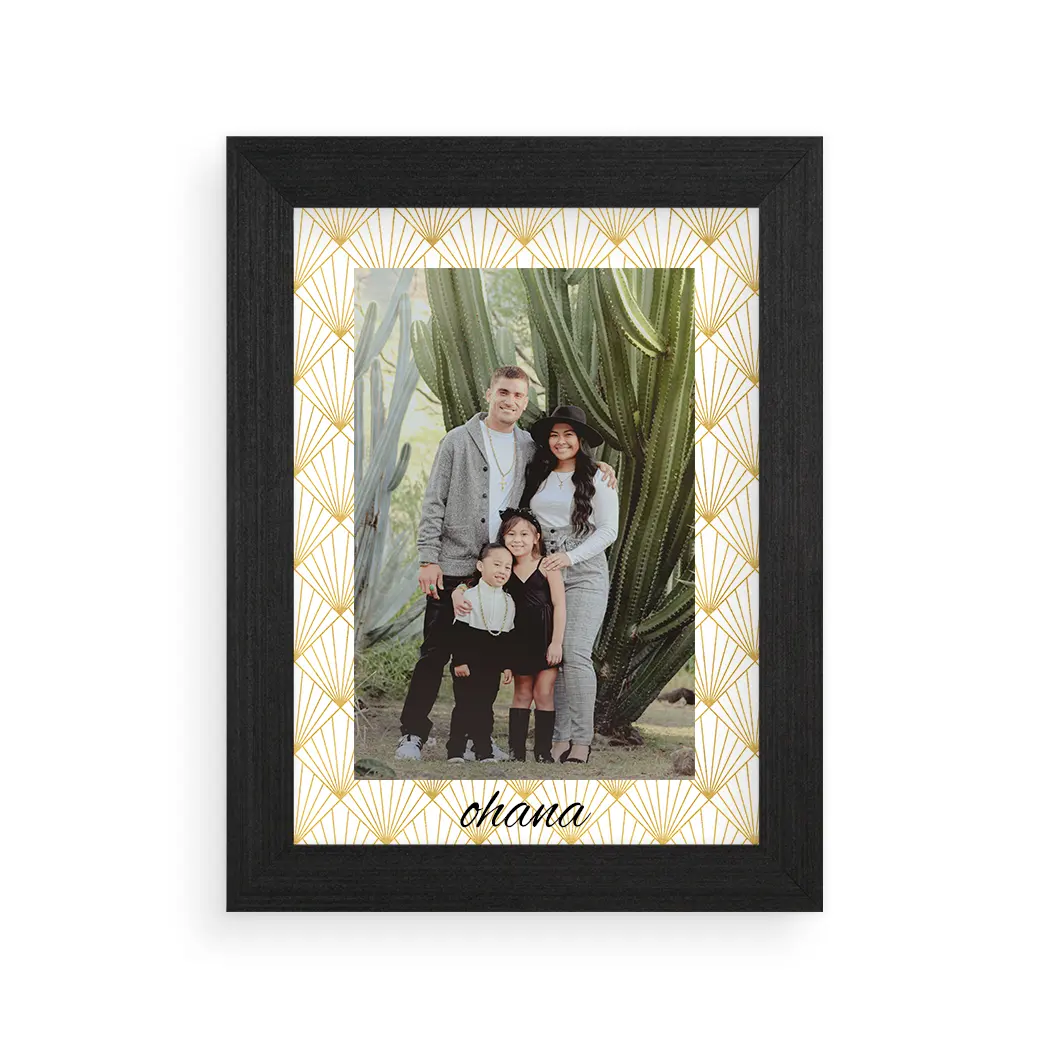
- V-groove: A decorative line cut into the surface of the mat to add texture.
- Beveled edge: The angled cut of the mat window, which highlights the thickness of the board.
How to measure for a custom mat
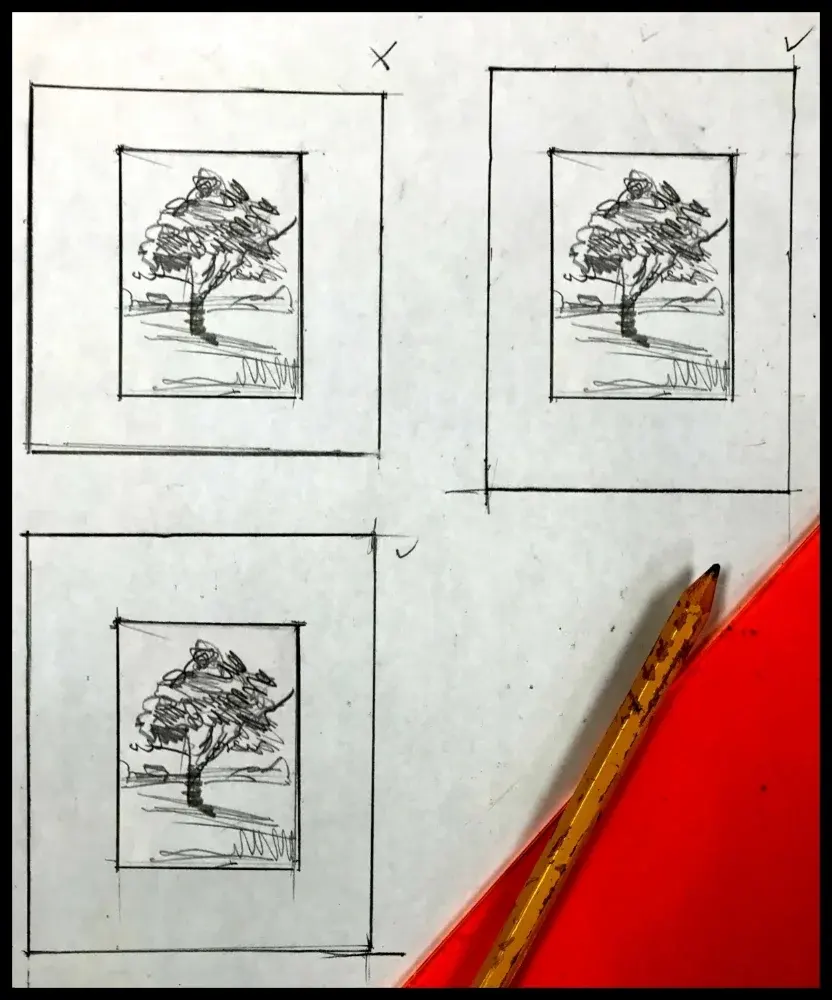
Accurate measurement is the most critical step in creating a professional-looking frame. You must first measure the visible area of the artwork, known as the "sight size," and then determine the desired width of the mat border. A common rule of thumb is to make the mat border at least two to three inches wide to provide sufficient visual weight for the piece.
Follow these steps to calculate your dimensions:
- Measure the height and width of your artwork exactly.
- Subtract 1/8 to 1/4 inch from your artwork dimensions to determine the window opening; this ensures the mat overlaps the art slightly so the edges are hidden.
- Decide on your border width (e.g., 3 inches) and add that width twice to both the height and width of the window opening.
- Add an extra 1/4 inch to the total outer dimensions to ensure the mat fits comfortably inside the frame rabbet.
Common mistakes when mounting art
One of the most frequent errors is using permanent adhesives like standard tape or glue to attach art to the mat. These materials are often acidic and irreversible, which can permanently ruin the value of a print or painting. Always use archival-safe mounting corners or Japanese paper hinges with wheat starch paste, which can be removed safely by a professional conservator in the future.
Another mistake is failing to account for the thickness of the artwork when choosing the frame depth. If the art is mounted on a thick board, it may press against the glass if the frame is too shallow, negating the purpose of the mat. Furthermore, avoid placing photographs directly against glass, as the emulsion can fuse to the surface in humid conditions. Always ensure there is a clear, dry air gap provided by the mat’s thickness to prevent long-term environmental damage.
Why professional framing uses matting
Professional framers utilize matting to elevate the perceived value of an object. By carefully selecting the depth and color of the board, a framer can manipulate the viewer’s perception of the art’s size and importance. This process is essential for gallery displays, where consistency in matting styles often helps unify a collection of disparate works.
In addition to visual benefits, professional mats are often cut using specialized computerized machines that ensure perfect 45-degree bevels. These clean, sharp edges are difficult to replicate with hand-held cutters, especially when working with thick, multi-layered mat boards. Whether you are framing a family heirloom or a contemporary photograph, the inclusion of a high-quality mat is the single most effective way to protect your investment while ensuring it looks polished and intentional in any room. By following these industry standards, you ensure that your artwork remains preserved and visually striking for many years to come.
Key facts
- A mat is a thick, decorative cardboard border placed between the artwork and the glass of a picture frame.
- Its primary function is to prevent the artwork from touching the glass, which stops moisture buildup and mold growth.
- Mats are made of "archival" or "museum-grade" board, which is acid-free to prevent the artwork from yellowing or deteriorating over time.
- The standard width for a mat border is typically between 2 and 4 inches, depending on the size of the piece and the aesthetic preference.
- A "beveled edge" is the angled cut on the inner window of the mat, which adds depth and draws the eye toward the center of the image.
- A common mistake is using non-archival materials, which release acidic gases that can permanently stain or damage paper-based art.
The bottom line
A mat is an essential component in professional framing, serving both aesthetic and protective roles. By creating a physical barrier between the artwork and the glass, it prevents damage from condensation while adding visual depth through its beveled window. Choosing archival-quality materials is crucial for long-term preservation, ensuring your artwork remains vibrant and free from the acidic degradation commonly caused by inferior, non-conservation-grade framing supplies.
People also ask
What is the difference between a single and double mat?
A single mat uses one layer of board, while a double mat adds a second, thinner layer underneath to create a colorful accent border. Double mats provide extra depth and a more professional, layered appearance to the framing.
How do I choose the right color for a mat?
Neutral colors like white, cream, or soft gray are standard because they do not distract from the artwork. If you choose a colored mat, ensure it complements a secondary tone in the piece rather than clashing with the primary subject.
What is a "float mount" and does it use a mat?
A float mount places the artwork on top of a backing board so the edges are visible, rather than hidden behind a mat window. While it does not use a traditional window mat, it often uses a "spacer" to keep the art away from the glass.
Can I cut my own mats at home?
Yes, you can cut mats using a dedicated mat cutter, a sharp blade, and a straight edge. However, achieving a clean, 45-degree beveled edge requires practice and high-quality blades to avoid frayed or jagged corners.
How does a mat protect a photograph?
A mat creates a physical air gap between the photograph and the glass, preventing the emulsion from sticking to the surface. This airflow also helps regulate humidity levels, which is critical for preserving delicate photographic prints.
What is a "rag mat" compared to a standard paper mat?
Rag mats are made from 100% cotton fibers, making them the most stable and archival option available. Standard paper mats are wood-pulp based and may contain acidic components that degrade the artwork over several years.
This answer was created with the help of AI research tools and reference sources. Spotted an error? Let us know — we correct mistakes quickly. See our editorial policy.