Do tattoos fade over time?
Short answer
Yes, tattoos fade over time as the body naturally breaks down ink pigments. While professional tattoos are designed to remain permanent, factors like sun exposure, skin cell turnover, and ink quality cause them to lose vibrancy, blur, or lighten. Proper aftercare and consistent sun protection significantly delay this natural aging process.
On this page
Why do tattoos fade over time?
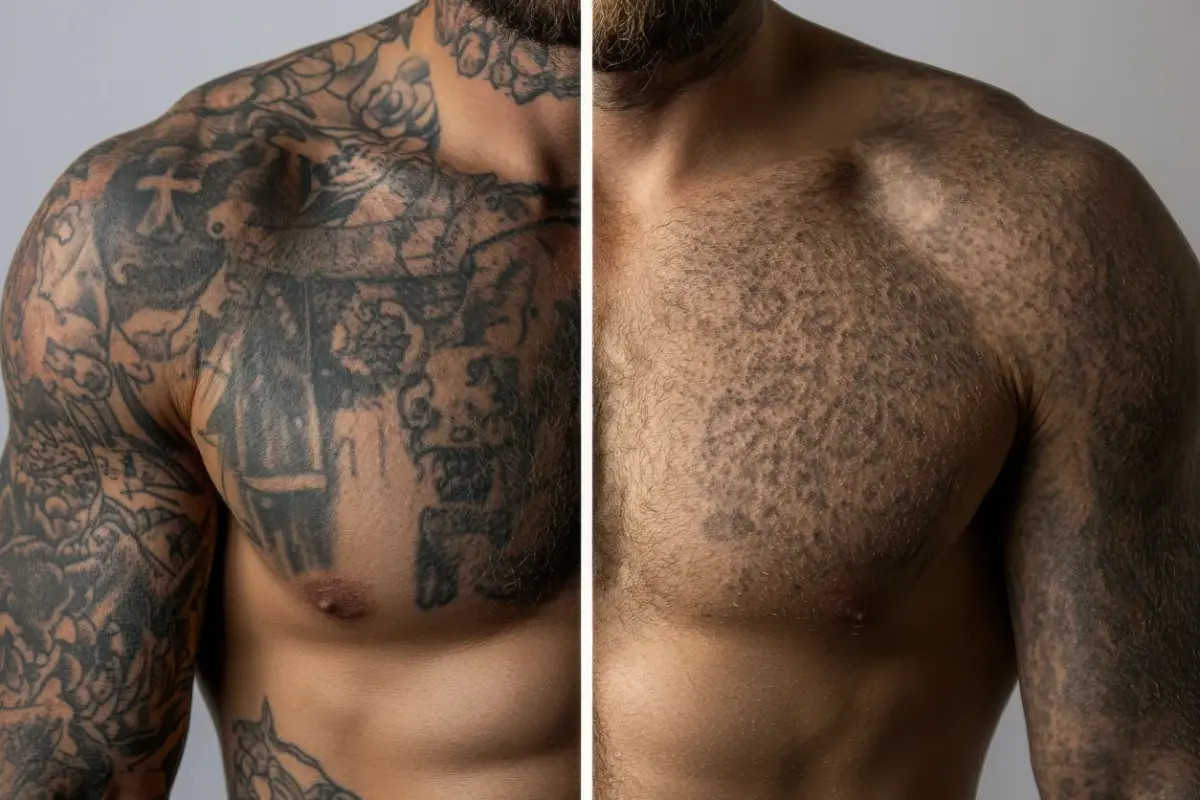
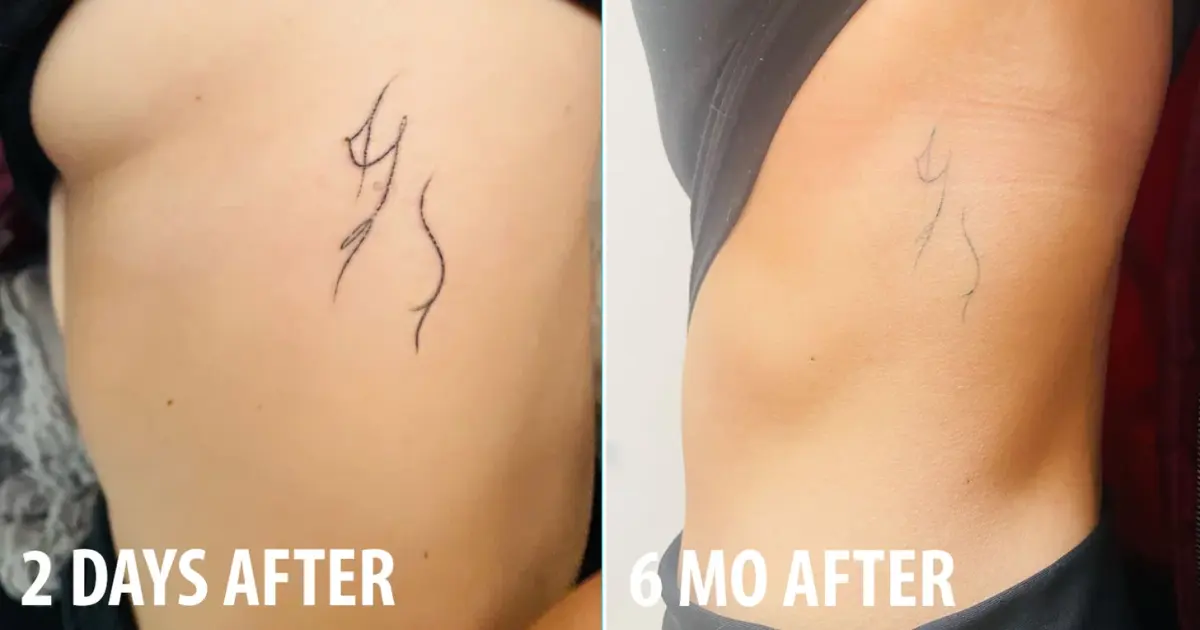
Tattoos fade primarily because the body views tattoo ink as a foreign substance. Shortly after a tattoo is applied, the immune system sends white blood cells called macrophages to the area to consume the ink particles. While the majority of the pigment remains trapped in the dermis, the body successfully removes smaller particles over several years, leading to a gradual lightening of the design.
Environmental factors also play a major role in the degradation of tattoo ink. Ultraviolet (UV) radiation from the sun is the most significant culprit, as it breaks down the chemical bonds of the pigments. Once the ink molecules are fragmented by light, they become easier for the body to flush away. Additionally, natural skin cell turnover constantly sheds the upper layers of the epidermis, which can make the ink appear less sharp or crisp as the years pass.
How long does it take for a tattoo to fade?
The timeline for fading varies wildly depending on the location, color, and lifestyle of the individual. A high-quality tattoo performed by a professional may look vibrant for a decade or more, while poor-quality ink or improper aftercare can lead to noticeable fading within just a few years. Tattoos on areas with high friction, such as the hands or feet, typically show signs of wear much faster than those on the torso or back.
Several factors influence the speed of this process:
- Pigment quality: Professional-grade inks are formulated to resist UV breakdown better than cheaper alternatives.
- Skin tone: Lighter skin tones often show more contrast with ink, while darker skin tones may experience a different visual shift as the ink settles deeper into the dermis.
- Placement: Areas that rub against clothing or experience frequent movement lose clarity faster.
- Sun exposure: Consistent, unprotected exposure to direct sunlight accelerates the fading process by years.
How to prevent tattoos from fading?
Protecting your skin from the sun is the single most effective way to maintain the longevity of your body art. Whenever your tattoo is exposed to direct light, you should apply a broad-spectrum sunscreen with an SPF of 30 or higher. This creates a physical or chemical barrier that prevents UV rays from penetrating the skin and breaking down the pigment particles.
Beyond sun protection, keeping the skin hydrated is essential for maintaining the visual clarity of the ink. Well-moisturized skin keeps the surface smooth, which allows the tattoo to appear crisp and vibrant. You should avoid harsh chemical exfoliants directly on the tattooed area, as these can strip away the top layers of skin and potentially irritate the underlying dermis. If you notice your tattoo looking dull, a gentle, fragrance-free lotion can help restore its natural sheen without causing damage.
Common mistakes when caring for tattoos
Many people inadvertently damage their tattoos during the initial healing phase, which sets the stage for premature fading later on. One of the most common errors is over-moisturizing the area, which can lead to clogged pores or even infection. Another frequent mistake is picking at scabs or peeling skin while the tattoo heals. This behavior can pull ink out of the skin, leading to patchy spots and blurred lines that cannot be repaired without a touch-up.
To ensure your tattoo ages gracefully, follow these guidelines:
- Avoid submerging the tattoo in pools, hot tubs, or oceans for at least three weeks after the session.
- Refrain from wearing tight or abrasive clothing over the fresh tattoo, as this can cause friction and scarring.
- Never use tanning beds, as the concentrated UV light is significantly more damaging to tattoo pigment than natural sunlight.
- Do not apply heavy, oil-based ointments for too long, as they can suffocate the skin and trap bacteria.
Can you fix a faded tattoo?
If your tattoo has lost its luster, you do not necessarily have to live with it permanently. Tattoo artists offer "touch-ups," which involve going over the original lines and shading with fresh ink to restore the design’s intensity. This process can sharpen blurry edges, fill in faded spots, and brighten colors that have shifted over time. However, it is important to consult with a reputable artist who can assess whether the skin is healthy enough to handle additional ink.
If a touch-up is not enough to restore the look you want, you might consider a cover-up. This involves incorporating the old, faded tattoo into a new, larger design that hides the previous work entirely. While this requires a more skilled artist, it is a common solution for tattoos that have aged poorly or no longer fit the wearer's aesthetic. Regardless of the choice, maintaining a healthy lifestyle, staying hydrated, and avoiding excessive sun exposure remain the best ways to keep your ink looking sharp for the rest of your life.
Key facts
- Tattoos fade because the body’s immune system constantly works to break down and remove the foreign pigment particles in the dermis.
- Ultraviolet (UV) radiation from the sun is the primary environmental factor that accelerates ink breakdown and causes colors to lose vibrancy.
- Black ink is generally more resistant to fading than lighter colors like yellow, light blue, or white, which have smaller pigment molecules.
- Skin cell turnover naturally pushes older ink toward the surface, causing the design to soften or blur over the course of several years.
- Areas with high friction, such as the feet, hands, or fingers, will fade significantly faster than areas protected by clothing.
- Proper aftercare, including consistent use of high-SPF sunscreen, can extend the life and sharpness of a tattoo by decades.
The bottom line
Tattoos are not permanent in the absolute sense; they are subject to natural biological and environmental degradation over time. While the body slowly breaks down pigment, sun exposure remains the biggest threat to your ink's longevity. By prioritizing sun protection, keeping your skin hydrated, and choosing high-quality artists, you can significantly slow the fading process and keep your body art looking sharp for many years.
People also ask
Does the quality of the tattoo ink affect how quickly it fades?
Yes, high-quality, professional-grade pigments contain larger, more stable particles that resist the body's natural filtering process better than cheaper alternatives. Low-quality inks are often more susceptible to chemical breakdown when exposed to sunlight.
Can I get a faded tattoo touched up to look like new?
Most professional artists can refresh a faded tattoo by re-tracing lines and re-saturating colors to restore its original appearance. It is best to wait until the original tattoo has fully settled before seeking a touch-up.
Do tattoos on darker skin tones fade differently?
Tattoos on darker skin tones do not necessarily fade faster, but the contrast between the ink and the skin may decrease over time. Choosing bold, dark colors often helps maintain visibility and clarity as the skin ages.
How long should I wait after getting a tattoo before applying sunscreen?
You must wait until the tattoo is completely healed, which typically takes four to six weeks, before applying any sunscreen. During the initial healing phase, keep the area clean and protected from direct sunlight with loose clothing.
Does losing or gaining significant weight cause a tattoo to fade?
Rapid weight fluctuations can stretch or compress the skin, which may cause the ink to appear distorted or slightly blurred. While this is not the same as chemical fading, it can negatively impact the overall aesthetic of the design.
Are there specific moisturizers that prevent tattoo fading?
While no moisturizer can stop the biological fading process, using fragrance-free, hydrating lotions helps maintain skin elasticity. Healthy, well-moisturized skin keeps the surface layer clear, which allows the ink underneath to remain as visible as possible.
This answer was created with the help of AI research tools and reference sources. Spotted an error? Let us know — we correct mistakes quickly. See our editorial policy.