What does a lotus tattoo mean?
Short answer
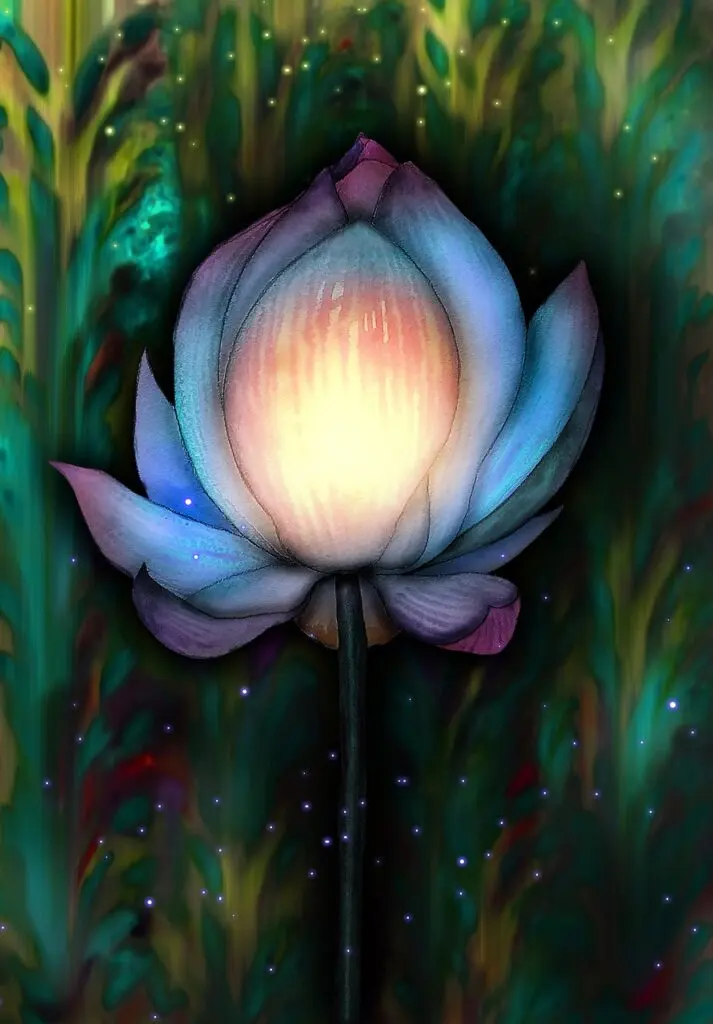
The lotus tattoo symbolizes purity, spiritual awakening, and resilience. Because the flower grows from muddy waters to bloom beautifully, it represents the human journey toward enlightenment and overcoming adversity. Across various cultures, it serves as a powerful emblem of rebirth, inner peace, and the ability to remain untainted by worldly challenges.
On this page
What does a lotus tattoo symbolize in different cultures?
In Eastern traditions, particularly within Buddhism and Hinduism, the lotus is a sacred symbol of divine beauty and spiritual growth. The flower’s life cycle is often compared to the human soul, which must rise through the "mud" of worldly suffering to achieve enlightenment. Because the lotus petals open at dawn and close at night, it is frequently associated with rebirth and the cyclical nature of existence.
In ancient Egyptian culture, the lotus, specifically the blue water lily, represented the sun and creation. It was believed that the world emerged from a lotus blossom, linking the flower to the concept of life force and cosmic order. Today, people choose this design to honor these historical roots or to signify their own personal transformation. Whether depicted in traditional mandala styles or minimalist line art, the lotus remains a universal icon of transcendence and grace.
How to choose the right lotus tattoo design?
Selecting a design involves considering both the aesthetic style and the specific symbolic meaning you wish to convey. The color of the lotus is a primary factor, as each hue carries a distinct cultural significance. For instance, a white lotus typically represents mental purity and spiritual perfection, while a pink lotus is considered the supreme symbol of the divine and the historical Buddha.
When planning your tattoo, consider these common color associations:
- White: Purity, faith, and spiritual enlightenment.
- Pink: The highest level of devotion and the presence of the Buddha.
- Blue: Wisdom, intelligence, and the victory of spirit over the senses.
- Red: Compassion, love, and the original state of the heart.
- Purple: Mysticism, spiritual awakening, and creative energy.
Beyond color, the placement of the tattoo can enhance its meaning. Many people choose to place the lotus on the spine or forearm to emphasize the concept of rising or unfolding, while others prefer smaller, delicate versions on the wrist or ankle for a subtle reminder of inner strength.
Where is the best place to get a lotus tattoo?
The placement of your tattoo should balance your aesthetic goals with practical considerations like pain tolerance and long-term visibility. Larger, more intricate designs, such as those incorporating geometric patterns or watercolor splashes, often require wider areas of skin like the back, thigh, or shoulder blade. These areas provide a flat canvas that allows the artist to capture fine details without distortion.
If you prefer a more discreet or smaller piece, consider these popular locations:
- The inner wrist, which offers a constant view for personal reflection.
- The nape of the neck, providing a delicate and easily concealable spot.
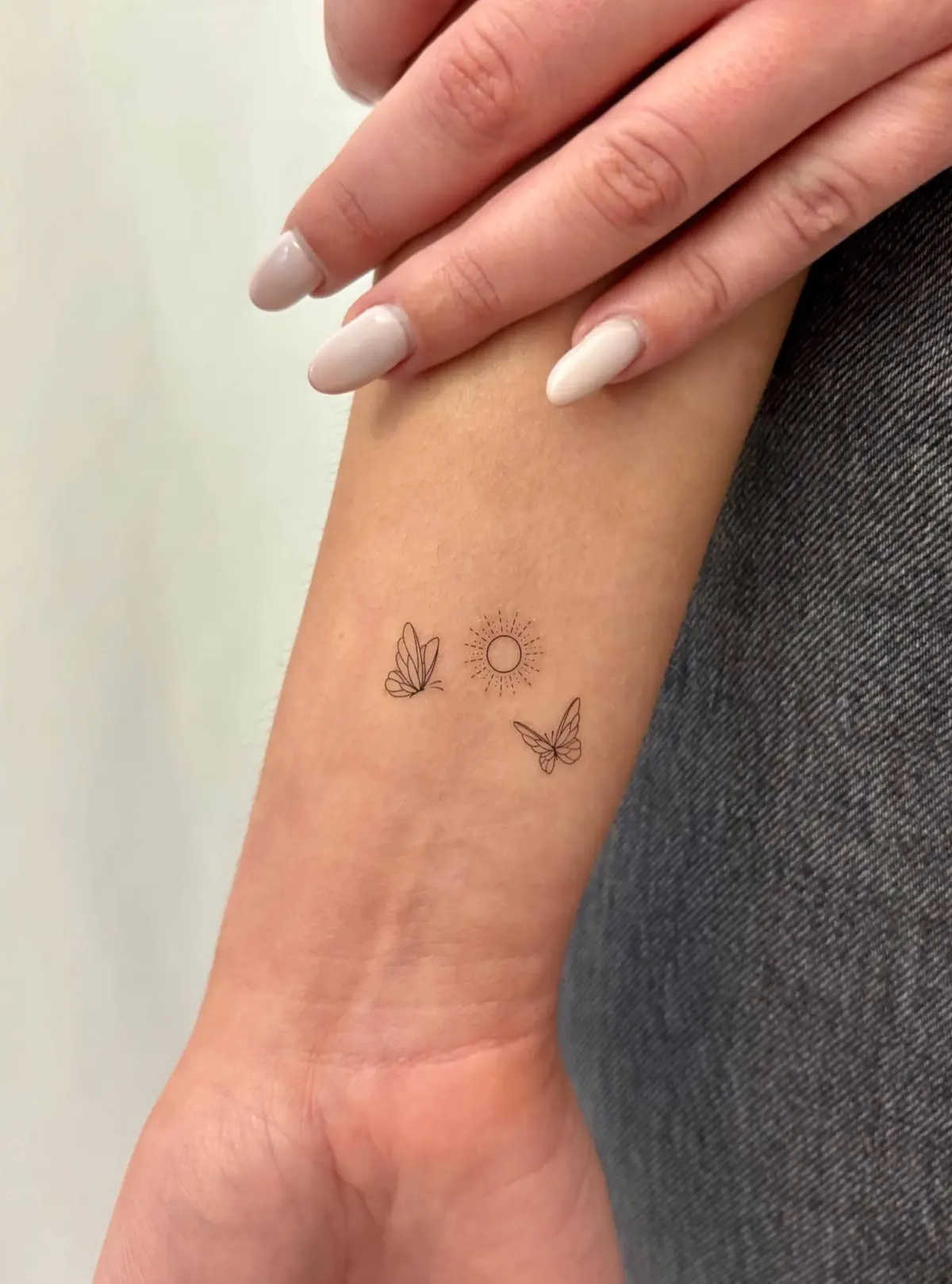
- The ankle, which is a common choice for those who enjoy minimalist or single-line designs.
- The collarbone, which highlights the elegance of the flower’s petals.
Regardless of where you place it, ensure the area is one that you feel comfortable exposing or covering depending on your professional and personal lifestyle requirements. Consult with your artist about how the skin’s natural movement might affect the design over time.
Common mistakes when getting a lotus tattoo
One of the most frequent errors is failing to research the artist’s specific style before booking an appointment. Tattooing is a diverse craft, and an artist who excels at bold, traditional lines may not be the best choice for a delicate, fine-line, or watercolor lotus. Reviewing a portfolio is essential to ensure their previous work aligns with the aesthetic you envision for your permanent art.
Another common mistake involves ignoring the aging process of the ink. Intricate, tiny details can blur over many years, especially in areas with high sun exposure or frequent friction. To avoid this, discuss scale with your artist; they can advise you on how large the design needs to be to ensure the lines remain crisp as your skin changes. Finally, neglecting aftercare instructions is a major oversight. Proper cleaning and moisturizing during the healing phase are critical to maintaining the vibrancy of the colors and the integrity of the line work.
How to prepare for your lotus tattoo session
Preparation is key to a smooth tattooing experience and a successful final result. In the days leading up to your appointment, focus on hydrating your skin and avoiding excessive sun exposure, as sunburned or dry skin is difficult to tattoo. Get a full night of sleep and ensure you have eaten a substantial meal beforehand to maintain your blood sugar levels and help your body manage the physical stress of the session.
Follow these steps to ensure a professional experience:
- Wear loose, comfortable clothing that allows easy access to the area being tattooed.
- Avoid consuming alcohol or blood-thinning medications for 24 hours prior to the appointment.
- Bring a sugary snack or drink to keep your energy up during longer sessions.
- Communicate clearly with your artist about any concerns regarding pain or design adjustments.
By arriving prepared and well-rested, you help your artist focus entirely on the precision of the work, ultimately resulting in a higher-quality piece that honors the deep, symbolic significance of your chosen lotus design.
Key facts
- The lotus flower symbolizes purity, enlightenment, and self-regeneration in various Eastern traditions, particularly Buddhism and Hinduism.
- In tattoo art, the color of the lotus often dictates its specific meaning, such as white for spiritual perfection and pink for the historical Buddha.
- A lotus rising from muddy water represents the human journey of overcoming adversity to achieve personal growth and clarity.
- Geometric or "mandala" style lotus tattoos are popular for their intricate symmetry and association with meditative focus.
- Placement on the spine, chest, or forearm is common to follow the natural flow of the body's anatomy.
- Before getting a tattoo, always research the artist's portfolio for experience with fine-line work or shading to ensure the delicate petals look clean.
The bottom line
The lotus tattoo is a powerful emblem of resilience, representing the ability to flourish despite difficult circumstances. Whether you choose a simple line drawing or a complex, colorful masterpiece, the design serves as a permanent reminder of personal growth and spiritual awakening. By selecting a reputable artist and considering the placement carefully, you ensure this meaningful symbol remains a beautiful and enduring part of your identity.
People also ask
Does the meaning of a lotus tattoo change based on its color?
Yes, colors carry distinct symbolism. A blue lotus often represents wisdom and mastery over the senses, while a red lotus signifies love, passion, and the heart.
Is it considered disrespectful to get a lotus tattoo?
Generally, it is not considered offensive, but it is respectful to avoid placing religious symbols on the feet or lower legs. Researching the cultural context helps ensure your design choice aligns with your personal values.
What is the best placement for a lotus tattoo?
The sternum, inner forearm, and upper back are popular choices because they provide a flat, symmetrical canvas. These areas allow the artist to maintain the flower's circular or radial balance.
Should I choose a realistic or minimalist lotus design?
Realistic designs capture the organic texture and shading of the petals, while minimalist versions use simple lines for a modern aesthetic. Choose based on your personal style and the level of detail you prefer.
Do lotus tattoos fade quickly?
Like all tattoos, they fade over time due to sun exposure and skin cell turnover. Using high-quality ink and protecting the area with sunscreen will help maintain the vibrancy of the design for years.
What is a common mistake when getting a lotus tattoo?
A frequent error is choosing a design that is too small for the level of detail requested. If the lines are packed too closely together, the ink may blur over time as the skin ages.
This answer was created with the help of AI research tools and reference sources. Spotted an error? Let us know — we correct mistakes quickly. See our editorial policy.