What does an owl tattoo mean?
Short answer
Owl tattoos symbolize wisdom, mystery, and transition across various cultures. Often associated with the Greek goddess Athena, the owl represents intelligence and keen observation. In modern tattooing, these designs frequently serve as emblems of protection, spiritual guidance, or a connection to the nocturnal world, reflecting the wearer's appreciation for hidden knowledge.
On this page
What is the history of owl symbolism?
The owl has held a significant place in human mythology for millennia, often serving as a bridge between the physical and spiritual realms. In Ancient Greece, the owl was the sacred companion of Athena, the goddess of wisdom and strategy. Because of this association, the bird became a symbol of higher learning and clear-sightedness, often depicted on Athenian coins as a mark of prestige and intellectual authority.
Conversely, many ancient civilizations viewed the owl with trepidation. In parts of Mesoamerica and ancient Egypt, the nocturnal nature of the bird led to associations with death, the underworld, and the unknown. This duality remains a primary reason people choose owl tattoos today. Whether a person wants to celebrate their academic achievements or acknowledge the darker, mysterious aspects of their personality, the owl provides a versatile canvas for self-expression.
How to choose a design style for an owl tattoo
Selecting the right artistic approach is essential because the owl’s intricate feathers and large eyes require specific techniques to age well. Realism is a popular choice for those who want to capture the lifelike intensity of the bird’s gaze, often utilizing fine lines and heavy shading to create depth. Alternatively, traditional or neo-traditional styles use bold outlines and a vibrant color palette to make the image stand out on the skin.
When planning your design, consider these common aesthetic categories:
- Geometric: Uses sharp lines and mathematical patterns to break the owl into abstract shapes.
- Illustrative: Focuses on a hand-drawn look, often incorporating floral elements or celestial bodies.
- Minimalist: Employs simple, clean lines to capture the essence of the owl without excessive detail.
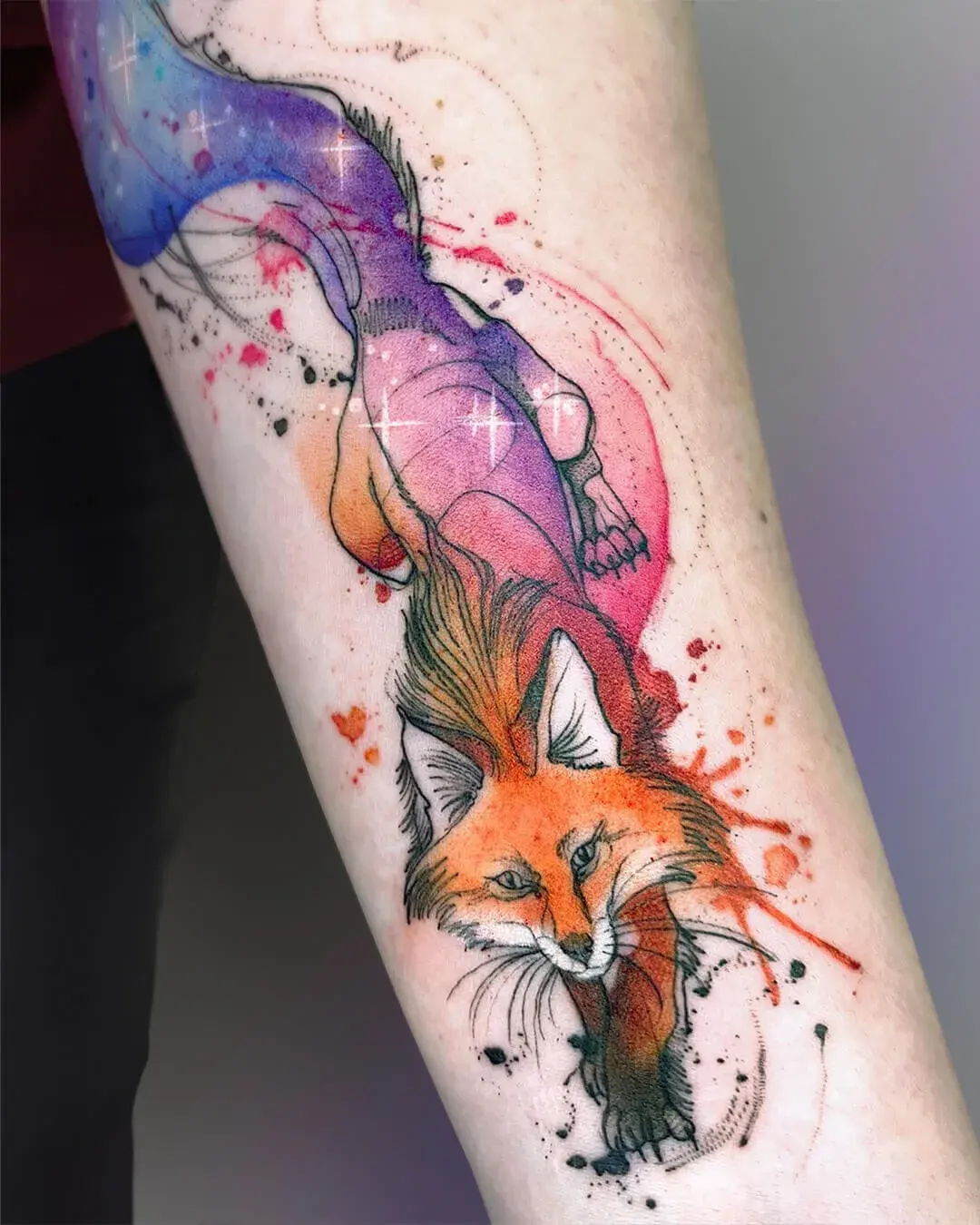
- Watercolor: Blends soft, bleeding colors to create a dreamlike, ethereal appearance.
Where to place an owl tattoo on the body
Placement depends heavily on the size and orientation of the design. Because owls are often depicted with wings spread or perched upright, they require a surface that can accommodate their vertical structure. The forearm, calf, and shoulder blade are the most common locations because they provide enough flat space to prevent distortion of the feathers and facial features.
If you are unsure about placement, consider these factors:
- Visibility: Decide if you want the tattoo to be easily hidden by clothing or displayed prominently.
- Pain levels: Areas with more muscle or fat, such as the outer thigh or shoulder, are generally less painful than bony areas like the ribs or collarbone.
- Anatomy: A vertical owl design looks best on limbs, while a wide-winged owl fits perfectly across the upper back or chest.
- Aging: Areas that experience significant skin stretching, such as the stomach, may cause the fine details of the feathers to blur over time.
Common mistakes when getting an owl tattoo
The most frequent error is failing to account for the level of detail required for a high-quality owl piece. Because owls have complex plumage, an undersized tattoo can become a muddy, unrecognizable blob as the ink settles into the skin over the years. Always consult with an artist who specializes in animal portraits or fine-line work to ensure they have the technical skill to handle the necessary detail.
Another common mistake is neglecting the importance of negative space. A successful owl tattoo relies on the contrast between dark, dense areas and lighter skin tones to define the eyes and feathers. If the design is too crowded with background elements like trees or moons, the owl itself may lose its focal point. Avoid cluttering the piece with too many secondary symbols, and prioritize the clarity of the owl’s expression to ensure the tattoo remains striking for decades.
How to care for your owl tattoo
Proper aftercare is the deciding factor in how well your tattoo retains its definition. During the first two weeks, it is crucial to keep the area clean and hydrated without over-saturating the skin. Most artists recommend washing the tattoo with fragrance-free soap and applying a thin layer of specialized ointment or lotion to promote healing and prevent scabbing.
Follow these steps to ensure the best possible healing results:
- Keep the tattoo out of direct sunlight for at least four weeks to prevent fading.
- Avoid swimming, saunas, or soaking in baths until the skin has completely healed.
- Wear loose-fitting clothing to prevent friction and irritation on the fresh ink.
- Apply high-SPF sunscreen once the tattoo is fully healed to protect the ink from UV damage, which is the leading cause of premature fading in detailed animal tattoos.
Key facts
- Owls are globally recognized symbols of wisdom, intelligence, and mystery due to their nocturnal nature and keen observation skills.
- In ancient Greek mythology, the owl was the companion of Athena, the goddess of strategy and wisdom.
- Many cultures, including some Native American tribes, associate owls with the transition between life and death or the spiritual afterlife.
- Because owls can rotate their heads up to 270 degrees, they are often used in tattoo designs to represent a broad perspective or vigilance.
- Before getting an owl tattoo, research specific species like the Great Horned Owl or Snowy Owl, as different birds carry distinct cultural connotations.
- Avoid placing highly detailed owl tattoos on small areas like fingers or wrists, as the intricate feather patterns can blur over time.
The bottom line
An owl tattoo is a versatile choice that typically symbolizes wisdom, intuition, and a watchful perspective. While the bird is revered for its connection to ancient intellect and mystery, it is essential to consider the artistic style and placement to ensure the design remains clear and impactful. By selecting a skilled artist and choosing meaningful imagery, you can create a permanent piece that reflects your personal values.
People also ask
Do owl tattoos have negative meanings?
In some cultures, owls are viewed as harbingers of bad luck or death. If you are concerned about cultural sensitivity, research the specific folklore of your design to ensure it aligns with your personal intent.
What is the best placement for an owl tattoo?
Large, detailed owl designs work best on flat surfaces like the back, chest, or thigh. These areas provide enough space for the artist to capture the texture of the feathers and the depth of the eyes.
How do I choose the right artistic style for an owl tattoo?
Styles range from hyper-realistic and black-and-grey to neo-traditional or minimalist geometric designs. Look at portfolios of artists specializing in wildlife to see which aesthetic matches your vision.
Are owl eyes significant in tattoo art?
Yes, the eyes are often the focal point, representing clarity, focus, and the ability to see through deception. Artists frequently use high-contrast highlights to make the gaze appear intense and lifelike.
Should I include other elements in my owl tattoo?
Adding elements like books, keys, or moon phases can personalize the meaning of your tattoo. These symbols often emphasize themes of knowledge, unlocking secrets, or the passage of time.
How can I prevent my owl tattoo from fading?
Keep the tattoo out of direct sunlight during the healing process and apply high-SPF sunscreen once it is fully healed. Proper hydration and moisturizing also help maintain the vibrancy of the ink over the years.
This answer was created with the help of AI research tools and reference sources. Spotted an error? Let us know — we correct mistakes quickly. See our editorial policy.