What is the history of animation?
Short answer
Animation is the process of creating the illusion of motion through the rapid display of a sequence of static images. Originating from early optical toys, it evolved through hand-drawn cel techniques to modern digital production. Today, it encompasses diverse styles, including stop-motion, 2D vector art, and complex 3D computer-generated imagery.
On this page
How did animation begin?
The history of animation predates the invention of cinema. Long before film, humans experimented with optical devices designed to create the illusion of movement. In the 19th century, inventions like the phenakistoscope, the zoetrope, and the praxinoscope used spinning disks or drums with sequential drawings to trick the human eye. These devices relied on the persistence of vision, a phenomenon where the brain retains an image for a fraction of a second after it disappears.
By 1906, J. Stuart Blackton produced "Humorous Phases of Funny Faces," often cited as the first animated film on standard motion picture film. Shortly after, in 1914, Winsor McCay released "Gertie the Dinosaur," which introduced a personality-driven character. These early pioneers established the fundamental principles of frame-by-frame manipulation. They proved that static drawings could convey emotion and narrative, setting the stage for the rapid industrialization of the medium during the early 20th century.
How did traditional animation evolve?
The golden age of animation began with the introduction of cel animation, a technique patented by Earl Hurd in 1914. This method involved drawing characters on transparent celluloid sheets, which were then placed over static background paintings. This innovation saved immense amounts of time because artists did not need to redraw the entire scene for every frame. Studios like Disney and Fleischer Studios refined this process, leading to the first feature-length animated film, "Snow White and the Seven Dwarfs," in 1937.
As the industry matured, studios developed standardized workflows to ensure consistency across thousands of frames. The process generally followed these steps:
- Storyboarding the narrative to visualize the flow of scenes.
- Recording the voice acting to dictate timing and lip-syncing.
- Creating keyframes to define the start and end points of movements.
- Filling in the "in-between" frames to smooth out the motion.
- Inking and painting the cels before photographing them onto film.
What are the different types of animation?
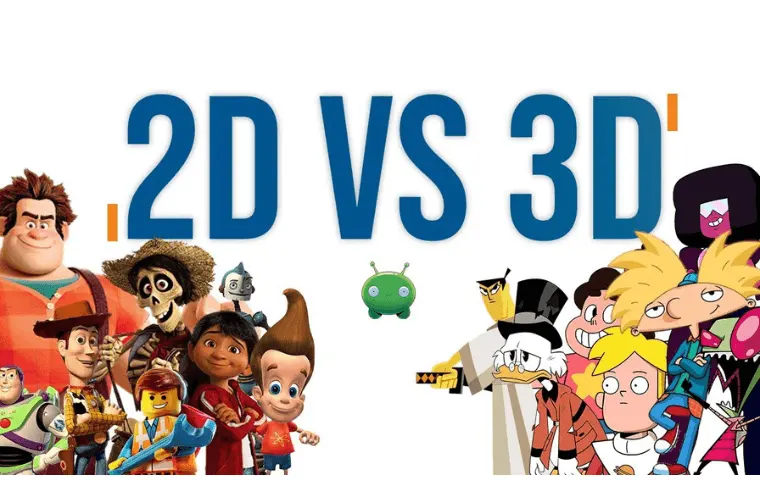
Animation is a broad field categorized by the physical or digital medium used to create movement. While 2D animation dominated the mid-20th century, other forms emerged to provide unique textures and storytelling capabilities. Stop-motion, for instance, involves manipulating physical objects—such as clay figures or puppets—in small increments between photographs. This tactile approach remains popular for its distinct aesthetic and the tangible effort visible in every frame.
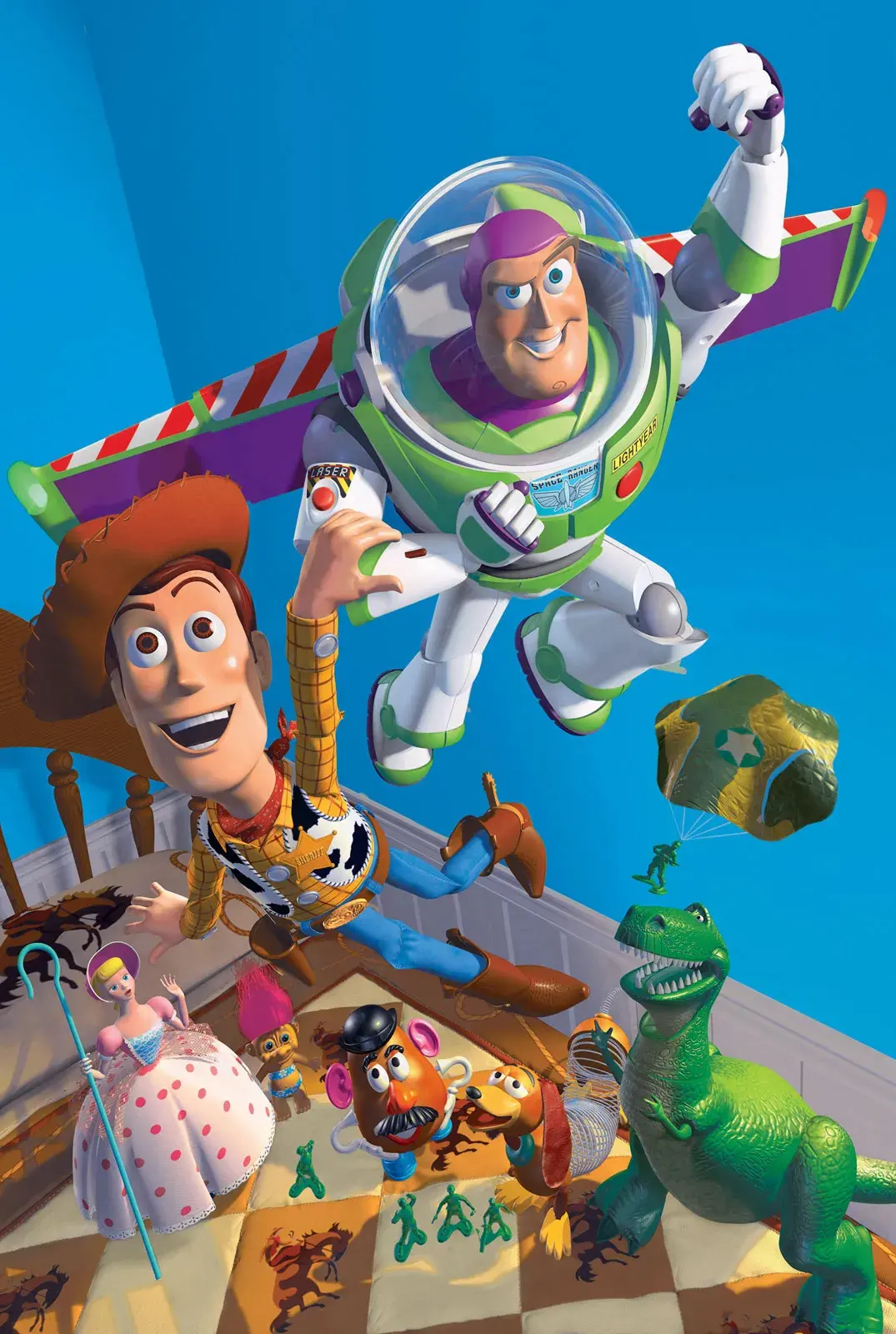
Modern production often relies on 3D computer-generated imagery, which allows for complex camera movements and lighting effects. Below are the primary categories utilized in the industry today:
- Traditional (Cel) Animation: Hand-drawn frames on transparent sheets.
- 2D Vector Animation: Digital manipulation of shapes and paths.
- 3D Animation: Modeling and rigging virtual characters in a 3D space.
- Stop-Motion: Photographing physical models, including claymation and cutout styles.
- Motion Graphics: The animation of text and graphic elements for design purposes.
How do beginners start animating?
Starting an animation project requires a focus on the core principles of motion rather than expensive software. Beginners often make the mistake of trying to animate complex scenes before mastering the basics of timing and spacing. Timing refers to the number of frames used for an action, while spacing determines how far an object moves between those frames. A simple exercise, such as animating a bouncing ball, is the most effective way to understand these concepts.
To begin your first project, follow this practical workflow:
- Choose a simple subject, like a ball or a basic character silhouette.
- Sketch your key poses on paper or a digital tablet.
- Add in-between frames to ensure the motion feels fluid rather than jittery.
- Play back your sequence at a consistent frame rate, typically 12 or 24 frames per second.
- Review the motion to check for "arcs," ensuring that objects move in curved paths rather than straight lines, which look unnatural.
What are common mistakes when animating?
A frequent error for new animators is neglecting the "squash and stretch" principle. This concept dictates that objects should deform slightly during movement to convey weight and flexibility. Without it, characters appear stiff and robotic. Another common pitfall is inconsistent volume; if a character’s head or limbs change size between frames, the viewer will immediately notice the lack of continuity. Maintaining strict model sheets—reference drawings of the character from various angles—is essential to prevent this.
Finally, avoid the temptation to over-animate every single movement. Beginners often add too much detail, which can lead to "floating" limbs or distracting jitter. Instead, focus on clear silhouettes and strong poses. If the action is not readable in a black-and-white silhouette, it will not be readable in the final product. By prioritizing clarity and consistent timing, animators can effectively communicate personality and narrative, ensuring that the final work resonates with the audience as intended.
Key facts
- The Phenakistoscope, invented in 1832 by Joseph Plateau, used a spinning disc to create the illusion of motion.
- Émile Cohl created the first fully animated film, Fantasmagorie, in 1908 using approximately 700 drawings.
- Walt Disney’s Steamboat Willie (1928) was the first cartoon to feature fully synchronized sound.
- Snow White and the Seven Dwarfs (1937) was the first full-length cel-animated feature film in history.
- To avoid "jitter" in stop-motion, ensure your camera is locked on a tripod and lighting remains perfectly consistent between frames.
- When animating, focus on "squash and stretch" to give your characters weight and flexibility rather than making them appear stiff.
The bottom line
The history of animation is a transition from simple optical illusions to complex digital artistry. By understanding foundational principles like timing, spacing, and squash and stretch, creators can breathe life into static images. Whether using traditional hand-drawn techniques or modern software, the core of animation remains the same: the skillful manipulation of sequential frames to trick the human eye into perceiving fluid, lifelike motion.
People also ask
What is the difference between 2D and 3D animation?
2D animation involves drawing individual frames that are played in sequence to create movement, often using flat images. 3D animation uses digital models that are rigged and moved within a virtual space to simulate depth and volume.
Read the full answer →How many frames per second (FPS) should I use for animation?
Standard film animation typically uses 24 frames per second to achieve smooth motion. Beginners often start with "animating on twos," which means drawing a new frame every two frames, resulting in 12 unique drawings per second.
What is a storyboard?
A storyboard is a series of illustrations displayed in sequence to pre-visualize a film or animation. It acts as a blueprint, helping creators plan camera angles, character placement, and the overall flow of the narrative.
Why is stop-motion considered difficult?
Stop-motion requires physically moving objects in tiny increments between each photograph. It is time-consuming because any accidental bump to the set or change in lighting can ruin hours of work.
What is the "onion skinning" technique?
Onion skinning is a feature in animation software that allows the artist to see the previous and next frames as faint, transparent overlays. This helps the animator maintain consistent proportions and fluid motion between key poses.
What are the most common mistakes for beginner animators?
New animators often neglect the "arc" of movement, causing motion to look mechanical rather than natural. Another common error is failing to maintain consistent character volume, making the subject appear to grow or shrink between frames.
This answer was created with the help of AI research tools and reference sources. Spotted an error? Let us know — we correct mistakes quickly. See our editorial policy.