What is the history of calligraphy?
Short answer
Calligraphy is the art of decorative handwriting, evolving over millennia across diverse cultures. It originated in ancient civilizations as a functional method for recording language, eventually transforming into a highly disciplined aesthetic practice. Today, it remains a global tradition, blending historical techniques with modern artistic expression to create visually harmonious written forms.
On this page
How did calligraphy begin historically?
The history of calligraphy is inextricably linked to the development of writing systems themselves. In ancient Mesopotamia, the Sumerians developed cuneiform around 3200 BCE, using reed styluses to press wedge-shaped marks into wet clay. Similarly, Egyptian hieroglyphics emerged as a sophisticated marriage of art and language, often carved into stone or painted onto papyrus using reed brushes. These early forms were not merely utilitarian; they carried religious and political weight, establishing the scribe as a vital figure in administrative and spiritual life.
As civilizations expanded, so did the need for more fluid writing methods. The Chinese tradition of calligraphy, which dates back to the Shang Dynasty (c. 1600–1046 BCE), focused on the expressive power of brush strokes. By the Han Dynasty, the "Four Treasures of the Study"—the brush, ink, paper, and inkstone—became the foundational tools for scholars. This tradition prioritized the movement of the body and the rhythm of the ink, viewing the act of writing as a direct reflection of the practitioner’s character and moral standing.
Why is calligraphy important in different cultures?
Calligraphy serves as a cornerstone of cultural identity, often transcending the literal meaning of the words written. In the Islamic world, calligraphy became the highest form of art because it was used to transcribe the Quran. Because representational art was often discouraged in religious contexts, artists turned to intricate geometric patterns and flowing Arabic script to honor the divine. This led to the development of various scripts like Kufic and Naskh, which turned walls, ceramics, and manuscripts into masterpieces of balance and proportion.
In the West, calligraphy evolved through the Roman Empire and into the medieval period. Monastic scribes meticulously copied religious texts, developing distinct scripts like Uncial and Carolingian minuscule. These styles were designed for legibility and durability, ensuring that knowledge was preserved through centuries of political instability. The invention of the printing press eventually shifted calligraphy from a primary method of communication to a specialized decorative art, yet it remained a symbol of education and refinement throughout the Renaissance and beyond.
What are the best tools for beginners?
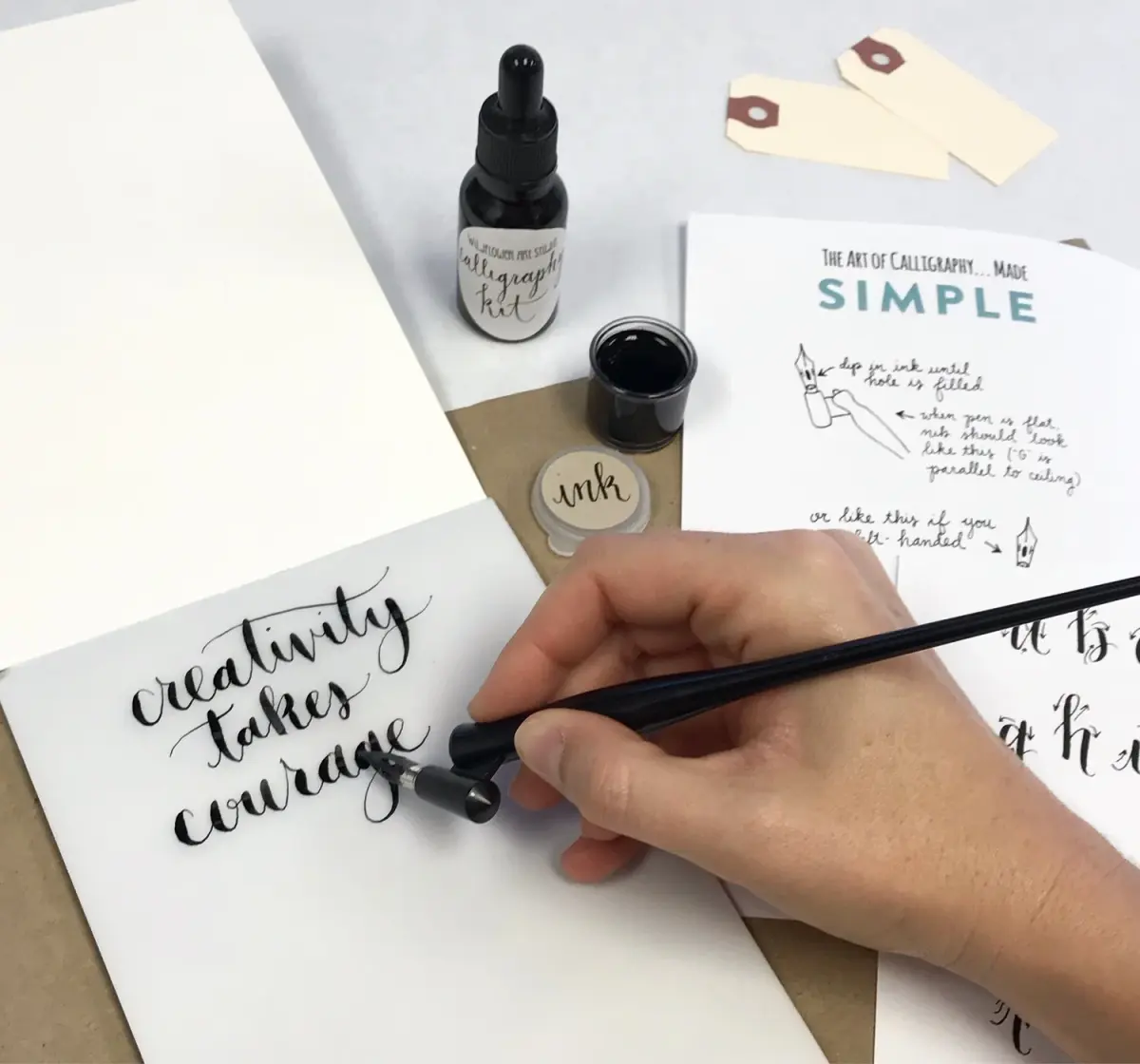
Starting a calligraphy practice requires a modest investment in high-quality materials to ensure smooth performance. Beginners should avoid cheap office paper, which causes ink to feather and bleed, and instead opt for smooth, heavy-weight paper or specialized calligraphy pads. The choice of pen depends on the desired style, but most newcomers find success with specific starter kits.
- Fountain pens with broad-edge nibs for Roman-based scripts.
- Brush pens for modern, flexible lettering styles.
- Oblique pen holders for traditional Copperplate or Spencerian scripts.
- High-quality, non-waterproof archival ink.
- A ruler and pencil for creating precise guidelines.
Always ensure your nib is clean before starting a session. Dried ink can clog the tines, causing inconsistent flow and scratchy lines. When selecting your first pen, prioritize ergonomics; a comfortable grip will allow you to practice for longer periods without hand fatigue.
How to learn calligraphy step by step?
Learning calligraphy is a process of muscle memory and patience. It is not about speed, but rather about maintaining consistent pressure and angle. Follow these steps to build a strong foundation in any script style:
- Study the anatomy of the letters, focusing on the relationship between thick downstrokes and thin upstrokes.
- Practice basic drills, such as continuous loops, ovals, and straight vertical lines, to gain control over your tool.
- Master the "minuscule" (lowercase) alphabet before attempting complex capitals.
- Use a light box or a printed guide sheet underneath your paper to maintain consistent slant and height.
- Analyze your work after every session, identifying where the spacing between letters, known as kerning, feels uneven.
By breaking down complex characters into simple geometric shapes, you will find that even the most intimidating scripts become manageable. Consistency is far more effective than intensity; practicing for twenty minutes every day is superior to a single four-hour session once a week.
Common mistakes when starting calligraphy?
Many beginners struggle because they treat calligraphy like standard cursive handwriting. A common error is applying too much pressure on the upstroke, which ruins the delicate point of the nib or brush. Another frequent mistake is failing to maintain a consistent pen angle. If the angle of your nib changes mid-stroke, the contrast between thick and thin lines will look jagged rather than elegant.
- Holding the pen too tightly, which restricts movement and leads to shaky lines.
- Ignoring the importance of guidelines, resulting in letters that "float" or vary in size.
- Using the wrong ink, such as India ink in a fountain pen, which will permanently clog the feed.
- Rushing the drying process, leading to smudges that ruin hours of careful work.
To avoid these pitfalls, focus on your posture and breathing. Keep your feet flat on the floor and your wrist relaxed. If you find yourself becoming frustrated, take a break; calligraphy requires a calm mind to produce fluid, graceful results. By consciously correcting these habits early, you will develop a professional hand that honors the long history of this beautiful craft.
Key facts
- Calligraphy originates from the Greek words kallos (beauty) and graphein (to write), meaning "beautiful writing."
- The earliest Chinese calligraphy dates back to the Shang Dynasty (c. 1600–1046 BCE) on oracle bones.
- Islamic calligraphy developed as a sacred art form to transcribe the Quran, often utilizing the reed pen known as a qalam.
- Western calligraphy evolved from Roman square capitals, which were carved into stone monuments like Trajan’s Column in 113 CE.
- The invention of the printing press in the 15th century shifted calligraphy from a primary method of book production to a decorative art.
- To improve your penmanship, keep your wrist relaxed and maintain a consistent angle for your nib to ensure uniform line thickness.
The bottom line
Calligraphy is a timeless discipline that transforms functional writing into a sophisticated visual art form. By balancing historical techniques with modern practice, individuals can master the control of ink and nib to create expressive, elegant letterforms. Whether for professional design or personal hobbyist pursuits, the practice demands patience, precision, and an appreciation for the structural beauty inherent in the written word across diverse global cultures.
People also ask
What is the difference between calligraphy and lettering?
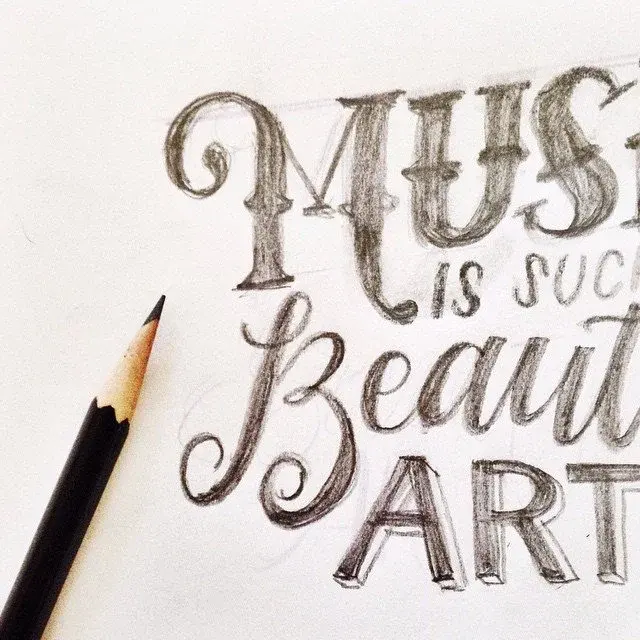
Calligraphy is the art of writing letters using a single stroke or specific tool movements, while lettering is the art of drawing letters as individual shapes. Calligraphy is performance-based, whereas lettering is illustrative and can be edited or refined over time.
What tools do beginners need to start calligraphy?
You need a fountain pen or a dip pen with a broad-edged or pointed nib, ink, and smooth, bleed-proof paper. A pencil and ruler are essential for drawing guidelines to ensure your letters remain consistent in height and slant.
What is the most common mistake for beginners?
The most frequent error is applying too much pressure on the nib, which causes the tines to spread unevenly or catch on the paper. Beginners should also avoid using low-quality paper, as it causes ink to feather and bleed, ruining the crispness of the strokes.
How long does it take to learn calligraphy?
Basic proficiency in a single script, such as Copperplate or Italic, typically takes several months of daily practice. Mastering the subtle nuances of pressure and spacing requires years of consistent dedication and study of historical manuscripts.
Why is calligraphy still relevant today?
Despite the prevalence of digital typography, calligraphy remains highly valued for its personal touch and aesthetic elegance. It is widely used in wedding invitations, formal certificates, logo design, and artistic projects that require a unique, human-made quality.
Can left-handed people do calligraphy?
Yes, left-handed writers can excel at calligraphy, though they may need to adjust their hand position or use specific nibs. Many left-handed calligraphers use an oblique pen holder or turn their paper to achieve the correct angle for slant-based scripts.
This answer was created with the help of AI research tools and reference sources. Spotted an error? Let us know — we correct mistakes quickly. See our editorial policy.