What is an art curator?
Short answer
An art curator is a professional responsible for the selection, acquisition, and organization of artworks within a museum, gallery, or private collection. Curators conduct scholarly research, manage exhibition logistics, oversee artwork preservation, and interpret visual culture for the public through written materials, educational programming, and carefully designed gallery installations.
On this page
What does an art curator actually do?
The daily responsibilities of a curator extend far beyond hanging pictures on a wall. They act as the intellectual bridge between a body of work and the public, requiring a deep understanding of art history, aesthetics, and institutional strategy. Curators spend a significant portion of their time researching their collection, writing exhibition catalogs, and verifying the provenance of potential acquisitions. They must also manage administrative duties, such as securing insurance, coordinating shipping logistics, and negotiating loans with other institutions or private collectors.
Collaboration is essential to the role. Curators work closely with conservators to ensure the physical health of objects, with registrars to track inventory, and with exhibition designers to create an immersive visitor experience. They are often responsible for securing funding, writing grant proposals, and cultivating relationships with donors who might contribute to the museum’s permanent collection. Ultimately, their goal is to create a cohesive narrative that provides context and meaning to the objects on display.
How do you become an art curator?
Pursuing a career in curating typically requires a rigorous academic background. Most entry-level positions in reputable museums demand at least a Master’s degree in art history, fine arts, or museum studies, while senior roles often require a Ph.D. Beyond formal education, practical experience is the most critical factor for success. Aspiring curators should seek out internships, volunteer positions, or entry-level roles as curatorial assistants to gain hands-on experience with collection management and exhibition development.
Networking is equally vital in this competitive field. Building relationships with artists, gallery owners, and other museum professionals can lead to opportunities that are never advertised publicly. Developing a specialized area of expertise—such as contemporary photography, Renaissance sculpture, or digital media—makes a candidate significantly more attractive to hiring committees.
- Earn a relevant undergraduate degree in art history or a related humanities field.
- Complete multiple internships at local galleries or museums to build a professional portfolio.
- Pursue a graduate degree while focusing on a specific period, medium, or geographic region.
- Attend conferences and symposia to keep current with academic discourse and professional trends.
What skills are needed for a curator?
A successful curator must balance scholarly rigor with practical project management skills. They need to be excellent writers, capable of producing both academic essays for scholarly journals and accessible wall text for the general public. Strong organizational skills are non-negotiable, as curators often manage multiple projects simultaneously, each with its own strict budget and timeline. They must also possess the social intelligence to navigate complex relationships with donors, board members, and artists.
Technological literacy has become increasingly important in modern curating. Curators now use sophisticated database software to track collection data and digital tools to plan gallery layouts. They must also be comfortable with public speaking, as they are frequently asked to lead tours, moderate panel discussions, and represent their institution at public events. The ability to advocate for the value of art in a broader social context is what separates a good curator from an exceptional one.
- Proficiency in at least one foreign language, particularly for those working with international collections.
- Advanced research skills, including the ability to navigate archives and primary source documents.
- Budgeting and financial literacy to manage exhibition costs and grant reporting.
- Public speaking and interpersonal communication skills for donor cultivation and public engagement.
Common mistakes when starting a curatorial career
One of the most frequent errors beginners make is failing to specialize early enough in their career. While having a broad knowledge of art history is helpful, museums usually hire curators to manage specific collections. Trying to be a generalist often results in a resume that lacks the depth required for high-level institutional roles. Another common mistake is ignoring the administrative and logistical side of the job. Many students focus exclusively on theory and history, only to find themselves overwhelmed by the insurance, shipping, and legal complexities of managing physical objects.
Underestimating the importance of soft skills is also a major pitfall. A curator who cannot effectively communicate with a board of directors or collaborate with a museum’s operations team will struggle to see their projects come to fruition. Finally, neglecting to build a professional network while in school can leave graduates without the necessary references or insights to break into the job market. Success requires balancing academic ambition with the pragmatic realities of the museum industry.
How do curators choose art for exhibitions?
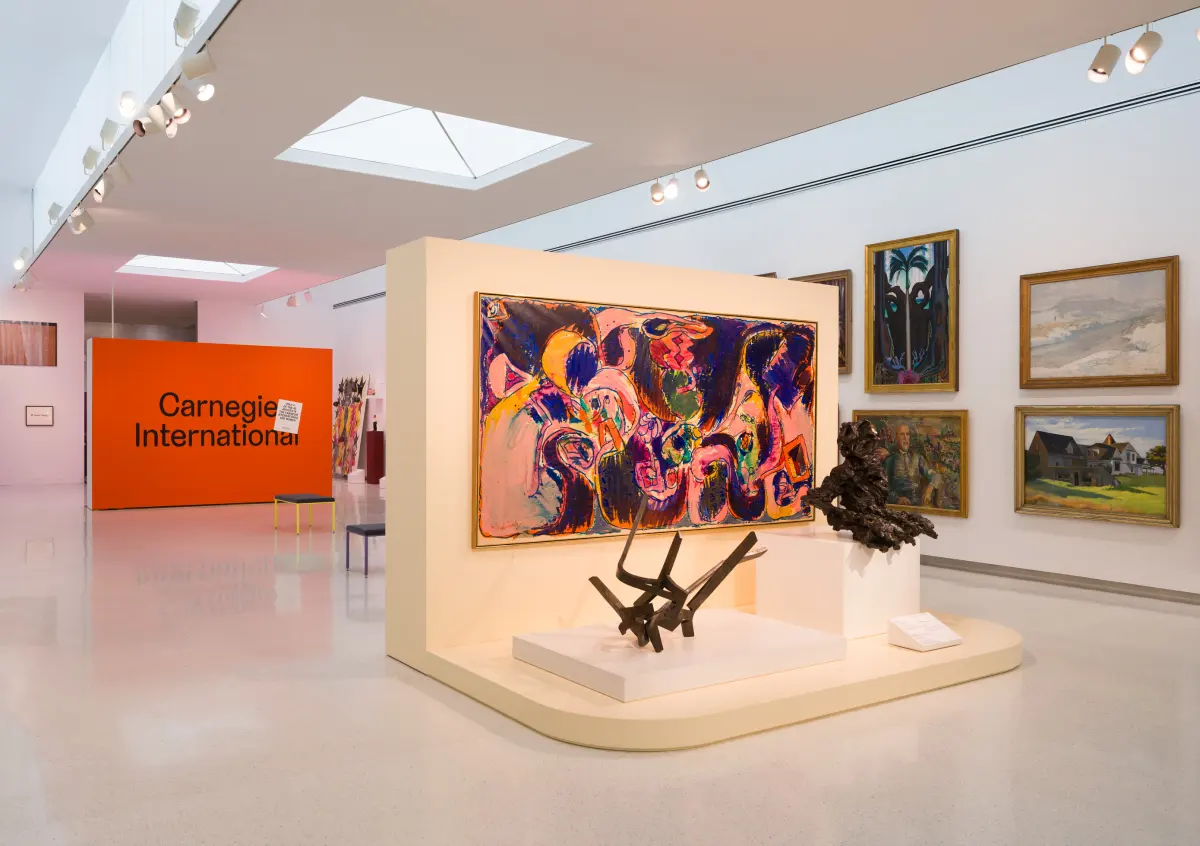
The process of curating an exhibition begins with a clear conceptual framework. A curator identifies a theme, a historical moment, or an artistic movement that warrants exploration. They then conduct an extensive search for objects that can support this narrative, reviewing their own museum’s collection and reaching out to other institutions for loans. The selection process is governed by the quality of the work, its historical significance, and its ability to contribute to the overall message of the show.
Once the objects are selected, the curator must consider the physical space. They work with designers to determine the flow of the exhibition, ensuring that the arrangement of pieces guides the visitor through the story they intend to tell. They must also consider lighting, climate control, and security requirements for each piece. The final installation is a delicate balance of aesthetic presentation and educational clarity, designed to engage the visitor while respecting the integrity of the art.
Key facts
- Curators are responsible for the acquisition, research, and display of objects in museums, galleries, and private collections.
- The term originates from the Latin "curare," meaning "to take care of," reflecting the profession’s roots in preservation.
- Most professional curators hold a Master’s degree or PhD in art history, archaeology, or a specialized field relevant to the collection.
- A curator’s daily work involves balancing scholarly research, writing exhibition catalogs, and managing logistics for traveling art loans.
- Successful curators must master the art of storytelling, as they organize objects to create a cohesive narrative for the public.
- Networking is essential; curators frequently collaborate with artists, donors, conservators, and other institutions to build and maintain collections.
The bottom line
An art curator serves as the vital bridge between a collection and the public, blending scholarly research with logistical management. They are not merely organizers but storytellers who preserve cultural history through careful selection and interpretation. By maintaining high standards of preservation and accessibility, curators ensure that art remains a relevant, educational, and transformative experience for audiences, shaping how we perceive our shared human heritage.
People also ask
What is the difference between a curator and a gallery owner?
A gallery owner is primarily a businessperson focused on selling art and representing artists for profit. In contrast, a curator acts as a steward of a collection, focusing on research, historical context, and the educational value of the works rather than direct sales.
Do curators need to be artists themselves?
Curators do not need to be practicing artists, though they must possess a deep understanding of artistic techniques and materials. Their expertise lies in historical analysis and organizational strategy rather than the physical creation of art.
How does a curator select art for an exhibition?
Selection is driven by a specific theme, historical anniversary, or a need to highlight underrepresented voices. Curators evaluate pieces based on provenance, physical condition, and how well each work contributes to the overall narrative of the show.
What is the biggest mistake a new curator can make?
A common mistake is failing to consider the visitor’s perspective, resulting in an exhibition that is too academic or visually overwhelming. Successful curators must ensure the display is accessible, physically safe for the art, and logically paced for the audience.
How do curators handle art conservation?
Curators work closely with professional conservators to monitor environmental conditions like humidity, light levels, and temperature. They decide when a piece requires restoration and oversee the delicate process of cleaning or repairing damaged works.
Can anyone become a curator without a degree?
While rare, some individuals enter the field through extensive hands-on experience in smaller galleries or archives. However, most major institutions require formal academic credentials due to the rigorous research and cataloging demands of the role.
This answer was created with the help of AI research tools and reference sources. Spotted an error? Let us know — we correct mistakes quickly. See our editorial policy.