What does an art teacher do?
Short answer
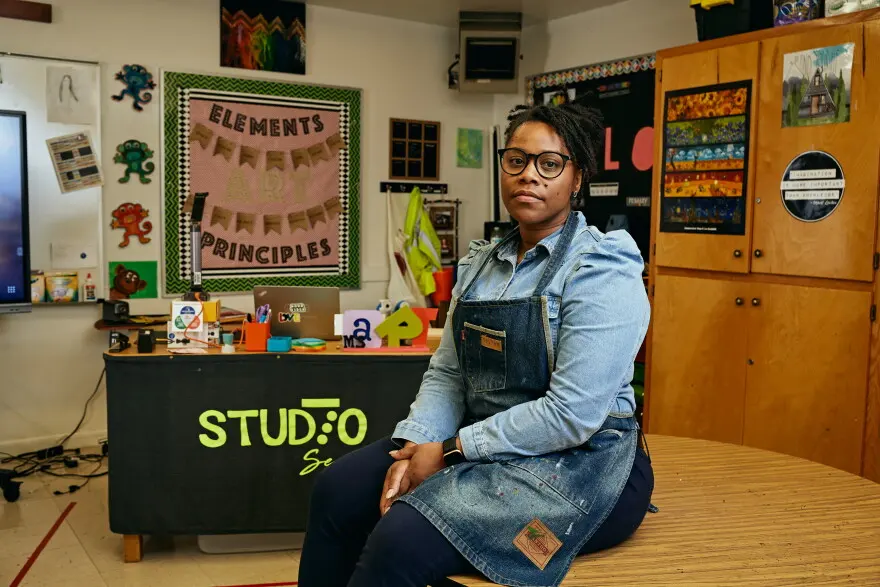
An art teacher instructs students in creative expression, technical skills, and art history. They design curricula, manage studio environments, and guide learners through various media like painting, sculpture, and digital design. Beyond technical training, these professionals foster critical thinking, visual literacy, and personal confidence by helping students translate abstract ideas into tangible works.
On this page
What are the daily responsibilities of an art teacher?
An art teacher manages a complex environment that balances creative freedom with structured instruction. Daily tasks involve preparing materials for diverse projects, demonstrating techniques such as color theory or clay hand-building, and facilitating critiques where students discuss their work. They must also maintain inventory, manage safety protocols for tools like kilns or chemicals, and assess student progress through portfolios rather than traditional testing.
Beyond the classroom, these educators spend significant time curating student exhibitions and participating in school-wide curriculum planning. They often collaborate with other departments to integrate art into subjects like history or science. Managing the logistics of a studio is a constant requirement, as they must ensure that paints, brushes, and specialized equipment remain organized and functional for hundreds of students throughout the week.
- Preparing lesson plans and sourcing necessary art supplies.
- Setting up workstations with appropriate tools and safety gear.
- Demonstrating specific artistic techniques or historical concepts.
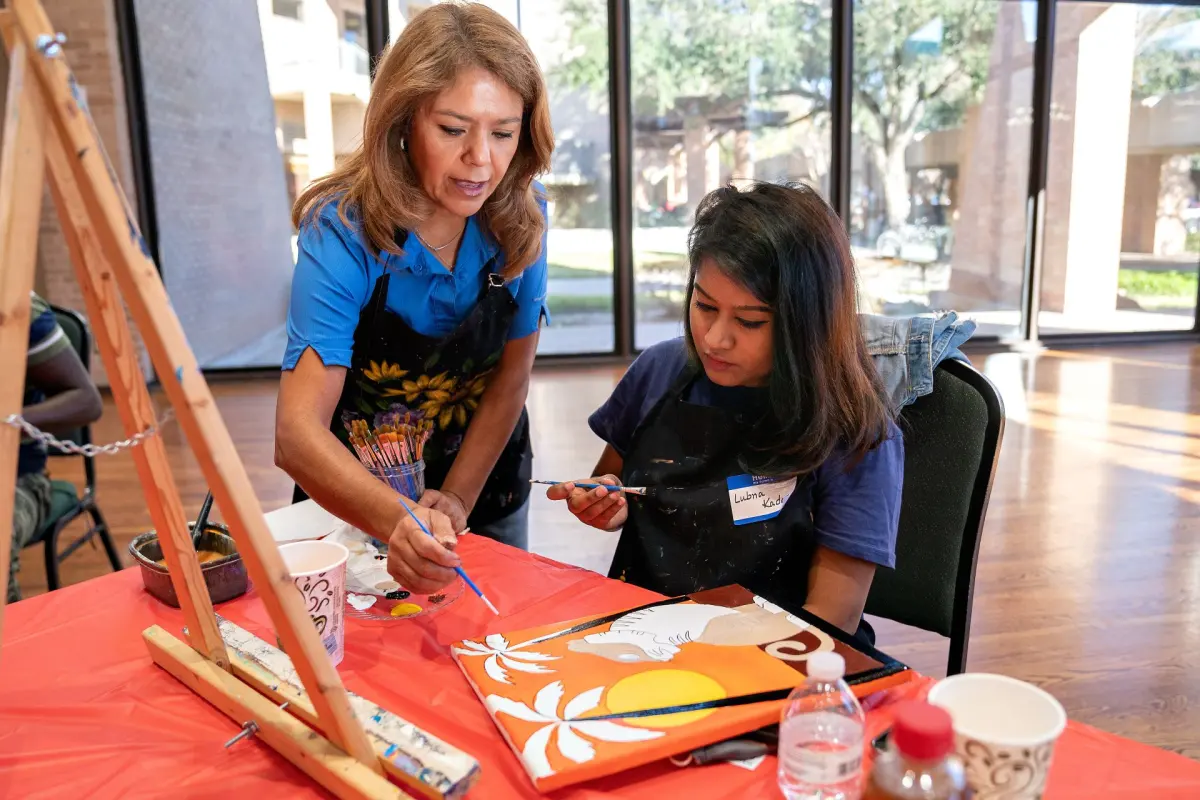
- Providing one-on-one feedback during the creation process.
- Evaluating finished projects based on technical growth and intent.
How do you become a qualified art teacher?
Becoming an art teacher typically requires a bachelor’s degree in art education or a fine arts degree paired with a teaching certification. Most regions mandate that candidates complete a student-teaching internship, which provides hands-on experience in a real classroom setting under the supervision of a veteran educator. Additionally, teachers must pass state-mandated exams covering both pedagogical theory and subject-specific knowledge in visual arts.
Continuing education is a standard expectation in the field, as trends in digital art and contemporary pedagogy evolve rapidly. Many teachers pursue master’s degrees to advance their career prospects or specialize in areas like art therapy or museum education. Maintaining a personal studio practice is also highly encouraged, as it keeps the teacher engaged with the creative process and helps them remain authentic mentors to their students.
- Earn a Bachelor of Fine Arts (BFA) or Bachelor of Arts (BA).
- Complete an accredited teacher preparation program.
- Obtain state or regional teaching licensure.
- Build a professional portfolio of personal artwork.
- Participate in ongoing professional development workshops.
What skills are essential for an art teacher?
The most effective art teachers possess a blend of technical proficiency and high emotional intelligence. They must be experts in various media, including drawing, painting, printmaking, and ceramics, while remaining patient enough to guide beginners through the frustrating early stages of skill acquisition. Strong communication skills are vital for explaining complex visual concepts in ways that are accessible to students of different ages and backgrounds.
Organization and adaptability are equally important, as art rooms are often high-energy environments. An art teacher must be able to pivot quickly when a project does not go as planned or when materials run out unexpectedly. Furthermore, they need the ability to foster a supportive atmosphere where students feel safe taking creative risks. Encouraging students to embrace mistakes as part of the learning process is perhaps the most critical skill for long-term success.
Common mistakes when teaching art to students
A frequent error is focusing too heavily on the final product rather than the creative process. When teachers prioritize a "perfect" outcome, they often inadvertently stifle student experimentation and discourage individual voice. Another common mistake is failing to provide adequate scaffolding, which leaves students feeling overwhelmed by the freedom of a blank canvas. Without clear boundaries or technical foundations, students may struggle to begin their work.
Teachers also occasionally overlook the importance of art history and cultural context. By teaching techniques in a vacuum, they miss the opportunity to show students how art reflects the human experience across time. Finally, neglecting to teach proper cleanup and tool maintenance can lead to a chaotic studio environment. Establishing clear routines for cleaning brushes and organizing supplies is essential for maintaining a functional workspace that respects the tools and the students.
How to assess student work in art classes
Assessment in art is inherently subjective, which makes it challenging for many new educators. The best approach involves using clear rubrics that evaluate specific criteria, such as the application of design principles, the mastery of a chosen medium, and the level of effort invested. By focusing on these measurable aspects rather than personal taste, teachers can provide objective feedback that helps students understand how to improve their technical abilities.
Self-reflection is a vital component of the assessment process. Encouraging students to write artist statements or participate in peer reviews allows them to articulate their creative choices and identify areas for growth. This reflective practice shifts the focus from the teacher as the sole judge to the student as an active participant in their own development. Ultimately, the goal is to cultivate a student who can critique their own work with confidence and clarity.
Key facts
- Art teachers typically instruct students in diverse media, including drawing, painting, ceramics, sculpture, printmaking, and digital design.
- A standard curriculum involves teaching the elements of art, such as line, shape, color, and texture, alongside the principles of design.
- Educators must manage specialized equipment like kilns, printing presses, and chemical supplies while ensuring strict student safety protocols.
- Effective art instruction requires balancing technical skill-building with the encouragement of creative self-expression and critical thinking.
- Teachers often curate student exhibitions to build confidence and provide a professional platform for displaying completed works.
- Classroom management in art often involves "clean-up routines," which are essential for maintaining shared tools and organized workspaces.
The bottom line
An art teacher acts as a facilitator, technician, and mentor who guides students through the complexities of creative expression. By balancing technical instruction with conceptual development, they foster critical thinking and fine motor skills. Whether in a school, museum, or private studio, their primary goal is to provide a safe, organized environment where students can explore their artistic potential and gain confidence through their unique creations.
People also ask
Do art teachers need a degree to work in schools?
Yes, most public school art teachers require a bachelor’s degree in art education and a state-issued teaching certification. Private schools or community centers may prioritize a portfolio and professional experience over formal licensure.
How do art teachers grade subjective creative projects?
Teachers use objective rubrics that evaluate technical execution, adherence to project constraints, and the application of specific artistic concepts. This approach ensures that grading remains fair and focused on skill development rather than personal taste.
What are the most common mistakes new art teachers make?
Beginners often underestimate the time required for material preparation and cleanup, leading to chaotic transitions. Another common error is providing too little structure, which can overwhelm students who need clear technical guidance before experimenting.
How do art teachers handle expensive supplies?
Teachers manage budgets by sourcing bulk materials, repurposing recycled items, and teaching students to conserve resources. They also implement strict inventory systems to prevent the loss or misuse of costly tools like brushes and carving knives.
Can art teachers work outside of traditional classroom settings?
Many art educators work in museums, community art centers, summer camps, or private studios. These roles often focus on specialized workshops or therapeutic art programs rather than a standardized academic curriculum.
Is artistic talent more important than teaching ability?
Teaching ability is far more critical, as the role requires pedagogical skills, patience, and the ability to explain complex processes clearly. A great teacher focuses on guiding students through their own creative process rather than simply demonstrating their own work.
This answer was created with the help of AI research tools and reference sources. Spotted an error? Let us know — we correct mistakes quickly. See our editorial policy.