What does an art critic do?
Short answer
An art critic evaluates, interprets, and contextualizes works of art for the public. By analyzing technique, historical significance, and emotional resonance, they bridge the gap between the artist’s intent and the viewer’s experience. Their writing appears in newspapers, magazines, and digital platforms, shaping cultural discourse and influencing the art market’s evolution.
On this page
What does an art critic actually do?
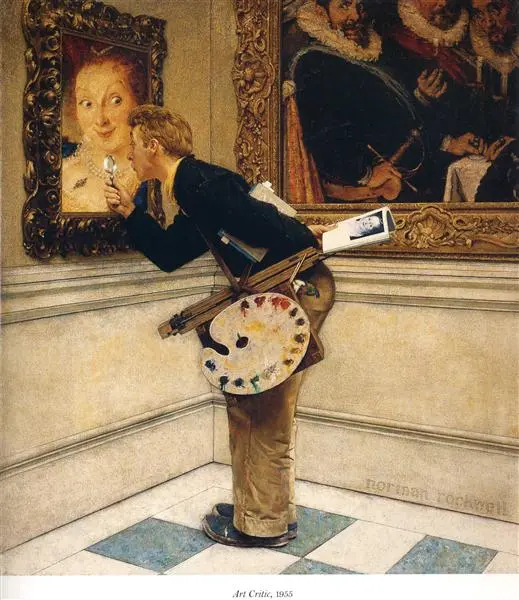
An art critic serves as a professional observer and interpreter of the visual arts. Their primary responsibility is to analyze exhibitions, individual artworks, or broader movements, translating complex visual experiences into written critiques. They do not merely state whether a piece is "good" or "bad"; instead, they examine how a work functions within its medium, its historical context, and the contemporary social climate.
Beyond mere description, critics act as cultural gatekeepers. By selecting which works to highlight, they bring visibility to emerging artists and challenge established institutions. Their work often involves extensive research into an artist's background, the technical execution of the medium, and the theoretical frameworks that inform the creative process. A critic’s ultimate goal is to deepen the reader's understanding and encourage a more critical engagement with the art world.
How to start writing art criticism
Writing effective criticism requires a blend of observation, research, and clear communication. The process begins with spending significant time in front of the work, noting specific details before forming a broader argument. A critic must balance their subjective emotional response with objective analysis of the artist’s technical choices and thematic goals.
To develop your own voice as a critic, follow these foundational steps:
- Observe the work in person to capture nuances of scale, texture, and lighting that photographs omit.
- Research the artist’s previous body of work and the current exhibition’s stated themes to provide accurate context.
- Draft a thesis that addresses not just what the art looks like, but why it matters in the current moment.
- Refine your language to be precise, avoiding overly academic jargon that might alienate a general audience.
- Edit your work to ensure your argument remains consistent and supported by specific visual evidence.

What skills are needed to be an art critic
Successful art critics possess a unique combination of visual literacy, historical knowledge, and writing prowess. Visual literacy is the ability to "read" an image, understanding how composition, color theory, and material choices contribute to the overall message. This skill is honed through years of visiting galleries, studying art history, and analyzing diverse mediums from sculpture to digital installations.
In addition to visual expertise, a critic must be a proficient writer capable of crafting compelling narratives. They must be able to synthesize complex philosophical or political ideas into accessible prose. The following skills are essential for professional success:
- Deep knowledge of art history, including movements like Impressionism, Minimalism, and Postmodernism.
- Strong research capabilities to verify facts and understand the cultural climate of an artist's era.
- Integrity and independence, ensuring that professional relationships do not compromise the objectivity of a review.
- The ability to meet tight deadlines while maintaining high standards of journalistic rigor.

Common mistakes when writing art reviews
One of the most frequent errors in art criticism is relying too heavily on personal opinion without providing evidence. A review that simply states "I liked this" or "this was boring" fails to provide the reader with any insight. Instead, a critic must explain the "why" behind their reaction by pointing to specific elements of the work, such as the artist’s use of negative space or their subversion of traditional techniques.
Another common pitfall is the use of overly dense, academic language that obscures meaning. While it is tempting to use complex terminology to sound authoritative, it often creates a barrier between the critic and the reader. To avoid these traps, focus on clarity and accessibility. Ensure your critique remains focused on the work itself rather than drifting into unrelated personal anecdotes or overly broad political commentary that lacks a direct connection to the art being discussed.
Why art criticism matters in the modern world
Art criticism remains a vital component of a healthy cultural ecosystem. It provides the necessary friction that pushes artists to refine their practice and institutions to be more accountable. By documenting the art of the present, critics create a historical record that future generations will use to understand the values and anxieties of our time. Without this critical dialogue, art risks becoming merely decorative rather than a transformative force.
Furthermore, critics help navigate the increasingly complex art market. As art becomes a global commodity, the critic serves as a guide for collectors, curators, and the public, distinguishing between hype and genuine innovation. They foster a community of thinkers who value intellectual curiosity over passive consumption. Ultimately, the critic invites the public to look closer, think harder, and appreciate the profound ways in which art reflects the human condition.
Key facts
- Art critics evaluate works of art based on aesthetic, cultural, historical, and technical criteria.
- Critics often write for newspapers, magazines, academic journals, or digital platforms to influence public taste.
- Professional critics typically hold degrees in art history, fine arts, or journalism to ensure informed commentary.
- A critic’s primary duty is to provide context, helping viewers understand the artist's intent and the work’s societal significance.
- Effective criticism balances subjective personal reaction with objective analysis of composition, medium, and technique.
- Critics should avoid conflicts of interest, such as reviewing works by close friends or artists they represent commercially.
The bottom line
An art critic serves as a vital bridge between the artist and the public, transforming visual experiences into meaningful discourse. By combining historical knowledge with sharp observation, they provide the context necessary to evaluate contemporary works. Whether writing for major newspapers or independent journals, critics help shape the cultural landscape, encouraging viewers to look more closely and think more critically about the art they encounter daily.
People also ask
Do art critics need to be artists themselves?
No, critics do not need to be practicing artists. While some have art backgrounds, most rely on deep historical knowledge and analytical skills rather than personal creative experience.
How do critics remain objective in their reviews?
Critics maintain objectivity by focusing on formal elements like color, line, and composition rather than personal preference. They also compare the work against established historical precedents and current cultural trends.
Can a critic ruin an artist's career?
While a harsh review in a major publication like The New York Times can influence gallery sales, it rarely destroys a career. Most artists view criticism as part of the public dialogue surrounding their work.
What is the difference between an art critic and an art historian?
Art historians focus on documenting the past and establishing chronological facts about movements and artists. Critics focus on the present, evaluating contemporary exhibitions and interpreting the immediate impact of art.
How do I start a career as an art critic?
Start by writing reviews for local blogs or small publications to build a portfolio. Networking within the local gallery scene and pursuing formal education in art history are essential steps.
Is art criticism purely about saying if a work is "good" or "bad"?
No, professional criticism moves beyond simple judgment. It explores why a work succeeds or fails, how it fits into the broader art world, and what it reveals about the human condition.
This answer was created with the help of AI research tools and reference sources. Spotted an error? Let us know — we correct mistakes quickly. See our editorial policy.