What is printmaking?
Short answer
Printmaking is an artistic process of creating images by transferring ink from a matrix, such as a woodblock, metal plate, or screen, onto a surface like paper or fabric. Unlike a digital copy, each print is an original work of art, often produced in a limited edition of multiple identical impressions.
On this page
What are the main types of printmaking?
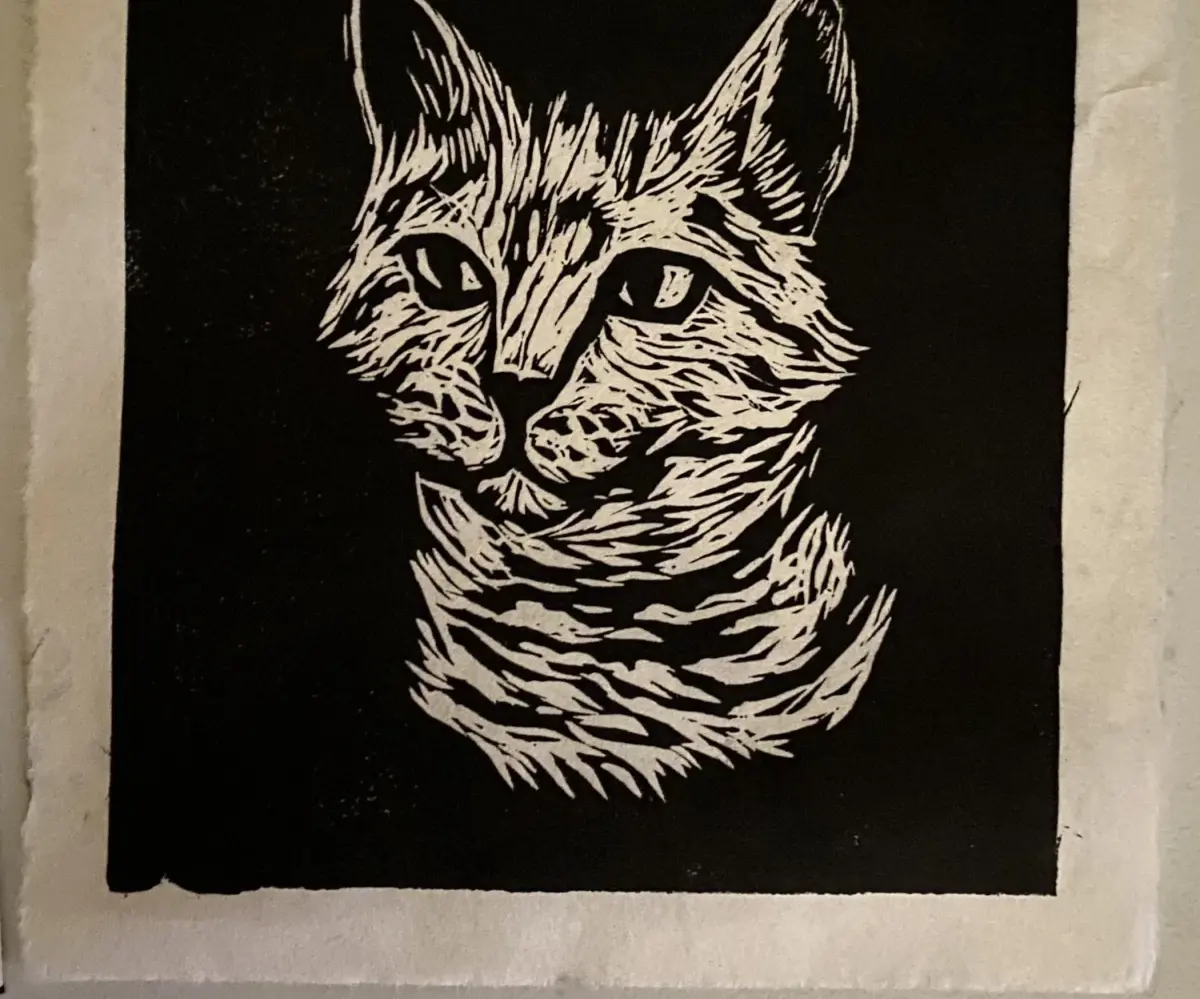
Printmaking is categorized by how the ink is applied to the matrix. Relief printing, the oldest method, involves carving away areas of a surface so that the raised portions hold the ink, as seen in woodcuts or linocuts. Intaglio, by contrast, uses recessed grooves cut or etched into metal plates to hold ink. Planographic methods, such as lithography, rely on the chemical principle that oil and water repel each other, allowing ink to adhere only to specific areas of a flat stone or plate. Screen printing, or serigraphy, forces ink through a mesh stencil onto the printing surface. Each technique offers distinct aesthetic qualities, ranging from the bold, graphic lines of relief to the delicate, tonal transitions possible in intaglio or lithography. Artists often select a method based on the desired texture, line quality, and the number of prints they intend to produce.
How to start printmaking as a beginner
For those new to the craft, relief printing is the most accessible entry point because it requires minimal equipment and can be performed on a tabletop. You do not need a heavy industrial press to begin, as many techniques can be executed with manual pressure using a baren or a wooden spoon. To get started, you will need a few essential supplies:
- Linoleum or soft-cut rubber blocks for carving.
- A set of sharp gouges with various blade shapes.
- Water-based or oil-based block printing ink.
- A rubber roller, known as a brayer, for even ink application.
- High-quality, absorbent paper such as rice paper or heavy cardstock.
Begin by sketching a simple design on your block, keeping in mind that the final image will be a mirror reflection of your carving. Focus on high-contrast shapes rather than fine, intricate details during your first few attempts.
What is the printmaking process step-by-step
The workflow for creating a print remains consistent across most traditional methods, focusing on preparation and precision. Follow these steps to ensure a clean, professional result:
- Prepare your matrix by carving or etching your design into the chosen surface.
- Apply a thin, even layer of ink to the matrix using a brayer or dauber, ensuring no excess ink pools in the carved areas.
- Carefully align your paper over the inked matrix, taking care not to shift it once contact is made.
- Apply consistent pressure across the back of the paper using a press or a hand tool to transfer the ink.
- Gently peel the paper away from the matrix to reveal the finished print.
- Place the print on a drying rack or flat surface, allowing it to cure completely before handling or framing.
Common mistakes when making prints
New printmakers often struggle with inconsistent ink application, which can lead to patchy or muddy results. A frequent error is applying too much ink, which fills in the fine lines and causes the image to look blurred or "choked." Conversely, using too little ink results in faint, uneven impressions that lack depth. Another common mistake is failing to maintain consistent pressure during the transfer process, leading to ghosting or partial prints. Beginners should also be mindful of paper selection; using paper that is too thick can prevent the ink from transferring properly, while paper that is too thin may tear under the pressure of the press or carving tools. Always perform a series of "proofs" or test prints on scrap paper before committing to your final, high-quality edition paper to ensure your technique is refined.
Why printmaking is considered an original art form
While printmaking allows for the creation of multiple copies, it is distinct from mechanical reproduction because the artist remains deeply involved in every stage of production. Each print in an edition is considered an original work of art because the artist hand-carves the plates, mixes the inks, and oversees the printing process. Once the edition is complete, the artist typically signs and numbers the prints, such as "1/50," indicating the specific impression number and the total size of the edition. The artist often destroys or defaces the matrix after the edition is finished to ensure that no further prints can be made, thereby preserving the value and exclusivity of the work. This rigorous process ensures that every piece carries the unique touch of the creator, bridging the gap between fine art and technical craftsmanship in a way that mechanical printing never can.
Key facts
- Printmaking is the process of creating artwork by transferring an image from a matrix, such as a woodblock, metal plate, or screen, onto a surface like paper or fabric.
- Unlike a drawing or painting, printmaking allows for the creation of an edition, which is a set of multiple, identical impressions of the same image.
- Each individual print in an edition is considered an original work of art, not a reproduction, because the artist created the matrix by hand.
- The four primary categories of printmaking are relief, intaglio, planographic (lithography), and stencil (screen printing).
- Artists often sign and number their prints, such as "1/50," indicating the specific print number and the total edition size.
- A "proof" is a trial impression taken during the process to check the progress of the image before the final edition is printed.
The bottom line
Printmaking is a versatile artistic medium that bridges the gap between drawing and mechanical reproduction. By mastering the relationship between the matrix and the paper, artists can produce multiple high-quality originals. Whether using traditional woodblocks or modern screen printing, the process requires patience and technical precision. Ultimately, printmaking offers a unique way to explore texture, line, and composition while sharing art with a wider audience.
People also ask
What is the difference between a print and a reproduction?
A print is an original work created by the artist through a manual process, while a reproduction is a mechanical copy of an existing painting or drawing. Reproductions lack the tactile quality and artistic intent inherent in the creation of a hand-pulled print.
How do I know if a print is valuable?
Value is determined by the artist's reputation, the rarity of the edition, and the condition of the paper. Prints signed by the artist and marked with a low edition number are generally more sought after by collectors.
Can I make prints at home without a press?
Yes, relief printing techniques like linocut or woodcut can be printed by hand using a wooden spoon or a baren to apply pressure. These methods are accessible and require minimal specialized equipment to get started.
What is a ghost print?
A ghost print is a second, fainter impression taken from a plate or block after the initial inking. It often contains residual ink, resulting in a softer, more ethereal appearance than the first pull.
Why do prints appear mirrored compared to the original design?
Because the image is transferred from the matrix to the paper, the final print is always the reverse of the design carved or etched onto the surface. Artists must account for this "mirror effect" when incorporating text or specific directional elements.
What is the most common mistake for beginners?
The most frequent error is using too much ink, which causes the details to fill in and the paper to become overly saturated. Applying a thin, even layer of ink is essential to achieving a crisp, professional-looking result.
This answer was created with the help of AI research tools and reference sources. Spotted an error? Let us know — we correct mistakes quickly. See our editorial policy.