What is Mexican folk art?
Short answer
Mexican folk art, or artesanía, is a diverse collection of traditional crafts reflecting Mexico’s indigenous roots and colonial history. It encompasses functional and decorative objects created using ancestral techniques, such as pottery, textiles, and wood carving. These vibrant works often serve as essential cultural expressions, blending spiritual symbolism with everyday utility.
On this page
What are the most famous types of Mexican folk art?
Mexican folk art is defined by its regional diversity, with specific states often specializing in unique materials and motifs. The most recognizable forms include alebrijes, which are brightly painted wooden sculptures of fantastical creatures originating from Oaxaca. Another major category is Talavera pottery, a tin-glazed earthenware characterized by intricate blue, yellow, and white patterns, primarily produced in Puebla.
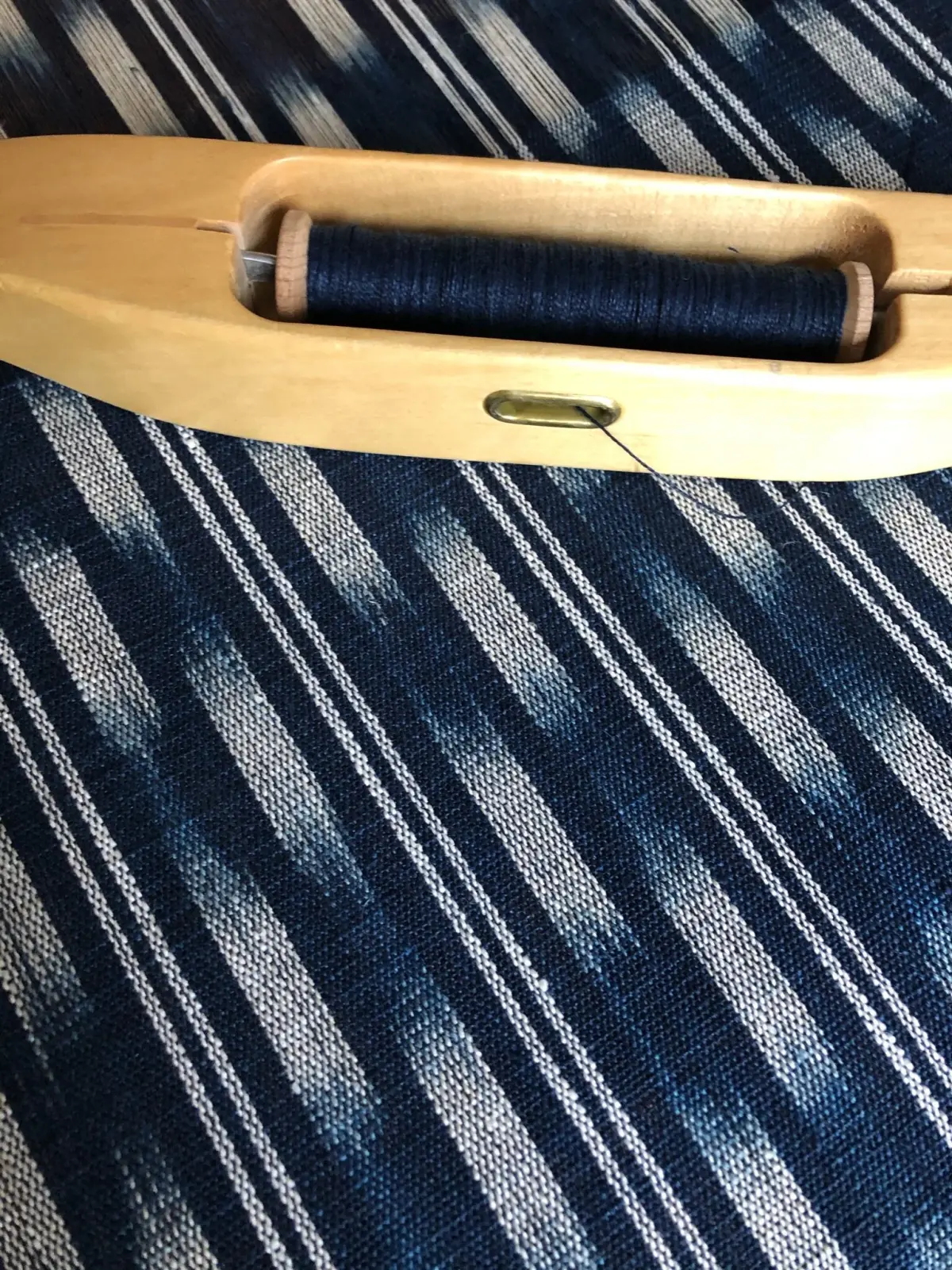
Textiles also play a vital role in the national identity. Indigenous communities, particularly in Chiapas and Oaxaca, produce elaborate embroidery and backstrap-loomed fabrics that feature geometric patterns and symbolic animal figures. Other notable crafts include:
- Papel picado: Intricately cut tissue paper banners used during festivals.
- Huichol beadwork: Complex designs pressed into wax-covered wooden forms.
- Barro negro: A distinct style of polished, black-fired pottery from Oaxaca.
- Catrinas: Elegant skeleton figures associated with the Day of the Dead.
How do artisans create authentic Mexican folk art?
The creation process is deeply rooted in heritage, often involving techniques passed down through generations within families. Artisans typically source raw materials locally, such as clay from specific riverbeds or natural dyes derived from cochineal insects and indigo plants. This reliance on the environment ensures that each piece is a physical connection to the land and the history of the region.
Most traditional production follows a labor-intensive, manual process rather than industrial manufacturing. For instance, creating a Talavera piece requires the potter to shape the clay by hand or on a kick wheel, followed by a double-firing process in a kiln. The painting is then done using mineral-based pigments. Because these methods are time-consuming and require immense skill, authentic artesanía is valued for its imperfections, which distinguish handmade items from mass-produced replicas found in tourist souvenir shops.
How to identify high-quality Mexican folk art?
Determining the authenticity of folk art requires attention to detail and an understanding of regional standards. High-quality pieces usually exhibit a level of detail that mass-produced items lack, such as precise brushwork, consistent symmetry, or the use of traditional, non-synthetic materials. When shopping, look for the artist's signature or a certificate of authenticity, which many cooperatives provide to ensure fair trade practices.
Follow these steps to evaluate a piece before purchasing:
- Examine the weight and texture; handmade clay or wood should feel substantial and organic.
- Check for "sourcing transparency" by asking the seller about the artisan’s community or region.
- Look for subtle variations in color or shape, which confirm the item was crafted individually rather than molded in a factory.
- Verify the finish; authentic lacquer or glaze should be applied evenly but may show slight variations in thickness.
Common mistakes when buying Mexican folk art?
A frequent error is confusing mass-produced "tourist art" with genuine artesanía. Many items sold in airports or high-traffic souvenir markets are imported or created using assembly-line methods that mimic traditional styles without the cultural depth. Another mistake is ignoring the environmental or ethical impact of the purchase; it is always better to buy directly from artisan cooperatives or galleries that support the makers’ livelihoods.
Avoid these common pitfalls to ensure your collection remains authentic:
- Assuming that all bright, colorful items are traditional; some modern knockoffs use neon, synthetic paints that fade quickly.
- Neglecting to research the specific region of origin, as this often leads to paying inflated prices for generic items.
- Overlooking the fragility of certain materials, such as unbaked clay or delicate paper, which require specific storage conditions.
- Failing to ask about the materials used, as some lower-quality items may contain lead-based glazes or toxic dyes that are unsafe for home use.
Where to find legitimate Mexican folk art?
The best way to acquire authentic pieces is to visit the source. Traveling to craft-centric towns like Tonala, Metepec, or San Cristobal de las Casas allows collectors to meet the makers and witness the production process firsthand. If travel is not feasible, look for reputable online galleries that partner directly with indigenous cooperatives. These organizations often provide biographies of the artists, which adds significant value and context to the work.
When purchasing online, prioritize platforms that emphasize fair trade and direct-to-consumer models. These businesses prioritize paying artisans a living wage, which helps preserve these ancient crafts for future generations. By supporting these channels, you ensure that the artistic traditions of Mexico continue to thrive rather than being replaced by cheap, disposable imitations. Investing in genuine artesanía is not just about home decor; it is about participating in the preservation of a living, breathing cultural heritage that spans centuries of artistic evolution.
Key facts
- Mexican folk art, or artesanía, is a blend of indigenous pre-Hispanic traditions and European techniques introduced after the Spanish conquest in 1521.
- Alebrijes are brightly colored, fantastical wooden sculptures carved from copal wood, originating in Oaxaca during the 1930s.
- Talavera pottery must be produced in Puebla using specific local clays and traditional glazing techniques to be considered authentic.
- Papel picado is a decorative craft involving the intricate cutting of tissue paper into elaborate designs, often used during the Day of the Dead.
- When buying handmade goods, check for slight imperfections; true artesanía is crafted by hand, whereas mass-produced imitations often feature perfectly uniform, machine-made patterns.
- Support local artisans by purchasing directly from cooperatives or certified markets to ensure fair wages reach the makers rather than intermediaries.
The bottom line
Mexican folk art is a vibrant, living tradition that bridges centuries of history by merging indigenous heritage with colonial influences. Whether through the intricate carvings of Oaxacan alebrijes or the delicate precision of Puebla’s Talavera, these crafts represent the soul of Mexican culture. By choosing authentic, handmade pieces, you honor the skilled artisans who preserve these essential techniques while supporting the economic vitality of their communities.
People also ask
What is the difference between fine art and folk art in Mexico?
Fine art in Mexico is typically attributed to individual artists in academic settings, while folk art is rooted in community traditions and passed down through generations. Folk art serves both decorative and functional purposes, often reflecting the daily life and spiritual beliefs of the region.
Are alebrijes traditional ancient figures?
No, alebrijes are a relatively modern invention created by Pedro Linares in 1936 after a fever-induced dream. While they draw inspiration from indigenous woodcarving styles, they are a 20th-century artistic innovation rather than an ancient artifact.
How can I tell if a piece of Mexican pottery is authentic?
Authentic Talavera pottery features a distinct, slightly raised glaze and is signed by the workshop and the artisan. Avoid items that look like plastic or have perfectly identical patterns, as these are likely mass-produced industrial replicas.
What is the significance of the Day of the Dead in folk art?
The holiday inspires much of Mexico’s most iconic folk art, including sugar skulls, catrinas, and elaborate altars. These items are crafted to honor deceased ancestors, blending pre-Hispanic death rituals with Catholic iconography.
Why are Mexican textiles so colorful?
Traditional textiles utilize natural dyes derived from insects like cochineal, plants, and minerals to achieve vibrant hues. These colors often represent specific regional identities, with patterns indicating the weaver's village and social status.
Can I bring Mexican folk art home through customs?
Most handmade crafts are permitted, but avoid items made from protected animal products or certain endangered woods. Always declare your items at customs and retain receipts to prove the origin and nature of your purchase.
This answer was created with the help of AI research tools and reference sources. Spotted an error? Let us know — we correct mistakes quickly. See our editorial policy.