What is a Coast Salish spindle whorl?
Short answer
A Coast Salish spindle whorl is a circular, carved wooden disk used as a flywheel on a drop spindle to spin wool from mountain goats or dogs. These tools are central to the textile traditions of Indigenous peoples in the Pacific Northwest, often featuring intricate, symbolic carvings representing ancestral spirits and cultural narratives.
On this page
What is the function of a spindle whorl?
The spindle whorl acts as a weighted flywheel for a hand spindle, providing the momentum necessary to twist raw fibers into yarn. By attaching the whorl to a wooden shaft, the spinner creates a balanced tool that rotates consistently, allowing for the production of uniform, strong thread. Historically, Coast Salish weavers utilized these tools to process the wool of the Salish wool dog and the mountain goat, which were essential for creating the iconic, thick blankets used for prestige and trade.
The whorl is typically crafted from hardwoods like maple or cedar, chosen for their durability and ability to hold fine detail. As the spinner flicks the shaft, the whorl’s weight maintains the spin, preventing the yarn from snapping while the weaver draws out the fiber. Beyond its mechanical utility, the whorl serves as a canvas for traditional art, reflecting the deep connection between functional craftsmanship and spiritual expression within Coast Salish society.
How are spindle whorls carved?
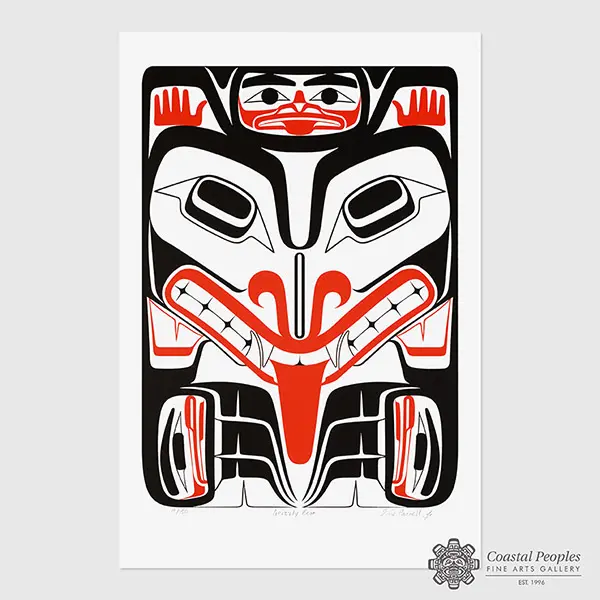
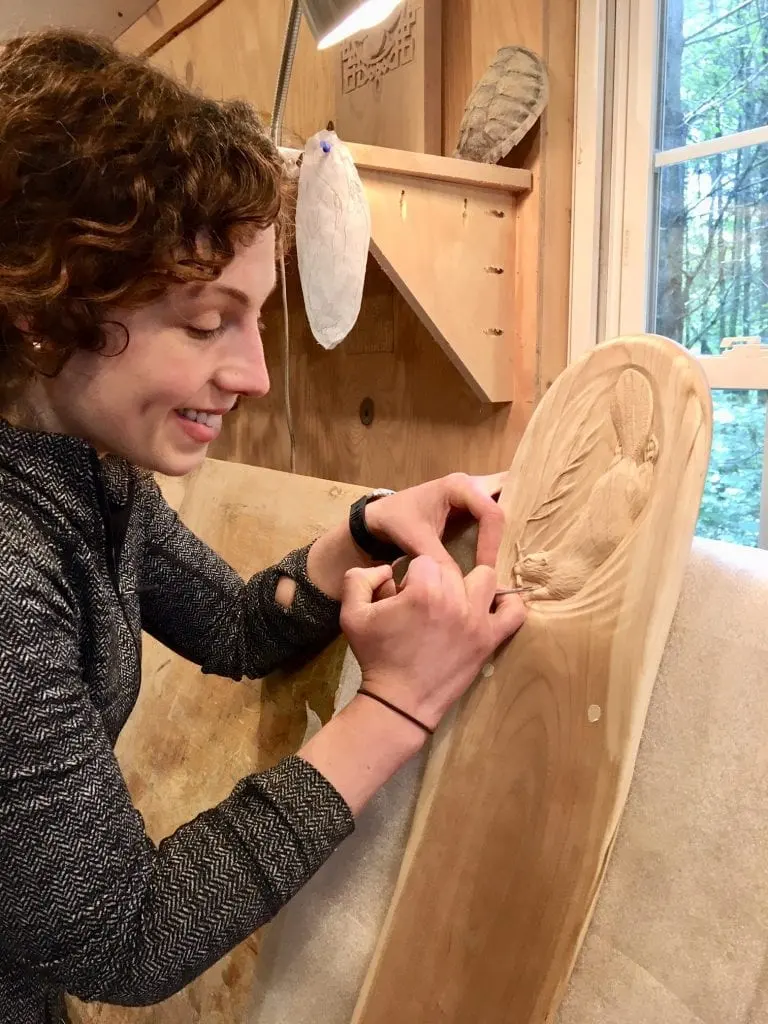
Carving a spindle whorl is a precise process that requires both artistic skill and an understanding of balance. Master carvers often use traditional motifs, such as the spindle whorl design style, which features symmetrical, interconnected shapes that appear to rotate as the tool spins. These designs often depict animals, humans, or supernatural beings from the weaver’s lineage or community history.
The creation process generally follows these technical steps:
- Select a seasoned piece of hardwood, ensuring the grain is tight to prevent cracking during the carving process.
- Shape the disk into a perfect circle, ensuring the center hole is precisely perpendicular to the face to maintain balance.
- Sketch the intended design, focusing on radial symmetry so the image remains visually appealing during rotation.
- Use specialized chisels and knives to carve the relief, carefully removing material to create depth and shadow.
- Sand the surface to a smooth finish and apply a natural oil, such as seal or linseed oil, to protect the wood.
Why are spindle whorls culturally significant?
For the Coast Salish people, the spindle whorl is more than a tool; it is a vital vessel of cultural identity and ancestral knowledge. The act of weaving is deeply spiritual, and the whorl is often passed down through generations, carrying the energy and stories of the women who used it before. Many contemporary artists continue to produce these pieces, ensuring that the techniques and artistic styles of their ancestors are preserved and honored in modern contexts.
The designs carved into the whorls often serve as visual prayers or historical records. When a weaver uses a whorl featuring a specific animal, they are invoking the traits or protection associated with that entity. This practice reinforces the relationship between the natural world and the human experience, reminding the weaver of their obligations to their community and the environment. By maintaining this tradition, Coast Salish artists keep their cultural narratives alive in a rapidly changing world.
How to use a spindle whorl properly
Learning to spin with a traditional Coast Salish whorl requires patience and a steady hand. The goal is to achieve a smooth, rhythmic motion that keeps the fiber under constant tension without breaking it. Beginners often find that the weight of the whorl is the most critical factor; a whorl that is too heavy or too light will struggle to maintain the necessary spin for long periods.
Follow these steps to begin spinning:
- Secure your prepared fiber to the shaft of the spindle just above the whorl.
- Use your dominant hand to flick the edge of the whorl, setting it into a steady, clockwise rotation.
- Gently draw the fiber out from your supply, allowing the twist to travel up the strand.
- Once the yarn is sufficiently twisted, wind it onto the shaft just above the whorl.
- Repeat the process, ensuring the tension remains consistent throughout the length of the yarn.
Common mistakes when using spindle whorls
One of the most frequent errors for those new to this craft is failing to maintain the balance of the spindle. If the whorl is not perfectly centered on the shaft, it will wobble, causing the yarn to become uneven or break entirely. To avoid this, always check the fit of the spindle shaft within the center hole; it should be a snug, secure fit that does not shift during use.
Another common mistake is over-spinning the fiber, which makes the resulting yarn brittle and difficult to work with later. Beginners should focus on finding a steady, moderate pace rather than trying to spin as fast as possible. Additionally, failing to properly prepare the raw fiber before spinning can lead to tangles and knots. Ensure the wool is clean and carded thoroughly before starting. By paying attention to these details, you can produce high-quality, durable yarn while respecting the traditional methods that have sustained Coast Salish weaving for centuries.
Key facts
- A spindle whorl is a disc-shaped tool used by Coast Salish weavers to spin mountain goat wool and dog hair into yarn.
- The device consists of a wooden shaft, or spindle, inserted through the center of a carved, circular whorl that acts as a flywheel.
- Traditionally carved from maple or cedar, the whorl provides the necessary momentum to keep the spindle rotating steadily.
- The flat surfaces of the whorl are often intricately carved with designs representing family crests, spirit helpers, or ancestral stories.
- Weavers hold the spindle vertically, using the whorl's weight to draw out fibers into a consistent, plied thread.
- Modern practitioners use these tools not only for functional textile production but as a vital medium for preserving Indigenous artistic heritage.
The bottom line
The Coast Salish spindle whorl is a masterful blend of utility and artistry, serving as the essential tool for traditional textile production. By combining the physics of a flywheel with deep cultural iconography, these objects sustain the legacy of weaving in the Pacific Northwest. Whether used for functional spinning or as a ceremonial object, the whorl remains a powerful symbol of Indigenous identity and technical ingenuity.
People also ask
What materials were traditionally used for the spindle?
The spindle shaft was typically made from hard woods like ironwood or yew to ensure durability and balance. The whorl itself was often carved from seasoned maple, which is dense enough to provide the necessary weight for a smooth, continuous spin.
How does the weight of the whorl affect the spinning process?
A heavier whorl creates more momentum, which is ideal for spinning thicker, coarser fibers. A lighter whorl is better suited for fine, delicate wools, as it requires less effort to maintain a high-speed rotation.
Are the carvings on the whorl purely decorative?
While aesthetically beautiful, the carvings often hold deep cultural significance and reflect the weaver’s lineage or spiritual connection to the natural world. They also serve to balance the weight of the disc, ensuring the spindle remains centered during use.
Can beginners use a traditional spindle whorl?
Yes, but it requires practice to develop the muscle memory needed to maintain a consistent rhythm. Beginners should start with a medium-weight whorl and focus on keeping the spindle vertical to prevent it from wobbling or falling.
What is the most common mistake when using a spindle whorl?
A frequent error is allowing the yarn to become too tight or too loose, which results in uneven thread thickness. Beginners should avoid pulling the fibers too hard, as this can cause the yarn to snap before it has enough twist.
How do you maintain a wooden spindle whorl?
Keep the wood clean and dry to prevent warping or cracking over time. Occasionally applying a light coat of natural oil can help preserve the wood and keep the surface smooth for the fibers to glide over.
This answer was created with the help of AI research tools and reference sources. Spotted an error? Let us know — we correct mistakes quickly. See our editorial policy.