What is Indigenous art?
Short answer
Indigenous art is the creative expression of native peoples worldwide, rooted in ancestral traditions, cultural identity, and connection to ancestral lands. It encompasses diverse media, including painting, sculpture, textiles, and performance. While often functional or spiritual, it serves as a vital record of history, community values, and ongoing cultural resilience today.
On this page
What defines Indigenous art?
Indigenous art is defined by its deep connection to the specific cultural heritage, geography, and belief systems of native communities. Unlike Western art movements that often prioritize individual expression, Indigenous art frequently serves communal, ceremonial, or functional purposes. It is passed down through generations, maintaining a link to ancestral knowledge and specific regional environments.
The materials used are often sourced directly from the land, reflecting a profound relationship with nature. For example, Inuit carvers utilize soapstone and whalebone, while Navajo weavers employ wool from sheep raised on their own lands. Because these traditions are tied to specific territories, the art acts as a visual language that communicates tribal history, social structures, and cosmological narratives. It is a living practice that adapts to contemporary contexts while remaining grounded in historical continuity.
How to identify authentic Indigenous art
Identifying authentic work requires understanding that Indigenous art is not a monolithic category but a collection of distinct cultural traditions. Authentic pieces are typically produced by members of the community whose traditions are being represented. Collectors and enthusiasts should look for provenance, which documents the origin and ownership history of a piece, and ensure that the artist is recognized by their community or tribe.
When evaluating a piece, consider these indicators of authenticity:
- The artist’s name and tribal affiliation are clearly identified.
- The materials used are consistent with the region and the artist's cultural background.
- The techniques employed reflect traditional methods, even if the subject matter is modern.
- The piece is purchased from reputable galleries that work directly with Indigenous cooperatives or artists.
Common red flags include generic "tribal-style" patterns mass-produced in factories, which often appropriate sacred symbols without understanding their significance or providing compensation to the original creators.
Why Indigenous art is historically significant
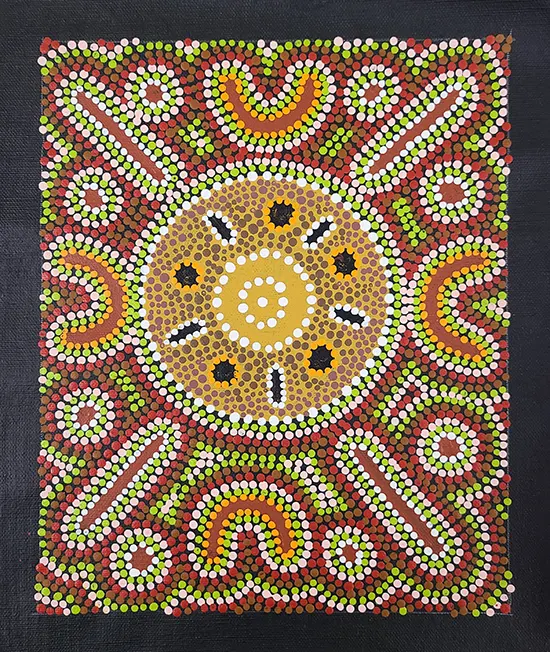
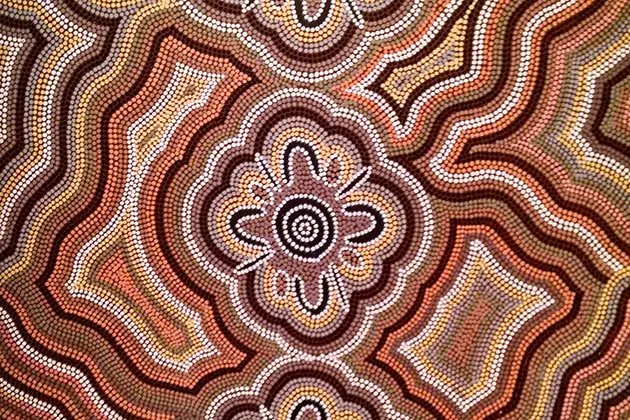
Indigenous art serves as a primary historical record for cultures that have historically relied on oral traditions rather than written texts. Through totem poles in the Pacific Northwest, beadwork among Plains nations, or bark paintings in Australia, these works document genealogy, treaties, and significant historical events. They provide a counter-narrative to colonial records, preserving the perspectives of people who were often marginalized or erased from official history books.
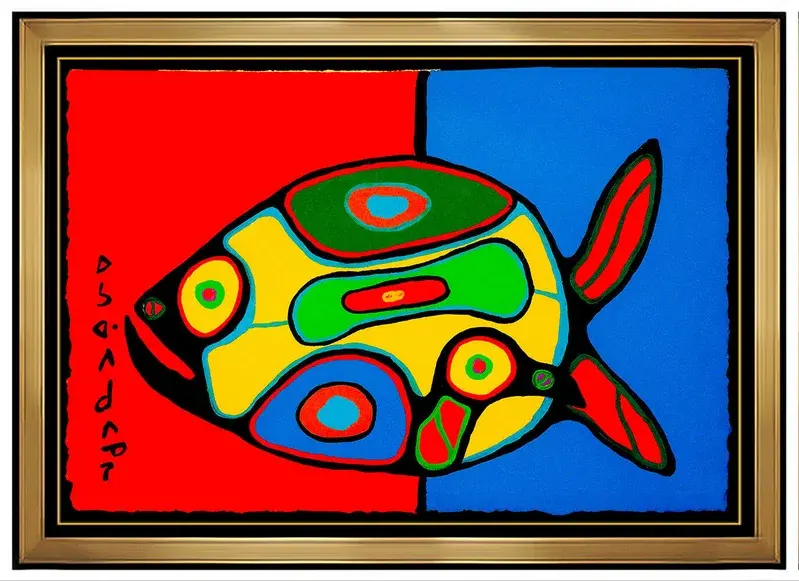
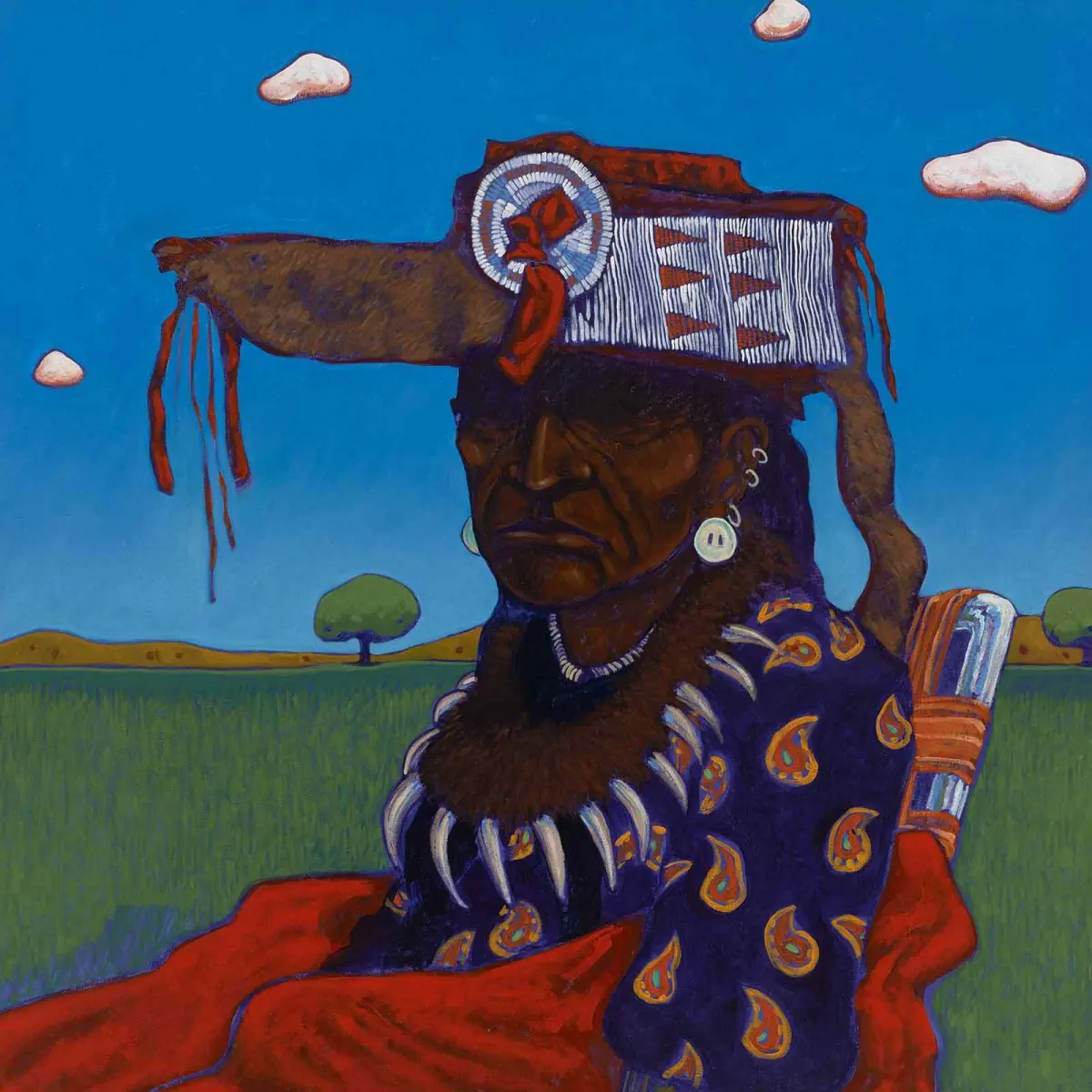
The significance of these works has evolved over time, moving from ethnographic curiosity to recognized fine art. In the 20th century, artists like Norval Morrisseau and George Morrison challenged the boundaries between "craft" and "fine art," forcing international institutions to re-evaluate their collections. Today, Indigenous art is central to the process of cultural reclamation and political advocacy. It forces viewers to confront the reality of ongoing colonization while celebrating the endurance and innovation of native peoples across the globe.
Common mistakes when collecting Indigenous art
The most significant mistake is the failure to distinguish between "Indigenous-made" and "Indigenous-inspired." The latter often involves cultural appropriation, where non-Indigenous creators profit from sacred designs without permission or understanding. This practice strips the art of its meaning and denies the original creators their intellectual property rights. Always prioritize purchasing directly from the artist or from galleries that provide transparent information about the creator’s background.
When building a collection, follow these steps to ensure ethical engagement:
- Research the specific tribe or nation associated with the art form you are interested in.
- Verify the artist's credentials through official tribal registries or reputable arts organizations.
- Ask questions about the symbolism used in the piece; an authentic artist is usually willing to discuss the cultural context.
- Avoid purchasing items that incorporate protected materials, such as feathers from endangered species, which are subject to strict international and local laws.
How to support Indigenous artists today
Supporting Indigenous art is a practical way to foster economic sovereignty and cultural preservation. The most direct method is buying art directly from the source, such as at tribal art markets, community-run galleries, or the artists' personal websites. By cutting out intermediaries, you ensure that the financial benefit goes directly to the creator and their community, providing resources for them to continue their traditional practices.
Beyond purchasing, you can support Indigenous artists by advocating for the protection of Indigenous intellectual property. Many artists struggle with the unauthorized use of their traditional patterns by fashion brands and corporations. Supporting legislation that protects traditional cultural expressions helps ensure that these communities retain control over their creative output. By visiting museums that center Indigenous voices and participating in cultural festivals, you help create a broader public appreciation for the diversity and sophistication of contemporary Indigenous art. This active engagement ensures that these vital traditions continue to flourish for future generations.
Key facts
- Indigenous art refers to creative works produced by the original inhabitants of a specific region, reflecting their unique cultural heritage and ancestral traditions.
- These art forms often serve functional, spiritual, or ceremonial purposes rather than being created solely for aesthetic display in a gallery.
- Materials used are frequently sourced locally, such as cedar wood in the Pacific Northwest, ochre in Australia, or seal skin in the Arctic.
- Many Indigenous art traditions are passed down through oral history and apprenticeship rather than formal academic training.
- Copyright and intellectual property laws often struggle to protect communal Indigenous designs, which are owned by tribes or clans rather than individuals.
- When purchasing Indigenous art, look for authentic labeling or certifications provided by tribal organizations to ensure the work is created by a member of that community.
The bottom line
Indigenous art is a profound expression of cultural identity, sovereignty, and history. It connects contemporary creators to their ancestors through materials, stories, and sacred techniques. By prioritizing authenticity and respecting the communal ownership of traditional designs, you can appreciate these diverse art forms responsibly. Engaging with Indigenous art requires an open mind and a commitment to honoring the living legacies of the world’s original peoples.
People also ask
How can I tell if a piece of Indigenous art is authentic?
Look for a certificate of authenticity or a signature from a known tribal artist. Avoid mass-produced items sold in souvenir shops that mimic traditional designs without tribal affiliation.
Is it appropriate for non-Indigenous people to create art using Indigenous motifs?
Using sacred patterns or symbols without permission is generally considered cultural appropriation. It is best to appreciate these works as an observer rather than attempting to replicate them.
Why are some Indigenous art forms considered "living traditions"?
These arts evolve over time as artists incorporate new materials and techniques while maintaining core cultural values. They are not static artifacts but continue to adapt to the modern world.
What is the difference between Indigenous art and folk art?
Indigenous art is specifically tied to the cultural identity and sovereignty of the original inhabitants of a land. Folk art is a broader category that refers to traditional art forms from any culture, often emphasizing common or rural life.
Can I display Indigenous ceremonial objects in my home?
Many ceremonial objects hold deep spiritual significance and are not intended for private decoration. It is respectful to research the cultural context of an item before acquiring it.
Where is the best place to view Indigenous art?
Visit museums dedicated to Indigenous history or galleries owned and operated by Indigenous artists. These spaces provide the necessary context and respect for the works on display.
This answer was created with the help of AI research tools and reference sources. Spotted an error? Let us know — we correct mistakes quickly. See our editorial policy.