What does a feather symbolize in art?
Short answer
Feathers in art primarily symbolize flight, divinity, lightness, and the soul’s ascension. Across cultures, they represent communication with the spiritual realm, truth, and moral integrity. Because of their delicate nature, they also frequently signify vanity or the fleeting quality of life, serving as a bridge between the physical and metaphysical worlds.
On this page
What does a feather symbolize in different cultures?
In ancient Egyptian mythology, the feather of Ma’at is perhaps the most iconic symbol of truth and cosmic order. During the ritual of the weighing of the heart, the deceased’s heart was measured against the ostrich feather of the goddess Ma’at. If the heart was lighter than or equal to the feather, the soul was deemed virtuous and allowed to enter the afterlife. This artistic motif emphasizes the moral weight of one’s actions and the necessity of living a balanced, truthful life.
In many Indigenous cultures across North America, feathers—particularly those from eagles—hold deep spiritual significance. They represent honor, strength, and a direct connection to the Creator. Artists often incorporate these feathers into regalia or paintings to denote leadership, bravery, or a successful transition into adulthood. Unlike the Western association with vanity, these feathers are treated as sacred objects that carry the prayers of the people upward, serving as a physical manifestation of divine communication and respect for the natural world.
How to interpret feathers in Renaissance art
During the Renaissance, artists frequently used feathers to denote social status and intellectual refinement. Elaborate plumes in portraits of nobility signified wealth, as exotic feathers from distant lands were expensive luxury goods. Painters like Titian or Hans Holbein the Younger captured the texture of ostrich or peacock plumes to showcase their technical mastery and to elevate the sitter’s perceived importance. These feathers functioned as visual shorthand for the sitter's worldly success and their ability to command resources from across the globe.
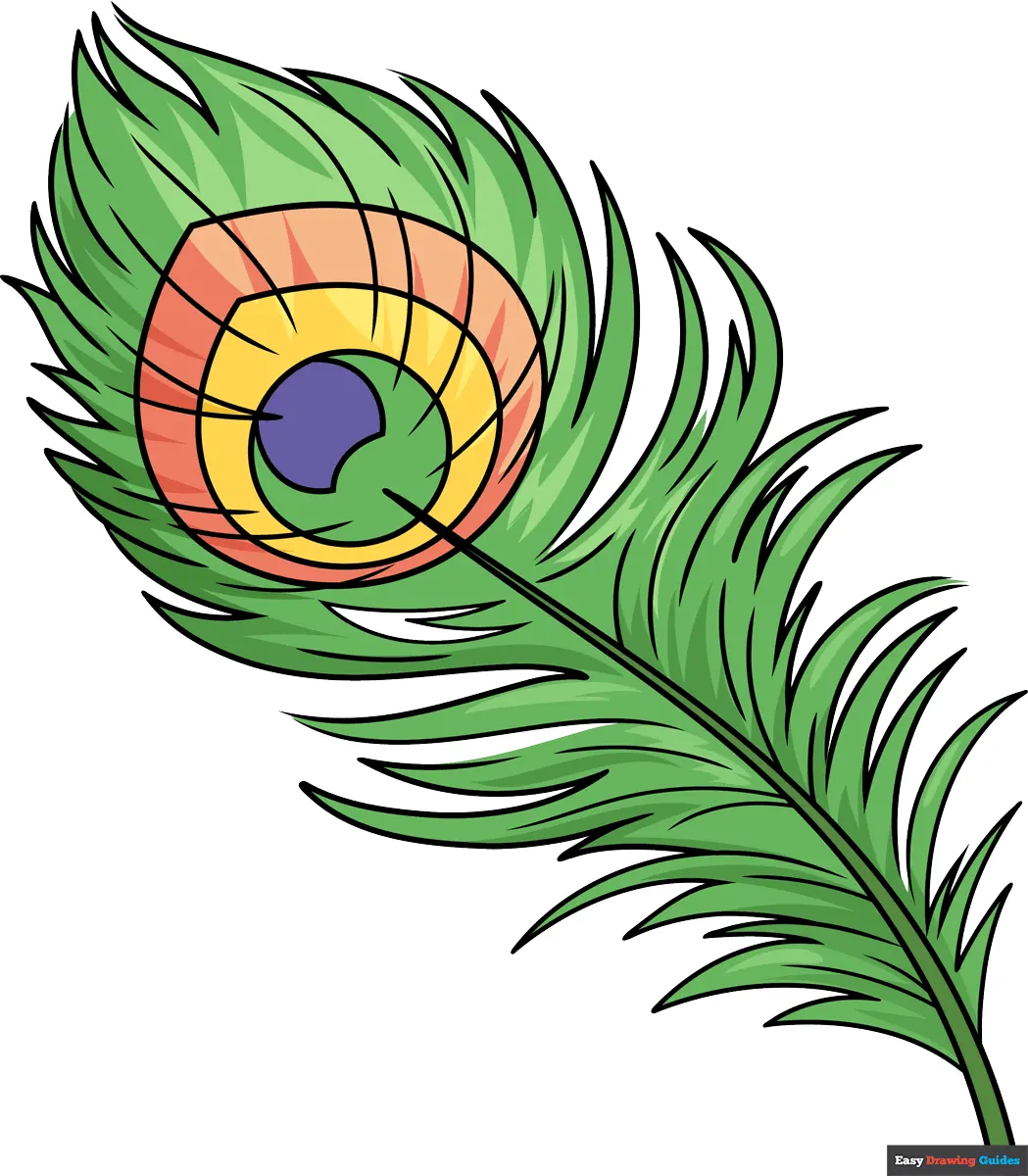
Beyond status, feathers in this period often carried allegorical meanings related to the senses or virtues. A peacock feather, for instance, was frequently associated with the "all-seeing" eye of God or the vanity of the material world. To properly interpret these works, consider the following visual cues:
- The presence of a peacock feather often links to pride or divine omniscience.
- White feathers frequently represent purity, innocence, or the Holy Spirit.
- Dark, molted feathers may suggest fallen status or the transience of beauty.
- Large, ornate plumes usually highlight the patron's economic power and social standing.
Why do feathers represent the soul and ascension?
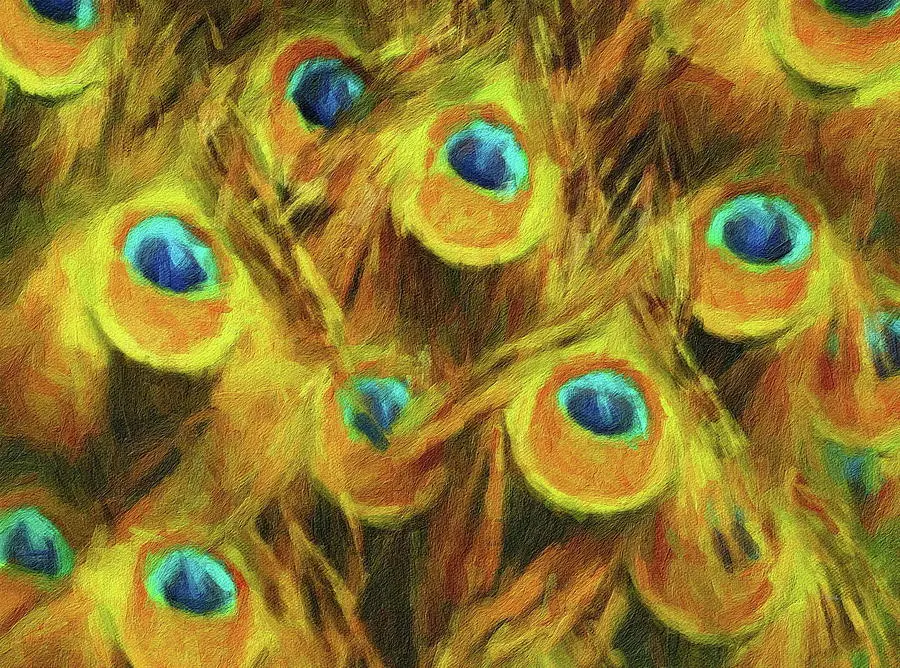
The association between feathers and the soul stems from their ability to defy gravity. Because feathers allow birds to traverse the sky, they have long been viewed as conduits between the earthly plane and the heavens. In Christian iconography, angels are depicted with wings to signify their role as messengers of God. The feather, as the primary component of flight, serves as a metonym for the angelic nature, representing the human aspiration to transcend physical limitations and achieve spiritual enlightenment or divine grace.
This concept of ascension is also prevalent in literature and visual arts depicting the human spirit leaving the body. Artists often portray a feather drifting upward to symbolize the soul’s departure at the moment of death. This imagery provides a sense of peace and lightness, suggesting that the spirit is unburdened by the weight of the physical body. By focusing on the delicate, airy quality of the feather, artists convey the transition from a heavy, material existence to a state of ethereal freedom.
Common mistakes when analyzing feather symbolism
One common error is assuming that a feather always carries a positive or spiritual connotation. In the Victorian era, for example, feathers became highly fashionable in women’s hats and fans, often signaling nothing more than a trend in high fashion. When viewing 19th-century portraits, it is essential to distinguish between a symbolic or religious inclusion and a purely decorative one. Ignoring the historical context of the piece can lead to an over-interpretation of what might simply be a stylistic choice driven by the era's aesthetic preferences.
Another mistake is failing to identify the specific bird represented, as different species historically carried distinct meanings. A hawk feather might symbolize war and sharp vision, while a dove feather almost universally signifies peace or the Holy Spirit. To avoid misinterpretation, follow these steps:
- Examine the shape, color, and pattern of the feather to identify the bird species.
- Research the cultural background of the artist to understand their specific symbolic lexicon.
- Look for accompanying symbols in the painting, such as scales, crowns, or religious icons.
- Assess the placement of the feather to see if it is being held, worn, or floating independently.
Best ways to incorporate feathers in your own art
If you are looking to incorporate feather symbolism into your own creative work, start by defining the specific emotion or concept you wish to convey. If you aim to depict lightness, focus on the translucent edges and the way light passes through the barbs. If you want to convey authority or strength, use larger, more structured feathers with bold, defined lines. The key is to ensure the texture matches the intended message, as a heavy, dark feather will communicate a very different tone than a soft, white down feather.
When practicing, avoid making the feather look too static or rigid, as this can detract from its inherent grace. Instead, try to capture the slight curvature and the organic, asymmetrical nature of the plume. You can experiment with different media, such as watercolor for a soft, ethereal effect or charcoal for a more dramatic, somber look. By focusing on the feather’s movement and its relationship to the surrounding space, you can effectively use this timeless symbol to add depth and narrative complexity to your artistic compositions.
Key facts
- In ancient Egyptian mythology, the ostrich feather of Maat represented truth, justice, and cosmic balance.
- Renaissance artists frequently depicted feathers in portraits to symbolize status, luxury, and the exotic nature of the sitter’s trade.
- During the Victorian era, a fallen feather was often interpreted as a sign of a guardian angel or a message from a deceased loved one.
- In Christian art, a peacock feather is a traditional symbol of immortality and the all-seeing eye of the church.
- When painting feathers, use a fine-pointed round brush to create individual barbs, as over-blending often causes the texture to look like fur instead of plumage.
- Avoid using pure black for shadows in white feathers; instead, use cool grays or pale blues to maintain a sense of translucency and lightness.
The bottom line
Feathers serve as versatile symbols in art, bridging the gap between physical reality and metaphysical meaning. Whether representing divine truth, intellectual pursuit, or the fragility of life, they provide artists with a rich visual vocabulary. By understanding these historical associations and technical nuances, you can better interpret the deeper narratives within a painting and improve your own ability to render these complex organic forms accurately.
People also ask
Why are feathers often associated with flight and freedom?
Because feathers are the biological structures that allow birds to overcome gravity, they have become universal metaphors for liberation. Artists use them to represent the human desire to transcend physical limitations and achieve spiritual ascension.
What does a quill pen symbolize in historical paintings?
A quill pen serves as a symbol of intellect, literacy, and the authority of the written word. It is frequently included in portraits of scholars and poets to emphasize their contribution to history and philosophy.
Are there negative connotations associated with feathers in art?
While rare, feathers can represent vanity or fleeting beauty, particularly when depicted as molted or scattered on the ground. This imagery often appears in vanitas still-life paintings to remind the viewer of the temporary nature of life.
How do Native American cultures use feathers in artistic traditions?
In many Indigenous cultures, eagle feathers are sacred objects that symbolize honor, bravery, and a direct connection to the divine. Their inclusion in regalia or art signifies high status and the fulfillment of significant communal responsibilities.
Why do artists use peacock feathers in decorative arts?
The iridescent "eye" of the peacock feather has historically symbolized watchfulness, pride, and royalty. During the Art Nouveau period, designers favored the feather for its complex, organic patterns and vibrant color palette.
How can I distinguish between different bird feathers in an artwork?
Look at the shape of the vane and the density of the barbs. Downy feathers appear soft and fluffy, while primary flight feathers are rigid, asymmetrical, and streamlined to show aerodynamic function.
This answer was created with the help of AI research tools and reference sources. Spotted an error? Let us know — we correct mistakes quickly. See our editorial policy.