What does the moon symbolize in art?
Short answer
The moon serves as a multifaceted symbol in art, representing femininity, mystery, the passage of time, and the subconscious. Across diverse cultures and eras, it acts as a visual shorthand for cycles, transformation, and the ethereal. Its shifting phases and nocturnal presence provide artists with a profound metaphor for human emotional states.
On this page
- Why does the moon symbolize femininity and fertility?
- How do artists use the moon to represent mystery and the subconscious?
- What is the moon’s role in depicting time and cycles?
- How to interpret the moon in Romantic and Gothic art?
- Common mistakes when using the moon as a symbol
- Key facts
- People also ask
Why does the moon symbolize femininity and fertility?
In many historical and mythological contexts, the moon is intrinsically linked to feminine energy and the cycles of life. This association stems largely from the synchronization of the lunar cycle, which lasts approximately 29.5 days, with the human menstrual cycle. Ancient civilizations often personified the moon as a goddess, such as the Greek Artemis or the Roman Diana, who governed childbirth, hunting, and the wilderness.
Artists frequently utilize the moon to represent the nurturing, intuitive, and receptive aspects of the feminine experience. In Renaissance paintings, the moon often appears as a crescent near the feet of the Virgin Mary, symbolizing her purity and dominion over the natural world. This iconography highlights the moon's role as a protector of life and a beacon of light in the darkness. By pairing the moon with feminine figures, artists suggest a deep, inherent connection between the celestial bodies and the biological rhythms of humanity.
How do artists use the moon to represent mystery and the subconscious?
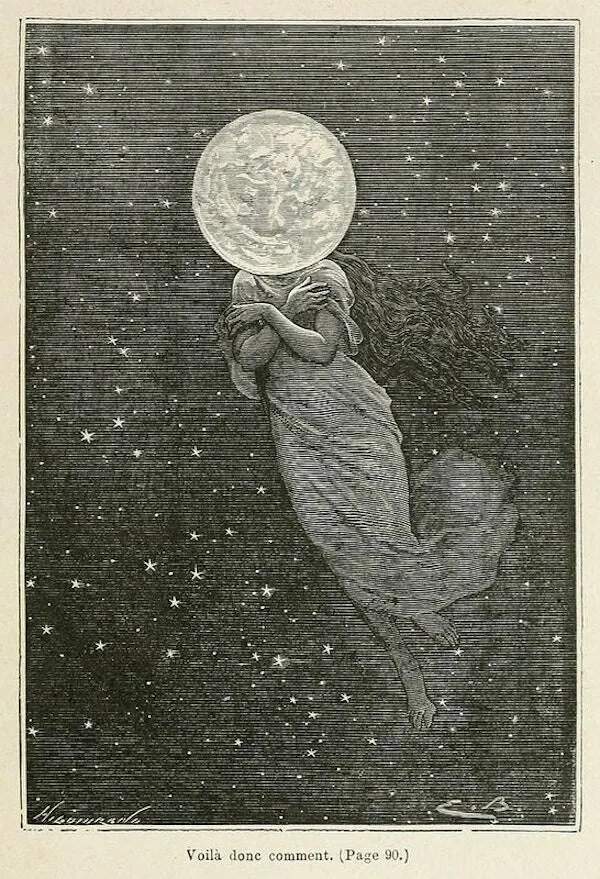
The moon’s appearance during the night makes it a powerful symbol for the hidden, the unknown, and the realm of dreams. Because the moon illuminates the world in a way that obscures color and detail, it encourages a sense of ambiguity. Surrealist painters, in particular, have long used the moon to represent the subconscious mind, where logic dissolves and imagination takes over.
When analyzing art featuring the moon, consider how the artist manipulates light and shadow:
- Sharp, high-contrast moonlight often suggests clarity or a moment of sudden realization.
- Soft, diffused lunar light typically represents nostalgia, longing, or a dreamlike state.
- Obscured or eclipsed moons often signify danger, secrecy, or the suppression of truth.
By placing the moon in a landscape, an artist can transform a mundane scene into a psychological space. The moon acts as an observer, watching over the secret activities of the night and reflecting the internal turmoil of the subjects depicted below.
What is the moon’s role in depicting time and cycles?
The moon is the most visible clock in the night sky, making it an ideal symbol for the inevitable passage of time. Its transformation from a thin crescent to a full orb and back again provides a visual narrative of growth, decay, and rebirth. In landscape art, the inclusion of different lunar phases can indicate the duration of an event or the cyclical nature of existence.
Artists often use the moon to anchor a scene in a specific temporal context, emphasizing the fleeting nature of human life against the backdrop of eternal celestial motion. This symbolism is prevalent in memento mori works, where the moon serves as a reminder that all things must eventually fade. To effectively use the moon to denote time in your own artistic compositions, follow these steps:
- Determine the narrative arc of your piece to see if a waxing or waning moon better suits the theme of growth or decline.
- Position the moon relative to the horizon to indicate the time of night, such as low for dusk or dawn and high for midnight.
- Integrate the moon’s light into the shadows of your subject to ground it within the environment.
How to interpret the moon in Romantic and Gothic art?
During the Romantic period of the 18th and 19th centuries, the moon became a central motif for expressing intense emotion and the "sublime." Artists like Caspar David Friedrich used the moon to evoke feelings of awe and loneliness, placing small human figures against vast, moonlit landscapes. This technique highlights the insignificance of the individual compared to the magnitude of the universe.
In Gothic art and literature, the moon takes on a more ominous tone, often associated with madness, ghosts, and the supernatural. The "lunatic," a term derived from the Latin word for moon, reflects the historical belief that the moon could influence human mental health. When viewing these works, look for how the artist uses the moon to heighten tension:
- A full moon often acts as a spotlight for dramatic action or revelation.
- A blood moon or a dark, obscured moon frequently signals impending doom or a break in the natural order.
- The moon’s reflection in water is often used to suggest a portal between reality and the spirit world.
Common mistakes when using the moon as a symbol
A frequent error in interpreting or creating art with lunar themes is ignoring the logical relationship between the moon and the light it casts. Many artists mistakenly paint a full moon with a shadow that contradicts the light source, which can distract the viewer and weaken the intended symbolic weight. Always ensure that the moon’s phase accurately dictates the intensity of the light hitting your subject.
Another common mistake is overusing the moon as a generic atmospheric prop without considering its cultural or emotional weight. To avoid this, focus on the specific phase and placement of the moon to reinforce your theme. Do not simply place a crescent moon in a scene for aesthetic appeal if the context requires the weight and authority of a full moon. By aligning the lunar symbol with the specific emotional goal of your work, you ensure that the celestial element serves a clear, purposeful role in your overall composition.
Key facts
- The moon is a universal symbol of femininity, cycles, and the passage of time across almost all global cultures.
- In Romantic-era painting, such as Caspar David Friedrich’s Two Men Contemplating the Moon (1819), the moon represents solitude and the sublime.
- Medieval and Renaissance art frequently depicted the moon under the feet of the Virgin Mary to signify her purity and dominion over the heavens.
- When painting or drawing the moon, avoid placing it in the center of the composition, as this creates a static, unnatural focal point.
- Use cool, desaturated blues and whites for moonlight to create a sense of distance and mystery, avoiding pure white which can look flat.
- To convey a sense of melancholy, place the moon low on the horizon; to convey hope or divinity, place it high in the sky.
The bottom line
The moon serves as a versatile artistic motif, shifting meaning from divine purity to melancholic solitude depending on its context. By mastering the placement and color temperature of the moon, artists can effectively manipulate the mood of their work. Whether representing the passage of time or the mystery of the subconscious, the moon remains one of the most powerful and enduring symbols in human creative history.
People also ask
Why is the moon often depicted as a crescent in religious art?
The crescent moon is a classic symbol of rebirth and the transition between life and death. It specifically represents the lunar cycle's renewal, making it a common motif in ancient iconography and modern spiritual art.
Does the moon have a different meaning in Eastern versus Western art?
In many Eastern traditions, the moon is associated with the concept of "emptiness" or the reflective mind in Zen Buddhism. Conversely, Western art often uses the moon to represent emotional states, romantic longing, or the passage of time.
What does a full moon symbolize in horror or dark art?
A full moon is traditionally linked to transformation, madness, and the uncovering of hidden truths. It serves as a catalyst for supernatural events, representing the moment when boundaries between the human and the beast dissolve.
How can I use the moon to improve the composition of a landscape?
Use the moon as a secondary light source to create long shadows and high-contrast silhouettes. This technique, known as chiaroscuro, adds depth to your work by guiding the viewer's eye through the scene.
Why do artists often pair the moon with the sun?
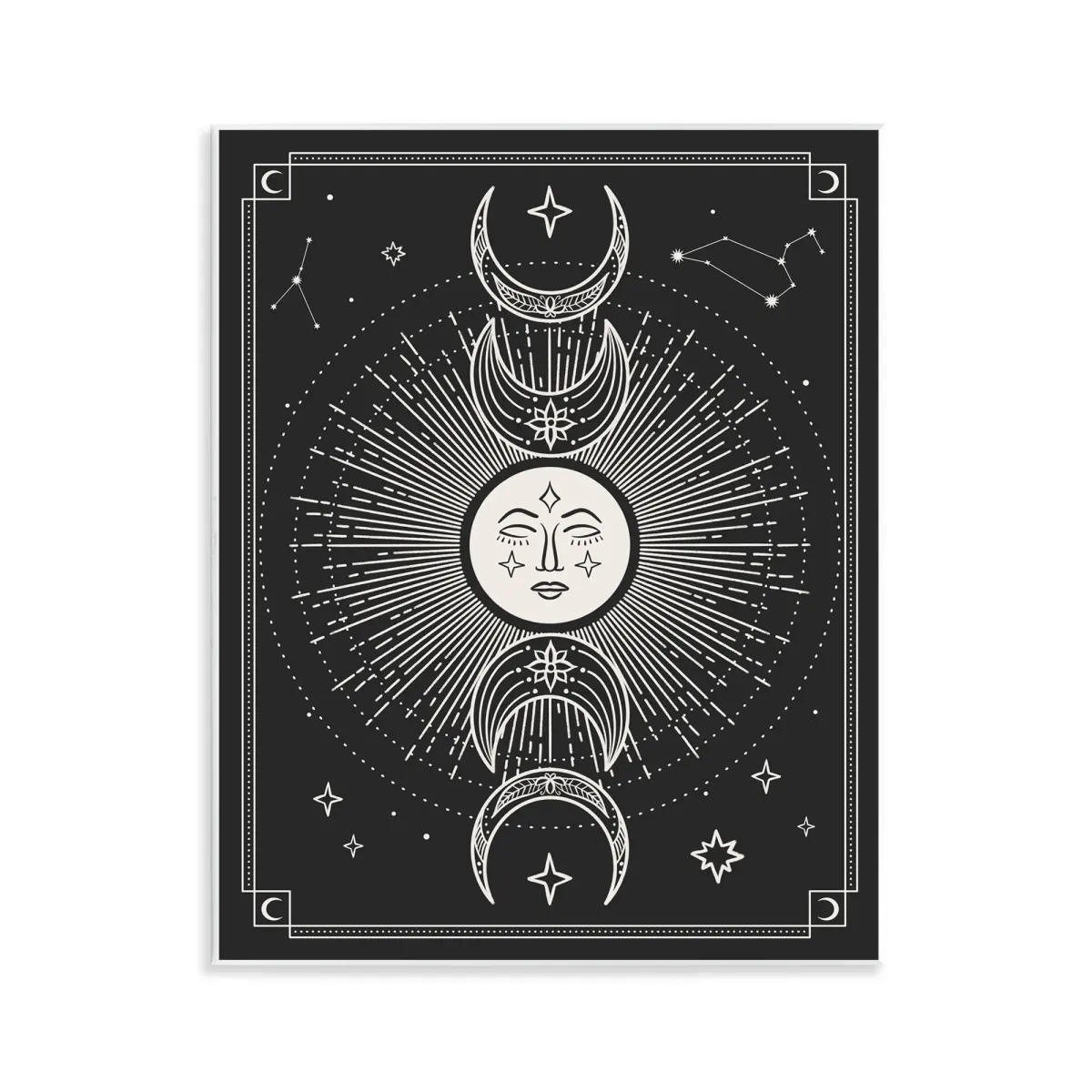
The sun and moon are frequently paired to symbolize duality, such as the balance between masculine and feminine energies. This binary signifies the harmony of opposites, often represented as the Sol and Luna in alchemical illustrations.
Are there specific colors I should avoid when painting moonlight?
Avoid using warm, saturated yellows or oranges for the moon itself, as these colors suggest daylight or fire. Even when the moon is bright, moonlight is essentially reflected sunlight that has been filtered and cooled by the atmosphere.
This answer was created with the help of AI research tools and reference sources. Spotted an error? Let us know — we correct mistakes quickly. See our editorial policy.