What does a dragon symbolize in art?
Short answer
Dragons symbolize a vast spectrum of human experience, ranging from primordial chaos and malevolent evil to wisdom, imperial authority, and elemental power. Their meaning shifts significantly between cultures, serving as metaphors for the untamable forces of nature, the trials of the hero, or the divine protection of the state.
On this page
What do dragons represent in Western art?
In Western art and literature, the dragon is most frequently depicted as a monstrous, reptilian adversary. Emerging from ancient Mesopotamian myths and later Christian iconography, these creatures typically represent chaos, sin, and the devil. Artists often portrayed them as fire-breathing obstacles that must be vanquished by a heroic figure, such as Saint George or the archangel Michael. This struggle symbolizes the triumph of order, faith, and virtue over darkness and temptation.
During the Middle Ages, the dragon became a staple of heraldry and illuminated manuscripts, often signifying the physical manifestation of greed or heresy. By the Renaissance, while the religious connotations remained, dragons also began to appear in allegorical works representing the dangers of unchecked pride. When analyzing these depictions, consider the following common symbolic traits:
- Scales: Representing impenetrable armor or the hardened nature of the sinner.
- Wings: Often bat-like, signifying a corruption of the natural order or demonic influence.
- Fire: Symbolizing destructive passion or the fires of hell.
How do Eastern dragons differ in meaning?
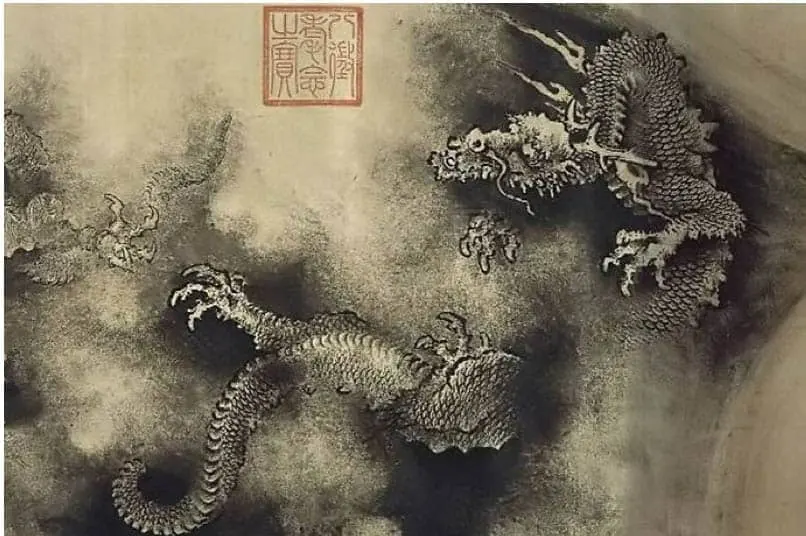
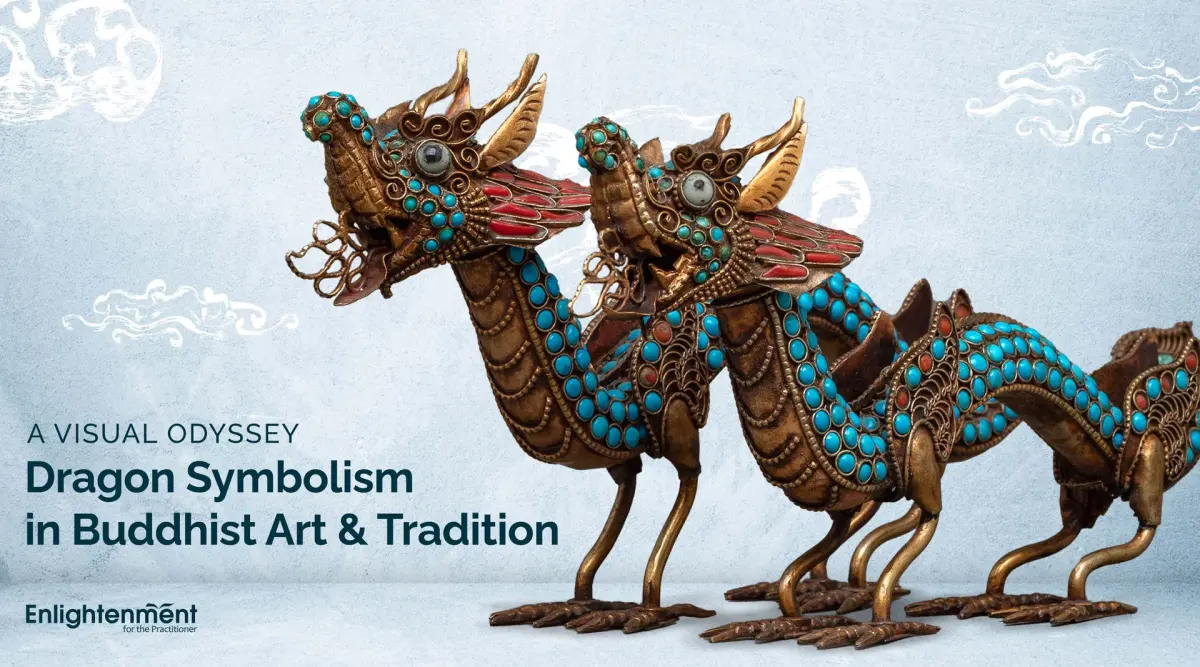
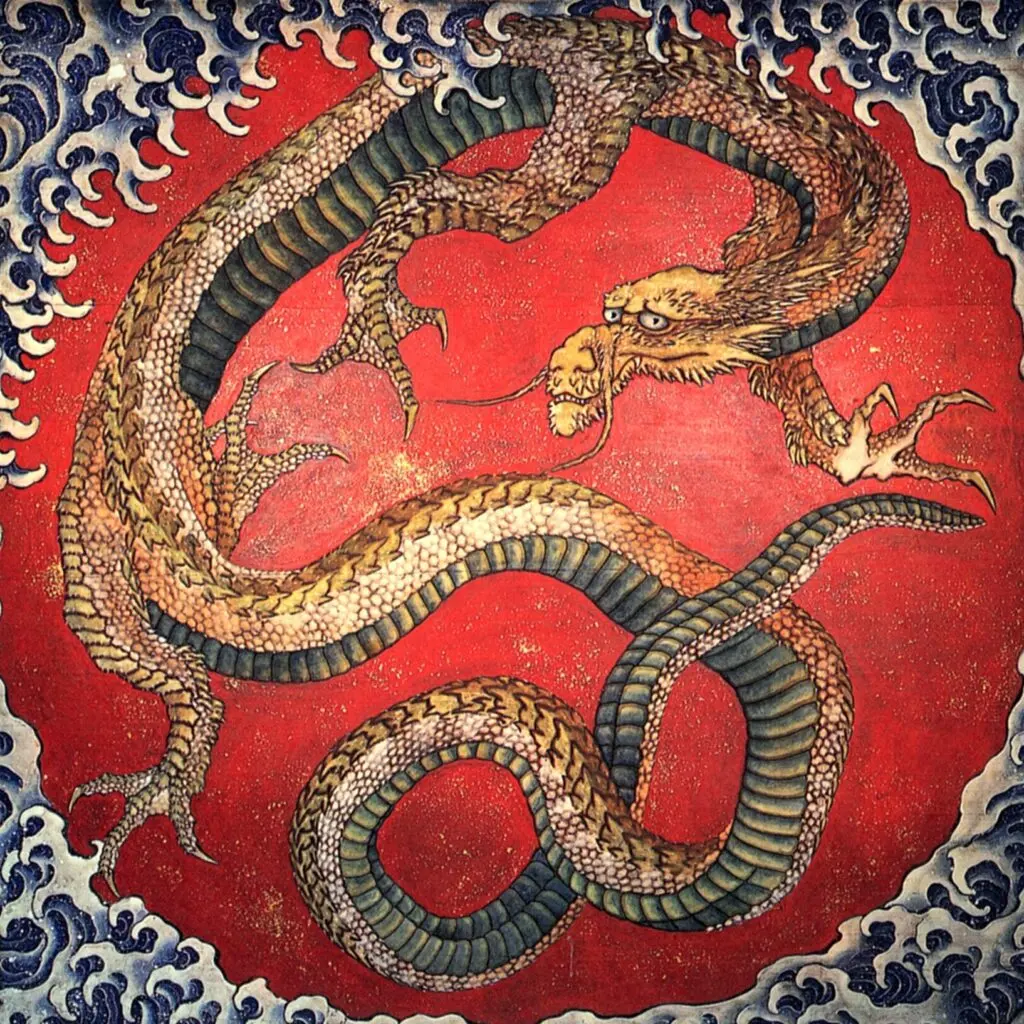
In East Asian art, particularly in China, Japan, and Korea, the dragon is a benevolent, auspicious creature. Unlike its Western counterpart, the Eastern dragon is a composite being—often described as having the head of a camel, the horns of a deer, and the claws of an eagle—that symbolizes wisdom, strength, and good fortune. They are closely linked to water, rain, and the agricultural cycle, acting as divine guardians of rivers, lakes, and the heavens.
These dragons are deeply tied to imperial authority and cosmic harmony. The five-clawed dragon, for instance, was historically reserved as the symbol of the Chinese Emperor, representing his mandate to rule. In artistic compositions, they are frequently shown chasing a flaming pearl, which signifies spiritual wisdom, enlightenment, and the pursuit of truth. To understand their role in a piece of art, look for these indicators:
- Presence of clouds or water: Indicates the dragon’s control over the weather.
- The flaming pearl: Signifies the pursuit of enlightenment or universal power.
- Serpentine body: Represents the fluidity and adaptability of the natural world.
Why are dragons used in political art?
Dragons have served as potent political symbols for millennia, acting as visual shorthand for national identity or dynastic legitimacy. Because of their association with power and invincibility, rulers frequently adopted the dragon as a heraldic emblem to intimidate rivals and inspire subjects. In medieval Wales, the "Y Ddraig Goch" (Red Dragon) became a symbol of resistance against invaders, eventually evolving into a core element of the national flag.
In modern political cartoons and propaganda, the dragon is often used to represent a country or a massive, looming threat. Artists may depict a nation as a dragon to suggest it is either a powerful protector or a predatory giant encroaching on global stability. When interpreting dragons in a political context, it is helpful to identify the specific traits emphasized by the artist:
- A dragon protecting a treasure: Often symbolizes a nation guarding its resources or economic interests.
- A multi-headed dragon: Frequently used to represent a complex, multifaceted enemy or a sprawling bureaucracy.
How to identify dragon symbolism in paintings?
When viewing a painting featuring a dragon, you can decode its meaning by examining the context of the surrounding figures and the setting. Start by identifying the dragon's posture and its relationship to other characters. If the dragon is being pierced by a sword or trampled, it almost certainly represents a negative force being conquered. Conversely, if the dragon is depicted floating among clouds or interacting peacefully with a sage, it represents a spiritual or natural force.
Avoid the common mistake of assuming all dragons are inherently evil or inherently good based on their appearance alone. Instead, look for the following visual cues:
- The color of the dragon: In some traditions, gold or yellow dragons signify royalty, while black or green dragons may represent storms or specific elemental forces.
- The number of claws: In historical Chinese art, the number of claws on a dragon’s foot often denoted the rank of the person or institution it represented.
- The presence of human figures: The interaction between the dragon and the human provides the most significant clue regarding whether the creature is a mentor, an enemy, or a neutral force of nature.
What are common mistakes when interpreting dragon art?
One frequent error is applying a singular, universal definition to the dragon across all global cultures. A viewer might mistakenly view a dragon in a Japanese print as a monster simply because they are familiar with the dragon-slaying myths of Europe. To avoid this, always research the cultural origin of the artwork. Understanding whether the piece is rooted in Greco-Roman, Christian, or Confucian traditions is essential for an accurate interpretation of the symbols present.
Another mistake is ignoring the environmental context of the dragon. A dragon depicted in a barren, rocky landscape carries a different symbolic weight than one depicted amidst lush vegetation or swirling water. The environment often dictates whether the dragon represents a destructive force or a life-giving one. By carefully observing the landscape, the historical context, and the specific cultural traditions of the artist, you can accurately decipher the complex narrative the dragon is intended to convey within the work of art.
Key facts
- In East Asian tradition, the dragon is a benevolent symbol of imperial power, wisdom, and control over water and weather.
- Western European art frequently portrays the dragon as a malevolent, fire-breathing monster representing chaos, sin, or the devil.
- The Chinese dragon is traditionally depicted with the body of a snake, the scales of a carp, and the claws of an eagle.
- Medieval European bestiaries often used the dragon to symbolize the struggle between good and evil, specifically in depictions of Saint George.
- When analyzing dragon art, look for the number of claws; five-clawed dragons were historically reserved exclusively for the Chinese emperor.
- To identify a dragon's symbolic intent, observe its environment: water-dwelling dragons usually denote life and fertility, while cave-dwelling dragons denote greed and destruction.
The bottom line
The dragon is one of the most versatile symbols in art history, acting as a bridge between the physical and spiritual realms. Whether serving as a benevolent guardian of the heavens in the East or a terrifying embodiment of sin in the West, the dragon reflects the cultural anxieties and aspirations of its creators. Understanding its context is essential to interpreting its true symbolic weight.
People also ask
Why do Eastern and Western dragons look different?
Eastern dragons are typically serpentine and wingless, reflecting a connection to water and celestial wisdom. Western dragons are often depicted as robust, winged, reptilian beasts associated with earthly greed and destructive fire.
What does it mean when a dragon is depicted with a pearl?
In Asian art, a dragon chasing or holding a flaming pearl represents the pursuit of wisdom, spiritual energy, and enlightenment. The pearl is often seen as a symbol of the dragon's own inner power or the moon.
Is the dragon always a villain in Western art?
While usually a symbol of evil, dragons in heraldry can represent courage, protection, and strength. A dragon on a coat of arms often signifies that the bearer has defeated a formidable enemy.
How can I tell if a dragon represents royalty?
In historical Chinese art, the number of claws is the primary indicator. A dragon with five claws represents the emperor, while those with four or three claws were used by lower-ranking officials or the general public.
What is the significance of the dragon in alchemy?
Alchemists used the dragon, often depicted as an Ouroboros eating its own tail, to symbolize the cyclical nature of life and the transmutation of base metals into gold. It represents the unity of matter and the infinite.
Are there gender differences in dragon symbolism?
In many traditions, the dragon is considered a masculine, yang force. However, in some mythologies, dragons are associated with the feminine, earthy, and chthonic powers of the hidden world.
This answer was created with the help of AI research tools and reference sources. Spotted an error? Let us know — we correct mistakes quickly. See our editorial policy.