What is Inuit art?
Short answer
Inuit art refers to the creative output of the Indigenous peoples of the Arctic, encompassing traditional carvings, prints, textiles, and contemporary multimedia works. Rooted in ancestral survival and spiritual storytelling, it utilizes materials like soapstone, bone, and antler to reflect the unique relationship between Inuit culture and the harsh northern environment.
On this page
What are the traditional materials used in Inuit art?
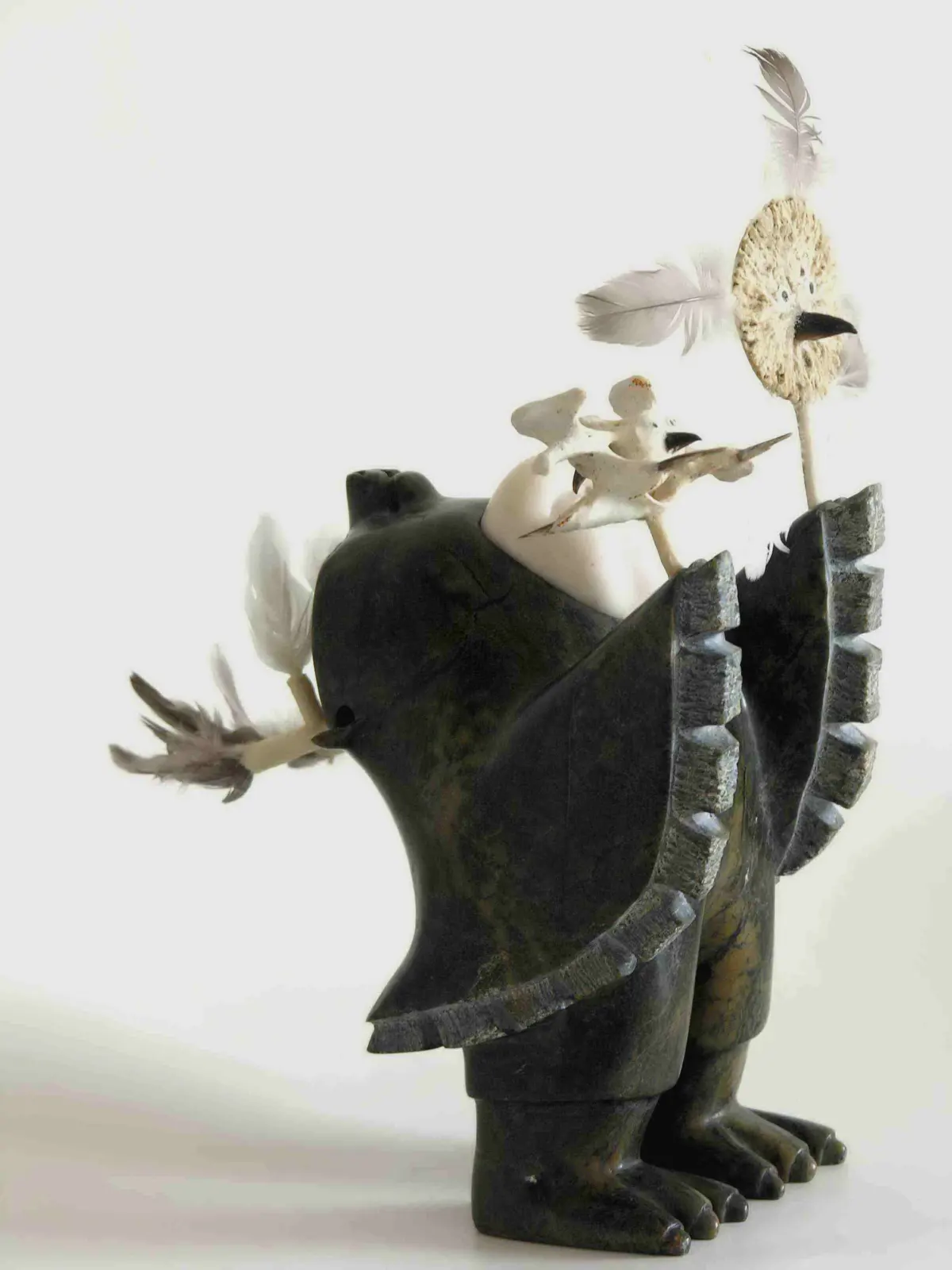
Historically, Inuit artists relied exclusively on materials harvested from their immediate environment. Because the Arctic landscape lacks trees, traditional sculpture was dominated by carving materials that were durable and readily available during seasonal hunts. Soapstone, a soft metamorphic rock, is the most iconic medium, prized for its ability to be shaped with hand tools and its rich, varied coloration.
Beyond stone, artists frequently incorporate organic materials into their work. These include:
- Walrus ivory, often used for intricate figurines and tools.
- Caribou antler, which provides a sturdy, textured surface for carving.
- Whale bone, particularly vertebrae and ribs, which offers large, porous surfaces for expressive, abstract forms.
- Muskox horn, valued for its density and unique grain.
These materials are not merely aesthetic choices; they represent a deep connection to the land and the animals that have sustained Inuit life for millennia. While modern tools have evolved, the preference for these raw, natural materials remains a defining characteristic of the medium, grounding the art in the physical reality of the Arctic.
How has Inuit art evolved over time?
Inuit artistic expression has shifted from utilitarian craft to a globally recognized fine art form. Before the mid-20th century, carvings were primarily functional, such as amulets, needles, or gaming pieces. The 1940s marked a turning point when artist James Houston encouraged Inuit creators in Cape Dorset to produce carvings for southern markets, sparking a massive cultural and economic movement.
This evolution introduced new techniques and themes to the Inuit repertoire:
- The introduction of printmaking in the 1950s, which allowed for the translation of oral histories into two-dimensional visual narratives.
- The adoption of western drawing media, such as colored pencils and markers, which expanded the color palette beyond natural earth tones.
- The rise of contemporary multimedia, where artists now incorporate digital photography, video, and performance art to address modern political and social issues.
Despite these changes, the core subject matter remains remarkably consistent. Themes of transformation, the interconnectedness of humans and animals, and the endurance of the Inuit spirit continue to anchor the work, bridging the gap between ancient traditions and modern global discourse.
How can you identify authentic Inuit art?
Authenticity is a primary concern for collectors and enthusiasts. To protect the integrity of the market, the Canadian government and Inuit organizations established the Igloo Tag trademark. This small, circular tag features a symbol of an igloo and serves as a guarantee that the piece was created by an Inuit artist.
When evaluating a piece, consider these indicators of quality and origin:
- Look for the Igloo Tag, which is the official mark of authenticity for Inuit-produced art.
- Examine the signature or syllabics etched into the base, which often identify the individual artist and their community.
- Research the artist’s reputation, as many Inuit sculptors have established long careers with specific regional styles.
- Be wary of mass-produced "tourist art" that mimics Inuit aesthetics but is created by non-Inuit manufacturers using resin or plastic molds.
Authentic pieces often carry a weight and texture that mass-produced items lack. If a piece feels like lightweight plastic or shows visible mold seams, it is almost certainly a reproduction rather than an authentic, hand-carved work of art.
Common mistakes when collecting Inuit art
New collectors often make errors that affect the value and preservation of their pieces. One frequent mistake is prioritizing the "cuteness" of a carving over its technical skill or cultural significance. While many Inuit carvings depict charming animals, the most valuable pieces often demonstrate a high degree of anatomical accuracy, complex composition, or profound storytelling.
Another common pitfall involves improper storage and maintenance. Inuit art, particularly works made of bone or ivory, is sensitive to environmental changes.
- Avoid placing carvings in direct sunlight, which can cause the stone or bone to fade or crack.
- Do not use harsh chemical cleaners; a soft, dry cloth is sufficient for dusting.
- Maintain consistent humidity levels, as extreme dryness can lead to splitting in organic materials like whale bone.
- Never attempt to repair a broken carving with household glues, as this significantly diminishes the piece's resale value and historical integrity.
Investing in Inuit art requires patience and research. By avoiding these common errors, collectors ensure that they are supporting the artists directly while preserving the cultural legacy of the work for future generations.
Where can I see and learn more about Inuit art?
The best way to appreciate the depth of Inuit art is to visit institutions dedicated to its preservation. Major museums, such as the Winnipeg Art Gallery-Qaumajuq, house the world’s largest public collection of contemporary Inuit art. These spaces provide crucial context, explaining the myths and legends that inspire specific carvings and prints, which might otherwise seem cryptic to an outsider.
If you are beginning your journey, consider these resources:
- Visit regional galleries in hubs like Iqaluit or Cape Dorset to see works in their cultural context.
- Consult online databases provided by the Inuit Art Foundation, which offer biographies of artists and historical overviews.
- Attend auctions or gallery openings that feature Inuit artists, as these events often provide opportunities to hear the creators discuss their inspiration directly.
- Read monographs and exhibition catalogs that explore the transition from traditional life to modern artistic production.
Engaging with the art through these channels transforms a simple purchase into a meaningful connection with Arctic culture. By understanding the history and the hands behind the work, you gain a much deeper appreciation for the resilience and creativity inherent in every piece.
Key facts
- Inuit art originates from the Indigenous peoples of the Arctic regions, including Canada, Greenland, Alaska, and Siberia.
- Traditional carvings are frequently made from soapstone, serpentine, ivory, whalebone, and antler.
- The Cape Dorset (Kinngait) community is world-renowned for its printmaking studios, which began operating in the late 1950s.
- Collectors should look for the "Igloo Tag," an official trademark issued by the Canadian government to verify authentic Inuit-made works.
- Avoid purchasing items made from protected species like narwhal or walrus ivory unless they are accompanied by legal documentation of origin.
- Contemporary Inuit art often blends traditional themes of Arctic survival and mythology with modern social commentary and abstract forms.
The bottom line
Inuit art is a vibrant, evolving tradition that bridges ancient storytelling with contemporary artistic expression. By utilizing materials found in the Arctic landscape, artists preserve their cultural heritage while engaging with a global market. Whether through stone sculpture or modern printmaking, these works offer a profound window into the resilience and creativity of the Inuit people, making them significant pieces for any art collection.
People also ask
How can I tell if a piece of Inuit art is authentic?
Look for the Igloo Tag, a government-certified sticker that serves as a guarantee of authenticity for works produced in Canada. Additionally, reputable galleries will provide provenance documentation identifying the specific artist and their community of origin.
What are the most common subjects depicted in Inuit carvings?
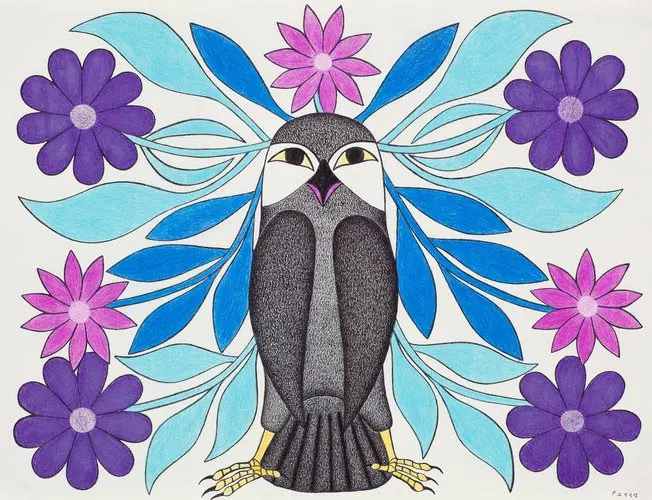
Common themes include Arctic wildlife such as polar bears, seals, and owls, as well as scenes of daily life and spiritual figures like the sea goddess Sedna. These subjects reflect the deep connection between the Inuit people and the harsh, beautiful environment of the North.
Is all Inuit art made of stone?
No, while stone carving is the most famous medium, Inuit artists also work with whalebone, caribou antler, and walrus ivory. In recent decades, artists have expanded into textiles, photography, digital media, and jewelry design.
What is the significance of printmaking in Inuit art?
Printmaking was introduced to the Arctic in the 1950s as a way for artists to share their stories with a global audience. Techniques like stonecut and stencil printing allow artists to create multiple impressions of their intricate drawings.
Are there specific regions known for particular styles of art?
Yes, different communities often have distinct styles, such as the fluid, rounded soapstone figures from Cape Dorset or the more detailed, realistic ivory carvings from Alaska. These regional variations are often tied to the availability of local materials and historical cultural practices.
How should I care for a stone carving?
Keep stone carvings away from direct sunlight and extreme heat to prevent the stone from drying out or cracking. Dust them gently with a soft, dry cloth and avoid using chemical cleaners or oils that can alter the natural finish of the stone.
This answer was created with the help of AI research tools and reference sources. Spotted an error? Let us know — we correct mistakes quickly. See our editorial policy.