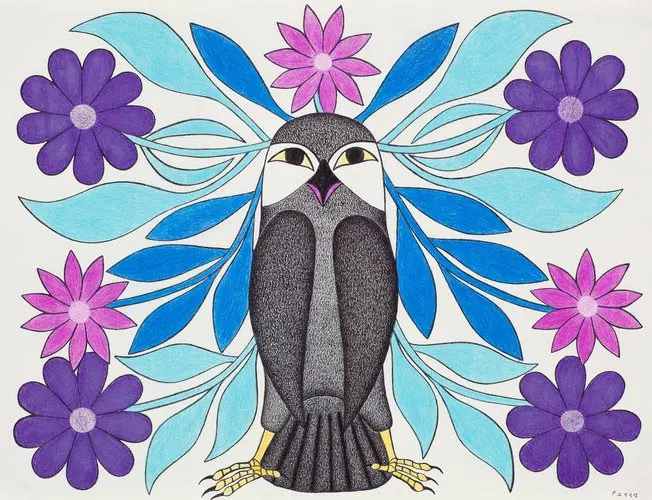
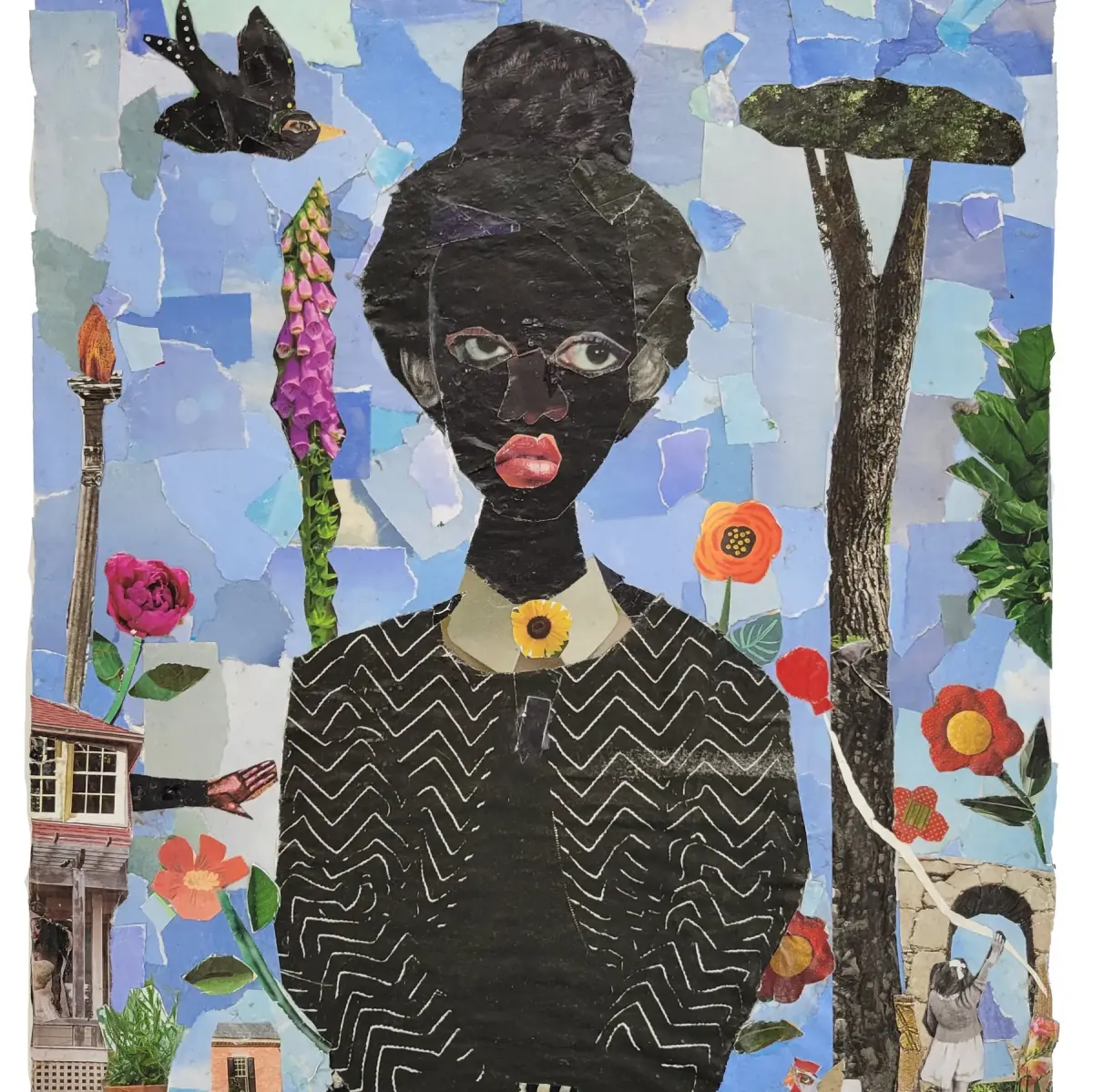
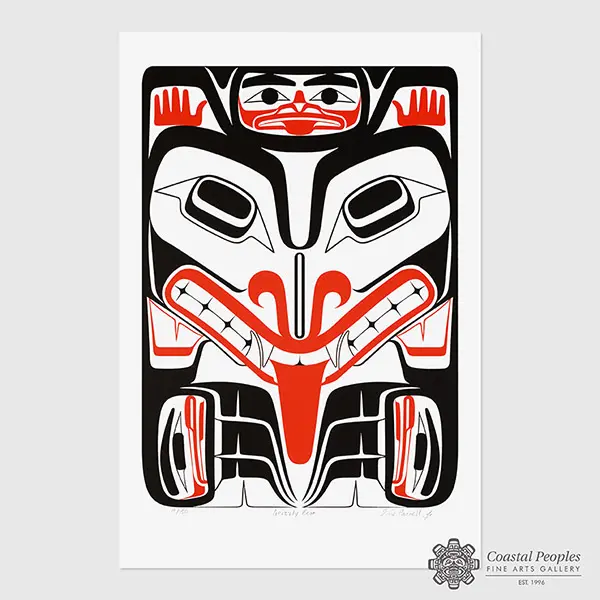
What is folk art?
Short answer
Folk art refers to utilitarian or decorative objects created by individuals within a specific cultural community, typically outside the formal traditions of professional fine art. It is characterized by functional craftsmanship, traditional techniques passed down through generations, and a focus on expressing local identity, religious beliefs, or daily life experiences.
On this page
What defines folk art?
Folk art is primarily defined by its connection to a community’s heritage rather than the individualistic pursuit of "high art" seen in galleries. It encompasses a vast array of objects, including quilts, pottery, wood carvings, metalwork, and decorated furniture. These items are often made by self-taught artists who utilize locally sourced materials and time-honored methods. Because the focus is on utility and cultural continuity, the artist’s name is frequently lost to history, emphasizing the collective spirit of the craft.
The aesthetic of folk art is often described as naive or primitive, but this is a misconception. These works are highly sophisticated within their own cultural context, requiring deep technical knowledge of materials like clay, wool, or timber. While fine art is often created for aesthetic contemplation, folk art is deeply rooted in the functional needs of a household or the ritualistic requirements of a community. It serves as a visual record of a people's history and values.
How to identify authentic folk art
Distinguishing authentic folk art from mass-produced souvenirs requires a keen eye for detail and context. Authentic pieces usually exhibit signs of hand-tooling, such as irregular stitches in a quilt or slight imbalances in a hand-thrown ceramic vessel. These imperfections are not flaws but markers of human labor and personal expression. When examining a potential piece, look for evidence of traditional motifs that are specific to a geographic region or ethnic group, such as Pennsylvania Dutch hex signs or Japanese sashiko embroidery.
To verify the authenticity of a piece, consider the following checklist:
- Material consistency: Does the object use materials that were historically available to the community?
- Tool marks: Are there visible signs of manual carving, weaving, or forging rather than industrial stamping?
- Cultural provenance: Does the design reflect specific regional patterns or symbolic meanings?
- Aging patterns: Does the wear and tear appear consistent with the age and function of the object?
Why folk art remains relevant today
Folk art provides a vital link to the past, preserving skills that might otherwise vanish in an era of globalized manufacturing. As societies become increasingly digital, the tactile nature of folk art offers a grounding experience that connects people to their ancestors and their environment. It celebrates the "vernacular"—the language of the common person—and highlights the creativity inherent in daily life. This relevance has led to a modern resurgence in interest, as collectors and historians seek to protect these cultural artifacts.
Furthermore, folk art is a dynamic, living tradition rather than a static relic. Contemporary artists often blend traditional folk techniques with modern materials to address current social issues. This evolution ensures that folk art remains a vibrant form of expression that reflects the changing world. By supporting local artisans who practice these traditional crafts, collectors help sustain the economic and cultural health of their communities, ensuring that these unique artistic voices continue to thrive for future generations.
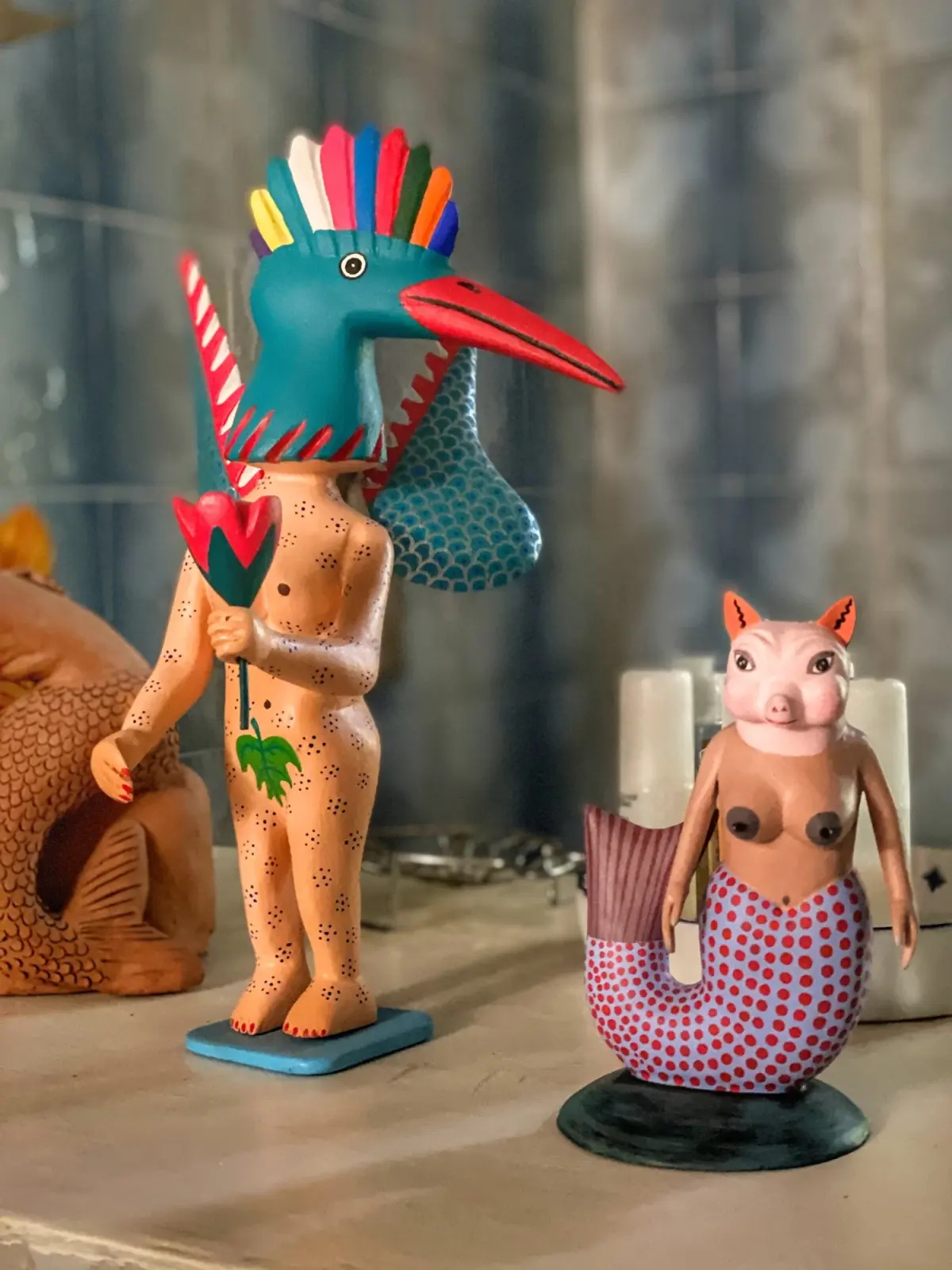
Common mistakes when collecting folk art
Many beginners make the mistake of prioritizing "old" over "authentic," leading them to purchase mass-produced antiques that lack genuine folk origins. A common error is assuming that any handmade item from a rural area qualifies as folk art. In reality, folk art must be rooted in a specific cultural tradition. Another mistake is ignoring the condition of the piece; while some wear is expected, significant structural damage can diminish both the artistic integrity and the long-term value of the object.
To avoid these pitfalls, follow these steps:
- Research the specific region or culture you are interested in to understand their historical material use.
- Avoid items that look suspiciously uniform or perfectly symmetrical, as these are often machine-made.
- Consult with reputable museum curators or specialized dealers who focus on regional heritage.
- Purchase from artists or estates that can provide a clear history of how the object was made.
- Focus on the story behind the object rather than just its decorative appeal.
How to preserve folk art at home
Preserving folk art requires careful attention to environmental factors that can degrade natural materials like wood, textiles, and organic pigments. Most folk art is made from materials that are sensitive to light, humidity, and temperature fluctuations. To keep these items in good condition, display them away from direct sunlight, which can cause colors to fade and natural fibers to become brittle. Consistent indoor humidity levels are also essential to prevent wood from cracking or mold from forming on organic surfaces.
When cleaning folk art, it is best to use the least invasive methods possible. Avoid harsh chemical cleaners, as they can strip away original finishes or damage delicate surfaces. For textiles, store them flat in acid-free boxes to prevent stress on the fibers. For wooden or metal objects, a light dusting with a soft, dry cloth is usually sufficient. If you are unsure about a restoration project, always consult a professional conservator before attempting any repairs, as amateur fixes can permanently destroy the historical value of the piece.
Key facts
- Folk art is created by self-taught individuals rather than artists trained in formal academic institutions.
- It often utilizes locally sourced, inexpensive materials like wood, clay, fabric, or recycled metal.
- The primary purpose of folk art is traditionally functional or communal, serving domestic needs or religious rituals.
- Stylistic choices in folk art are heavily influenced by regional traditions, cultural heritage, and ancestral techniques.
- Unlike fine art, folk art is frequently anonymous, with many historical pieces lacking a recorded maker’s name.
- To identify authentic folk art, look for intentional imperfections that reflect the human hand and local community aesthetics.
The bottom line
Folk art represents the creative spirit of ordinary people, blending utility with cultural identity. By utilizing accessible materials and passed-down techniques, these self-taught creators produce works that reflect the history and values of their communities. Whether you are observing a historical quilt or a modern wood carving, understanding the context behind the object allows you to appreciate the enduring human connection inherent in every piece.
People also ask
How does folk art differ from fine art?
Fine art is typically produced by artists with formal training and is intended for galleries or private collections. Folk art is rooted in community traditions and focuses on utilitarian or decorative objects made by self-taught creators.
Is craft the same thing as folk art?
While they overlap, craft often emphasizes the technical skill of making an object, whereas folk art emphasizes the cultural narrative and traditional style. All folk art involves craft, but not all craft is considered folk art.
Can folk art be considered high-value?
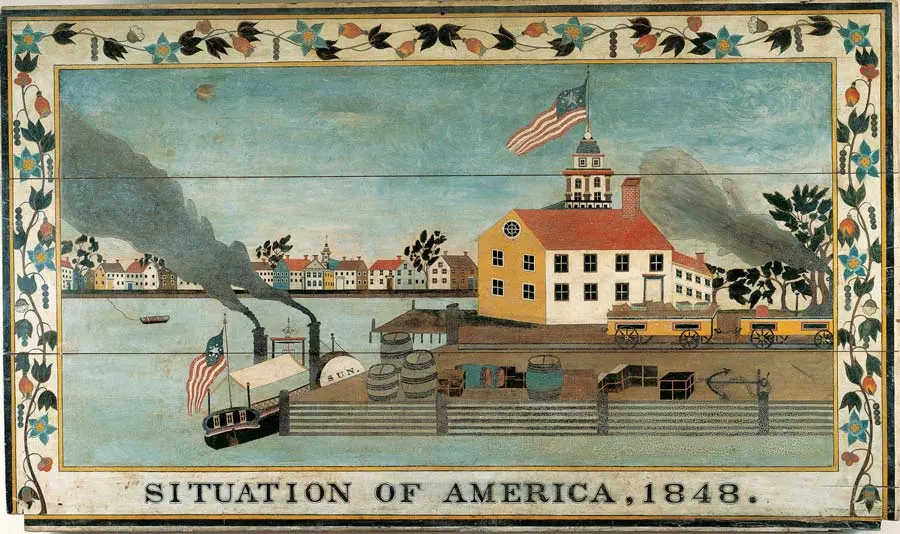
Yes, many historical folk art pieces, such as 19th-century American weathervanes or quilts, are highly sought after by collectors. Their value is determined by rarity, historical significance, and the quality of the local craftsmanship.
What are some common mistakes when collecting folk art?
A common mistake is assuming that "old" automatically means "authentic folk art." Collectors should watch for mass-produced items made to look rustic and always research the specific regional history of the object.
How can I start a folk art collection on a budget?
Focus on contemporary folk artists in your local area or look for small, functional items like hand-painted ceramics or textiles. Attending local craft fairs is an excellent way to find authentic pieces directly from the makers.
Does folk art have to be old to be authentic?
No, folk art is a living tradition that continues to evolve today. Contemporary folk artists often use modern materials to express traditional cultural themes, keeping the art form relevant and vibrant.
This answer was created with the help of AI research tools and reference sources. Spotted an error? Let us know — we correct mistakes quickly. See our editorial policy.