How did art change during the Renaissance?
Short answer
Renaissance art shifted from the rigid, symbolic styles of the Middle Ages to a focus on humanism, anatomical accuracy, and mathematical perspective. Artists transitioned from depicting flat, divine figures to realistic humans in natural settings. This era, spanning roughly 1400 to 1600, fundamentally transformed visual expression through scientific observation and classical antiquity.
On this page
How did Renaissance art change perspective?
Before the 15th century, most European art lacked depth, often appearing flat or using size to denote importance rather than distance. The Renaissance introduced linear perspective, a mathematical system that allowed artists to create the illusion of three-dimensional space on a two-dimensional surface. Filippo Brunelleschi is credited with formalizing these rules around 1415, which fundamentally altered how viewers experienced paintings.
By using a single vanishing point on the horizon line, artists could make parallel lines appear to converge as they receded into the distance. This technique provided a rational, orderly view of the world that mirrored the era’s scientific interests. Painters like Masaccio used this to make architectural backgrounds look realistic, effectively pulling the viewer into the scene.
- Establish a horizon line at the eye level of the viewer.
- Select a single vanishing point on that line.
- Draw orthogonal lines from the edges of objects toward the vanishing point.
- Scale objects smaller as they approach the vanishing point to simulate distance.
Why did artists focus on human anatomy?
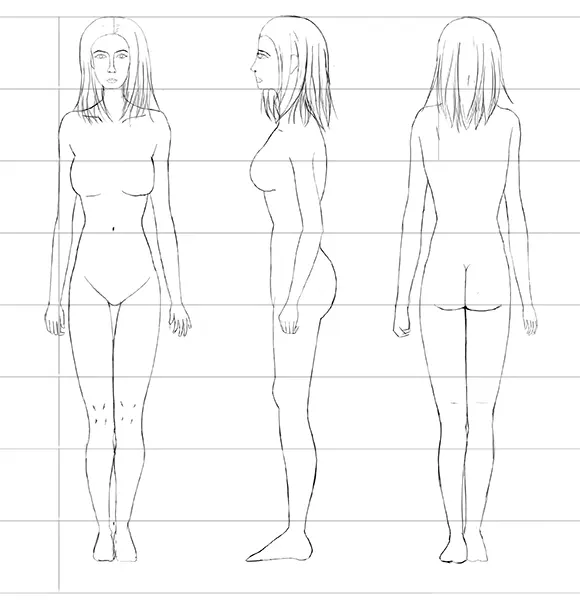
Renaissance artists moved away from stylized, elongated figures to prioritize the realistic representation of the human body. This shift was fueled by a renewed interest in classical Greek and Roman statues, which celebrated the physical form. Artists began studying human anatomy through dissection and observation to understand how muscles and bones functioned under the skin.
Leonardo da Vinci and Michelangelo were central to this development, producing detailed anatomical sketches that informed their masterpieces. By capturing the subtle tension of a muscle or the weight of a body in motion, they infused their figures with newfound vitality and psychological depth. This focus on the "human" element reflected the broader cultural movement of humanism, which placed mankind at the center of the intellectual universe.
- Observe the skeletal structure beneath the surface to determine posture.
- Use "contrapposto," a pose where the weight is shifted onto one leg, to create a sense of natural movement.
- Study the play of light and shadow, known as chiaroscuro, to define the volume of limbs and torsos.
What materials did Renaissance artists use?
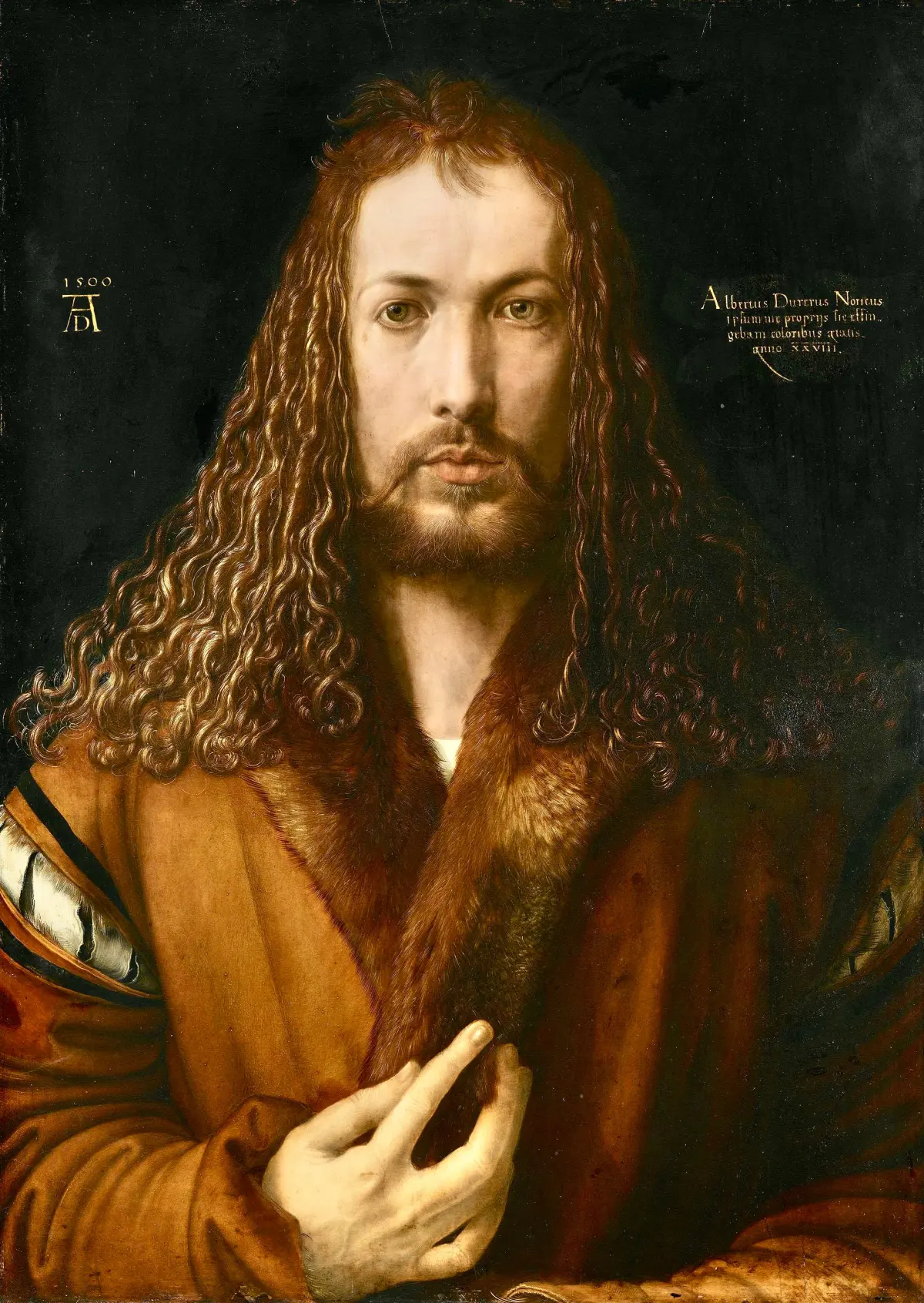
The transition from tempera to oil paint was one of the most significant technical shifts of the period. Tempera, which used egg yolk as a binder, dried very quickly and made blending colors difficult. Oil paint, popularized in Northern Europe by artists such as Jan van Eyck, allowed for slow drying times and the layering of translucent glazes.
This change enabled artists to achieve unprecedented levels of detail and luminosity. They could now depict the texture of velvet, the reflection on metal, or the soft glow of human skin with startling realism. Alongside these material changes, the shift from wooden panels to stretched canvas allowed for larger, more portable works that could be easily transported across Europe for commissions.
- Use oil glazes to build up depth and color intensity through thin, transparent layers.
- Apply gesso to wooden panels or canvas to create a smooth, non-absorbent surface for paint.
- Utilize natural pigments like lapis lazuli for deep blues or iron oxides for earth tones to ensure longevity.
How did patronage influence Renaissance art?
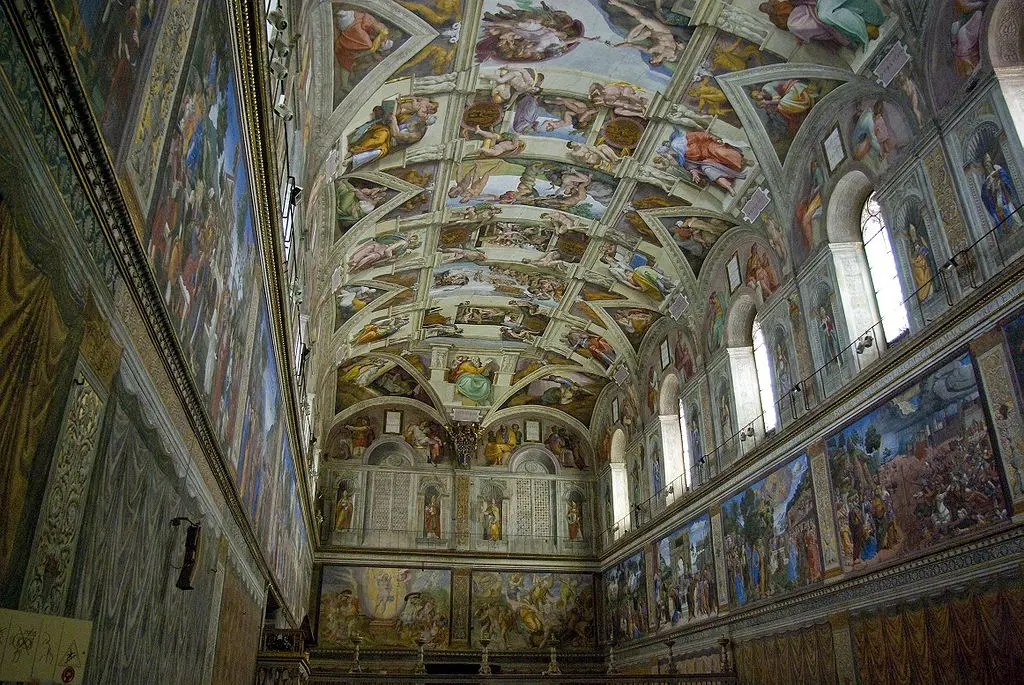
Art during the Renaissance was rarely created in a vacuum; it was driven by the financial support of wealthy patrons. The Catholic Church remained the largest commissioner of art, but powerful secular families like the Medici in Florence became essential sponsors. These patrons used art to signal their power, piety, and intellectual sophistication to the public.
This relationship meant that artists were often bound by strict contracts specifying the subject matter, the quality of pigments, and the timeline for completion. While this could limit creative freedom, it also provided artists with the stability to experiment with new techniques and large-scale projects. The competition between cities and families to host the greatest artists fostered an environment where innovation was rewarded with prestige and wealth.
- Commissions often required the use of expensive materials like gold leaf or ultramarine blue to demonstrate the patron's status.
- Artists frequently included portraits of their patrons within religious scenes to flatter their benefactors.
- Contracts often dictated the number of figures included in a painting to manage costs and complexity.
Common mistakes when analyzing Renaissance art
A frequent error is assuming that all Renaissance art looks the same, ignoring the distinct differences between the Early and High Renaissance. The Early Renaissance, centered in 15th-century Florence, focused on discovering the rules of geometry and anatomy. The High Renaissance, occurring in the early 16th century, refined these rules to achieve a sense of ideal beauty and perfect harmony.
Another mistake is overlooking the symbolic meaning behind the realism. Even as artists pursued scientific accuracy, they continued to use visual metaphors to convey religious or political messages. A lily might represent purity, while a specific fruit could suggest mortality. Understanding the context of the era requires looking past the technical precision to find the narrative intent hidden within the composition. By recognizing these layers, one gains a deeper appreciation for how this period bridged the gap between medieval tradition and the modern world.
Key facts
- Renaissance artists shifted from flat, symbolic medieval styles to realistic depictions using linear perspective, pioneered by Filippo Brunelleschi around 1415.
- The technique of chiaroscuro was adopted to create the illusion of three-dimensional volume by using strong contrasts between light and dark.
- Artists began using oil paints instead of tempera, allowing for richer colors, smoother blending, and more intricate details.
- Anatomical accuracy became a priority; masters like Leonardo da Vinci performed human dissections to better understand musculature and bone structure.
- Humanism shifted the focus of art from purely religious themes to include classical mythology, portraits of wealthy patrons, and scenes from daily life.
- To practice perspective, draw a single "vanishing point" on your horizon line and ensure all parallel lines in your composition converge there.
The bottom line
The Renaissance transformed art by replacing rigid, symbolic medieval traditions with a scientific approach rooted in observation and humanism. By mastering linear perspective, anatomy, and light, artists bridged the gap between the physical world and the canvas. This era proved that art is not merely decoration but a sophisticated discipline, forever changing how humanity documents its history, values, and evolving understanding of the natural world.
People also ask
Why did Renaissance artists focus so much on human anatomy?
They believed that understanding the physical body was essential to capturing the "soul" and natural beauty of their subjects. By studying anatomy, artists could depict movement and emotion with unprecedented realism.
What was the role of patrons in Renaissance art?
Wealthy families like the Medici and the Catholic Church provided the financial support necessary for artists to work full-time. These patrons often dictated subject matter and influenced the prestige of the artist's career.
How did the invention of the printing press affect art?
The press allowed for the mass production of woodcut prints and engravings, making art accessible to a wider audience. This helped spread artistic styles and techniques across Europe much faster than before.
Did Renaissance artists only paint religious subjects?
While religious themes remained dominant, the movement saw a significant rise in secular art. Artists began painting portraits, historical events, and scenes from Greek and Roman mythology to reflect humanist interests.
What is the difference between linear and atmospheric perspective?
Linear perspective uses mathematical lines to create depth, while atmospheric perspective mimics how the air makes distant objects appear blurrier, lighter, and bluer. Both were used to create the illusion of a three-dimensional space on a flat surface.
Read the full answer →What is a common mistake when trying to emulate Renaissance style?
A frequent error is neglecting the importance of light source consistency. Beginners often place shadows on the wrong side of objects, which destroys the illusion of depth and makes the painting look flat.
This answer was created with the help of AI research tools and reference sources. Spotted an error? Let us know — we correct mistakes quickly. See our editorial policy.