What is Renaissance art?
Short answer
Renaissance art was a cultural movement spanning the 14th to 17th centuries that revived classical Greek and Roman aesthetics. It emphasized realism, humanism, and scientific perspective, shifting focus from medieval symbolism to the natural world. Key masters like Leonardo da Vinci and Michelangelo transformed painting, sculpture, and architecture across Europe.
On this page
What defines Renaissance art?
Renaissance art is characterized by a profound shift toward naturalism and the study of human anatomy. Artists moved away from the flat, stylized figures of the Middle Ages, instead seeking to capture the physical world with mathematical precision. This period, which began in Italy around 1400, prioritized the observation of light, shadow, and the proportions of the human body.
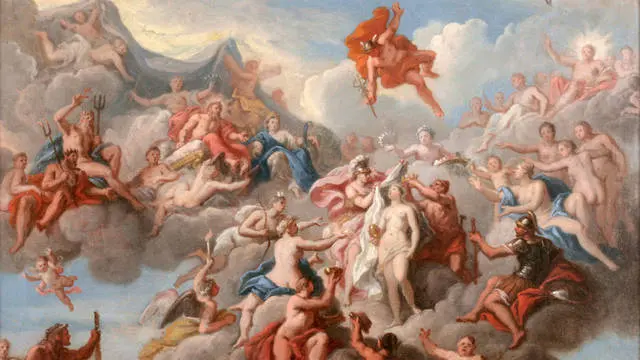
Central to this movement was humanism, a philosophy that emphasized the potential and dignity of the individual. Art became a vehicle for exploring both religious devotion and secular beauty, often blending classical mythology with Christian themes. By applying geometry and optical science, painters created the illusion of three-dimensional space on two-dimensional surfaces, fundamentally changing how viewers experienced art.
- Linear perspective: Using a vanishing point to create depth.
- Chiaroscuro: The bold contrast between light and dark to model form.
- Sfumato: A technique of blending colors and tones to create soft, hazy transitions.
- Anatomy: Studying cadavers to understand muscle and bone structure for realistic depictions.
How did the Renaissance change painting techniques?
The technical advancements of the Renaissance allowed artists to achieve unprecedented levels of realism. Before this era, tempera paint on wood panels was the standard, but the introduction of oil paints revolutionized the medium. Oil allowed for slower drying times, enabling artists to blend colors seamlessly and build up translucent layers known as glazes.
Artists also mastered the science of perspective, which provided a logical framework for composing scenes. By organizing architectural elements and figures along receding lines, they could draw the viewer’s eye toward a focal point. This rigorous approach to composition ensured that paintings felt like windows into a coherent, measurable space rather than symbolic arrangements.
- Sketch the composition using geometric shapes to establish scale.
- Apply a thin underpainting to define the light and shadow values.
- Layer oil pigments to build color intensity and subtle detail.
- Use a final glaze to unify the tonal harmony of the work.
Why is Renaissance sculpture so famous?
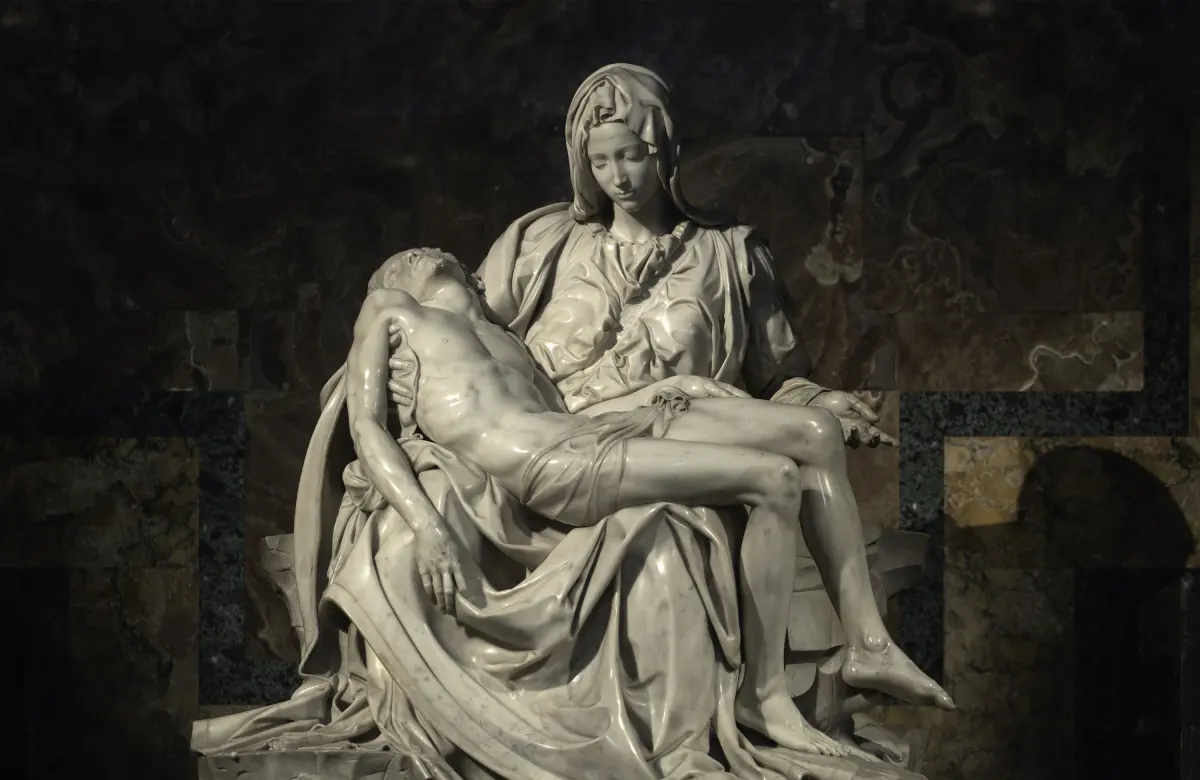
Sculpture during the Renaissance saw a revival of the freestanding, life-sized human figure, reminiscent of ancient Roman and Greek masterpieces. Artists like Donatello and Michelangelo moved beyond the architectural constraints of medieval relief carvings. They sought to imbue stone and bronze with a sense of "contrapposto," a pose where the weight is shifted onto one leg, creating a natural, relaxed posture.
The focus on the human form allowed sculptors to express intense psychological states. Michelangelo’s David, for instance, is not merely a depiction of a biblical hero but a study in human tension and resolve. By mastering marble carving, these artists demonstrated that stone could mimic the softness of skin and the complexity of muscle, setting a standard for Western sculpture that lasted for centuries.
Where can I see Renaissance art today?
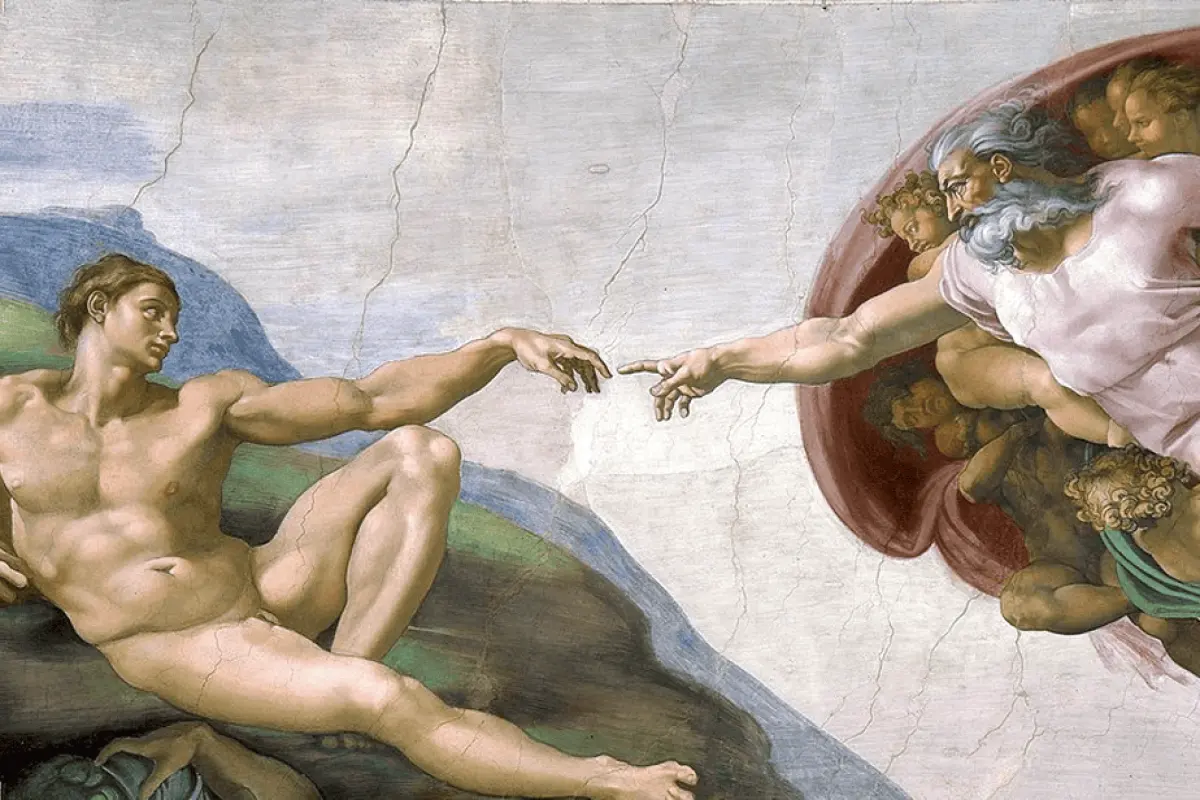
The most significant collections of Renaissance art remain in Italy, where the movement first flourished. The Uffizi Gallery in Florence houses an unparalleled collection, including works by Botticelli and Raphael. Similarly, the Vatican Museums in Rome offer the opportunity to view the Sistine Chapel ceiling, perhaps the most famous example of High Renaissance fresco painting in the world.
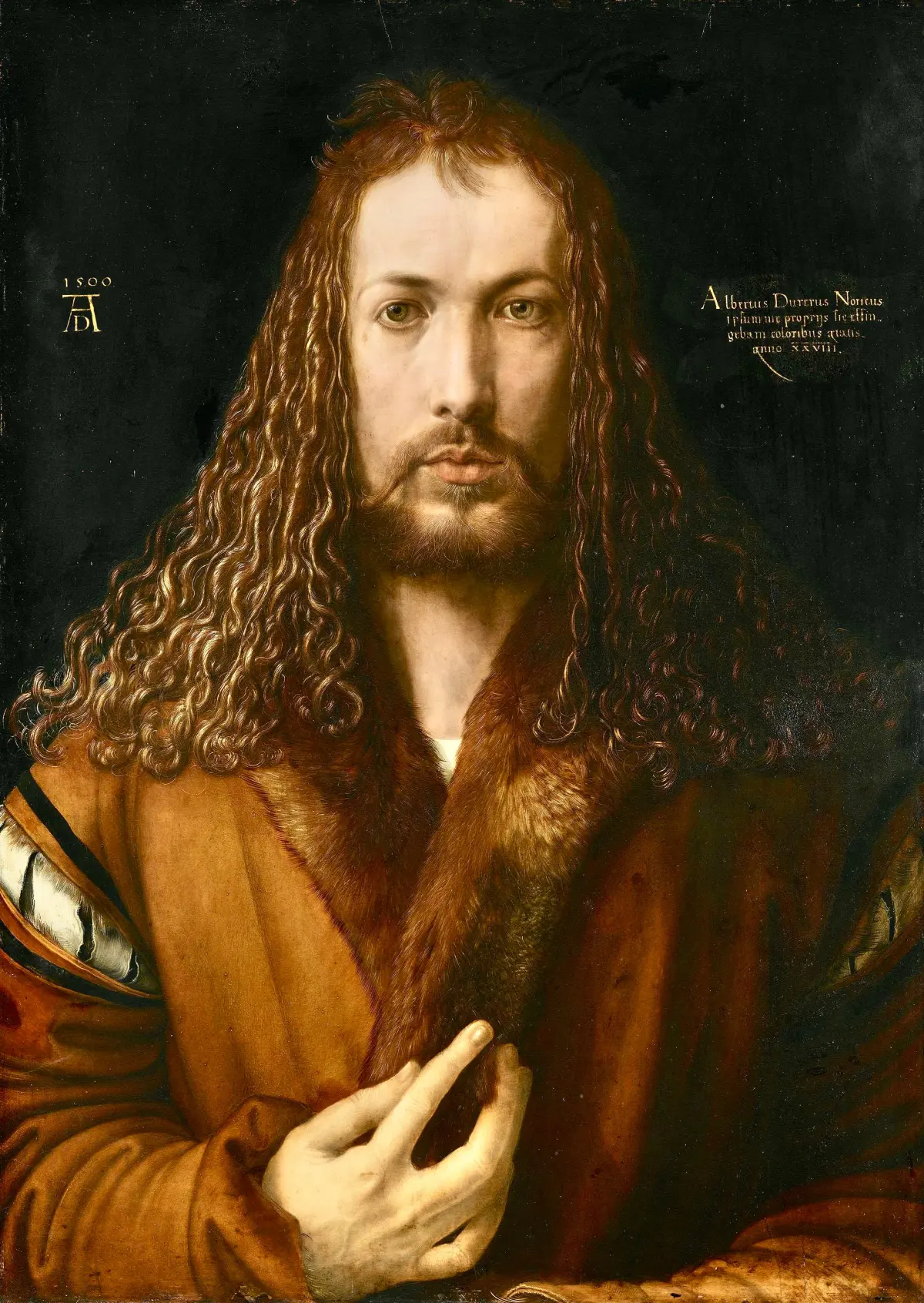
Beyond Italy, major museums maintain extensive holdings that showcase the spread of the movement into Northern Europe. The Louvre in Paris, the National Gallery in London, and the Prado in Madrid contain masterpieces by artists like Jan van Eyck and Albrecht Dürer. These institutions provide the best context for understanding how the Renaissance evolved from its Italian origins into a diverse, continent-wide phenomenon.
- Check museum websites for specialized Renaissance wings.
- Look for temporary exhibitions that group works by specific schools or regions.
- Utilize audio guides to understand the historical context of specific paintings.
Common mistakes when studying Renaissance art
A frequent error is assuming that all Renaissance art looks the same across different regions. While Italian art focused on idealized human proportions and classical architecture, Northern Renaissance artists often prioritized minute, realistic detail in landscapes and everyday domestic objects. Confusing these stylistic priorities can lead to a misunderstanding of how the movement adapted to local tastes and religious climates.
Another mistake is ignoring the role of patronage. Renaissance art was rarely created for the public; it was commissioned by wealthy families like the Medici, the Catholic Church, or powerful monarchs. Understanding who paid for a work explains why certain subjects were chosen and why specific materials, such as expensive lapis lazuli pigment, were used. Always consider the intent of the patron alongside the skill of the artist to gain a complete picture of why the work exists.
Key facts
- Renaissance art emerged in Italy during the 14th century and spread across Europe through the 16th century.
- Artists shifted from flat, symbolic medieval styles to realistic depictions based on human anatomy and observation.
- Linear perspective was developed by Filippo Brunelleschi to create the illusion of three-dimensional depth on a flat surface.
- The period saw a revival of Classical Greek and Roman themes, often blending Christian subjects with pagan mythology.
- Oil paint became the preferred medium, allowing artists like Jan van Eyck to achieve unprecedented detail and vibrant color.
- To study Renaissance art, focus on identifying the "vanishing point" in a composition to understand how the artist organized space.
The bottom line
Renaissance art represents a transformative era where artists moved away from rigid, symbolic medieval traditions toward a celebration of human potential and scientific observation. By mastering linear perspective, anatomical precision, and the use of light and shadow, these creators bridged the gap between the ancient world and modernity. This period remains the foundation of Western artistic training, emphasizing that beauty is rooted in logic and nature.
People also ask
How does Renaissance art differ from Medieval art?
Medieval art prioritized spiritual symbolism and flat, stylized figures to convey religious messages. Renaissance art emphasized naturalism, anatomical accuracy, and the physical reality of the human form.
Who were the most influential artists of the High Renaissance?
Leonardo da Vinci, Michelangelo, and Raphael are considered the masters of the High Renaissance. Their works, such as "The Last Supper" and the Sistine Chapel ceiling, defined the era's peak technical skill.
What is the role of humanism in Renaissance art?
Humanism was an intellectual movement that shifted focus toward human potential, reason, and the study of Classical antiquity. This philosophy encouraged artists to depict people with realistic emotions and individual personalities.
Did Renaissance artists use mathematical formulas in their work?
Yes, artists frequently used geometry and mathematical proportions to create balanced compositions. The "Golden Ratio" was often applied to ensure visual harmony and aesthetic perfection in paintings and architecture.
What is the difference between Early and High Renaissance?
The Early Renaissance, centered in 15th-century Florence, focused on mastering perspective and basic anatomy. The High Renaissance, occurring in the early 16th century, refined these techniques to achieve idealized beauty and complex, fluid movement.
How can I identify a Renaissance painting?
Look for a clear light source, a balanced or triangular composition, and a realistic background using linear perspective. Figures will typically appear lifelike, often interacting with one another in a coherent, staged space.
This answer was created with the help of AI research tools and reference sources. Spotted an error? Let us know — we correct mistakes quickly. See our editorial policy.