How do you draw a cat in a window?
Short answer
Drawing a cat in a window involves layering shapes to establish depth. Start by sketching a rectangular frame, then position the cat’s silhouette or detailed form within the glass pane. Use perspective lines to define the windowsill and add reflections to the glass to create a realistic, atmospheric indoor-outdoor connection.
On this page
How to sketch the window frame and perspective
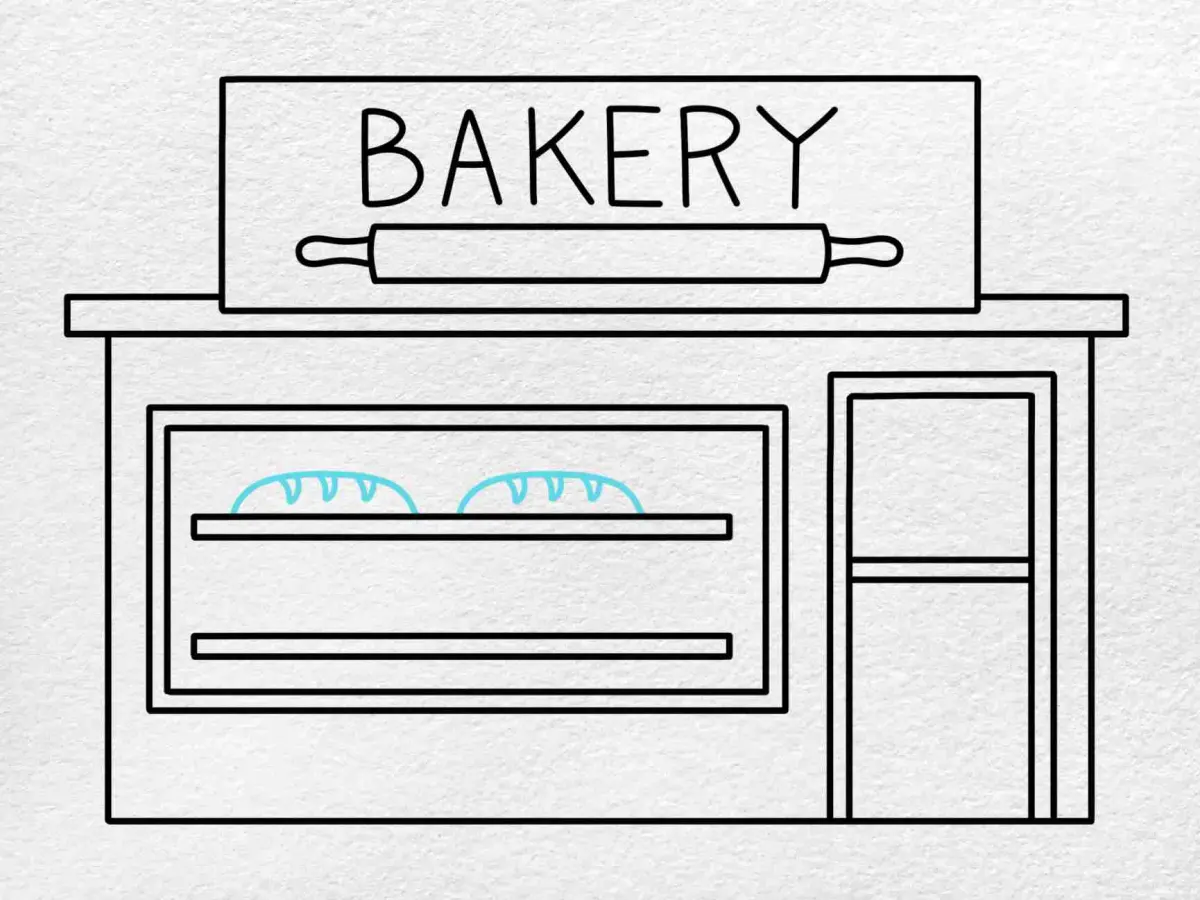
The foundation of a convincing window drawing is accurate perspective. Begin by drawing a large rectangle to represent the window frame, then add a smaller rectangle inside it to create the thickness of the frame. If the window is viewed from an angle, use a vanishing point to ensure the sides of the frame recede correctly toward the horizon. This creates the illusion of depth before you even add the cat.
Once the frame is established, define the windowsill at the bottom. A simple horizontal line with a slight thickness works well for a flat sill. If you want a more complex look, add a shadow line beneath the sill to ground it in the room. Keep your initial lines light so you can easily erase them or draw over them as you refine the cat's form.
- Draw a large rectangle for the outer frame.
- Add a smaller inner rectangle for the window pane.
- Use a ruler to ensure vertical lines are perfectly straight.
- Sketch a horizontal line at the base to form the windowsill.
- Add a second parallel line beneath the sill to show depth.
How to place a cat in the window
Positioning the cat is the most important step for composition. Decide whether the cat is sitting, sleeping, or looking outside. If the cat is looking out, place its head near the center of the pane so the viewer’s eye is drawn to its profile. Use simple geometric shapes—an oval for the body and a circle for the head—to map out the cat's posture before adding fur details.
Consider the cat's interaction with the glass. If the cat is sitting on the sill, ensure its paws are tucked securely against the bottom frame. If it is standing on its hind legs, make sure the front paws are positioned as if they are pressing against the glass. This physical contact makes the cat feel like it truly occupies the space within the frame.
- Use a circle for the head and a larger oval for the torso.
- Connect the shapes with a smooth, curved line for the back.
- Draw triangular shapes for the ears, keeping them alert if the cat is watching something.
- Add a long, curved line for the tail, either wrapped around the body or hanging off the sill.
Best techniques for drawing glass reflections
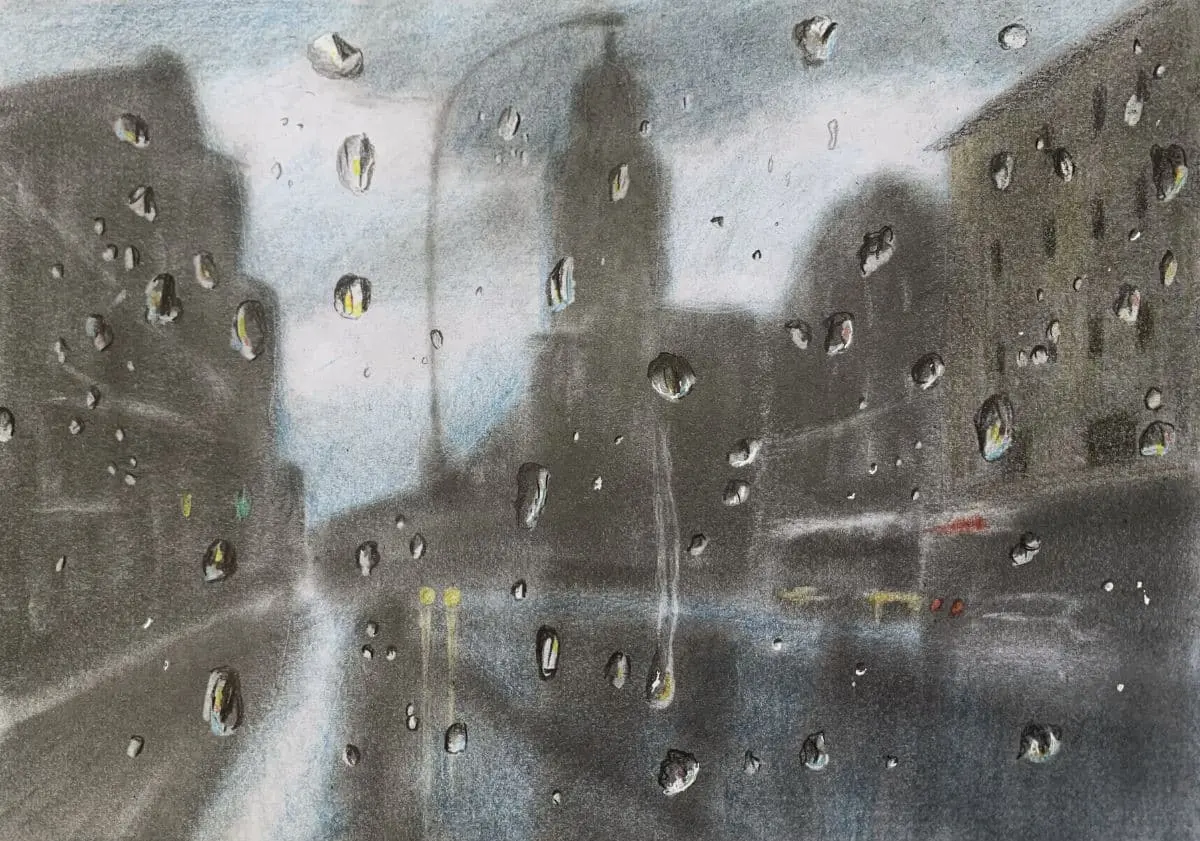
Drawing glass requires capturing the contrast between the interior light and the exterior environment. To suggest transparency, draw faint, diagonal lines across the window pane to represent light catching the glass. Keep these lines very thin and sparse; too many lines will make the window look like a solid wall rather than a transparent surface.
You can also use highlights to indicate the glass. Use a white pencil or an eraser to lift small, sharp shapes from the pane, representing glare from the sun or indoor lamps. If the cat is behind the glass, the reflections should partially overlap the cat’s body. This layering technique is essential for convincing the viewer that the cat is actually behind the window pane.
- Use light, diagonal strokes for subtle glare.
- Leave small, unshaded gaps on the glass to suggest light hitting the surface.
- Darken the areas of the glass that reflect the darkest parts of the room.
- Avoid drawing heavy, opaque lines over the cat’s body, as this ruins the transparency effect.
Why perspective and scale remain critical
A common issue in drawing is the cat appearing too large or too small for the window. To avoid this, compare the height of the cat to the height of the window frame. A standard house cat is usually about one-third the height of a typical window frame. If the cat fills the entire frame, it will look like a giant or a very small window, which can be jarring.
Scale also affects how the viewer perceives the distance. If the cat is closer to the glass, its features should be more detailed, while the background outside the window should be slightly blurred. By adjusting the level of detail, you create a sense of focus that guides the viewer's eye exactly where you want it to go. Always check your proportions before finalizing the outline.
- Measure the cat's height against the window's total height.
- Adjust the cat's size so it leaves space above its ears and below its paws.
- Use a blurred effect for the outdoor scenery to emphasize the cat's proximity.
- Keep the window frame lines crisp to contrast with the softer fur texture.
Common mistakes when drawing cats in windows
One frequent error is failing to account for shadows. A cat sitting in a window will cast a shadow onto the sill or the floor behind it. Neglecting this shadow makes the cat look like it is floating in space. Study where your light source is coming from—if the sun is outside, the cat’s shadow should fall toward the interior of the room.
Another mistake is ignoring the cat's fur texture. Beginners often draw a smooth outline, but a cat’s edge should be slightly irregular to represent fur. Use short, quick strokes along the silhouette to give the cat a soft, realistic appearance. Finally, avoid making the cat’s eyes too human; keep them almond-shaped and focused on the outside world to maintain the natural, curious mood of the scene. By paying attention to these small details, your drawing will look professional and complete.
Key facts
- Start by drawing a rectangle for the window frame, then add a smaller rectangle inside to create depth.
- Sketch the cat’s silhouette as an oval for the head and a larger, rounded shape for the body.
- Use simple triangles on top of the head to represent ears, keeping them slightly rounded for a natural look.
- Draw the cat facing inward or outward to determine if you show the face or just the back.
- Use horizontal lines across the window pane to imply glass reflection or the presence of a screen.
- Keep the cat's size proportional to the window frame so it does not appear to be floating or oversized.
The bottom line
Drawing a cat in a window relies on balancing simple geometric shapes with clear spatial awareness. By establishing the window frame first, you create a stage for the cat’s silhouette. Focus on the cat’s posture and its relationship to the sill to ensure the drawing feels grounded. With practice, these basic steps allow you to capture a cozy, domestic scene that is both visually appealing and structurally sound.
People also ask
Should I draw the cat's whiskers if it is looking out the window?
Whiskers are often difficult to see from a distance, so you can omit them for a cleaner silhouette. If you choose to include them, use very thin, light lines to maintain the delicate appearance of the cat.
How do I make the window look realistic?
Add a vertical line through the center of the window to create a pane effect. Including a subtle shadow of the cat on the windowsill adds depth and makes the scene more believable.
What is the best way to draw the cat's tail?
A curled tail resting against the cat’s body is easiest to draw and looks natural for a sitting cat. Avoid making the tail too long, as it can distract from the cat's main shape.
Can I draw a cat on a windowsill from the outside?
Yes, drawing from the outside allows you to focus on the cat's back and the reflection of the sky in the glass. Use light, diagonal strokes across the window to suggest the reflective surface.
How do I show the cat is sitting on a ledge?
Draw a horizontal line at the bottom of the window frame to represent the sill. Ensure the cat’s bottom half is resting directly on or slightly behind this line to ground the figure.
Should I use color for this drawing?
Color is optional, but using neutral tones for the cat and cool blues for the window glass creates a professional look. Keep the window frame a darker, contrasting color to frame the subject effectively.
This answer was created with the help of AI research tools and reference sources. Spotted an error? Let us know — we correct mistakes quickly. See our editorial policy.