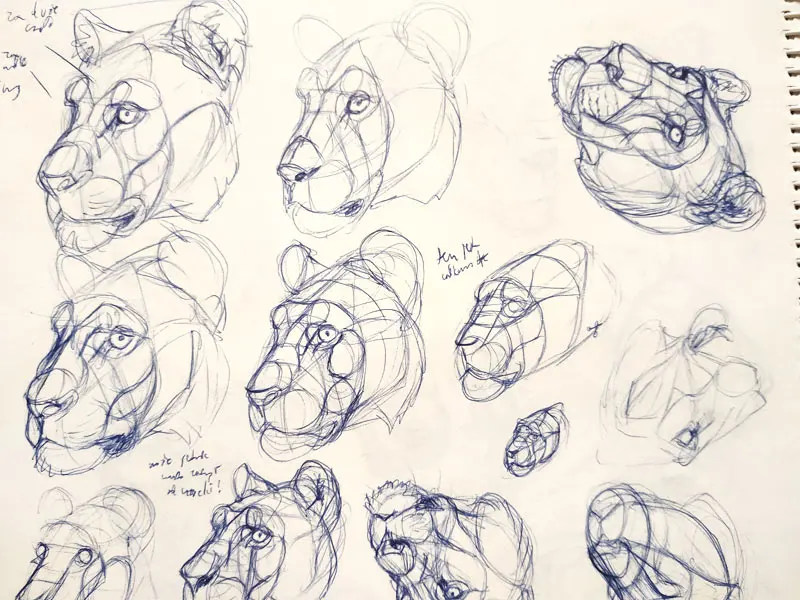
What is a master copy in art?
Short answer
A master copy is a reproduction of an existing work of art created by an artist to study the techniques, composition, and color palette of a historical predecessor. It serves as a pedagogical tool rather than a forgery, intended to deepen the student's understanding of artistic mastery through direct, hands-on imitation.
On this page
Why do artists make master copies?
The practice of copying masterworks has been a cornerstone of artistic training since the Renaissance. By meticulously recreating a painting, an artist engages in a silent dialogue with the original creator, deconstructing the layers of paint, brushwork, and structural decisions that define the piece. This method allows students to bypass trial and error by observing how a master solved complex problems regarding light, shadow, and anatomy.
Beyond technical skill, this exercise fosters an intimate appreciation for historical styles. When an artist spends dozens of hours replicating a portrait by Rembrandt or a landscape by Constable, they internalize the decision-making process of that master. This archival knowledge eventually informs the student’s own original work, providing a mental library of techniques that can be adapted to new subjects. It is not about copying the final image, but about learning how to think like the artist who produced it.
How to choose a painting for a master copy
Selecting the right subject is crucial for a productive learning experience. Beginners should avoid overly complex compositions or works with extreme impasto, as these require advanced technical knowledge to replicate effectively. Instead, look for paintings that feature clear light sources, distinct color palettes, and readable brushstrokes. Portraits or still lifes from the 19th century often serve as excellent starting points because the paint application is usually systematic and easier to analyze.
When evaluating a potential candidate, consider these factors:
- Clarity of the focal point and composition.
- The artist’s specific use of color temperature.
- The level of detail relative to your current skill level.
- Availability of high-resolution images for close study.
Once you have selected a piece, ensure you have a high-quality print or digital reference that allows you to zoom in on specific sections. Avoid choosing a work that is too large, as the goal is to finish the study within a reasonable timeframe to maintain focus and momentum.
How to paint a master copy step by step
The process of creating a master copy requires a methodical approach to ensure that you are learning rather than just tracing. Start by preparing your canvas to match the proportions of the original work, even if you decide to scale it down. A structured workflow helps you focus on the underlying construction before moving on to the surface details.
- Create a detailed line drawing or "underdrawing" to establish the composition and proportions.
- Apply a monochrome underpainting, often called a grisaille, to map out the values and light logic of the piece.
- Begin layering colors, starting with the darkest shadows and moving toward the midtones and highlights.
- Refine the edges and final glazes to mimic the specific finish of the original artist.
- Step back frequently to compare your progress against the reference to ensure accuracy in color and tone.
Focusing on these distinct phases prevents you from becoming overwhelmed by the complexity of the final image. By breaking the painting into manageable stages, you can isolate specific techniques, such as how the master handled transitions between light and shadow or how they applied texture to different surfaces.
Common mistakes when making master copies
One of the most frequent errors is prioritizing the final visual result over the process of learning. Many students become obsessed with making their copy look identical to the original, which leads to mechanical copying rather than analytical study. If you find yourself simply filling in shapes without understanding why a certain color or brushstroke was used, you are missing the primary benefit of the exercise. Another common mistake is failing to match the original color palette correctly.
Avoid these pitfalls to ensure your study remains educational:
- Rushing the underdrawing, which leads to skewed proportions that are impossible to fix later.
- Using low-quality materials that do not allow for the same layering techniques as the master.
- Ignoring the "why" behind the brushstrokes, such as the direction of the light or the intent of the artist.
- Becoming discouraged by minor differences; remember that the goal is understanding, not perfection.
By focusing on the artist’s intent, you transform the copy from a mere imitation into a profound lesson in craftsmanship.
How long does it take to finish a master copy?
The time required to complete a master copy varies significantly based on the complexity of the original work and the artist's experience level. A simple study of a sketch or a small still life might take only a few days of focused work, while a complex figurative composition could take several weeks or even months. The objective is not speed, but the depth of engagement with the material. If you find yourself rushing to finish, you are likely sacrificing the analytical observation that makes the practice valuable.
Dedicate consistent blocks of time to the project rather than sporadic sessions. Spending three hours a day for two weeks is far more effective than attempting to finish the piece in one marathon session. As you gain experience, you will find that your ability to decode the techniques of other masters improves, allowing you to complete studies with greater efficiency. Ultimately, the time invested is an investment in your own artistic growth, providing a foundation that will support your original work for years to come.
Key facts
- A master copy is a reproduction of an existing artwork, created by an artist to study the techniques, color palettes, and compositions of a predecessor.
- Historically, apprentices in the Renaissance and Baroque periods were required to copy works by masters like Raphael or Titian as a fundamental part of their training.
- The goal is not to create a forgery, but to internalize the "hand" and problem-solving methods of a historical artist through direct observation.
- Many major museums, such as the Louvre in Paris or the National Gallery in London, allow artists to set up easels and copy works during specific public hours.
- When copying, focus on the "underpainting" and the layering process rather than just the final surface details to truly understand the artist's construction.
- Always sign your copy on the back or in a corner with your own name and the notation "after [Original Artist]" to ensure it is never mistaken for an original.
The bottom line
The practice of creating a master copy is an essential educational tool that bridges the gap between observation and technical proficiency. By systematically deconstructing the methods of historical masters, artists gain profound insights into color theory, composition, and brushwork. This disciplined approach allows you to inherit the wisdom of past generations, ultimately helping you develop your own unique artistic voice through the study of greatness.
People also ask
Is it illegal to make a master copy of a painting?
It is perfectly legal to copy a painting as long as the original work is in the public domain or you have explicit permission from the copyright holder. Most works created before 1929 are in the public domain and can be copied freely for study or personal use.
How long does it take to complete a master copy?
The time required depends on the complexity of the piece and your skill level, ranging from a few hours for a quick study to several months for a full-scale oil reproduction. Professional copyists often spend weeks on a single canvas to match the original’s specific glaze techniques.
What materials should I use for a master copy?
Use materials similar to those used by the original artist, such as oil paints for a Renaissance portrait or watercolors for a 19th-century landscape. Matching the medium helps you experience the same physical limitations and possibilities the master encountered.
Can I sell a master copy?
You can sell a master copy, but you must clearly label it as a reproduction to avoid legal issues regarding fraud or copyright infringement. It is standard practice to include the artist’s name and the title of the original work on the back of the canvas.
Should I copy the entire painting or just a section?
Many experts recommend starting with a "master study," which focuses on a specific detail like a hand, an eye, or a small section of drapery. This allows you to master a specific technique without the pressure of completing a large-scale composition.
What is the most common mistake when making a master copy?
The most common mistake is focusing too much on the final finish rather than the structural layers underneath. Beginners often try to paint the surface details before establishing the correct values and proportions, leading to a copy that lacks the depth of the original.
This answer was created with the help of AI research tools and reference sources. Spotted an error? Let us know — we correct mistakes quickly. See our editorial policy.