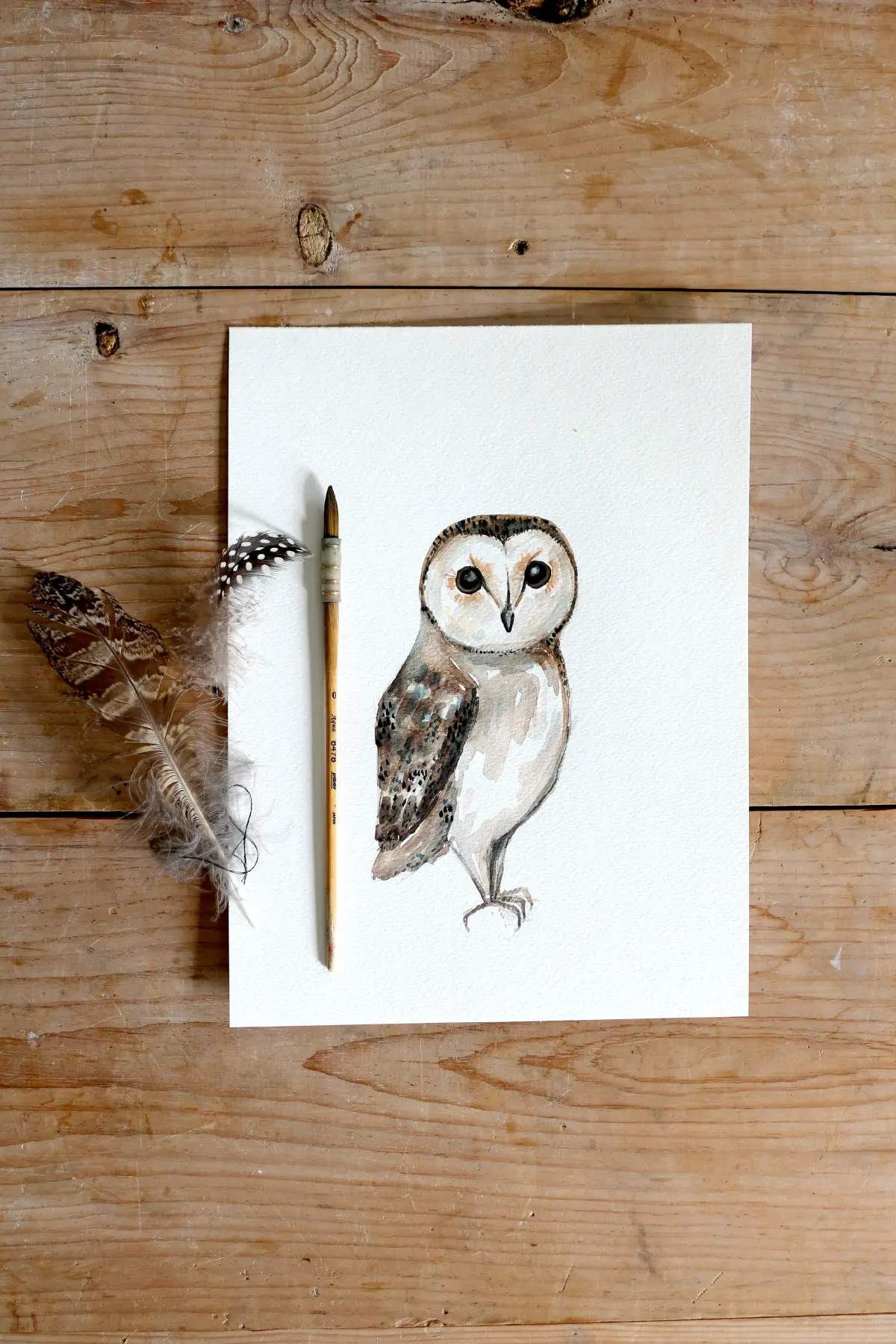
Can you use watercolor on regular paper?
Short answer
Yes, you can use watercolor on regular paper, but the results will be significantly different from using professional-grade watercolor paper. Regular copy paper is thin and lacks sizing, causing it to buckle, tear, or pill when wet. While it works for casual sketching or practice, it is not suitable for finished artwork.
On this page
Why watercolor on regular paper behaves differently
Standard printer or copy paper is typically made from wood pulp and is not designed to absorb moisture. When you apply watercolor paint to this surface, the fibers swell almost instantly. Because the paper lacks internal or surface sizing—a gelatinous substance that controls how pigments sit on the surface—the water seeps deep into the fibers. This causes the paper to warp, bubble, and eventually wrinkle as it dries unevenly.
Furthermore, the lack of tooth or texture on regular paper means the paint does not sit in the "valleys" of the paper. Instead, the pigment often pools in puddles or creates harsh, streaky edges that are difficult to blend. If you try to layer colors to achieve depth, the paper will likely disintegrate or rub away, creating small balls of pulp known as pilling. While this is acceptable for quick color studies or testing a palette, it will not hold up to professional techniques like wet-on-wet washes or heavy glazing.
How to prepare paper for watercolor painting
If you are determined to use non-watercolor paper, you must minimize the amount of water used to prevent saturation. Even then, the paper will struggle to maintain its structural integrity. To help the paper survive the process, you can try these preparation steps to stabilize the surface before you begin your painting:
- Tape the edges of your paper down to a rigid board using low-tack masking tape or artist’s tape.
- Apply a thin, even coat of clear gesso to the paper surface and let it dry completely to create a barrier.
- Use a hairdryer on a low, cool setting to dry layers quickly, which prevents the paper from soaking through too deeply.
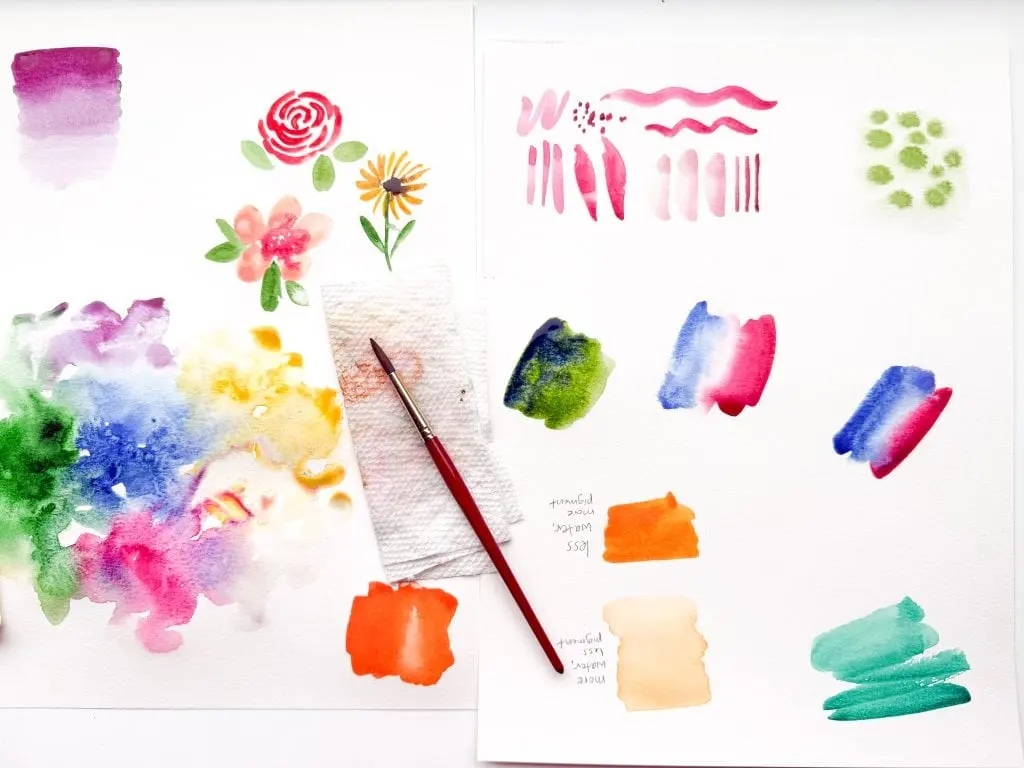
- Keep your brush relatively dry by dabbing it on a paper towel after dipping it in your water jar.
By creating a barrier with gesso, you effectively turn the regular paper into a primed surface that mimics the behavior of a canvas. This prevents the water from reaching the raw wood fibers, though the paper may still buckle slightly if you use excessive water.
Best techniques for thin paper
When working on regular paper, you must adapt your approach to suit the limitations of the material. Focus on dry-brush techniques rather than heavy washes, as this keeps the moisture content low. Because the paper cannot handle multiple layers, aim to finish your painting in one go or with minimal adjustments. You should also avoid scrubbing the surface with your brush, as this will immediately damage the paper fibers and ruin the finish of your work.
- Use a smaller brush to control the amount of water applied to the paper.
- Work in small sections rather than covering the entire page at once.
- Keep your pigment concentration high so you do not need to layer colors to get the desired intensity.
- Allow each area to dry thoroughly before moving to an adjacent section to prevent colors from bleeding uncontrollably.
These adjustments prioritize the longevity of the paper while still allowing you to practice color mixing and brush control.
Common mistakes when using regular paper
The most frequent error beginners make is using too much water, which turns the paper into a soggy, unusable mess. Another common mistake is attempting to lift color off the paper after it has been applied. Because regular paper is not designed to withstand abrasion, lifting paint often results in the surface tearing or leaving behind unsightly white patches where the top layer of the paper has been removed.
- Using heavy, saturated washes that cause the paper to ripple severely.
- Trying to correct mistakes by scrubbing with a wet brush, which leads to pilling.
- Leaving the paper untaped, which causes the edges to curl upward as they dry.
- Using low-quality student paints that contain excessive fillers, which look muddy on thin paper.
Avoiding these pitfalls will make your experience much more enjoyable. Even on thin paper, maintaining a light touch and a clear plan for your painting will yield better results.
When to upgrade to watercolor paper
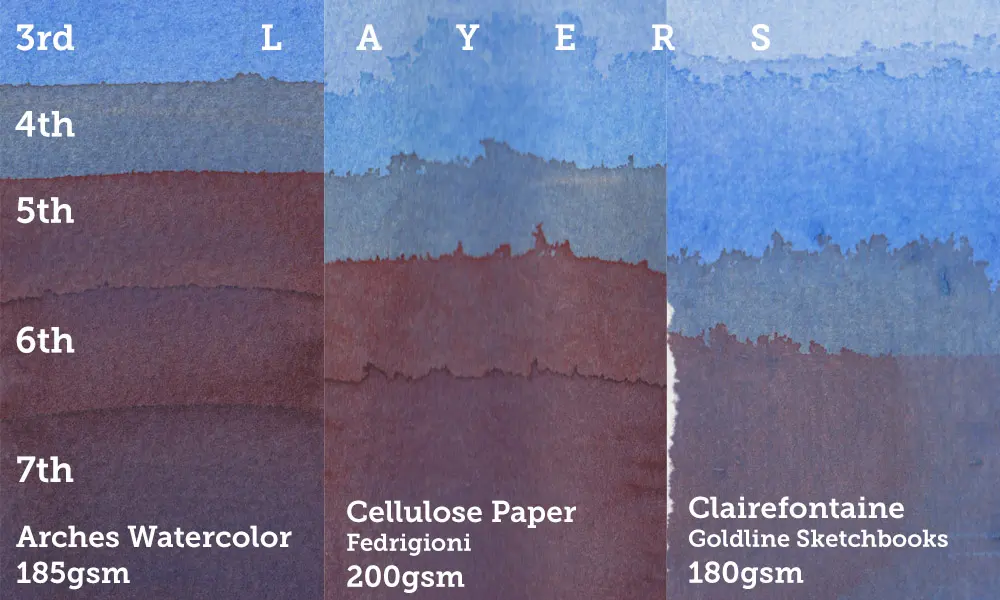
While regular paper is fine for casual doodling, you will eventually reach a point where your skills outpace your materials. Watercolor paper is manufactured with specific weights, such as 140 lb (300 gsm), which are designed to withstand heavy water application without warping. These papers are often made from cotton or high-quality cellulose and are treated with sizing to ensure that colors remain vibrant and blendable. If you find that your paintings look dull, streaky, or are constantly tearing, it is a clear sign that you need to switch to professional-grade materials.
Investing in a pad of cold-press watercolor paper will immediately improve your results. The texture of professional paper allows for beautiful granulation and soft transitions that are physically impossible to achieve on copy paper. Once you move to a proper surface, you will find that your confidence grows as you stop fighting the material and start focusing on your artistic expression. Professional paper serves as the foundation for all successful watercolor work, providing the necessary support for your creative vision to flourish.
Key facts
- Standard printer paper is typically 20lb (75gsm), which is too thin to absorb water without buckling or tearing.
- Watercolor paper is sized with gelatin or synthetic agents to prevent paint from bleeding into the fibers.
- Using heavy amounts of water on regular paper causes "pilling," where the paper surface disintegrates into small, wet clumps.
- If you must use regular paper, choose a weight of at least 80lb (120gsm) or higher to minimize warping.
- Secure the edges of your paper with masking tape to a flat surface to help keep it taut while it dries.
- Apply paint in thin, dry layers rather than heavy, wet washes to prevent the paper from becoming oversaturated.
The bottom line
While you can technically apply watercolor to regular paper, the results are often disappointing due to the material's inability to handle moisture. Standard paper lacks the necessary thickness and sizing, leading to warping, tearing, and dull colors. For a successful painting experience, invest in dedicated watercolor paper, which is specifically engineered to manage water, preserve pigment vibrancy, and maintain structural integrity throughout the creative process.
People also ask
Can I use cardstock for watercolor painting?
Cardstock is sturdier than printer paper but lacks the specialized sizing needed for professional results. It will hold up better to light washes, but the surface will still struggle with heavy water application.
Why does my paper curl up when I paint on it?
Paper curls because the fibers expand unevenly when they absorb water. Using professional-grade watercolor paper, which is thicker and treated to resist water, significantly reduces this warping effect.
Is it possible to prime regular paper for watercolor?
You can apply a thin layer of clear gesso to regular paper to create a barrier between the water and the fibers. This makes the surface more receptive to paint and helps prevent the paper from breaking down.
Does the type of paint matter when using thin paper?
Using high-quality tube watercolors requires more water than pan sets, making them harder to manage on thin paper. Pan watercolors are generally easier to control if you are limited to using standard paper.
What is the minimum weight paper I should use for practice?
For basic sketching and light watercolor washes, aim for paper that is at least 90lb (190gsm). Anything lighter will likely wrinkle significantly and provide a frustrating experience for the artist.
How can I flatten paper that has buckled?
Once the painting is completely dry, place it face down on a clean surface and cover it with a heavy book for 24 hours. This gentle pressure helps redistribute the fibers and flattens the sheet.
This answer was created with the help of AI research tools and reference sources. Spotted an error? Let us know — we correct mistakes quickly. See our editorial policy.