How do you paint en plein air?
Short answer
Painting en plein air involves creating art outdoors to capture natural light and atmosphere. You must select a portable kit, find a suitable location, and work quickly before the sun shifts. By prioritizing large shapes and simplified color values, you can effectively translate the fleeting essence of a landscape onto your canvas.
On this page
What equipment is needed for plein air painting?
To paint outdoors, you need a setup that is lightweight, durable, and easy to transport. The most common tool is a French easel, which combines a tripod, a storage box for paints, and a canvas holder into one folding unit. Alternatively, many modern artists prefer a "pochade box," a compact wooden or plastic case that attaches to a standard camera tripod. This option is generally lighter and faster to set up than a traditional easel.
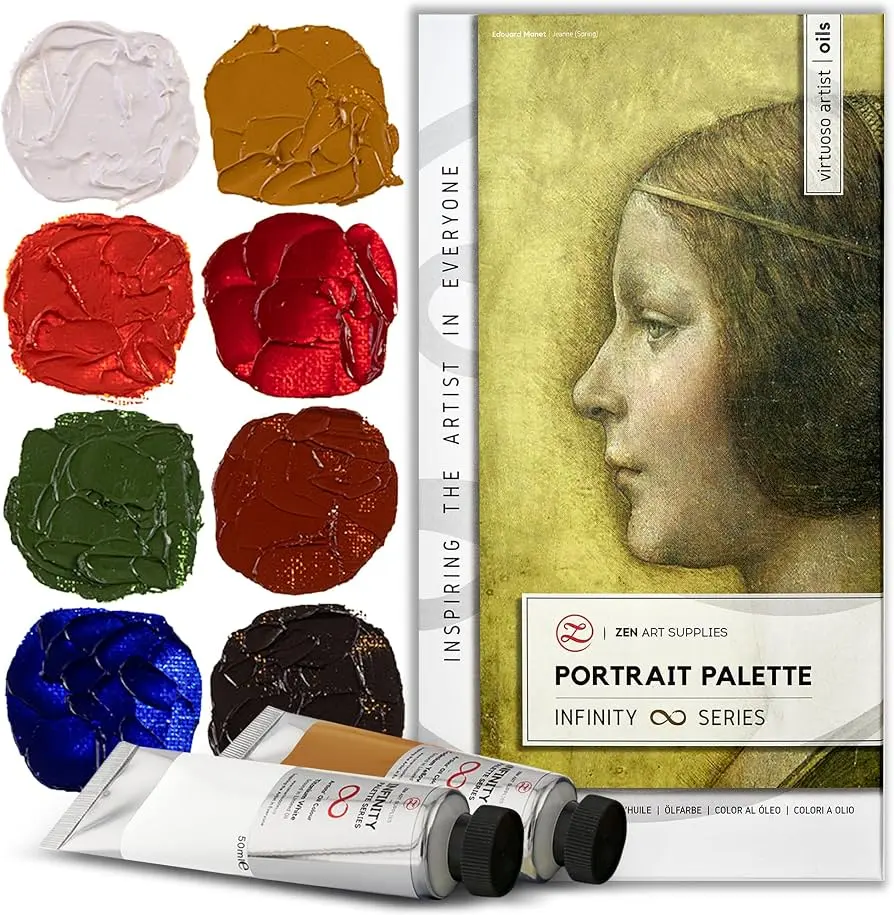
Beyond the easel, your kit should include a limited palette of paints, a few brushes, a palette knife, and a surface like a canvas panel or heavy-duty paper. You will also need a solvent container with a lid, a roll of paper towels, and a trash bag for cleanup. Consider these essentials for your pack:
- A wide-brimmed hat to reduce glare on the canvas.
- A portable stool if you prefer sitting while you work.
- A small umbrella that clamps to the easel to shade your painting.
- Sunscreen and insect repellent for comfort during long sessions.
How to choose a location for plein air painting
Selecting a location is as much about comfort as it is about aesthetics. Beginners should start in a familiar spot, such as a local park or a backyard, where you can easily retreat if the weather changes or you forget a tool. Look for a scene with strong light and shadow, as these elements provide the structure necessary for a successful composition. Avoid locations that require a long hike until you are comfortable carrying your gear over uneven terrain.
When scouting a site, consider the position of the sun relative to your subject. If you face the sun directly, you will struggle with glare and high-contrast silhouettes. Instead, aim to position yourself so that the light hits your subject from the side, which creates clear highlights and deep shadows. Keep these factors in mind when choosing your spot:
- Check the weather forecast to avoid rain or extreme wind.
- Ensure you have enough shade to prevent your paint from drying too quickly.
- Verify that you are not obstructing public pathways or private property.
- Look for a view that offers a clear focal point rather than a chaotic expanse.
How to paint quickly before the light changes
The defining challenge of plein air painting is the constant movement of the sun. As the earth rotates, shadows shift and colors change, meaning you typically have only two to three hours before the lighting conditions become unrecognizable. To manage this, start by sketching the composition with a thin wash of paint or a neutral pencil. Avoid getting bogged down in tiny details early on, as these will likely need to be adjusted as the light shifts.
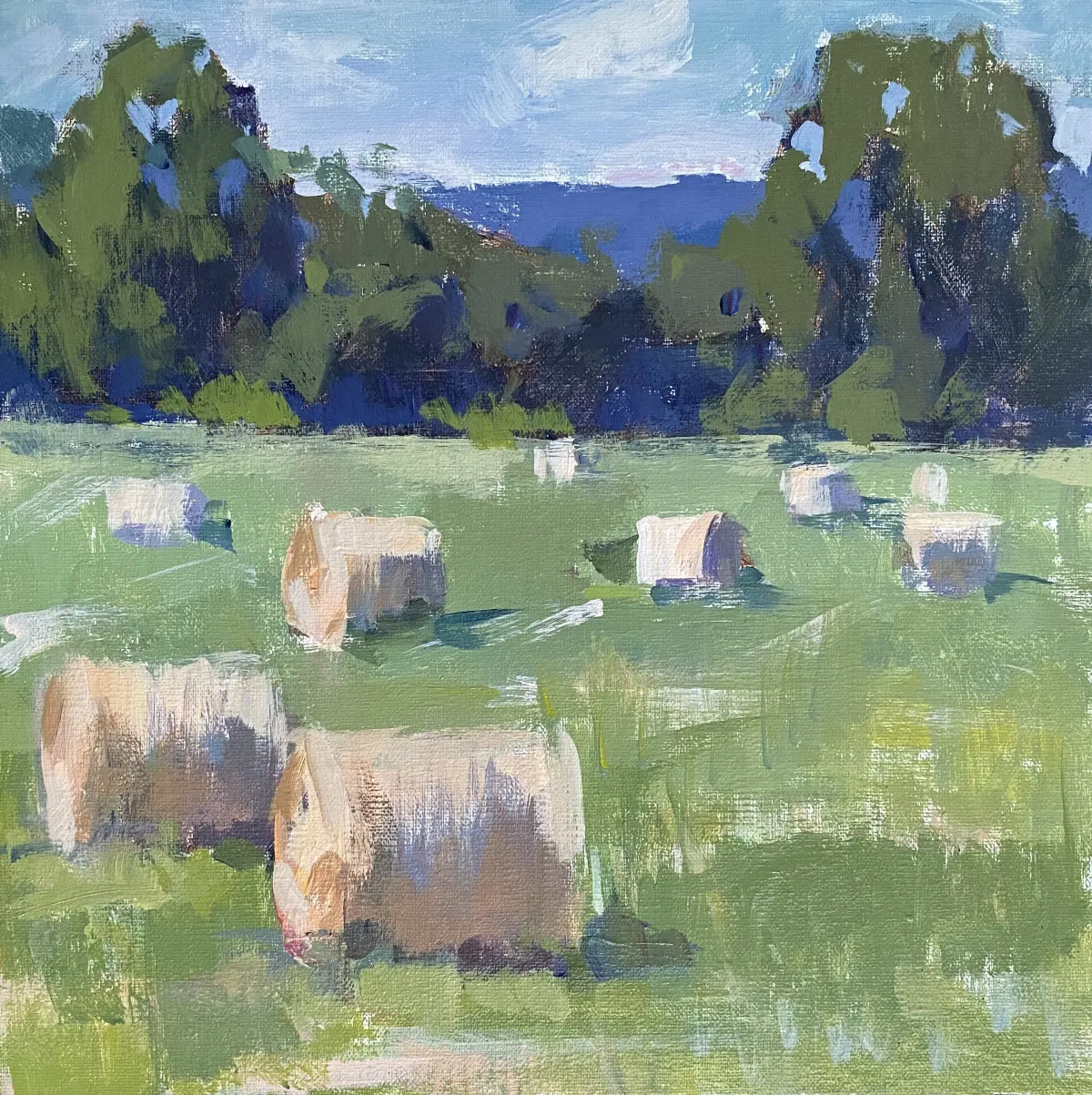
Focus on capturing the "big shapes" first. Use large brushes to block in the darkest and lightest areas of the scene to establish a sense of volume. Once the main values are set, you can refine the mid-tones and add details. If the light changes significantly, do not try to chase it by repainting everything; instead, commit to the specific time of day you started with. This approach ensures your work maintains a cohesive, atmospheric quality rather than looking disjointed.
Common mistakes when painting outdoors
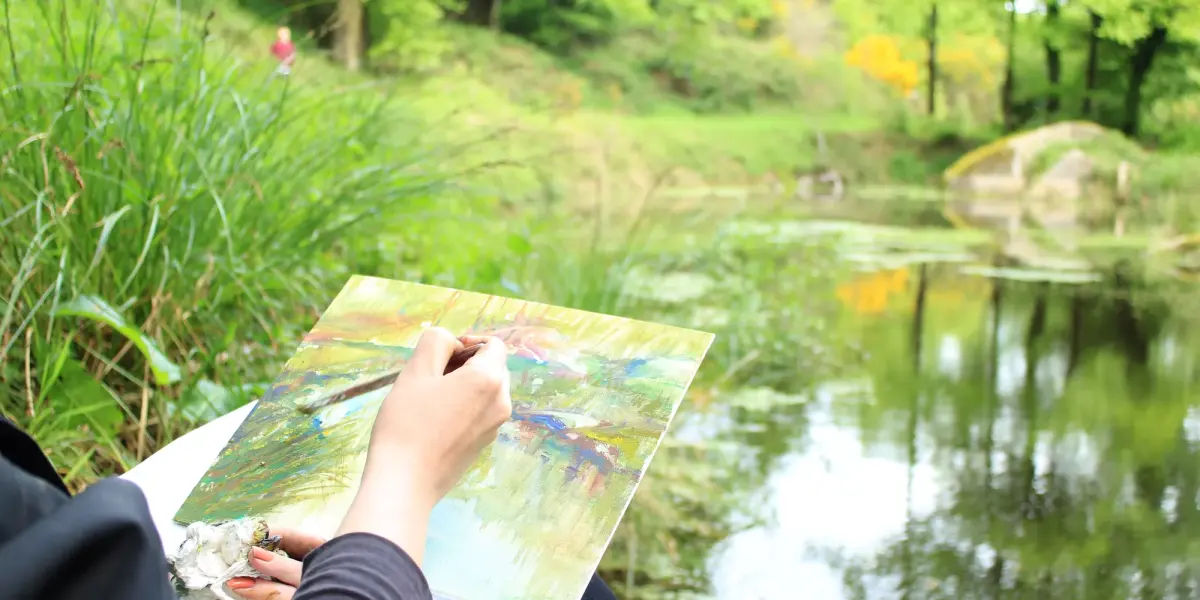
One of the most frequent errors is over-complicating the scene. Beginners often try to include every tree, fence, and cloud they see, which leads to a cluttered and confusing composition. Instead, simplify your view by squinting at the landscape to blur the details, which helps you identify the most important shapes and color relationships. Remember that you are the director of the scene and can choose to omit elements that distract from your main focal point.
Another common mistake is choosing a canvas that is too large. Large surfaces take too long to cover, making it nearly impossible to finish a painting before the light changes. Stick to smaller formats, such as 8x10 or 9x12 inches, which allow you to work decisively and complete a study in a single session. Avoid these pitfalls to improve your results:
- Using too many colors, which leads to muddy mixtures.
- Forgetting to secure your equipment, leading to accidents in windy conditions.
- Ignoring the horizon line, which can make the landscape appear tilted.
- Failing to clean your brushes thoroughly, which ruins your tools over time.
How to improve your plein air skills
Consistency is the most effective way to improve your plein air technique. Treat each outing as a practice session rather than a quest for a masterpiece; the goal is to learn how to observe natural light and color accurately. Keep a log of your sessions, noting the time of day, weather conditions, and the specific colors you used to achieve certain effects. Over time, this habit will help you develop a personal shorthand for representing nature's complexity.
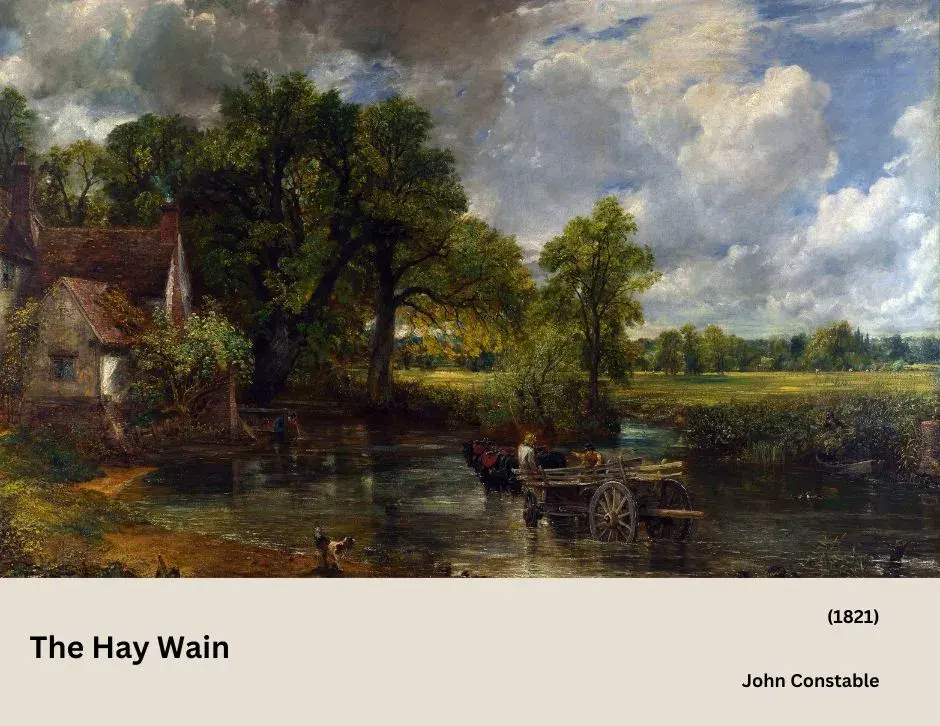
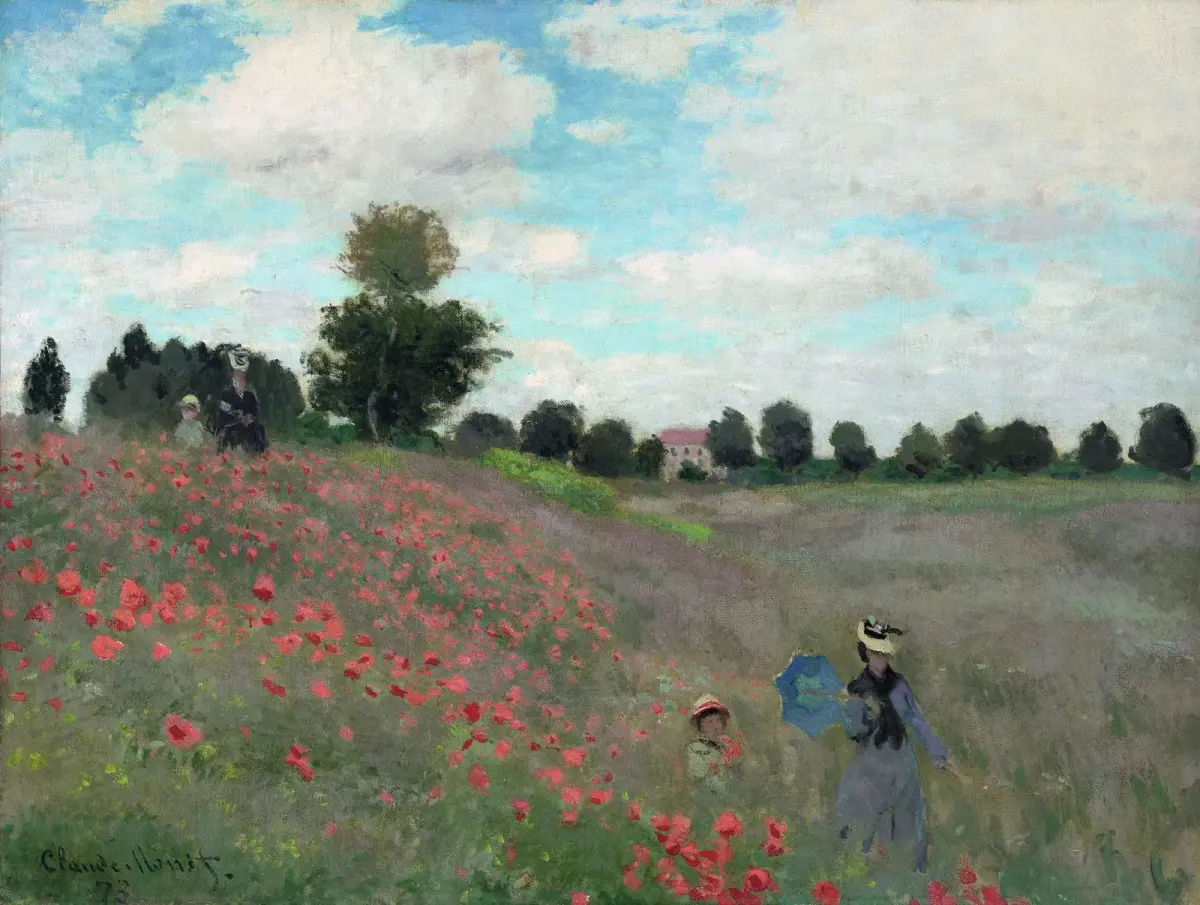
Studying the works of historical masters can also provide valuable insight into technique. Artists like Claude Monet, John Singer Sargent, and Joaquin Sorolla were prolific plein air painters whose brushwork and color choices remain highly influential. Try to emulate their approach by focusing on the "gestalt" of the scene—the overall impression—rather than individual objects. By consistently applying these principles, you will find that your ability to capture the fleeting beauty of the outdoors grows significantly with every painting you complete.
Key facts
- The term "en plein air" is French for "in the open air" and refers to the practice of painting outdoors.
- Impressionist artists like Claude Monet and Pierre-Auguste Renoir popularized this technique in the 1870s to capture shifting natural light.
- Portable easels, known as French box easels, were invented to allow artists to carry supplies easily into remote landscapes.
- Use a limited color palette of 5 to 7 tubes of paint to prevent muddy color mixing and speed up the painting process.
- Always position yourself with your back to the sun to prevent glare on your canvas and to keep your colors consistent.
- Limit your painting session to two hours because the sun’s movement significantly alters shadows and light intensity after that time.
The bottom line
Painting en plein air is a rewarding practice that bridges the gap between observation and artistic expression. By keeping your equipment lightweight, limiting your time on-site, and focusing on the fleeting qualities of natural light, you can capture the essence of a landscape. Embrace the challenges of the outdoors, as they will ultimately sharpen your ability to make quick, decisive choices about color and composition.
People also ask
What is the best time of day to paint outdoors?
Early morning or late afternoon, often called the "golden hours," provide the most dramatic light and long, soft shadows. Midday sun is often avoided because it creates harsh, flat lighting and high-contrast shadows that are difficult to render.
What are the essential supplies for a beginner?
You need a portable easel, a lightweight palette, a few brushes, a canvas board, and a basic set of oil or acrylic paints. Don't forget a hat, sunscreen, insect repellent, and a container for water or solvent to clean your brushes.
How do I handle changing weather conditions?
Use a sturdy umbrella that attaches to your easel to shade your canvas from direct sunlight or light rain. If the weather becomes extreme, such as high winds or heavy rain, it is best to pack up your gear to protect your equipment and your health.
Should I start with a sketch before applying paint?
Yes, a quick charcoal or thinned-paint sketch helps establish your composition and proportions before the light changes. Keep this initial step simple, focusing on the placement of major shapes rather than fine details.
How do I keep my colors from getting muddy?
Avoid over-mixing your paints on the palette and clean your brush frequently between color applications. Using a limited palette helps ensure that all colors on your canvas harmonize naturally without creating gray or brown mixtures.
Is it better to use oil or acrylic paints?
Oil paints are traditional for plein air because they stay wet, allowing for easier blending and adjustments over several hours. Acrylics dry very quickly, which is advantageous for travel but requires faster work to achieve smooth transitions.
This answer was created with the help of AI research tools and reference sources. Spotted an error? Let us know — we correct mistakes quickly. See our editorial policy.