How do you layer watercolor?
Short answer
Layering watercolor involves applying successive washes of pigment once the previous layer has dried completely. This technique, known as glazing, allows artists to build depth, adjust color intensity, and create complex tonal variations. By controlling water-to-paint ratios and ensuring total dryness between applications, you achieve luminous, transparent results without muddying colors.
On this page
How to layer watercolor effectively
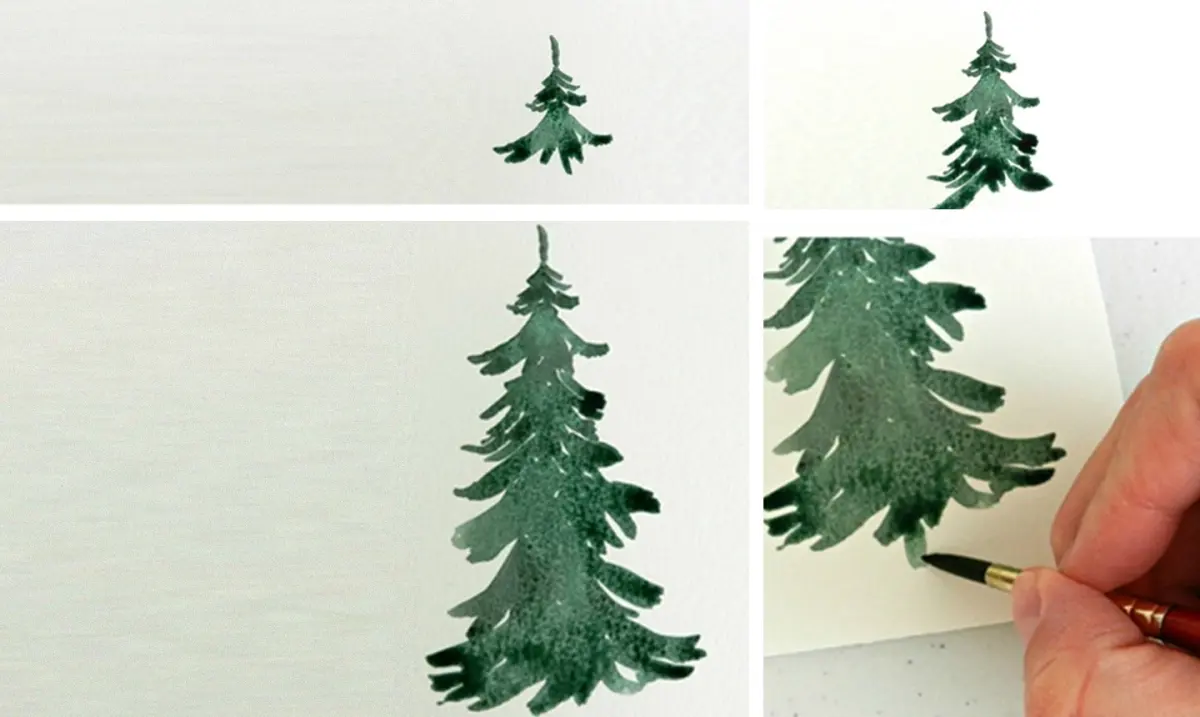
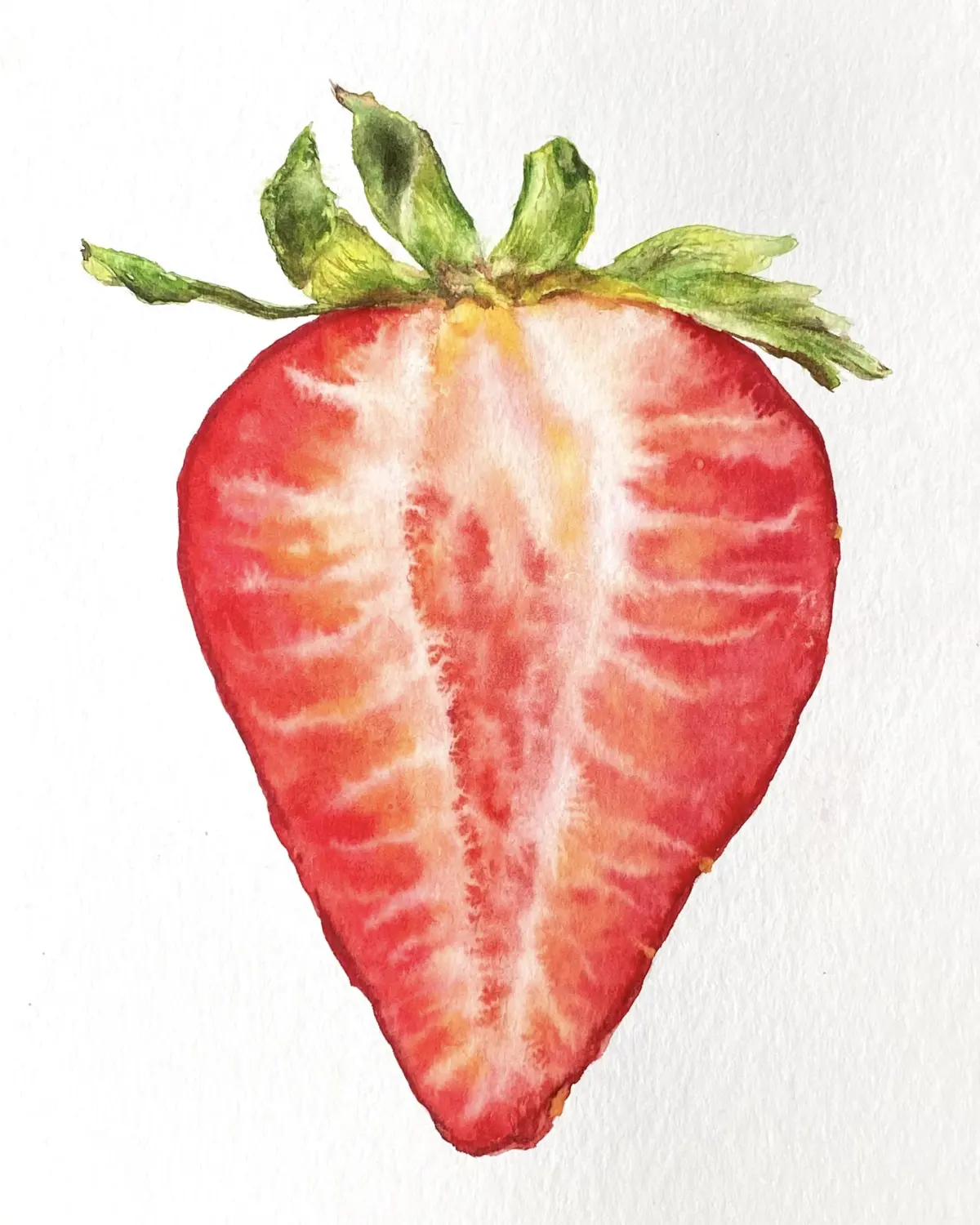
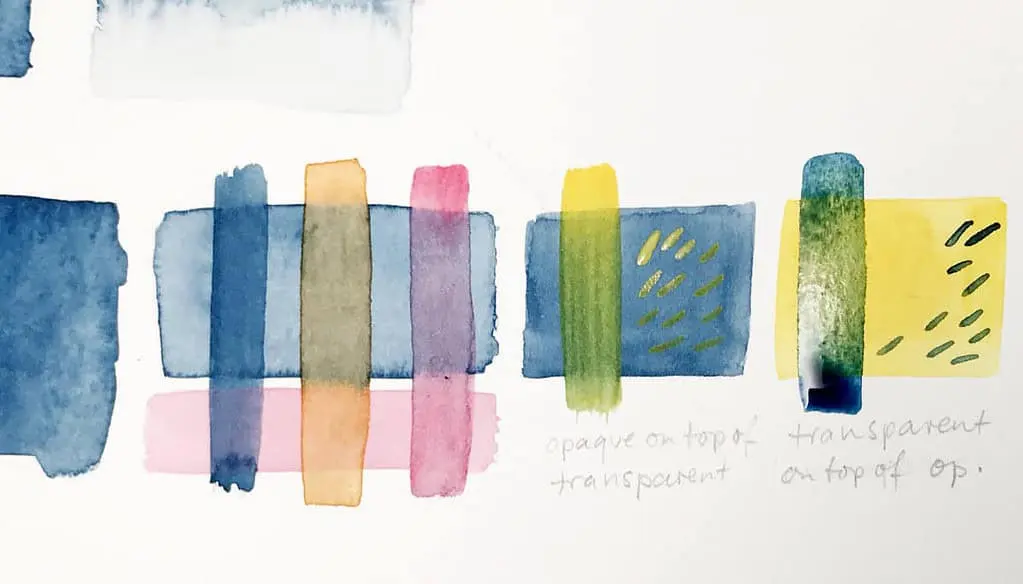
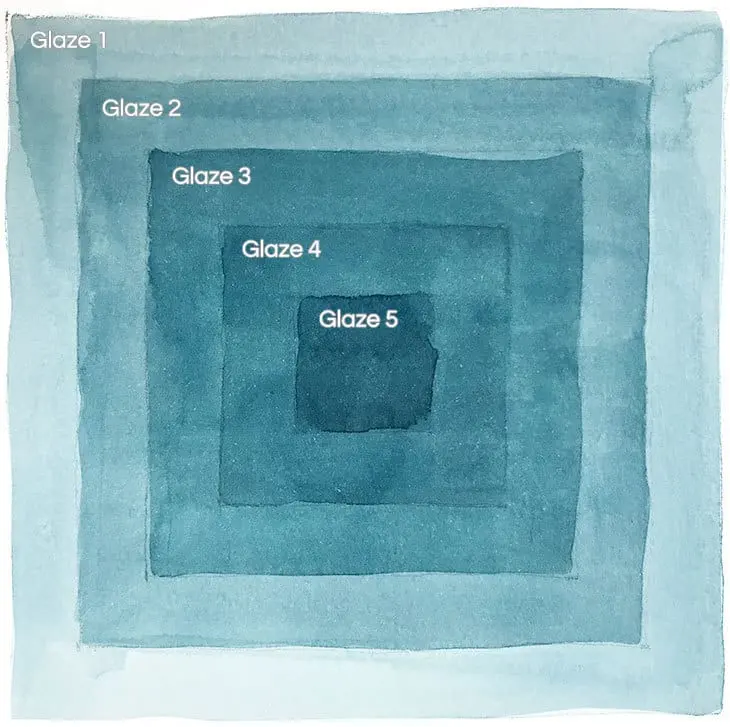
Layering watercolor relies on the medium's inherent transparency. Unlike opaque paints like acrylics or oils, watercolors allow light to pass through each layer, reflecting off the white paper surface. To begin, apply a light wash of color across your paper. Once this layer is bone-dry, apply a second, slightly more concentrated wash over the top. The goal is to build up values gradually, moving from the lightest tones to the deepest shadows.
Patience is the most critical component of this process. If you apply a wet brush over a layer that is still damp, the pigments will lift and mix, creating a "bloom" or "cauliflower" effect. While sometimes desirable for texture, this usually ruins the crispness of a layered composition. Use a hair dryer on a cool setting if you are impatient, or simply wait until the paper feels room temperature to the touch.
What supplies are best for layering
The quality of your materials significantly dictates how well your layers will hold up. Use 100% cotton cold-press or hot-press watercolor paper with a weight of at least 300 gsm (140 lb). Lower-quality cellulose paper often pills or disintegrates when subjected to multiple wet applications. High-quality professional-grade paints also offer better pigment load, allowing for vibrant glazes that do not appear chalky or dull when stacked.
Brushes should be soft enough to hold water but firm enough to maintain a point. Synthetic sable or natural kolinsky brushes are industry standards for layering because they provide excellent control. When selecting your palette, consider the transparency ratings of your pigments. Some colors, such as cobalt blue or quinacridone rose, are naturally transparent and ideal for glazing. Others, like cadmium yellow or cerulean blue, are more opaque and can turn layers into a muddy mess if overused.
How to prepare for a multi-layer painting
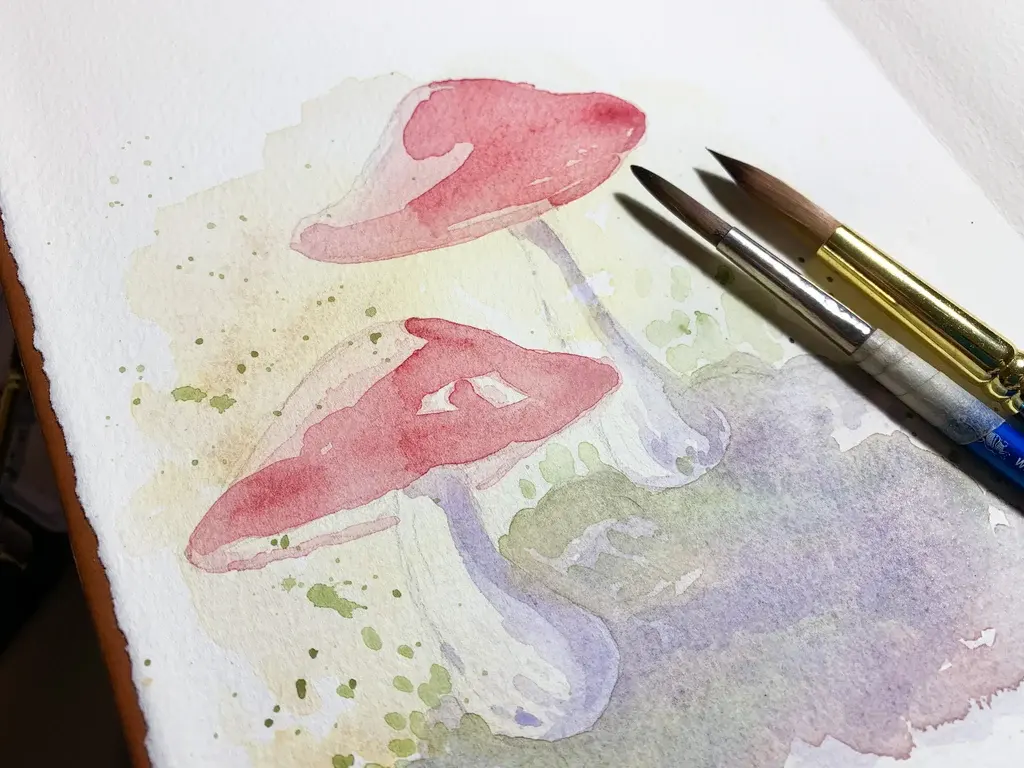
Preparation involves planning your light sources and value structure before the first drop of paint touches the paper. Many artists use a light graphite sketch to map out shapes, ensuring they know exactly where to place each wash. Because watercolor is difficult to lift once it has stained the paper, you must work strategically.
- Sketch your subject lightly using an HB or 2H pencil to avoid damaging the paper surface.
- Identify the areas that must remain white; you may use masking fluid to preserve these highlights.
- Test your color mixtures on a scrap piece of the same paper to ensure the hue is correct before committing to the painting.
- Mix enough paint to cover the entire area you intend to wash, as color-matching a second batch is notoriously difficult.
Why colors get muddy during layering
Muddy colors occur when you overwork the surface or mix too many complementary colors together. When you apply a new layer, the brush should glide gently over the previous one. If you scrub or push the brush back and forth, you will dissolve the underlying layer, resulting in a brown or gray sludge. This is particularly common when using student-grade pigments, which often contain fillers that do not layer cleanly.
Another frequent issue is the "lifting" of underlying layers. This happens when the brush is too wet or the paint has not fully cured. To avoid this, use a light touch and ensure your brush is damp rather than dripping. If you notice the color beneath starting to move, stop immediately and let the area dry completely before attempting to fix it. Always use a clean brush for each new layer to prevent cross-contamination of colors.
Common mistakes when layering watercolor
Many beginners make the mistake of trying to achieve dark values too early. Watercolor layering is a subtractive process regarding light; you are essentially darkening the paper with every stroke. If you start with a dark wash, you have no room to adjust the values later. Always begin with a thin, watery consistency and increase the pigment-to-water ratio as you progress toward the final details.
- Applying the next layer before the previous one is 100% dry.
- Using too much pressure, which disrupts the paper fibers and previous paint layers.
- Failing to test colors on a separate sheet, leading to unexpected color shifts.
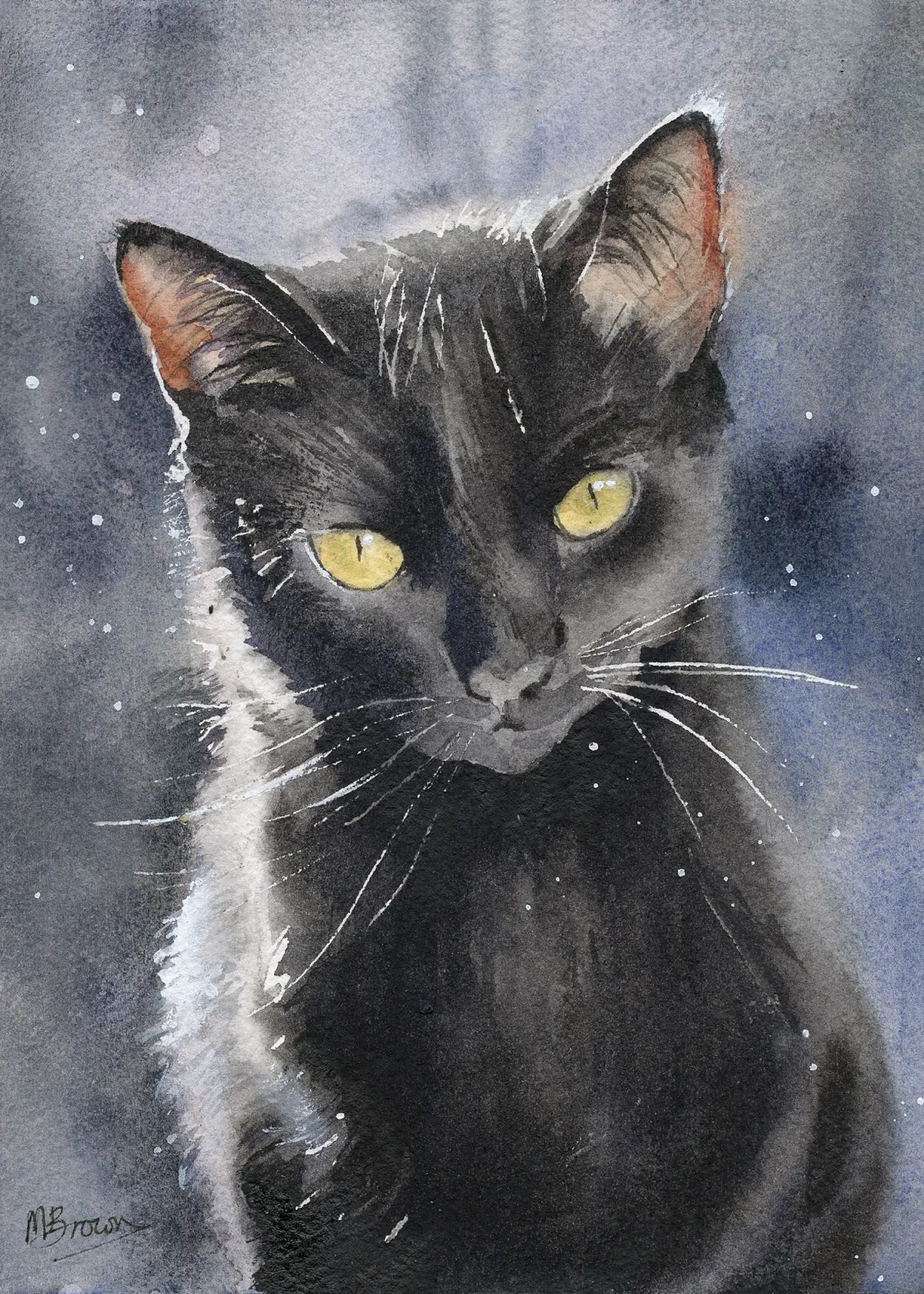
- Over-layering, which reduces the luminosity and makes the painting look heavy or opaque.
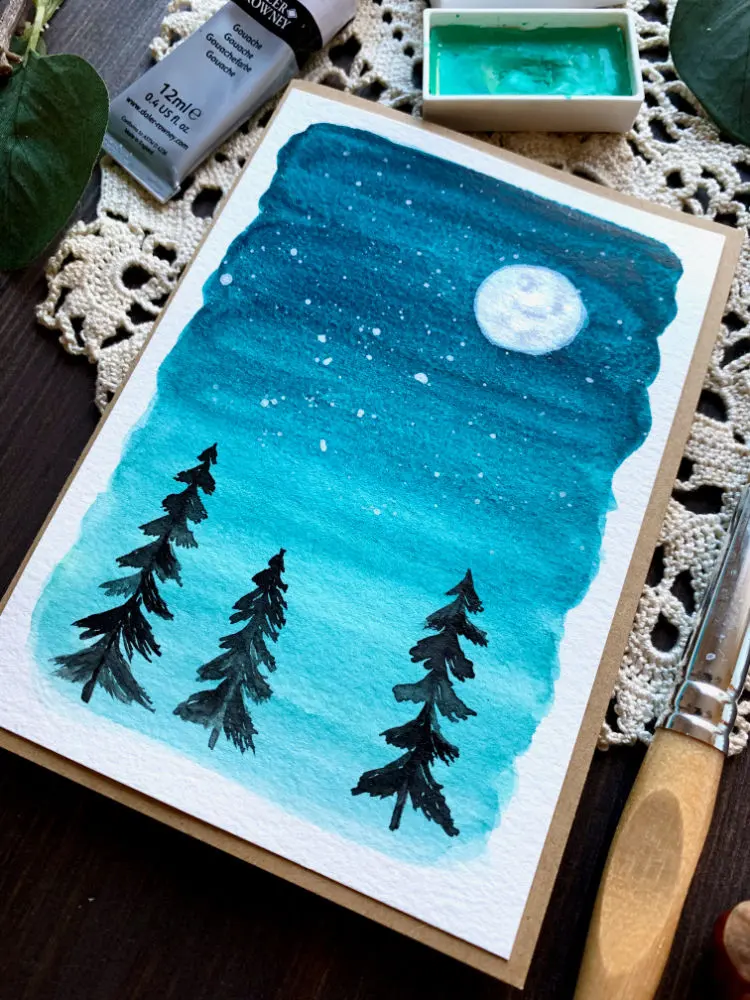
- Using opaque colors (gouache-like pigments) at the start of the painting, which blocks the light from reflecting through subsequent layers.
By adhering to these principles and practicing consistent drying times, you will gain the control necessary to produce professional, luminous watercolor works that exhibit depth and sophisticated color harmony.
Key facts
- Watercolor layering relies on the principle of transparency, where light passes through layers to reflect off the white paper.
- Always wait for the previous layer to dry completely before applying the next to prevent unwanted bleeding or muddy colors.
- Use a "light to dark" approach, as watercolor is transparent and cannot easily cover dark values with lighter ones.
- A "glazing" technique involves applying a thin, diluted wash over a dry, established color to shift its hue or deepen its tone.
- Keep your brush strokes confident and minimal to avoid disturbing the underlying pigment, which can cause the paper to pill.
- Test your color mixtures on a scrap piece of watercolor paper before applying them to your main painting to ensure the desired effect.
The bottom line
Mastering watercolor layering requires patience and a disciplined approach to transparency. By working from light to dark and ensuring each wash is bone-dry before adding the next, you preserve the medium's characteristic glow. Avoid the common pitfall of over-brushing, which muddies colors and damages the paper. With practice, these deliberate, translucent applications allow you to build complex, luminous compositions that define the beauty of watercolor painting.
People also ask
Can I use opaque white paint to fix mistakes in watercolor?
While you can use white gouache or watercolor to add highlights, it will sit on top of the paper rather than letting light pass through. This creates an opaque effect that differs from the traditional transparent quality of the medium.
Why does my painting look muddy when I layer colors?
Muddy colors often result from overworking the paper or mixing too many complementary colors together. Allow each layer to dry fully and use clean water to maintain the vibrancy of your pigments.
Should I use cold-press or hot-press paper for layering?
Cold-press paper has a textured surface that holds pigment well, making it ideal for layering without excessive bleeding. Hot-press paper is smoother and may cause pigments to lift or streak more easily when you apply subsequent washes.
How do I layer without lifting the previous color?
Use a soft, high-quality sable or synthetic brush and apply the new layer with a light, sweeping motion. Avoid scrubbing the surface, as this will re-wet and lift the dried pigment underneath.
Is it better to layer wet-on-dry or wet-on-wet?
Wet-on-dry is best for sharp edges and precise control, which is essential for detailed layering. Wet-on-wet is better for soft, atmospheric transitions where you want colors to blend seamlessly into one another.
How many layers can I realistically apply?
You can apply as many layers as the paper's sizing allows before it begins to break down. Most artists find that three to five layers are sufficient to build depth without losing the luminosity of the watercolor.
This answer was created with the help of AI research tools and reference sources. Spotted an error? Let us know — we correct mistakes quickly. See our editorial policy.