Where should you sign a painting?
Short answer
Artists typically sign their work in a bottom corner, most commonly the lower right, to maintain visual balance. While there is no legal requirement to sign a painting, doing so establishes provenance and identifies the creator. Choose a location that remains visible after framing and does not distract from the composition.
On this page
Where is the best place to sign a painting?
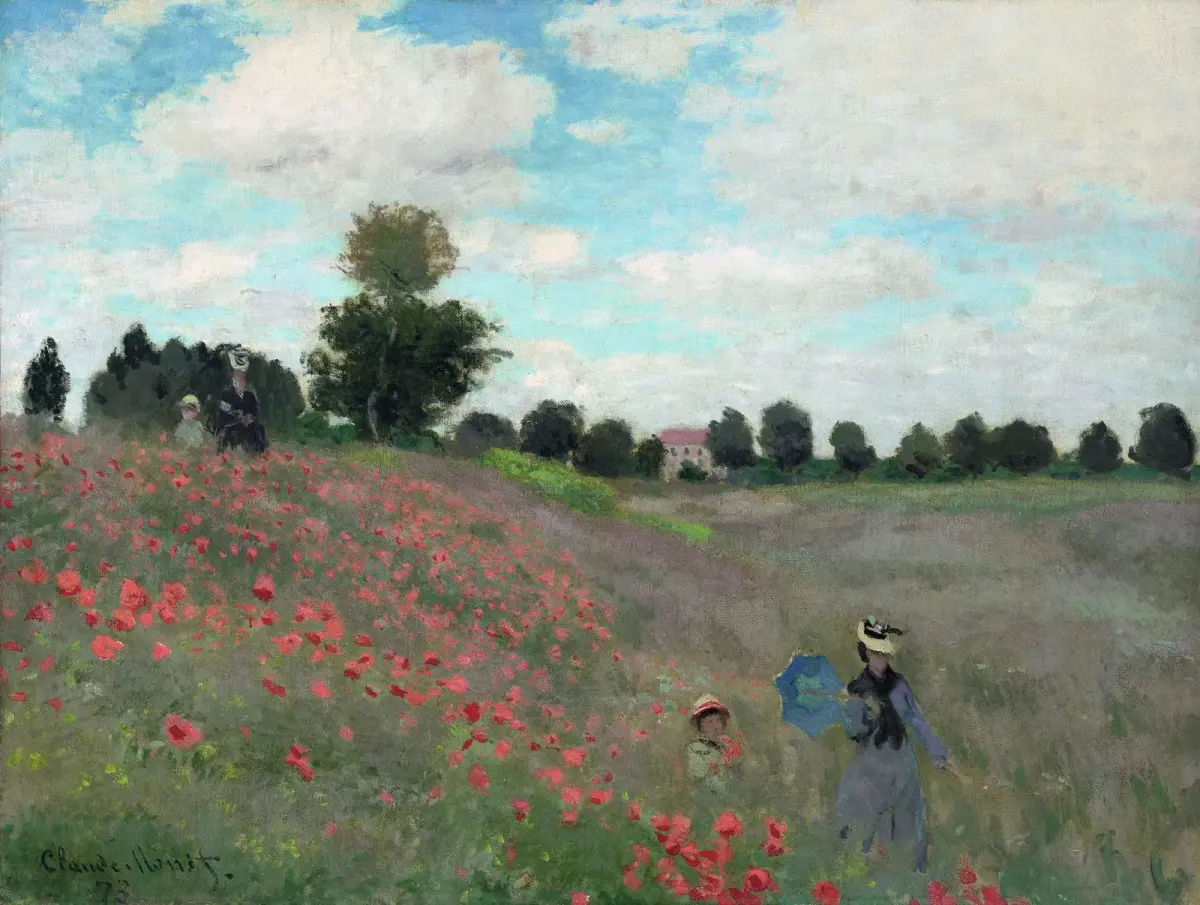
The lower right corner is the traditional standard for signing paintings, as Western viewers naturally scan images from left to right, ending in the bottom corner. Placing the signature here ensures it is noticed without disrupting the primary focal point of the artwork. If the composition is heavily weighted to the right, some artists opt for the lower left corner to restore visual equilibrium.
Regardless of the specific corner chosen, the signature should be integrated into the work’s overall aesthetic. Avoid placing it too close to the very edge of the canvas, as the frame or matting may obscure it once the piece is professionally mounted. Before finalizing the location, hold your frame against the canvas to ensure the signature remains clearly visible and legible.
- Test the placement with a piece of tape or a light pencil mark.
- Consider the balance of the painting's colors and shapes.
- Ensure the signature does not overlap with critical details of the subject matter.
- Verify that the signature is not hidden by the rabbet, which is the inner lip of the frame.
What tools should you use to sign a painting?
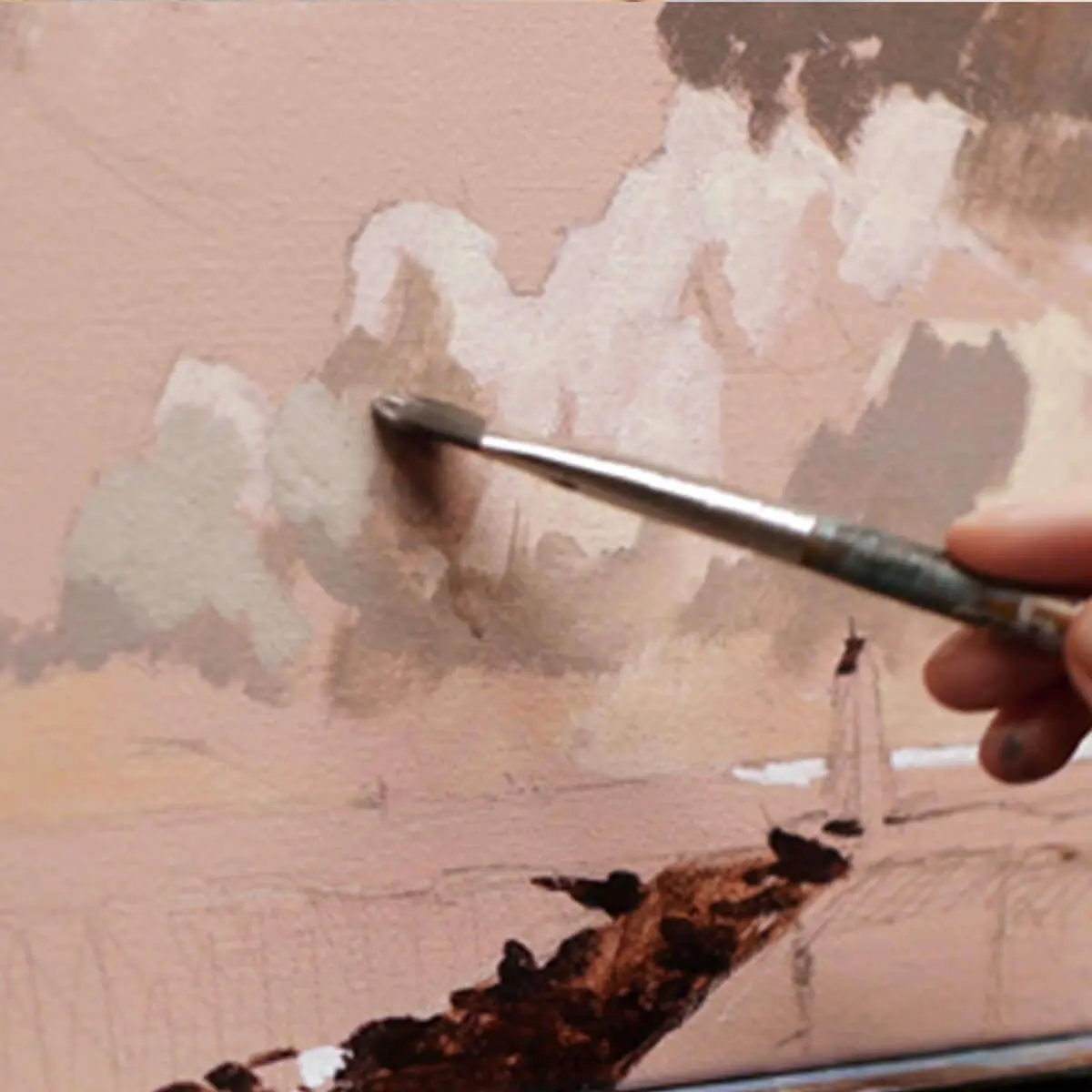
The choice of medium depends on the type of paint used for the artwork itself. For oil paintings, it is best to use a small, fine-tipped round brush and a slightly thinned oil paint. This ensures the signature has the same archival properties as the rest of the work and will age at the same rate. Acrylic artists often use a high-quality permanent ink pen or a fine brush with acrylic paint.
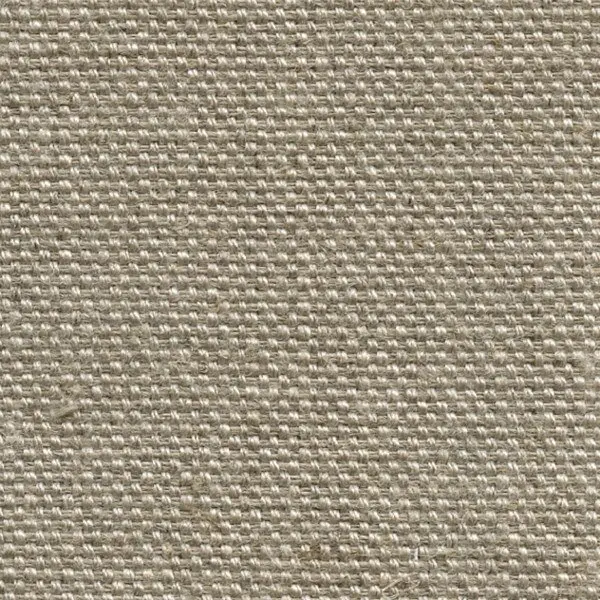
Avoid using materials that are not lightfast or archival, such as standard ballpoint pens or felt-tip markers, which can fade or bleed over time. If you are working on a textured surface, a thin brush is generally superior to a pen, as it allows you to navigate the peaks and valleys of the canvas weave. Always ensure the painting is completely dry before applying your signature to prevent smudging or dragging the underlying paint.
- Use a small round brush (size 0 or 00) for control.
- Match the consistency of your paint to your signature medium.
- Apply a light varnish over the signature later to protect it.
- Never use graphite pencil on oil paintings, as it may not adhere well to the oily surface.
How to make a signature look professional?
A professional signature should be consistent, legible, and subtle. Many artists develop a specific "brand" signature that remains identical across their entire body of work, which helps collectors identify their pieces easily. You do not need to write your full name; a stylized version of your initials or your last name is often sufficient and looks cleaner.
Practice your signature on a scrap piece of canvas or paper before applying it to the final work. The goal is for the signature to feel like an intentional part of the composition rather than an afterthought. If you find your handwriting is shaky, try resting your hand on a mahl stick or the edge of your easel to provide stability. Keep the size proportional to the painting; a signature that is too large can overwhelm a delicate scene.
Why do artists choose not to sign the front?
Some contemporary artists prefer a minimalist aesthetic and choose to omit a signature from the front of the canvas entirely. In these cases, it is essential to provide documentation on the back of the painting. This practice, often called "verso signing," involves writing your full name, the title of the work, the date of completion, and the medium directly on the back of the canvas or the stretcher bars.
This approach is particularly common for abstract works where a signature might break the illusion or the flow of the paint. If you choose this method, ensure that the information is written in permanent, archival ink. Many professional galleries also require a separate certificate of authenticity, which serves as a formal record of the work’s origin. This document should include a photograph of the piece and your official signature.
Common mistakes when signing a painting
One of the most frequent errors is signing the work while the paint is still tacky, which often leads to "pulling" or smearing the wet surface. Another common mistake is choosing a color that contrasts too sharply with the painting, making the signature the first thing a viewer notices. The signature should be a quiet acknowledgement, not a loud advertisement.
Avoid signing in a location that is impossible to frame without cropping the image. If you are working on a gallery-wrapped canvas, you might consider signing the side edge, but be aware that this can look unprofessional if the painting is later placed in a traditional frame. Finally, never add a signature years later without documenting the addition, as this can cause confusion regarding the timeline of your artistic development. Always keep your signature simple and consistent to ensure your work remains easily recognizable throughout your career.
Key facts
- Sign in a bottom corner, typically the lower right, to maintain the visual balance of the composition.
- Use a color that harmonizes with your palette rather than pure black or white, which can look jarring.
- Ensure the signature is legible but subtle enough that it does not distract from the primary subject matter.
- Apply your signature after the final varnish layer if you want to protect it, or before if you want it integrated into the paint.
- Avoid signing too close to the very edge of the canvas to ensure the signature remains visible after framing.
- Maintain consistency in your signature style across your body of work to help with authentication and branding.
The bottom line
Choosing where to sign your painting is a balance between professional branding and artistic integrity. Aim for the lower right corner using a color that complements your existing palette. By keeping the signature subtle yet legible and including the year, you provide essential documentation for future collectors. Consistency is the key to establishing your professional identity while ensuring your work remains easily identifiable throughout your career.
People also ask
Should I use my full name or just my initials?
Using your full name or a consistent professional pseudonym is generally preferred for provenance. Initials can be harder to attribute to a specific artist as your career progresses and your work gains value.
Is it acceptable to sign the back of the canvas instead of the front?
Many artists sign the back to keep the front clean and focused solely on the imagery. However, signing the front is standard practice in the gallery world as it provides immediate identification for viewers.
Can I use a permanent marker to sign an oil painting?
You should avoid using felt-tip markers or pens, as they may fade or bleed over time. It is best to use a small brush and the same medium used in the painting for longevity.
Does the signature have to be perfectly straight?
The signature does not need to be perfectly horizontal, but it should align with the overall orientation of the work. Avoid placing it at an awkward angle that forces the viewer to tilt their head.
What if I forget to sign the painting before it dries?
You can sign a dry painting by using a small amount of fresh paint thinned with a medium. Alternatively, you can sign into the final varnish layer if you are careful not to damage the surface.
Should I include the date next to my signature?
Including the year is highly recommended as it provides a clear timeline of your artistic development. This information is invaluable for collectors and historians tracking your career trajectory over the decades.
This answer was created with the help of AI research tools and reference sources. Spotted an error? Let us know — we correct mistakes quickly. See our editorial policy.