How do you spot a fake painting?
Short answer
Spotting a fake painting requires a combination of provenance research, stylistic analysis, and scientific testing. Experts examine the physical materials, such as pigments and canvas age, while verifying the work's historical documentation. Authentic pieces possess a clear, documented chain of ownership, whereas forgeries often rely on inconsistent signatures or anachronistic artistic techniques.
On this page
How to verify provenance and documentation
Provenance is the documented history of an artwork’s ownership, serving as the primary defense against forgeries. A legitimate painting should have a paper trail that accounts for its location from the moment it left the artist’s studio to the present day. Missing gaps in this history, especially during periods of war or social upheaval, are significant red flags that require further investigation.
To verify a painting’s history, follow these steps:
- Request the original bill of sale, exhibition catalogs, and gallery receipts.
- Cross-reference the work with the artist’s "catalogue raisonné," which is a comprehensive, annotated list of all known works by a specific artist.
- Contact the artist’s estate or foundation to see if they have a record of the piece.
- Check international databases of stolen art, such as the Art Loss Register, to ensure the piece has not been reported missing or looted.
Be wary of documents that appear too pristine or lack verifiable contact information for previous owners. Forgers often create "aged" invoices using period-appropriate paper, but these documents rarely stand up to forensic scrutiny by experts.
Why artistic style and technique matter
Art experts look for "the hand of the artist," which refers to the unique, subconscious physical habits an painter develops over time. This includes brushstroke pressure, layering techniques, and the specific way an artist mixes their colors. Forgers often focus on copying the visual image but fail to replicate the underlying rhythm and confidence of the original brushwork.
When examining the surface of a painting, look for these common signs of imitation:
- Hesitant or "stuttering" lines, which suggest the painter was tracing or copying rather than creating.
- Inconsistent color blending that does not match the artist’s known palette or period.
- Poorly executed details in areas the artist usually prioritized, such as the eyes in a portrait or the background geometry.
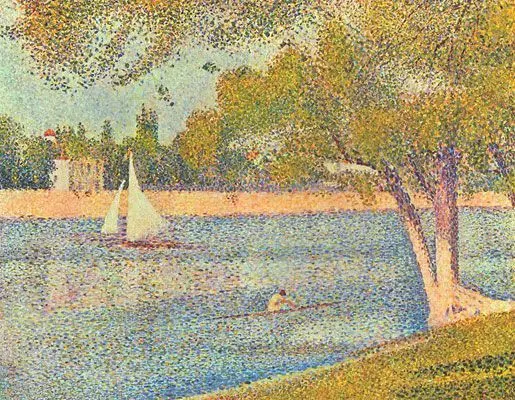
- Signs of "pouncing," where a design is transferred to the canvas through small pinpricks, leaving tiny dots that are visible under magnification.
If the painting feels "flat" or lacks the depth of texture expected from a specific movement, such as the heavy impasto of an Impressionist work, it is likely a modern reproduction.
How to use scientific testing methods
Scientific analysis provides objective data that human eyes cannot perceive. Experts use non-invasive tools to peer beneath the surface of the paint to see what lies underneath. This is crucial because forgers often paint over old, worthless canvases to give their work a sense of historical legitimacy.
Common scientific methods include:
- X-ray radiography: This reveals pentimenti, or changes made by the artist during the painting process, which are almost impossible for a forger to replicate.
- Infrared reflectography: This detects underdrawings, such as charcoal sketches or grid lines, hidden beneath the final layers of paint.
- Pigment analysis: Using X-ray fluorescence, scientists can identify the chemical composition of the paint to ensure the pigments were actually available during the artist's lifetime.
- Carbon-14 dating: This can determine the age of organic materials like wood panels or canvas fibers, helping to rule out modern materials.
If a painting contains titanium white, a pigment that was not commercially available until 1921, it cannot be an 18th-century masterpiece.
Common mistakes when inspecting signatures
Many amateur collectors focus entirely on the signature, assuming it is the most important indicator of authenticity. In reality, the signature is the easiest element to forge and is often added to a painting long after the image itself is completed. Relying solely on a signature is a major mistake, as even authentic paintings sometimes have forged signatures added by dealers to increase value.
Avoid these errors during your inspection:
- Do not assume a signature is authentic just because it looks like one in a textbook.
- Check if the signature sits "on top" of the varnish, which indicates it was added later.
- Look for signs of paint bleeding into the signature, which suggests it was applied while the paint was still wet.
- Compare the signature to known examples from the artist’s specific period, as many artists changed their signatures throughout their careers.
Always treat the signature as a secondary piece of evidence rather than the final word on the work’s legitimacy.
Best practices for expert authentication
The authentication process is a collaborative effort that should never be conducted in isolation. If you suspect you have a valuable piece, you must consult with independent experts who have no financial stake in the sale of the painting. Relying on a single opinion, especially one from a seller, creates a conflict of interest that can lead to costly errors.
When seeking an expert opinion, keep these guidelines in mind:
- Seek out scholars who specialize in the specific artist or the specific movement of the painting.
- Hire a professional art appraiser who follows the Uniform Standards of Professional Appraisal Practice.
- Be prepared for the possibility that the work is a "school of" piece, meaning it was painted by a student or follower of the master, which carries significantly less value.
- Understand that "authentication" is an opinion, not a guarantee, and requires a consensus among the scholarly community to be widely accepted.
By combining thorough historical research with modern scientific testing, you can navigate the complex art market with confidence and avoid the pitfalls of buying a fake.
Key facts
- Examine the canvas weave under a magnifying glass; modern synthetic fibers were not used in professional art before the mid-20th century.
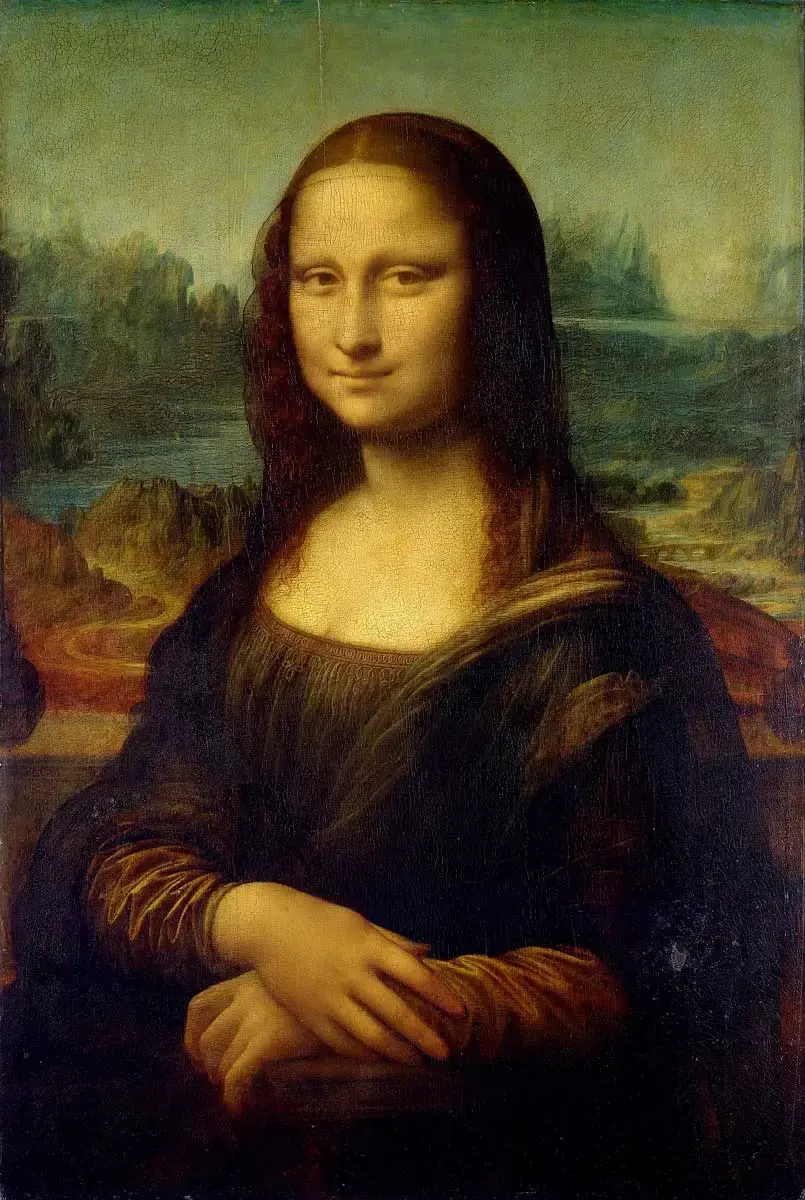
- Check for "craquelure," the natural network of cracks that develops as oil paint dries and ages over decades or centuries.
- Use an ultraviolet (UV) light in a dark room to reveal modern retouching, which will glow a distinct, bright violet or yellow compared to original pigments.
- Inspect the edges of the painting for signs of "lining," where an old canvas is glued to a new one to hide tears or damage.
- Verify the provenance, or the documented history of ownership, which should be traceable back to the artist or a reputable gallery.
- Look for suspicious signatures that appear to be painted on top of the varnish rather than integrated into the paint layers beneath it.
The bottom line
Detecting a fake painting requires a combination of technical forensic analysis and rigorous historical research. While visual inspection can reveal obvious discrepancies in aging and materials, professional authentication is essential for high-value works. Always prioritize a verifiable chain of ownership and consult independent experts. By remaining skeptical of "too good to be true" deals and utilizing scientific testing, you can significantly reduce the risk of acquiring a forgery.
People also ask
Can a professional appraisal guarantee that a painting is authentic?
An appraisal provides an expert opinion on value and attribution but is not a legal guarantee of authenticity. Even top experts have occasionally misidentified works, so appraisals should be viewed as informed assessments rather than absolute proof.
How do forensic laboratories test for fake paintings?
Laboratories use techniques like X-ray fluorescence to identify the chemical composition of pigments. If a painting dated to the 17th century contains titanium white, which was not commercially available until 1921, the work is definitively a forgery.
What is the significance of the "artist's stamp" on the back of a canvas?
Many artists used specific suppliers who stamped their canvases with a brand or location. If the stamp belongs to a company that did not exist during the artist's lifetime, the painting is likely a modern reproduction.
Why do forgers often use old frames to sell fake paintings?
Forgers use period-appropriate frames to trick buyers into believing the painting has been in a domestic setting for a long time. A genuine 18th-century frame does not prove the painting inside it is of the same era.
What is the most common mistake people make when buying art?
The most common mistake is failing to verify the provenance through independent, third-party documentation. Buyers often rely on verbal stories or unverified certificates of authenticity provided by the seller.
Are there databases that track stolen or fake artworks?
Yes, organizations like the Art Loss Register and the International Foundation for Art Research maintain databases of stolen and forged items. Checking these records can prevent the purchase of a work with a compromised history.
This answer was created with the help of AI research tools and reference sources. Spotted an error? Let us know — we correct mistakes quickly. See our editorial policy.