How do you paint loose watercolor?
Short answer
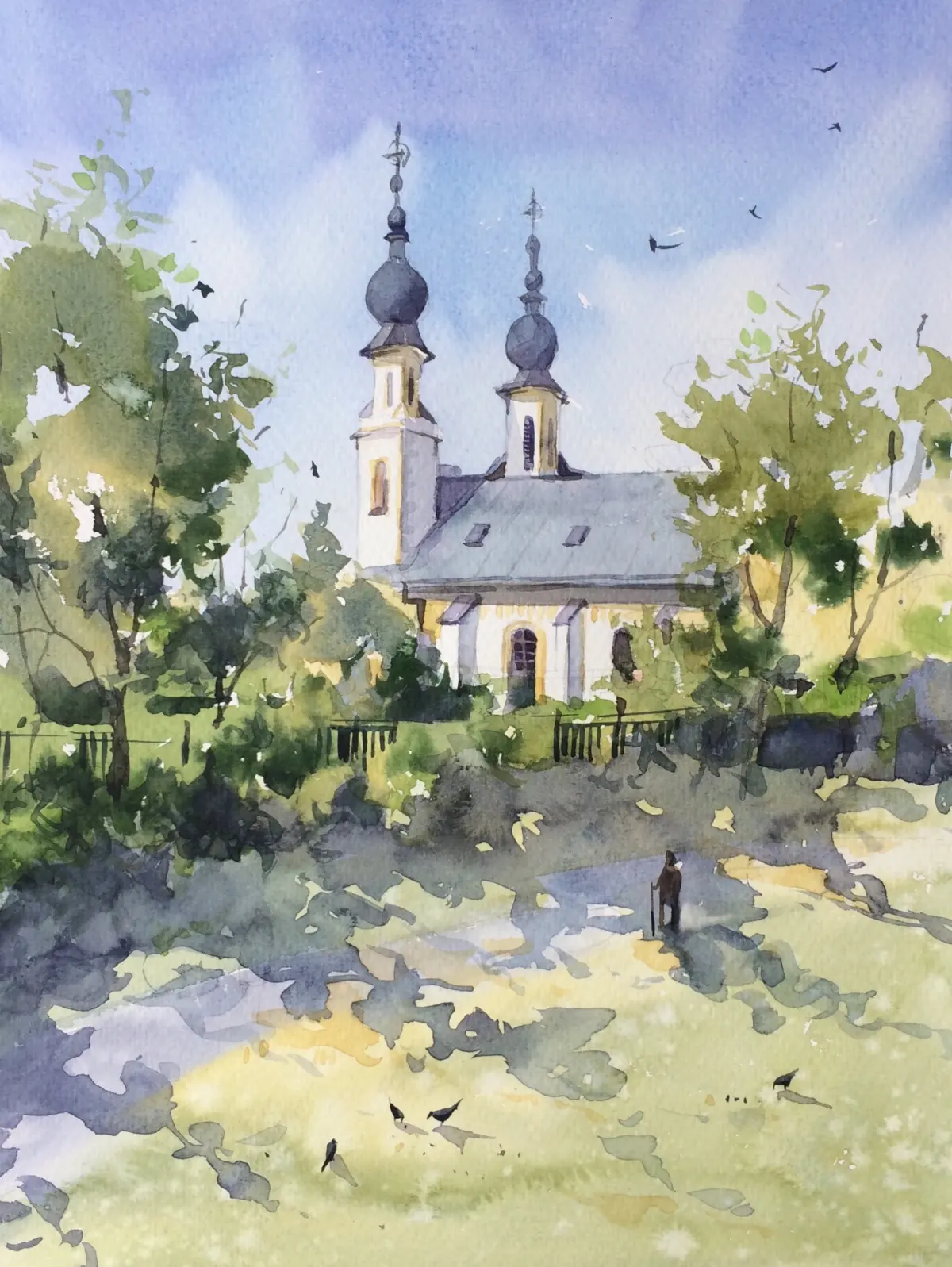
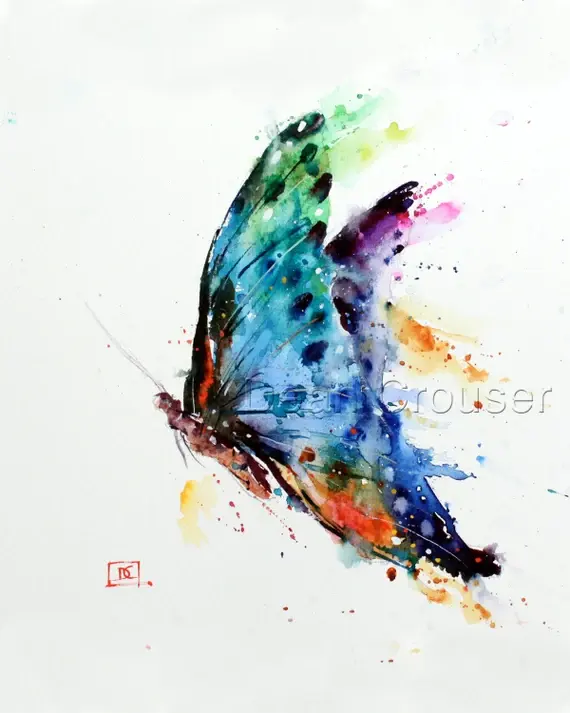
Loose watercolor painting is an expressive technique that prioritizes fluid movement, suggestive shapes, and color interaction over rigid detail. By using a high water-to-pigment ratio and confident, gestural brushstrokes, artists allow the medium to behave organically. Success relies on minimizing brush contact, embracing happy accidents, and trusting the paint to blend naturally on paper.
On this page
What materials are needed for loose watercolor?
To achieve a loose, flowing aesthetic, you must use high-quality supplies that support heavy water application. Cold-press watercolor paper with a weight of at least 140 pounds (300 gsm) is essential, as lighter paper will buckle under moisture. Cotton-based paper is superior to wood pulp because it allows pigments to move and bloom across the surface without staining instantly.
For brushes, prioritize large, round synthetic or natural hair brushes that hold a significant amount of water. A size 10 or 12 round brush is often sufficient for most subjects, as the tapered point allows for both broad washes and fine detail. Avoid small, stiff brushes that encourage tight, controlled mark-making. Finally, use professional-grade tube paints rather than dry pans, as they offer the pigment concentration necessary to create vibrant, fluid mixtures quickly.
How to prepare your workspace for loose painting
A loose approach requires a setup that facilitates speed and spontaneity. Place your water containers and paint palette within easy reach to ensure you can transition between colors without hesitation. Keeping your paper at a slight incline using a drawing board allows gravity to assist the flow of pigment, creating natural gradients and soft edges that define the loose style.
- Tape your paper down firmly to prevent warping or sliding during wet-on-wet applications.
- Mix large puddles of paint on your palette before you start, ensuring you have enough volume to cover areas in single, continuous strokes.
- Keep a clean, damp cloth or paper towel nearby to lift excess water or correct mistakes immediately.
- Test your color consistency on a scrap piece of paper to ensure the ratio of water to pigment is correct before touching your main surface.
How to execute loose watercolor brushstrokes
The core of loose painting is the "one-stroke" philosophy, which discourages overworking an area. Once you place a mark on the paper, leave it alone to dry. If you continue to fiddle with a shape, you will disturb the pigment and create muddy textures. Aim for confidence by loading your brush fully and moving with purpose across the page.
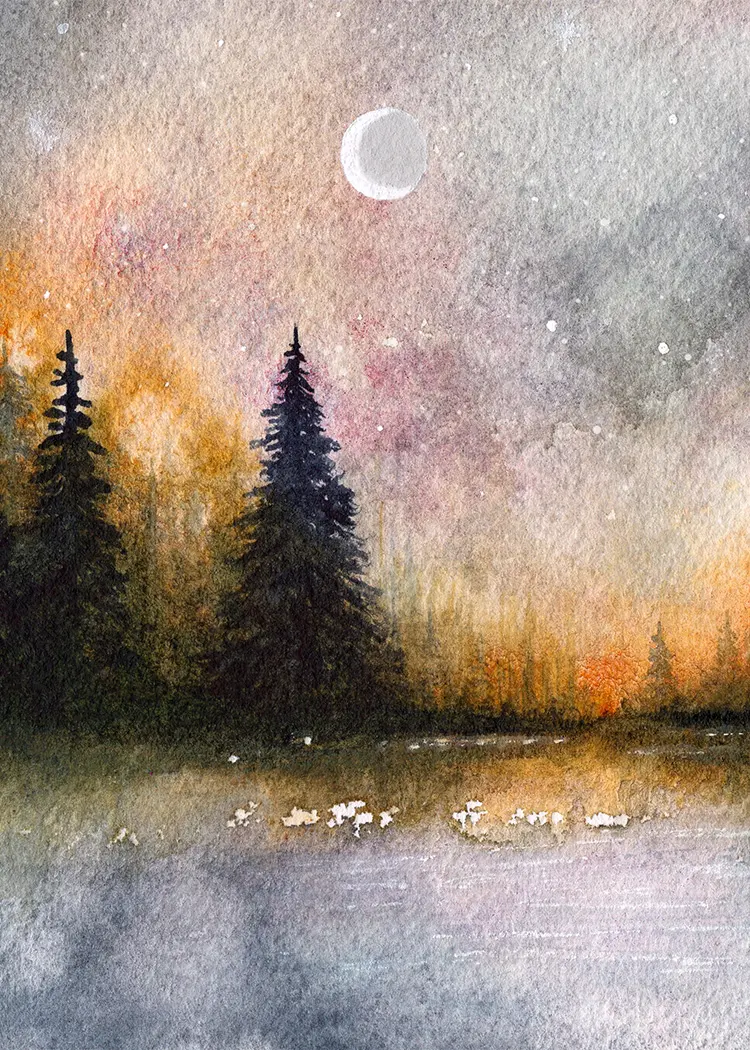
Focus on the silhouette of your subject rather than individual components. For instance, if painting a tree, suggest the trunk with a single, dark, vertical swipe rather than drawing the bark. Use the side of the brush to create broad, textured marks that represent light and shadow. By varying the pressure of your hand, you can create tapered edges that feel organic and alive. Remember that white space is a vital tool; leaving sections of the paper untouched creates a sense of light and prevents the painting from becoming cluttered.

Why colors blend and bloom in loose watercolor
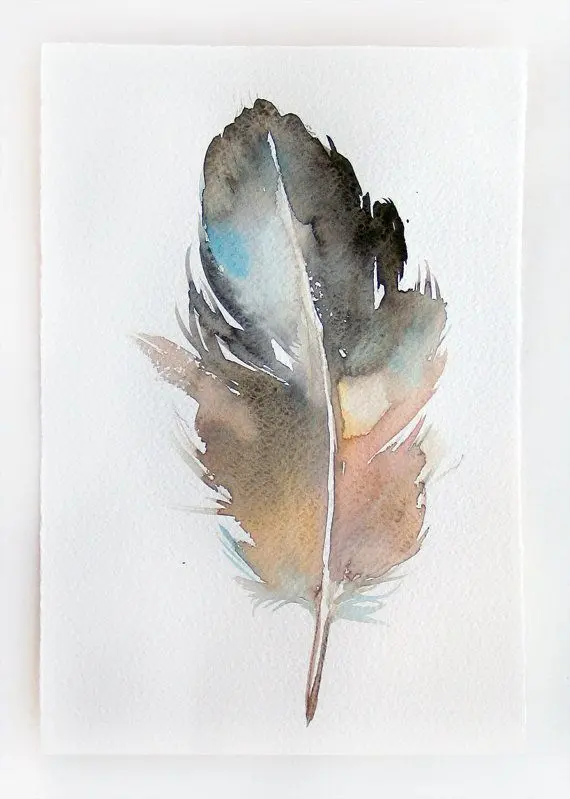
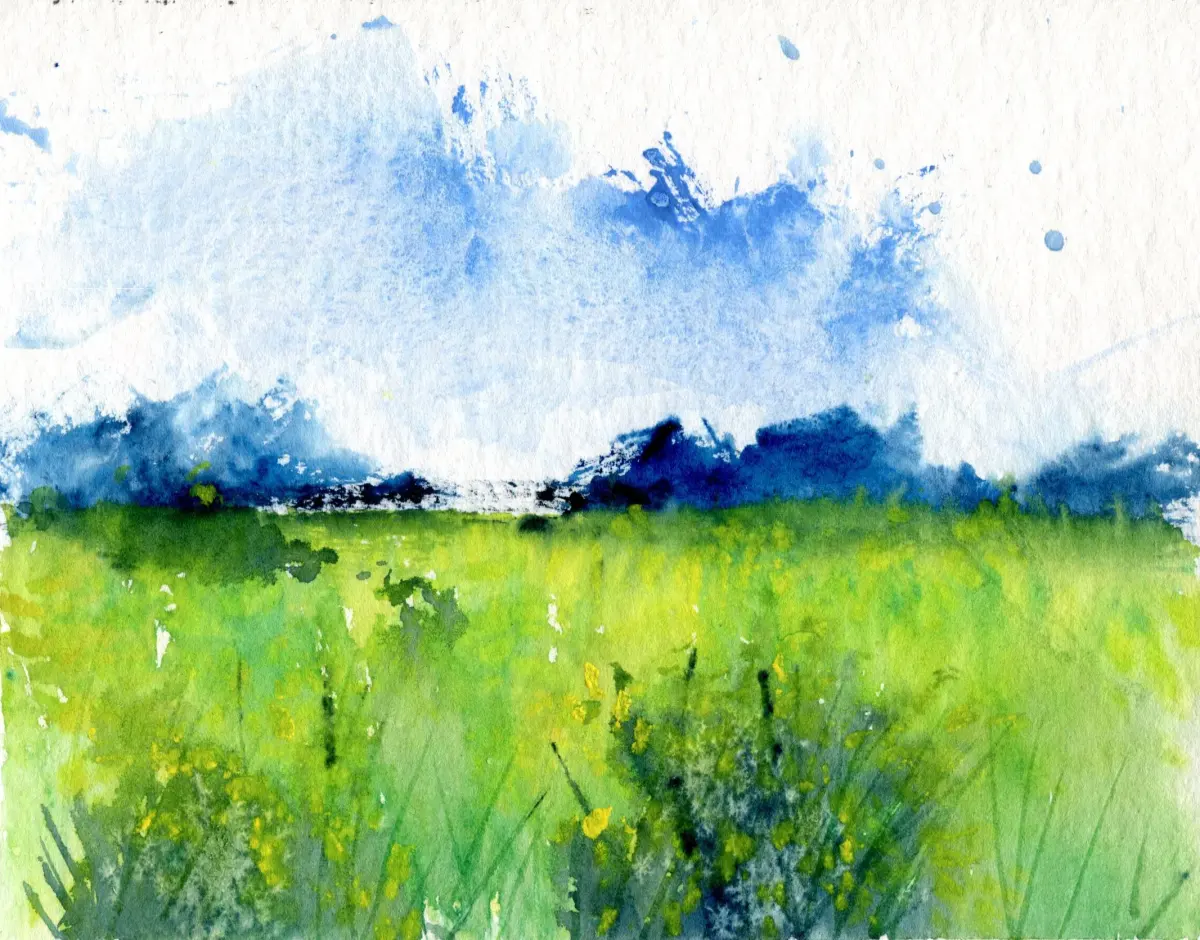
The "wet-on-wet" technique is the primary method for achieving soft, ethereal transitions. By wetting the paper with clean water before applying pigment, you create a surface where colors can migrate and mingle on their own. This process results in "blooms" or "cauliflowers," which are often viewed as mistakes in traditional painting but are celebrated as beautiful, intentional effects in loose watercolor.
- Control the moisture level: If the paper is too wet, the pigment will spread uncontrollably; if too dry, it will create hard, jagged edges.
- Use gravity: Tilt your board to guide the merging colors, allowing them to create natural patterns.
- Limit the palette: Using only two or three colors prevents the mixture from turning into a dull gray or brown when they blend on the paper.
- Work from light to dark: Always start with the palest washes, as you can easily darken a section but cannot lighten a deep, saturated tone.
Common mistakes when painting loose watercolor
The most frequent error is "over-painting," or the tendency to return to an area repeatedly. This destroys the transparency of the watercolor and creates a overworked, flat appearance. If you find yourself obsessing over a specific detail, stop immediately and move to a different part of the composition. Allow the paint to dry completely before deciding if the area truly needs more definition or if it is already successful.
Another common pitfall is using too much paint and not enough water. If your mixture is thick like acrylics, it will not flow, resulting in a stiff, illustrative look that lacks the characteristic fluidity of the medium. Conversely, using brushes that are too small often leads to "ticking" or "scratching" marks, which are the opposite of the broad, sweeping gestures required for this style. By embracing the unpredictability of water and accepting that you cannot control every pigment particle, you will develop a more authentic and expressive artistic voice.
Key facts
- Use a large, round brush to force yourself to focus on shapes rather than tiny details.
- Maintain a high water-to-pigment ratio to ensure the paint flows freely across the paper.
- Work on cold-press watercolor paper, which has a textured surface that encourages interesting paint dispersion.
- Aim to finish a painting in fewer than 20 minutes to prevent overworking and muddy colors.
- Connect shapes by letting wet areas touch, allowing the pigments to bleed into one another naturally.
- Keep your hand loose and avoid resting your wrist on the paper to create more fluid, expressive brushstrokes.
The bottom line
To paint with a loose watercolor style, prioritize spontaneity and the natural flow of water over rigid control. By using large brushes, limited time frames, and wet-in-wet applications, you allow the medium to dictate the final result. Embrace imperfections and resist the urge to correct every stroke. The ultimate goal is to capture the essence of your subject through bold, fluid, and confident mark-making.
People also ask
What is the best paper for loose watercolor painting?
140-pound (300 gsm) cold-press watercolor paper is ideal because it absorbs water well and provides enough texture to catch pigment. Avoid smooth hot-press paper, as it makes controlling wet-in-wet techniques more difficult for beginners.
How do I stop my colors from becoming muddy?
Mud occurs when you mix too many complementary colors or overwork a damp area with a brush. To keep colors vibrant, mix them on the paper rather than the palette and avoid touching an area once it begins to dry.
Should I use synthetic or natural hair brushes?
Synthetic brushes are often preferred for loose painting because they hold a sharp point while maintaining enough stiffness to create expressive marks. Natural hair brushes, such as squirrel or sable, hold more water but can be more expensive and difficult to control.
How do I know when a painting is finished?
A loose painting is complete once the primary shapes and focal points are established. If you find yourself adding small details or fixing edges, you have likely pushed past the "loose" aesthetic and should stop immediately.
What is the wet-on-wet technique?
This technique involves applying wet paint onto a surface that has already been dampened with clear water. It creates soft, diffused edges that are a hallmark of the loose watercolor style.
Can I use masking fluid in loose watercolor?
While masking fluid protects white space, it often creates hard, unnatural edges that contradict the loose style. It is better to paint around your highlights or use a dry brush technique to suggest light.
This answer was created with the help of AI research tools and reference sources. Spotted an error? Let us know — we correct mistakes quickly. See our editorial policy.