What is Expressionism?
Short answer
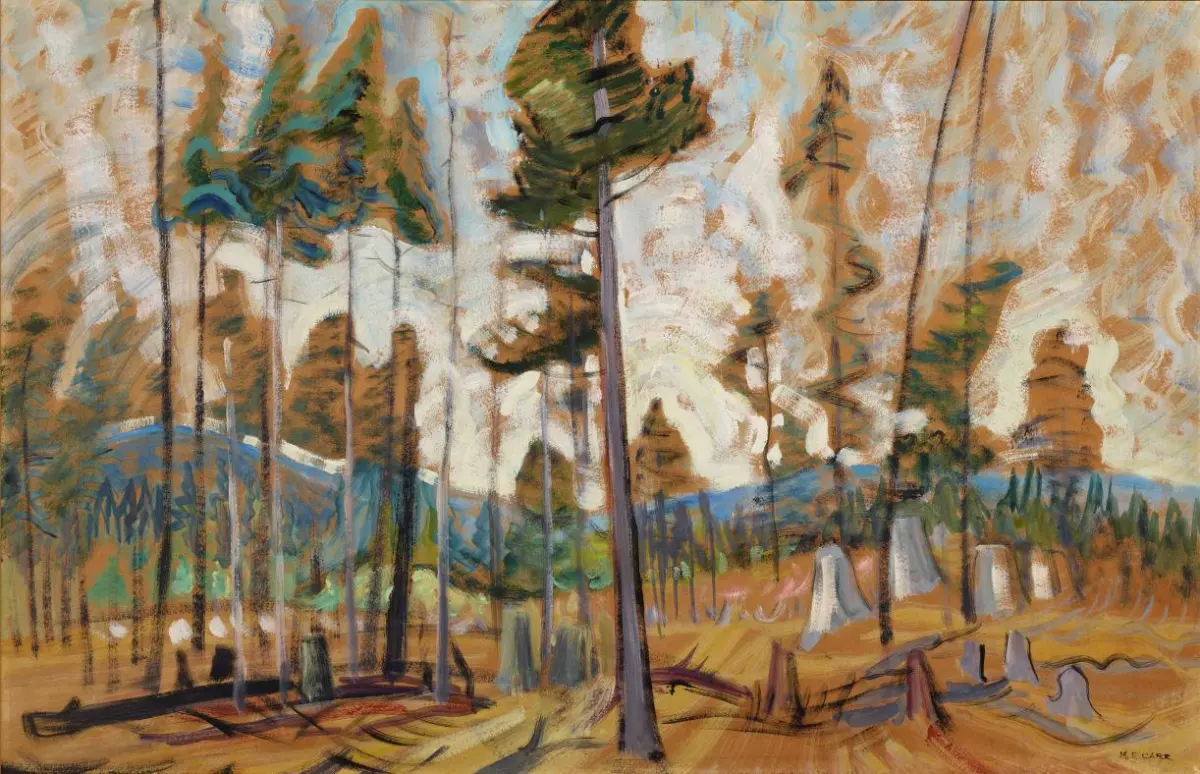
Expressionism is a modernist movement that emerged in early 20th-century Germany, prioritizing emotional experience over physical reality. Artists distorted forms and utilized vivid, non-naturalistic colors to convey intense subjective feelings, such as anxiety, alienation, or joy. It fundamentally shifted art from representing the external world to expressing the internal human psyche.
On this page
What are the characteristics of Expressionism?
Expressionism is defined by its rejection of traditional aesthetics and academic realism. Instead of capturing light or perspective accurately, artists sought to visualize the "inner necessity" of the soul. This often resulted in jagged lines, distorted figures, and jarring, clashing color palettes that were intended to provoke an immediate visceral reaction from the viewer.
The movement was heavily influenced by the psychological theories of the era, particularly those exploring the subconscious. By abandoning the goal of objective beauty, Expressionists created works that felt raw, urgent, and deeply personal. Their primary goal was to communicate the turbulent emotions of the modern age, often reflecting the social and political anxieties of pre- and post-World War I Europe.
Key visual elements of the movement include:
- Exaggerated, elongated, or contorted human forms.
- High-contrast, non-naturalistic color schemes.
- Thick, visible, and aggressive brushwork.
- A focus on themes of isolation, urban alienation, and spiritual longing.
- Simplification of shapes to emphasize emotional impact over detail.
How did Expressionism start?
The movement originated primarily in Germany around 1905, evolving through two major artist collectives: Die Brücke (The Bridge) and Der Blaue Reiter (The Blue Rider). Die Brücke, founded in Dresden by Ernst Ludwig Kirchner and others, focused on primitive forms and raw, emotional outbursts. They were inspired by the works of Vincent van Gogh and Edvard Munch, whose intense color usage and psychological depth paved the way for the movement.
Der Blaue Reiter, established in Munich in 1911 by Wassily Kandinsky and Franz Marc, took a more spiritual and abstract approach. They believed that art should transcend the material world to reach a higher, metaphysical plane. While Die Brücke was often gritty and confrontational, Der Blaue Reiter was more lyrical and experimental, eventually leading toward the development of pure abstraction in modern art.
The historical context of this period was marked by rapid industrialization and urbanization. As traditional societal structures began to crumble under the pressure of modernization, artists felt a profound sense of displacement. Expressionism provided a visual language for this collective unease, capturing the tension between the individual and the rapidly changing, mechanized environment of the early 20th century.
Who are the most famous Expressionist artists?
The legacy of Expressionism is anchored by a handful of visionary painters whose distinct styles defined the movement's range. Edvard Munch, a Norwegian precursor, created "The Scream" (1893), which remains the quintessential image of existential dread. His ability to turn a landscape into a reflection of internal panic set the standard for the generation of German artists that followed.
Wassily Kandinsky is perhaps the most influential figure, as he pushed Expressionism toward complete abstraction. He believed that colors and shapes possessed musical qualities that could directly influence the human soul. Meanwhile, Ernst Ludwig Kirchner’s depictions of Berlin street life captured the frantic, lonely energy of the modern metropolis. Their work remains essential for understanding how art can function as a psychological mirror.
Other significant figures include:
- Emil Nolde, known for his religious themes and intense, glowing colors.
- Käthe Kollwitz, who used printmaking to highlight the suffering of the working class and the horrors of war.
- Franz Marc, famous for his symbolic use of animals, particularly blue horses, to represent spiritual purity.
- Max Beckmann, whose post-war works reflected the trauma and disillusionment of the Weimar Republic.
How to identify an Expressionist painting?
To identify an Expressionist work, look first at the treatment of color. If the sky is green or the faces are painted in shades of yellow and violet, the artist is likely prioritizing emotional truth over visual accuracy. These choices are deliberate attempts to set a mood or communicate a specific feeling rather than to document a scene as it would appear to a camera.
Next, examine the composition and brushwork. Expressionist paintings often feature heavy, visible strokes that show the physical energy of the artist. The perspective may be tilted or flattened, and the figures often appear cramped or distorted to emphasize a sense of claustrophobia or psychological pressure. When analyzing a piece, ask yourself what emotion the artist is trying to project rather than what the subject matter is.
Follow these steps to analyze a work:
- Identify the primary emotion: Does the image feel anxious, angry, ecstatic, or somber?
- Observe the color palette: Are the colors harmonious or do they clash intentionally?
- Look for distortion: Are the bodies or environments bent to create a sense of unease?
- Consider the historical context: Does the work reflect the social anxieties of the early 1900s?
Common mistakes when studying Expressionism
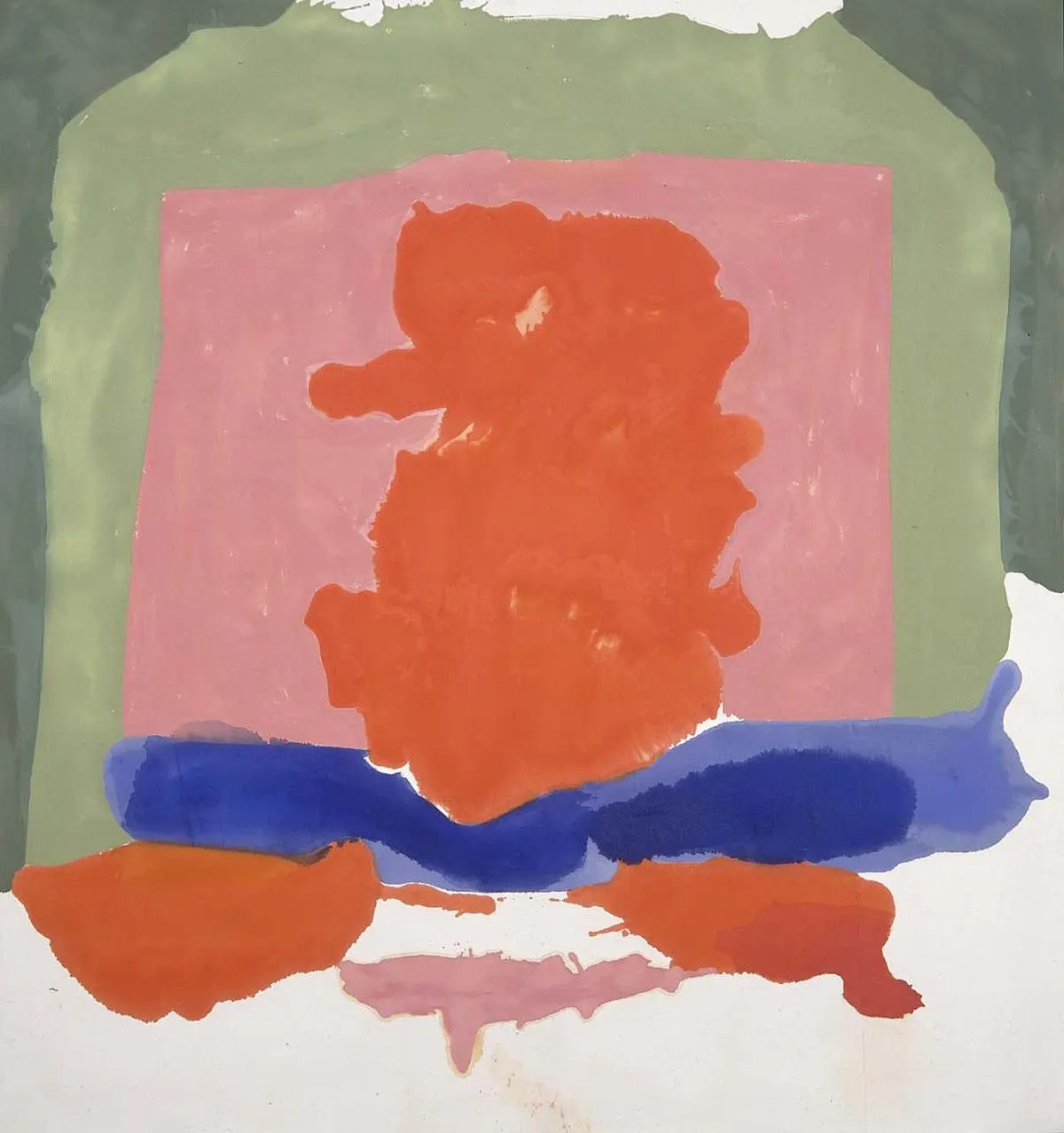
One common mistake is assuming that all Expressionist art is inherently abstract. While the movement eventually led to abstraction, many Expressionists continued to paint recognizable figures and landscapes. The defining factor is not the absence of a subject, but the distortion of that subject to serve an emotional purpose. Confusing Expressionism with later movements like Abstract Expressionism is another frequent error.
Another mistake is ignoring the political and social dimensions of the work. Expressionism was not merely an aesthetic choice; it was often a form of social protest against the dehumanizing effects of war and industrialization. Failing to consider the artist's environment or the historical trauma of the era leads to a superficial understanding of their intent. By focusing only on the visual style, one misses the profound human struggle that fueled the creation of these iconic, emotive works.
Key facts
- Expressionism emerged in Germany around 1905 as a reaction against the objective representation of Impressionism.
- Artists prioritized emotional experience over physical reality, often using distorted forms and exaggerated, non-naturalistic colors.
- The movement flourished primarily between 1905 and 1920, influencing painting, literature, film, and theater.
- Key groups included Die Brücke (The Bridge) in Dresden and Der Blaue Reiter (The Blue Rider) in Munich.
- Famous works include Edvard Munch’s The Scream (1893), which served as a major precursor to the movement.
- To create Expressionist art, focus on conveying an internal mood rather than capturing a realistic scene; avoid blending colors smoothly or seeking perfect anatomical proportions.
The bottom line
Expressionism is a transformative artistic movement that prioritizes subjective emotion over objective reality. By utilizing distorted forms and intense, non-naturalistic colors, artists sought to reveal the inner psychological experiences of the modern human condition. This movement fundamentally shifted the purpose of art from documenting the visual world to expressing the raw, often turbulent, internal landscape of the creator, leaving an indelible mark on global culture.
People also ask
How does Expressionism differ from Impressionism?
Impressionism focuses on capturing the fleeting effects of light and color on a subject in the external world. Expressionism, conversely, ignores external accuracy to project the artist’s inner psychological state onto the canvas.
Who were the most influential Expressionist painters?
Important figures include Ernst Ludwig Kirchner, Wassily Kandinsky, Franz Marc, and Emil Nolde. These artists utilized bold, jarring palettes to evoke strong reactions from the viewer.
Did Expressionism affect cinema?
Yes, German Expressionist cinema, such as the 1920 film The Cabinet of Dr. Caligari, used jagged set designs and extreme shadows. These techniques were designed to mirror the fractured mental states of the characters.
Is Expressionism the same as Abstract art?
While they often overlap, they are not identical. Expressionism can be figurative or representational, provided the subject is distorted for emotional effect, whereas Abstract art may abandon recognizable subjects entirely.
What role did color play in Expressionist works?
Expressionists used color symbolically rather than descriptively. A painter might choose a bright, unnatural shade of green for a face to suggest sickness or anxiety rather than literal skin tone.
Why did the movement decline after 1920?
The movement lost momentum as artists moved toward new styles like New Objectivity, which favored a return to realism. Additionally, the rise of the Nazi party in the 1930s led to the suppression of Expressionist art as "degenerate."
This answer was created with the help of AI research tools and reference sources. Spotted an error? Let us know — we correct mistakes quickly. See our editorial policy.