What is Abstract Expressionism?
Short answer
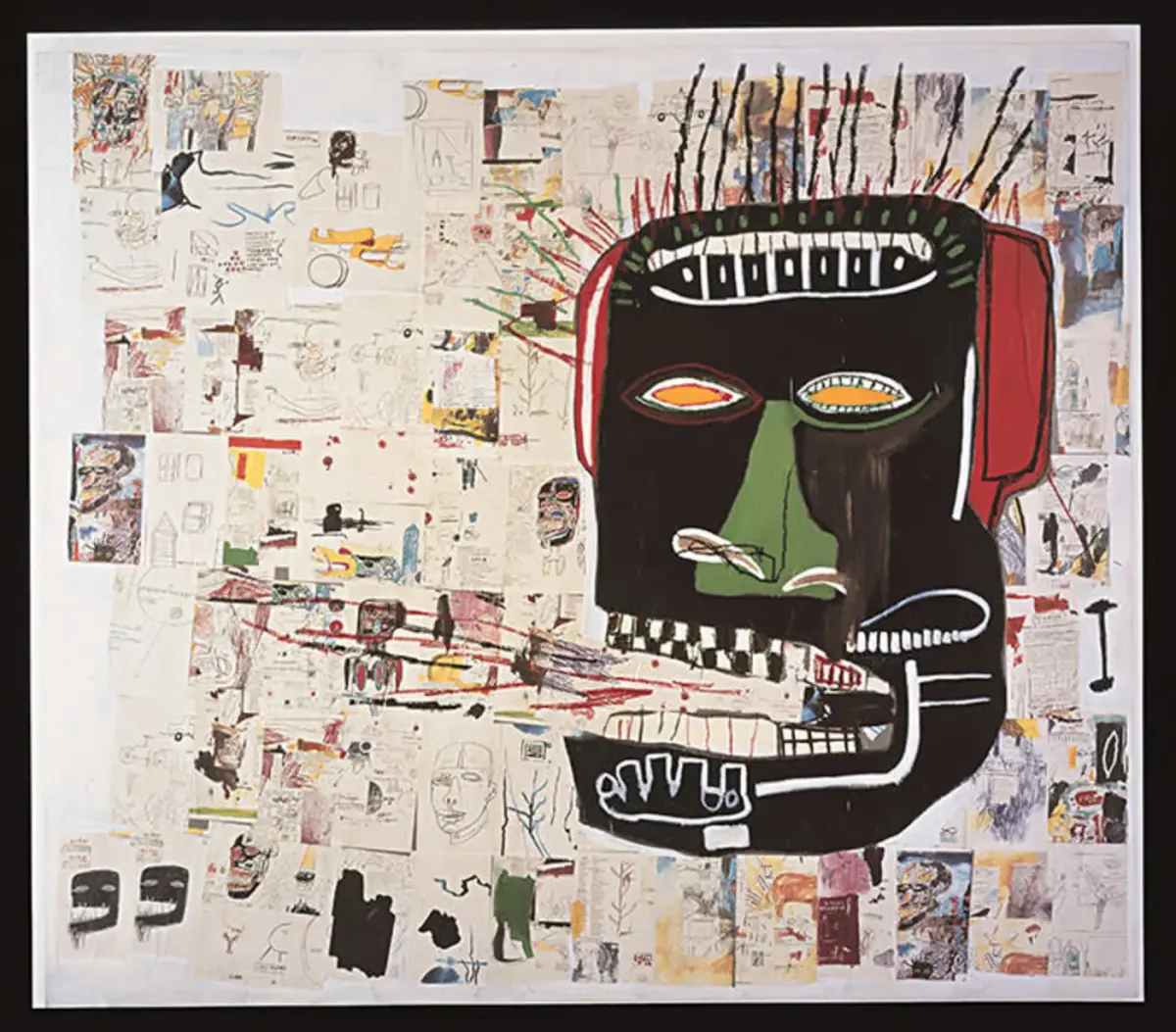
Abstract Expressionism was a pivotal American art movement emerging in New York City during the 1940s and 1950s. It prioritized spontaneous, emotional expression over realistic representation, often utilizing large-scale canvases and non-traditional painting techniques. This movement shifted the global center of the art world from Paris to New York after World War II.

On this page
What defines Abstract Expressionism?
Abstract Expressionism is defined by a rejection of figurative imagery in favor of pure abstraction. Artists sought to convey deep psychological states and universal human experiences through color, form, and gesture. Rather than depicting the physical world, these painters focused on the act of creation itself, treating the canvas as an arena in which to act.
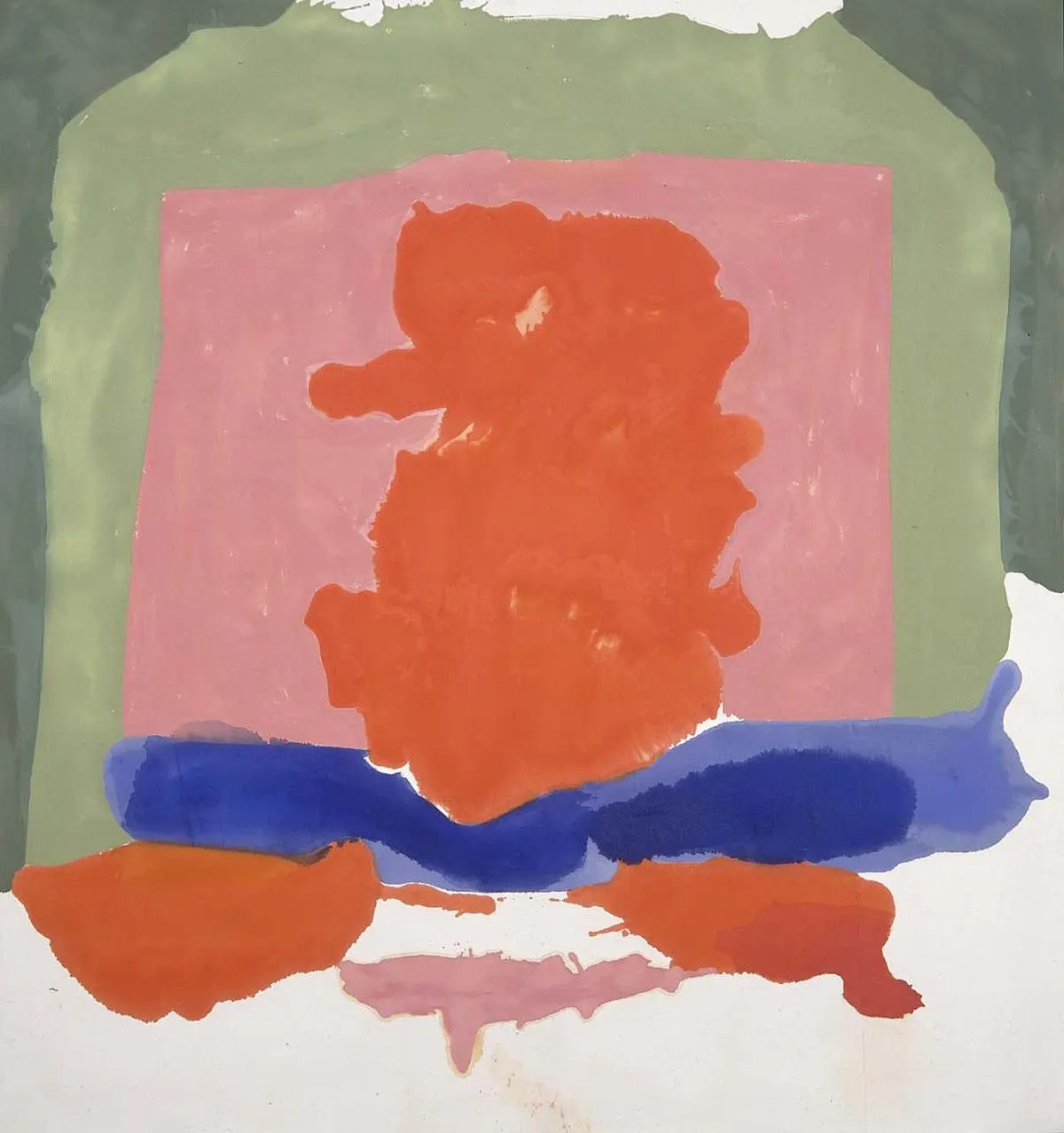
The movement is broadly categorized into two distinct styles: Action Painting and Color Field painting. Action painters emphasized the physical process of applying paint, while Color Field artists focused on large, meditative expanses of solid color. Despite these stylistic differences, both approaches shared a commitment to individual freedom and the belief that art should be an authentic reflection of the artist’s inner self. Key characteristics include:
- Massive canvas dimensions that envelop the viewer.
- A focus on the "all-over" composition where no single point is focal.
- The use of non-traditional tools like house paint, sticks, and trowels.
- Emphasis on spontaneity and the subconscious mind.
Who were the most famous Abstract Expressionists?
The movement was centered in New York City, where a tight-knit group of artists gathered in bars and studios to discuss their radical theories. Jackson Pollock is perhaps the most recognizable figure, famous for his "drip" paintings where he placed canvases on the floor and poured paint directly from cans. His technique revolutionized the concept of the artist’s physical relationship to the work.
Other influential figures include Mark Rothko, Willem de Kooning, and Lee Krasner. Rothko became synonymous with Color Field painting, creating luminous, soft-edged rectangles meant to induce spiritual contemplation. De Kooning, conversely, maintained a more aggressive style that blurred the lines between abstraction and figuration. These artists were supported by critics like Clement Greenberg and Harold Rosenberg, who championed the movement as the pinnacle of modernism. Their collective output fundamentally changed how the public perceived the value and purpose of fine art in the 20th century.
How to appreciate Abstract Expressionist art?
Viewing these works requires a different mindset than looking at traditional portraiture or landscapes. Because the paintings do not contain recognizable subjects, the viewer must look for emotional resonance rather than literal meaning. To engage with these pieces effectively, follow these steps:
- Stand close to the canvas to experience its scale and texture.
- Observe the brushwork or drips to trace the artist's physical movement.
- Allow yourself to react to the colors and shapes without searching for a hidden message.
- Step back to see how the entire composition balances or vibrates in the space.
Common mistakes often involve trying to "solve" the painting like a puzzle. Beginners frequently feel frustrated because they cannot identify a subject, but the goal is not to interpret a narrative. Instead, focus on your physiological response to the work. Does the color make you feel calm, anxious, or energized? The painting is successful if it triggers a genuine sensory or emotional reaction within you.

Why did Abstract Expressionism become popular?
The rise of Abstract Expressionism was deeply influenced by the trauma of World War II. Many artists felt that traditional methods of painting were inadequate to express the horrors of the era or the complexities of the human psyche. By turning inward, they sought a universal language that transcended national borders and political ideologies.
The movement also gained momentum due to the support of influential museums and the United States government. The Museum of Modern Art (MoMA) in New York played a crucial role in curating and promoting these works, framing them as symbols of American freedom and individualism during the Cold War. This institutional backing helped elevate the movement to global prominence. Furthermore, the sheer scale of the works made them impossible to ignore in gallery settings, creating an immersive experience that traditional easel paintings could not replicate. This combination of cultural timing, critical advocacy, and institutional support solidified its place in history.
Common mistakes when studying Abstract Expressionism
When researching this movement, students often make the mistake of assuming all works look the same. While there is a shared philosophy, the visual diversity between a chaotic Pollock drip painting and a serene Rothko color block is immense. Another frequent error is ignoring the role of female artists. Figures like Lee Krasner, Joan Mitchell, and Helen Frankenthaler were vital to the movement, yet they were historically overshadowed by their male counterparts.
To gain a comprehensive understanding, avoid these pitfalls:
- Do not assume that "abstract" means "random" or "easy to create."
- Avoid dismissing the work simply because it lacks technical realism.
- Do not overlook the influence of Surrealism and its focus on the subconscious.
- Always consider the historical context of the post-war era when analyzing the intent.
By focusing on the rigorous training and deliberate choices these artists made, you will see that their work was highly calculated. They were not merely splashing paint; they were engaged in a profound exploration of human existence, utilizing a visual vocabulary that remains influential in contemporary art today.
Key facts
- Abstract Expressionism emerged in New York City during the 1940s, marking the first time American art influenced the global avant-garde.
- The movement is divided into two main styles: Action Painting, which emphasizes physical gesture, and Color Field painting, which focuses on meditative expanses of hue.
- Jackson Pollock is the most famous practitioner, known for his "drip" technique where he poured paint directly onto canvases laid on the floor.
- Mark Rothko and Barnett Newman represent the Color Field school, using large, luminous rectangles of color to evoke deep emotional or spiritual responses.
- To experiment with this style, focus on the process of creation rather than a final representational image; use large brushes and apply paint with spontaneous, rhythmic movements.
- A common mistake is overthinking the composition; allow the paint to dictate the direction of the work rather than forcing a rigid, preconceived structure.
The bottom line
Abstract Expressionism revolutionized the art world by prioritizing the act of painting itself over the depiction of reality. By shifting the focus to spontaneous gesture and the emotive power of color, these artists transformed the canvas into an arena for personal expression. Today, the movement remains a testament to the importance of creative freedom and the profound impact of non-representational art on the human experience.
People also ask
Was Abstract Expressionism a formal school of art?
No, it was not a formal school with a manifesto or shared technique. It was a loose association of artists who shared a commitment to individual expression and non-representational imagery.
Why is it sometimes called the New York School?
The term refers to the geographic concentration of these artists in Manhattan during the post-World War II era. They frequently met at local venues like the Cedar Tavern to discuss art theory and philosophy.
Did the movement have political implications?
During the Cold War, the U.S. government promoted Abstract Expressionism as a symbol of American freedom and individualism. It was often contrasted with the state-controlled Socialist Realism of the Soviet Union.
How can I tell if a painting is an Action Painting?
Look for evidence of the artist's physical movement, such as splatters, drips, or thick, energetic brushstrokes. The surface of the canvas often records the intensity of the artist's interaction with the medium.
What materials did these artists typically use?
Many artists moved away from traditional oil paints toward industrial house paints and synthetic enamels. These materials allowed for faster drying times and more fluid application across large-scale canvases.
Is Abstract Expressionism strictly non-representational?
While most works are non-figurative, some artists like Willem de Kooning continued to incorporate distorted human forms. The movement is defined more by its emotional intensity than by a total rejection of subject matter.
This answer was created with the help of AI research tools and reference sources. Spotted an error? Let us know — we correct mistakes quickly. See our editorial policy.