How do you deal with art block?
Short answer
Art block is a temporary psychological state where an artist feels unable to create or lacks inspiration. Dealing with it requires shifting your focus from perfectionism to process. By lowering expectations, engaging in low-stakes exercises, and changing your environment, you can bypass the mental friction that prevents you from starting new work.
On this page
Why does art block happen?
Art block often stems from a combination of psychological pressure and cognitive fatigue. When an artist sets unrealistic expectations for their output, the fear of producing "bad" work creates a mental barrier. This is frequently linked to perfectionism, where the desire for a flawless final product paralyzes the creative process before it even begins. Over time, this pressure leads to burnout, making the act of creating feel like a chore rather than an expression.
Physiological factors also play a significant role in creative stagnation. If you have been working on the same project for too long, your brain may experience sensory adaptation, where you become desensitized to your own style and ideas. Additionally, external stressors such as professional deadlines, financial anxiety, or lack of sleep can deplete the mental energy required for creative problem-solving. Understanding that this state is a common part of the artistic lifecycle rather than a personal failure is the first step toward recovery.
How to overcome art block quickly
Breaking through a creative rut often requires immediate, low-pressure action. Instead of trying to create a masterpiece, focus on "warm-up" activities that remove the weight of expectation. These exercises are designed to get your hands moving without the need for a polished result. By lowering the stakes, you trick your brain into bypassing the critical internal voice that usually halts your progress.
- Set a timer for 10 minutes and draw only with your non-dominant hand.
- Create a "bad art" page where the goal is to make the ugliest sketches possible.
- Copy a simple object from your room without erasing any lines.
- Use a limited color palette of only two or three colors to simplify decision-making.
- Spend time organizing your workspace to remove visual clutter that contributes to mental fatigue.
These steps help shift your focus from the final product to the physical act of mark-making. When you stop worrying about the quality of the output, the flow state often returns naturally.
Best techniques for creative inspiration
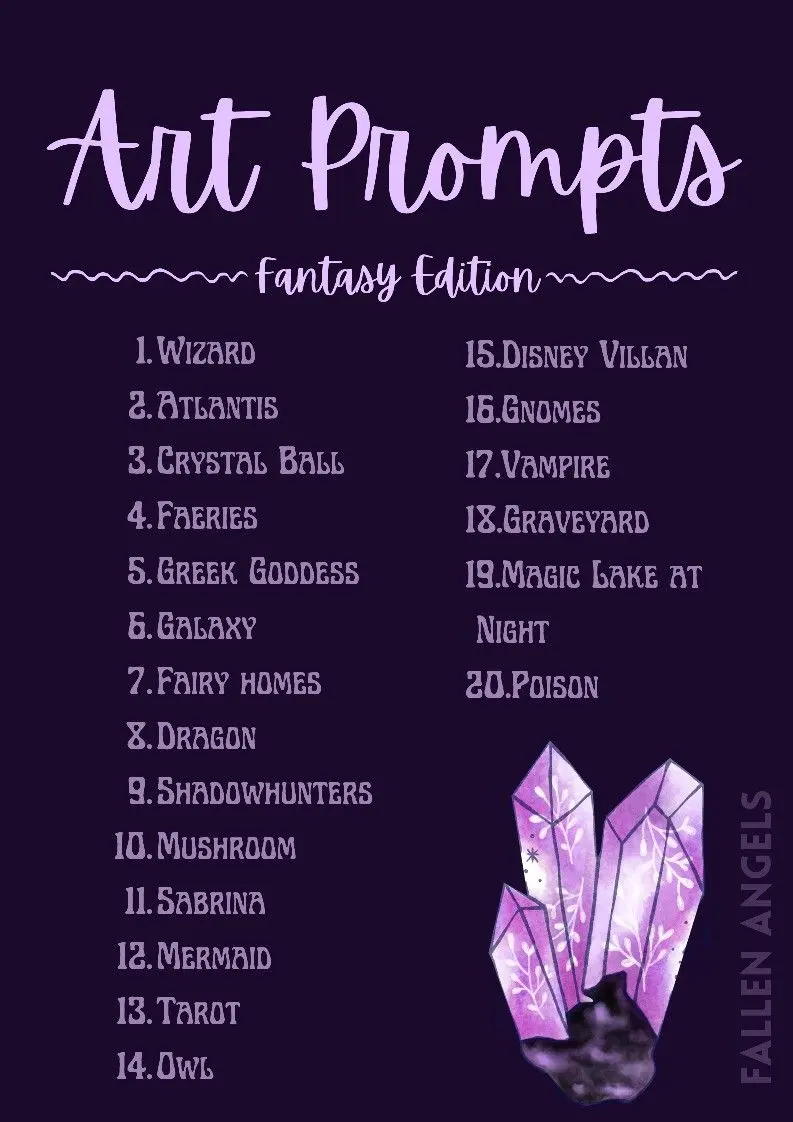
Inspiration is rarely a lightning bolt; it is usually the result of active observation and input. When you feel blocked, stop looking at your own work and start consuming high-quality external stimuli. Visit a local museum, watch a documentary on a historical art movement, or read a book outside of your usual genre. Engaging with different mediums can spark new connections in your brain that lead to fresh ideas.
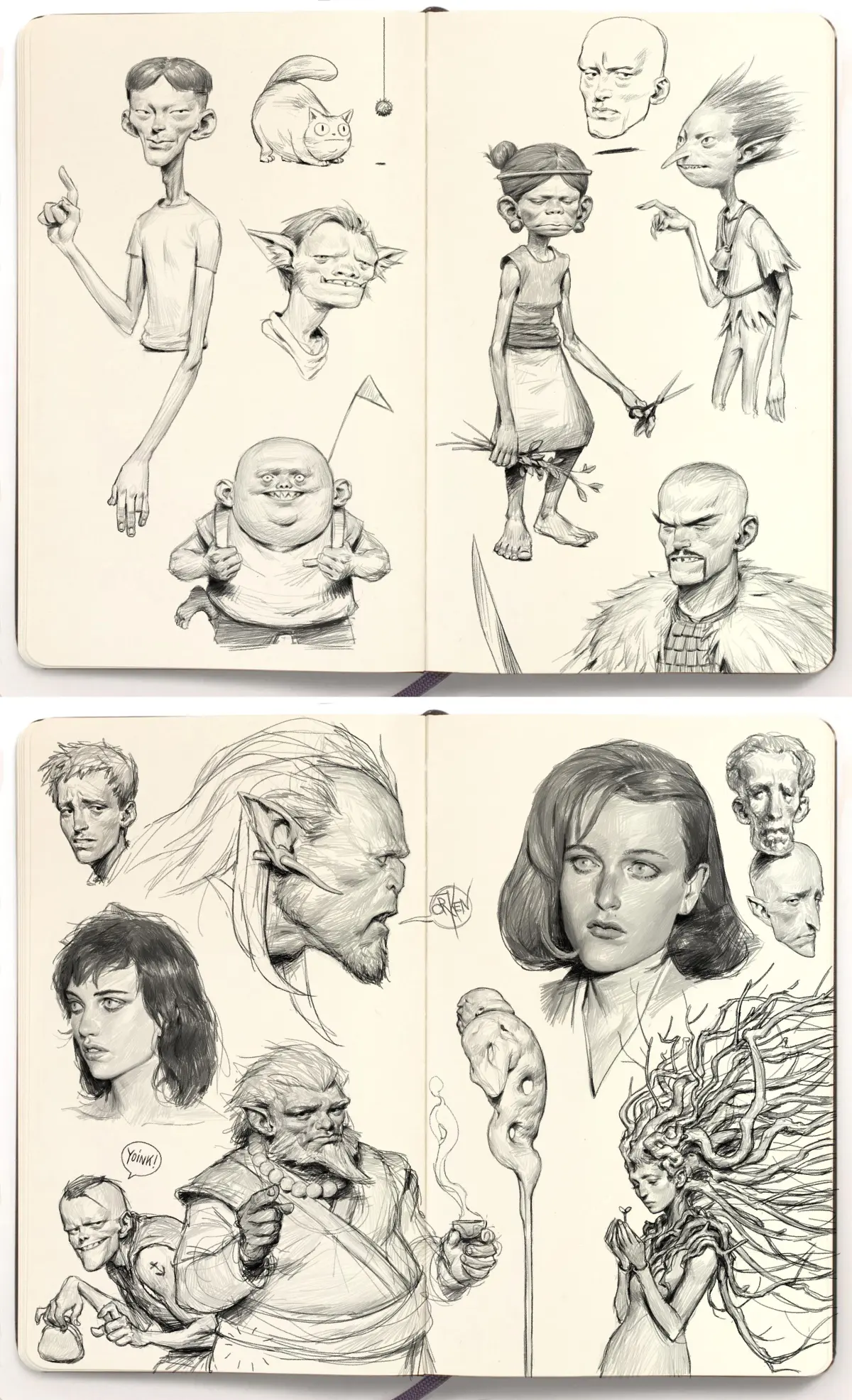
- Keep a physical sketchbook for "idea dumping" where you write down concepts without drawing them.
- Create a mood board using physical clippings from magazines or digital images that evoke a specific feeling.
- Practice "active looking" by describing objects in detail rather than just glancing at them.
- Study the history of artists like Vincent van Gogh or Frida Kahlo to understand their personal struggles and creative evolution.
- Switch your primary medium, such as moving from digital painting to charcoal or watercolor, to challenge your muscle memory.
By diversifying your inputs, you prevent the stagnation that comes from repetitive creative cycles.
Common mistakes when dealing with art block
One of the most frequent mistakes artists make is trying to force their way through a block with sheer willpower. Pushing yourself to work when you are mentally exhausted often leads to deeper resentment of the craft. This "grind" mentality ignores the need for rest and incubation, which are essential phases of the creative process. Instead of forcing a breakthrough, allow yourself a scheduled period of creative rest where you do not touch your tools at all.
Another common error is comparing your current output to the highlight reels of other artists on social media. This comparison trap creates a false sense of inadequacy, as you are comparing your internal struggles to someone else’s curated success. Avoid scrolling through art platforms when you are feeling blocked, as this often increases anxiety rather than providing motivation. Focus entirely on your own progress and recognize that every artist, regardless of their skill level, experiences periods of silence and frustration.
How to prevent future creative burnout
Maintaining a sustainable creative practice requires balancing output with input. Burnout often occurs when you are constantly producing without taking the time to refill your creative well. Establish a routine that includes "non-productive" time, such as walking in nature or engaging in hobbies that have nothing to do with your art. This downtime allows your subconscious to process information and develop new ideas without the pressure of a deadline.
Consistency is more effective than intensity in the long run. Aim for small, daily habits rather than sporadic, marathon sessions that leave you drained for days. By documenting your process and celebrating small wins, you build a positive feedback loop that makes it easier to return to your desk. Remember that art is a lifelong journey, and periods of inactivity are simply opportunities to rest, observe, and prepare for the next phase of your creative development.
Key facts
- Art block is a temporary psychological state where an artist loses the ability to produce new work or feels uninspired.
- Set a timer for 15 minutes to engage in "low-stakes" drawing, such as doodling or sketching simple geometric shapes.
- Change your sensory environment by working in a new location, playing different music, or adjusting your lighting.
- Limit your tools to a single medium, like a graphite pencil or a ballpoint pen, to reduce the pressure of decision-making.
- Study the work of masters like Vincent van Gogh or Frida Kahlo to spark new ideas through observation rather than creation.
- Prioritize rest and physical movement, as creative fatigue is often a symptom of mental exhaustion rather than a lack of skill.
The bottom line
Art block is a natural part of the creative cycle rather than a failure of ability. By lowering your expectations, changing your environment, and engaging in low-pressure exercises, you can effectively navigate these periods of stagnation. Remember that consistency is more important than immediate perfection. Focus on the process of creating, allow yourself to make mistakes, and trust that your creative flow will eventually return.
People also ask
Is art block a sign that I am not a real artist?
No, art block is a common experience among professional artists and hobbyists alike. It is a temporary hurdle caused by burnout or perfectionism, not a permanent loss of talent.
How long does art block usually last?
The duration varies significantly from person to person, ranging from a few days to several months. Most cases resolve once the artist removes the pressure to produce a "masterpiece."
Should I force myself to draw when I feel blocked?
Forcing yourself to work can sometimes deepen frustration and lead to further burnout. It is often more productive to engage in passive creative activities like visiting a museum or reading.
Can perfectionism cause art block?
Yes, the fear of creating something "bad" often paralyzes artists. Lowering your standards for a practice session can help bypass this internal critic and restart your momentum.
Does changing my medium help overcome a creative rut?
Switching to a completely different medium, such as moving from digital painting to clay sculpting, can engage different parts of your brain. This change in tactile experience can break repetitive thought patterns.
Are there specific exercises to jumpstart creativity?
Blind contour drawing, where you draw an object without looking at your paper, is a highly effective exercise. It shifts focus from the final result to the process of observation.
This answer was created with the help of AI research tools and reference sources. Spotted an error? Let us know — we correct mistakes quickly. See our editorial policy.