What is Ottawa known for?
Short answer
Ottawa is the capital of Canada, renowned for its historic Parliament Hill, the UNESCO-listed Rideau Canal, and a dense concentration of national museums. It serves as the country’s political heart and a cultural hub, blending bilingual heritage with expansive green spaces, vibrant seasonal festivals, and a distinct four-season climate.
On this page
Why is Ottawa the capital of Canada?
Ottawa was chosen as the capital in 1857 by Queen Victoria. At the time, the young nation needed a location that was safely tucked away from the American border to prevent potential military incursions. Its position on the border of Ontario and Quebec also served as a strategic compromise between the two largest colonies, Upper and Lower Canada. Today, the city functions as the administrative center where federal laws are debated and enacted within the iconic Gothic Revival buildings of Parliament Hill.
The city’s identity is deeply tied to its role in governance and diplomacy. Visitors often flock to the Parliament buildings to witness the Changing of the Guard or to explore the Peace Tower. Beyond politics, the city acts as a steward of Canadian history, housing institutions that preserve the national narrative. This central role ensures that Ottawa remains a focal point for national celebrations, including the massive Canada Day festivities held every July 1st.
What are the best museums to visit in Ottawa?
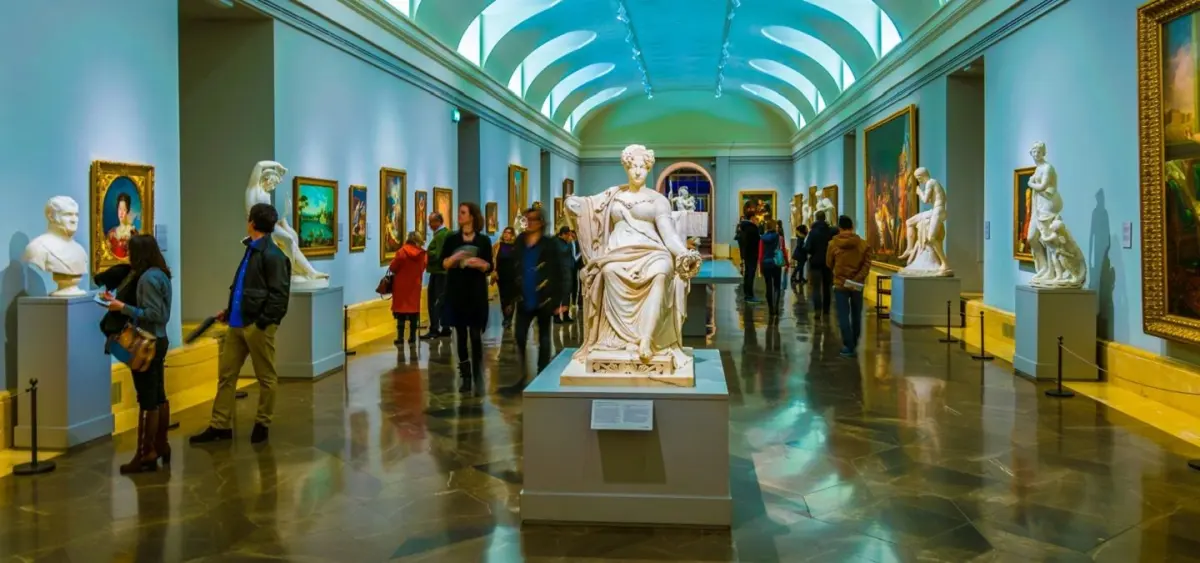
Ottawa boasts an impressive collection of national museums that cover everything from fine arts to the history of human civilization. These institutions are world-class facilities known for their architectural significance and extensive collections. Most of these museums are located within a short drive or bus ride of the downtown core, making them accessible for a weekend trip.
- Canadian Museum of History: Located across the river in Gatineau, it features the world’s largest indoor collection of totem poles.
- National Gallery of Canada: Renowned for its glass-and-granite architecture and the giant bronze spider sculpture, Maman, outside its entrance.
- Canada Agriculture and Food Museum: A unique site that offers a working farm experience in the middle of the city.
- Canadian War Museum: An essential stop for understanding the country’s military contributions and peacekeeping efforts.
When planning your itinerary, prioritize one or two museums per day to avoid fatigue. Many of these sites offer free admission on Thursday evenings, which is a great way to save money while exploring Canada’s cultural heritage.
How do you navigate the Rideau Canal?
The Rideau Canal is a masterpiece of 19th-century engineering and a designated UNESCO World Heritage site. Connecting the Ottawa River to Lake Ontario, it serves as the city’s primary recreational artery. During the warmer months, the canal is perfect for boating, kayaking, and scenic walking tours along its grassy banks. In the winter, it transforms into the world’s largest naturally frozen skating rink, stretching nearly 8 kilometers through the heart of the city.
- Check the National Capital Commission website for daily ice conditions before heading out to skate.
- Rent skates at one of the designated stations located at Fifth Avenue, Dows Lake, or near the National Arts Centre.
- Stop at a kiosk along the canal to enjoy a "BeaverTail," a famous Canadian fried dough pastry served with various toppings.
- Keep your skates on or carry them in a backpack to easily transition between the canal and nearby shops or cafes.
Avoid visiting during the peak of the winter holidays if you prefer smaller crowds, as the canal can become quite congested with tourists.
What are the most popular seasonal festivals?
Ottawa is frequently called a festival city because it hosts major events throughout the entire year. The most famous of these is the Canadian Tulip Festival, which takes place every May. This tradition began in 1945 as a gift from the Dutch royal family to thank Canada for its role in the liberation of the Netherlands during World War II. Millions of tulips bloom across the city, creating vibrant displays that draw photographers and nature lovers from around the globe.
- Winterlude: A February festival celebrating winter with ice sculptures and snow playgrounds.
- Ottawa Bluesfest: One of North America's largest outdoor music festivals held at LeBreton Flats.
- Canada Day: A massive patriotic celebration featuring concerts, fireworks, and official ceremonies.
- CityFolk: A late-summer festival focused on folk, roots, and world music held at Lansdowne Park.
These events often require advance planning regarding accommodation, as hotels fill up quickly. Always check the official event calendars to see if your visit aligns with these major cultural milestones.
Common mistakes when visiting Ottawa
A frequent error for first-time visitors is underestimating the city's size and the necessity of transportation. While the downtown area is very walkable, attractions like the Canadian Museum of History or the Experimental Farm are spread out. Relying solely on walking will limit how much you can see in a single day. Utilize the O-Train light rail system, which connects major hubs efficiently, and consider renting a bicycle to navigate the extensive network of multi-use pathways that line the river.
Another common mistake is failing to dress for the extreme temperature fluctuations. Ottawa experiences hot, humid summers and very cold, snowy winters. If you visit in January, ensure you have high-quality thermal layers, insulated boots, and a windproof coat. Conversely, summer visitors should pack light clothing and sun protection. By checking the weather forecast and planning your transit routes in advance, you can ensure a smooth and enjoyable experience in the nation's capital.
Key facts
- Ottawa is the capital of Canada, located in the province of Ontario on the south bank of the Ottawa River.
- The Parliament Buildings, featuring the iconic Peace Tower, are the city's most recognizable landmarks and host the federal government.
- The Rideau Canal, a UNESCO World Heritage site, transforms into the world's largest skating rink during the winter months.
- ByWard Market is one of Canada's oldest and largest public markets, established in 1826 by Colonel John By.
- The city experiences significant seasonal variation, with average January temperatures around -10°C and July highs near 26°C.
- To avoid crowds at major museums like the Canadian Museum of History, visit on weekday mornings rather than weekends.
The bottom line
Ottawa serves as the political heart of Canada, offering a unique blend of historic architecture, national museums, and seasonal outdoor recreation. Whether you are exploring the gothic Parliament Buildings, skating the historic Rideau Canal, or browsing the ByWard Market, the city provides a manageable and culturally rich experience. Plan your visit around the weather to fully enjoy the distinct seasonal activities that define this capital city.
People also ask
Is Ottawa the largest city in Canada?
No, Ottawa is the fourth-largest city in Canada, following Toronto, Montreal, and Calgary. While it is the political capital, it maintains a smaller population density compared to the country’s major financial hubs.
What is the best time of year to visit Ottawa?
The best time to visit depends on your interests, but May is popular for the Canadian Tulip Festival, while July offers Canada Day celebrations. Winter is ideal for skating on the Rideau Canal, though you should prepare for extreme cold.
Do I need to speak French to visit Ottawa?
Ottawa is a bilingual city, and while English is the primary language for most, you will encounter French throughout the capital. Most public services, museums, and restaurants offer bilingual staff and signage to accommodate all visitors.
How do I get around the city efficiently?
Ottawa has an efficient public transit system, including the O-Train light rail line that connects major hubs. Avoid relying solely on a car in the downtown core, as parking can be expensive and limited during peak tourist seasons.
What are the most famous museums in Ottawa?
The city is home to several national institutions, including the National Gallery of Canada and the Canadian War Museum. These facilities are concentrated near the downtown area, making them easily accessible for visitors on foot.
Is it true that Ottawa is a very quiet city?
Ottawa is often described as a "government town," which contributes to a more reserved atmosphere compared to the nightlife in Montreal or Toronto. However, the city offers a vibrant cultural scene, numerous festivals, and extensive parkland that keeps the urban environment active.
This answer was created with the help of AI research tools and reference sources. Spotted an error? Let us know — we correct mistakes quickly. See our editorial policy.