What is the Tate Modern known for?
Short answer
Tate Modern is a world-renowned gallery in London housing the United Kingdom’s national collection of international modern and contemporary art. Housed in a repurposed former power station, it is celebrated for its massive Turbine Hall installations, diverse global exhibitions, and its status as one of the world's most visited art museums.
On this page
Why is the Tate Modern so famous?
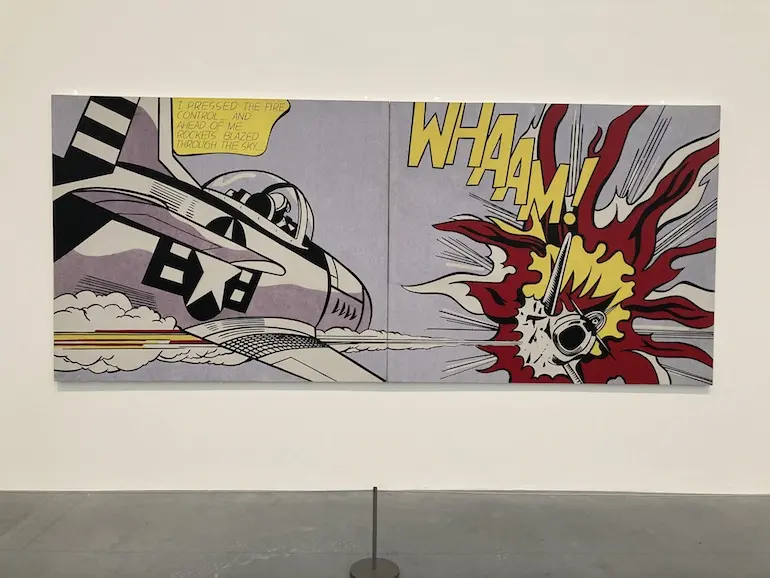
The Tate Modern occupies the former Bankside Power Station, a colossal industrial building designed by Sir Giles Gilbert Scott. Since its opening in May 2000, it has become an architectural icon of London, blending brutalist industrial heritage with sleek, modern renovations. The museum is globally recognized for its commitment to challenging traditional art narratives by integrating diverse perspectives from across the globe.
It serves as the home for international modern and contemporary art from 1900 to the present day. The collection includes seminal works by artists such as Pablo Picasso, Salvador Dalí, Henri Matisse, and Andy Warhol. Beyond its permanent collection, the gallery is famous for its rotating exhibitions that frequently feature groundbreaking, large-scale works that push the boundaries of what constitutes art in the 21st century.
What to see in the Turbine Hall
The Turbine Hall is the gallery’s most iconic space, stretching the length of the building and soaring five stories high. Originally designed to house electricity generators, this cavernous area is now used for site-specific commissions by world-leading artists. These installations are often interactive, immersive, and designed to provoke deep public engagement with the vast industrial space.
Past installations have included Olafur Eliasson’s "The Weather Project," which featured a giant artificial sun, and Ai Weiwei’s "Sunflower Seeds," consisting of millions of porcelain replicas. Because these exhibits change periodically, the Turbine Hall offers a unique experience that evolves over time. Visitors should prioritize this space upon arrival, as it sets the tone for the scale of the entire museum.
- Check the official Tate website before visiting to see which installation is currently on display.
- Allow at least 30 minutes to walk through the hall and observe the installation from different floor levels.
- Look for the bridge walkways, which provide the best vantage points for photography and perspective.
How long does it take to visit?
A comprehensive visit to the Tate Modern typically requires three to four hours. The gallery is immense, spanning two major buildings: the original Boiler House and the newer Blavatnik Building. Many visitors underestimate the physical size of the museum and the sheer volume of art on display, leading to fatigue if they attempt to see everything in a single session.
For those with limited time, it is best to focus on specific floors or thematic displays rather than attempting to see every room. The museum is organized by themes rather than strict chronology, which allows for a more fluid exploration of artistic movements. If you are planning a visit, consider the following itinerary structure to maximize your time:
- Start with the permanent collection displays on levels 2, 3, and 4.
- Spend time in the Turbine Hall to experience the current large-scale commission.
- Visit the Blavatnik Building for contemporary works and the panoramic viewing terrace.
- Conclude with a visit to the museum shop or one of the onsite cafes.
Best tips for a first-time visitor
Navigating the Tate Modern can be overwhelming for first-timers due to its size and the density of the collection. The gallery is free to enter, though some major temporary exhibitions require a paid ticket. To ensure a smooth experience, arrive early in the morning on a weekday to avoid the heavy weekend crowds that often gather in the main concourse.
Accessibility is a priority at the Tate, with elevators providing access to all floors and seating available throughout the galleries. If you are visiting with children, look for the "Start Displays" which are designed to be interactive and engaging for younger audiences. Avoid trying to see every single piece of art, as the museum contains thousands of works; instead, pick three or four specific galleries that interest you most.
- Download the Tate app to access interactive maps and audio guides that provide context for the art.
- Wear comfortable shoes, as the concrete floors and expansive layout involve significant walking.
- Utilize the cloakroom to store heavy bags and coats, as the galleries can become quite warm.
Common mistakes when visiting the Tate Modern
One of the most frequent mistakes visitors make is ignoring the Blavatnik Building, which houses some of the most exciting contemporary art and offers a stunning 360-degree view of the London skyline. Many tourists stick exclusively to the older Boiler House, missing out on the architectural contrast and the diverse range of international works located in the newer extension.
Another common error is failing to book tickets for popular temporary exhibitions in advance. While the general collection is free, high-profile shows often sell out weeks ahead of time. Additionally, visitors often overlook the museum’s public programming, such as film screenings and live performances, which add significant value to the visit. By planning ahead and checking the schedule, you can transform a simple walk-through into a rich, educational experience that captures the true essence of modern art.
Key facts
- The Tate Modern is housed in the former Bankside Power Station, designed by Sir Giles Gilbert Scott and converted by architects Herzog & de Meuron.
- It opened to the public in May 2000 and serves as the national gallery for international modern and contemporary art in the United Kingdom.
- The Turbine Hall is a massive central space that hosts large-scale, site-specific installations by world-renowned artists.
- Admission to the permanent collection is free, though some major temporary exhibitions require a paid ticket.
- Visitors should avoid arriving during peak weekend hours if they wish to avoid long security queues and crowded galleries.
- The Blavatnik Building, completed in 2016, provides a 360-degree viewing terrace offering panoramic views of the London skyline.
The bottom line
The Tate Modern stands as a global landmark for modern art, blending industrial heritage with cutting-edge creativity. By transforming a massive power station into a public gallery, it has made contemporary masterpieces accessible to millions. Whether you are exploring the vast Turbine Hall or enjoying the skyline from the terrace, the museum offers a unique cultural experience that defines London’s vibrant and evolving artistic landscape.
People also ask
How do I get to the Tate Modern?
The museum is best reached by walking from Southwark or Blackfriars Underground stations. You can also arrive via the Thames Clippers river bus, which docks at the nearby Bankside Pier.
Are photography and filming allowed inside the galleries?
Personal photography is permitted in most permanent collection galleries, provided you do not use flash or tripods. However, photography is strictly prohibited in certain temporary exhibitions due to copyright restrictions.
Is there a cloakroom for bags and coats?
Yes, there are cloakrooms available, but large suitcases are not permitted inside the building. It is best to travel light, as space is limited and queues for storage can be long.
How long should I plan to spend at the museum?
Most visitors spend between two and four hours exploring the galleries. If you intend to see the entire collection and multiple special exhibitions, consider setting aside an entire afternoon.
Is the Tate Modern accessible for visitors with disabilities?
The building is fully accessible, featuring lifts to all floors and wheelchair-accessible toilets. Complimentary wheelchairs and mobility scooters are available to borrow at the information desk.
Can I eat at the museum?
There are several dining options, including a café on the ground floor and a restaurant on the top floor of the Blavatnik Building. You are also welcome to bring your own food to eat in designated public areas.
This answer was created with the help of AI research tools and reference sources. Spotted an error? Let us know — we correct mistakes quickly. See our editorial policy.