What is a relief sculpture?
Short answer
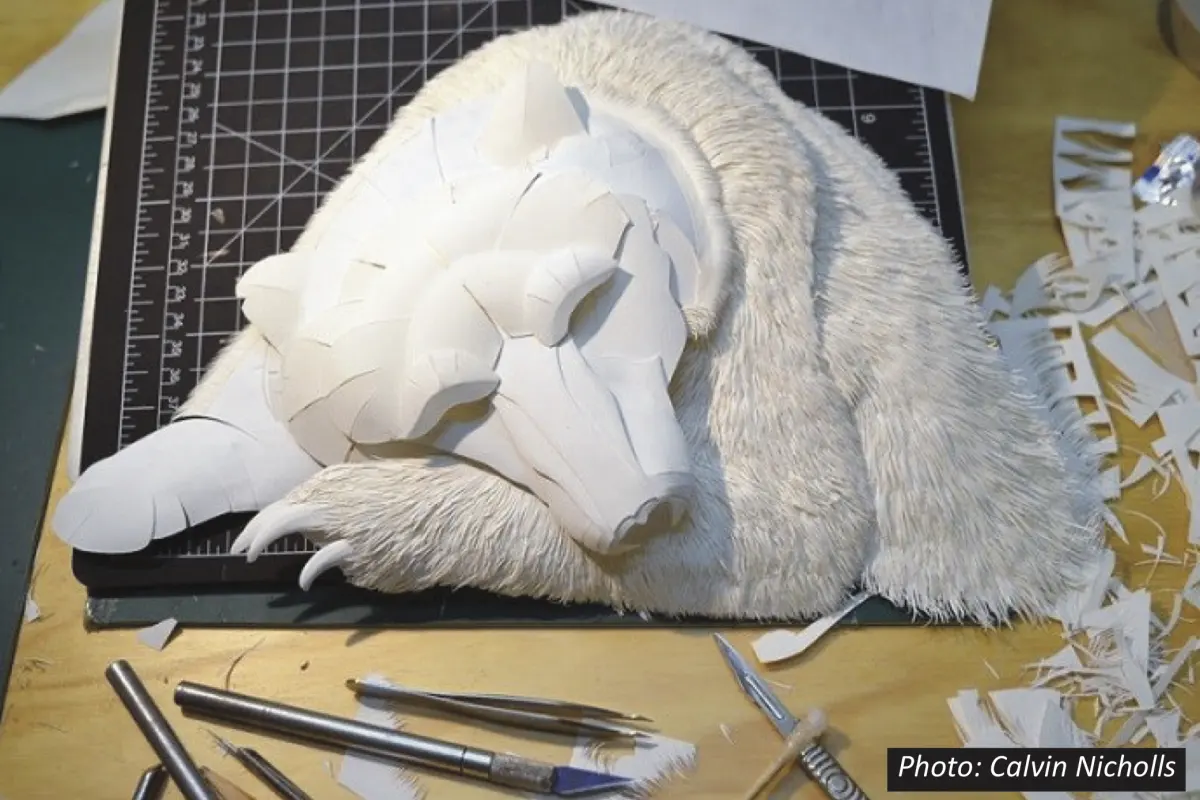
A relief sculpture is a work of art where figures or designs project from a flat background rather than standing independently. Unlike statues in the round, these pieces are attached to a solid surface, such as a wall or stone slab. They are categorized by the depth of projection from the surface.
On this page
What are the different types of relief sculpture?
Relief sculptures are classified based on how much the carved figures protrude from the background plane. The three primary categories are bas-relief (low relief), haut-relief (high relief), and sunken relief. In low relief, the design is only slightly raised, creating a subtle, shadow-like effect. Famous examples include the friezes on the Parthenon in Athens, which demonstrate a delicate balance between depth and surface integration.
High relief features figures that project significantly, often appearing nearly detached from the background. These sculptures utilize deep undercutting to create dramatic shadows and a sense of three-dimensional volume. Sunken relief, common in ancient Egyptian art, involves carving the design into the surface so that the highest point of the carving remains level with the original plane. This technique was highly durable and protected the artwork from erosion in harsh desert environments.
- Bas-relief: Minimal projection, often used for coins or medals.
- Haut-relief: Significant projection, often featuring figures in near-total roundness.
- Sunken relief: Carved into the surface, with no part exceeding the original plane.
How do artists create relief sculptures?
The process begins with a flat slab of material, such as wood, stone, or clay. Artists first sketch their design directly onto the surface to establish the composition and proportions. They then remove material from the background to define the outer edges of the figures. This stage is known as "blocking out," where the general forms are established without fine detail.
Once the basic shapes are set, the artist refines the contours and adds texture to create the illusion of depth. In stone carving, this involves using chisels and mallets to carefully shave away layers. For clay or wax, the artist adds material to build up the forms. The final stage involves polishing or finishing the surface to enhance light reflection.
- Prepare the slab or surface by cleaning and leveling it.
- Transfer the design using a charcoal or pencil sketch.
- Remove excess material around the primary subject.
- Sculpt the internal details and textures of the figures.
- Smooth the background and refine the edges for a clean transition.
What materials are best for beginners?
For those new to relief carving, soft materials are the most forgiving and require less physical force. Basswood is the gold standard for wood relief because it has a fine, consistent grain that resists splintering. Beginners should avoid hardwoods like oak or walnut, as these require professional-grade tools and significant experience to carve without damaging the wood fibers.
Clay and modeling wax are also excellent starting points for learning the principles of depth and perspective. These materials allow for "additive" sculpting, meaning you can easily correct mistakes by adding more material to the surface. Plaster is another common medium that can be cast into a slab and carved once it has set to a chalky consistency. Regardless of the material, beginners should invest in a set of high-quality, sharp gouges and chisels to ensure clean cuts.
- Basswood: Soft, easy to carve, and excellent for beginners.
- Modeling clay: Reusable and ideal for practicing composition.
- Plaster: Affordable and perfect for learning the subtractive process.
- Avoid: Hardwoods and brittle stones that chip easily under pressure.
Why does depth matter in relief?
Depth is the primary tool an artist uses to control how a viewer perceives the work. In low relief, the artist relies on delicate shading and overlapping to suggest distance, as the physical projection is minimal. This requires a strong understanding of perspective, as the artist must compress three-dimensional objects into a very shallow space. It is a technique that emphasizes line and silhouette over physical mass.
In high relief, the artist uses physical depth to create real shadows that change as the viewer moves around the piece. This interaction between light and shadow provides a dynamic, lifelike quality that draws the eye. By varying the depth across a single panel, an artist can create a sense of foreground and background, effectively telling a complex story within a single frame. The choice of depth is a deliberate artistic decision that dictates the emotional impact and narrative clarity of the sculpture.
Common mistakes when making relief sculptures
One of the most frequent errors for beginners is failing to account for the background plane. It is easy to get carried away with the figures and forget to keep the surrounding area flat or properly textured, which can make the composition look messy or unfinished. Another common mistake is "undercutting" too early, which weakens the structure and can cause thin sections of wood or stone to break off entirely.
Artists also often struggle with perspective, leading to figures that look distorted or out of proportion when viewed from an angle. To avoid this, frequently step back from the work to view it from different vantage points. Additionally, neglecting to sharpen tools regularly leads to jagged, uneven cuts that are difficult to fix later. Always maintain your tools and work slowly to ensure that every stroke contributes to the final vision of the piece.
Key facts
- Relief sculpture is a technique where figures project from a flat background rather than standing freely in space.
- The three primary categories are bas-relief (low), alto-relief (high), and sunken relief.
- Ancient Egyptians frequently used sunken relief, where the image is carved into the surface so the highest point remains flush with the original plane.
- In high relief, figures often project more than half their depth from the background, sometimes appearing nearly detached.
- A common mistake for beginners is failing to account for light source direction, which creates the shadows necessary to define the form.
- To create a relief, artists typically start with a flat slab of clay or stone, gradually removing material to establish depth and perspective.
The bottom line
Relief sculpture bridges the gap between two-dimensional painting and three-dimensional statues by projecting forms from a flat surface. By mastering the relationship between light, shadow, and depth, artists can create dynamic narratives that appear to emerge from stone or clay. Whether using low, high, or sunken techniques, this art form remains a foundational practice for storytelling and architectural decoration across human history and global cultures.
People also ask
What is the difference between relief sculpture and sculpture in the round?
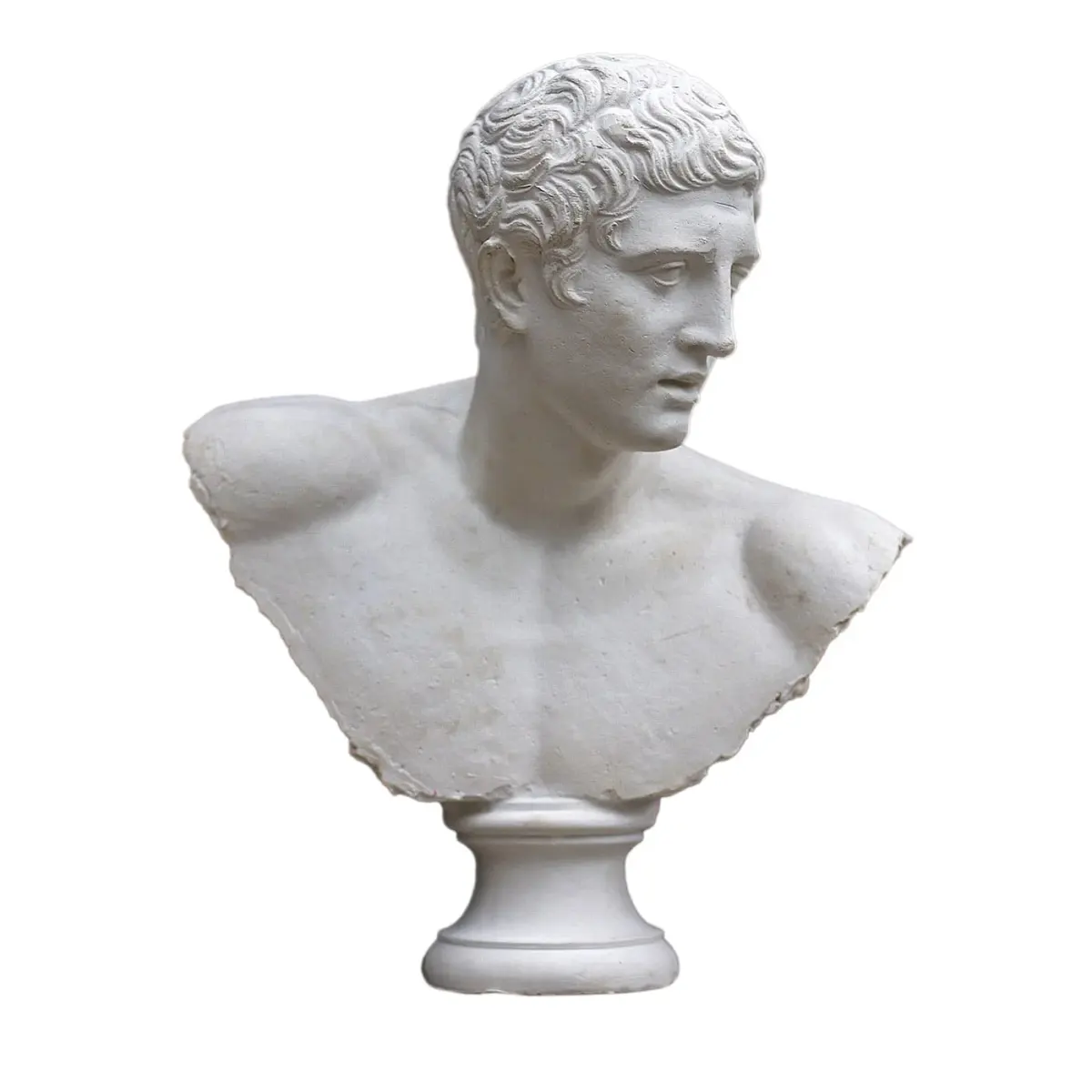
Sculpture in the round is fully three-dimensional and can be viewed from all sides. Relief sculpture is attached to a background and is primarily intended to be viewed from the front.
What materials are best for learning relief carving?
Soft materials like clay, wax, or soft woods like basswood are ideal for beginners. These allow for easier manipulation and correction of mistakes before moving to harder media like marble or granite.
How do artists create the illusion of depth in low relief?
Artists use a technique called foreshortening, where they compress the depth of objects to make them appear further away. Subtle variations in the height of the carving help guide the viewer's eye.
What is the most famous example of relief sculpture?
The Parthenon Frieze, created in the 5th century BCE in Athens, is widely considered a masterpiece of the genre. It depicts the Panathenaic Procession in intricate, low-relief marble carvings.
Can relief sculpture be made using additive methods?
Yes, relief can be created by adding material to a surface, such as modeling with clay or casting with plaster. This is the opposite of carving, which is a subtractive process.
Why is lighting important for displaying relief sculptures?
Relief relies on the interplay of light and shadow to define its contours and details. Proper raking light, which hits the surface at an angle, is essential to make the figures pop from the background.
This answer was created with the help of AI research tools and reference sources. Spotted an error? Let us know — we correct mistakes quickly. See our editorial policy.