What is Romanesque art?
Short answer
Romanesque art describes the architectural and decorative style prevalent in Europe from roughly 1000 to 1150 CE. Characterized by massive stone walls, rounded arches, and sturdy pillars, it emerged during a period of monastic growth and pilgrimage. This style provided a sense of permanence and spiritual protection for medieval Christians across the continent.
On this page
What defines Romanesque architecture?
Romanesque architecture is defined by its heavy, fortress-like appearance, which was a significant evolution from the lighter wooden structures of the early Middle Ages. Builders relied on thick masonry walls to support the immense weight of stone barrel vaults and groin vaults. Because these walls had to be incredibly thick, designers could only include small, narrow windows, resulting in interiors that were often dim and somber.
The aesthetic emphasizes geometric clarity and rhythmic repetition. Architects utilized rounded arches for windows, doorways, and arcades, creating a sense of stability. The floor plans frequently followed the Latin cross design, featuring a long nave intersected by a transept. This layout was specifically designed to accommodate large crowds of pilgrims visiting relics housed within the church.
- Massive, load-bearing walls.
- Rounded arches and barrel vaults.
- Sturdy piers instead of slender columns.
- Symmetrical, balanced floor plans.
- Small windows creating a contemplative atmosphere.
How to identify Romanesque sculpture?
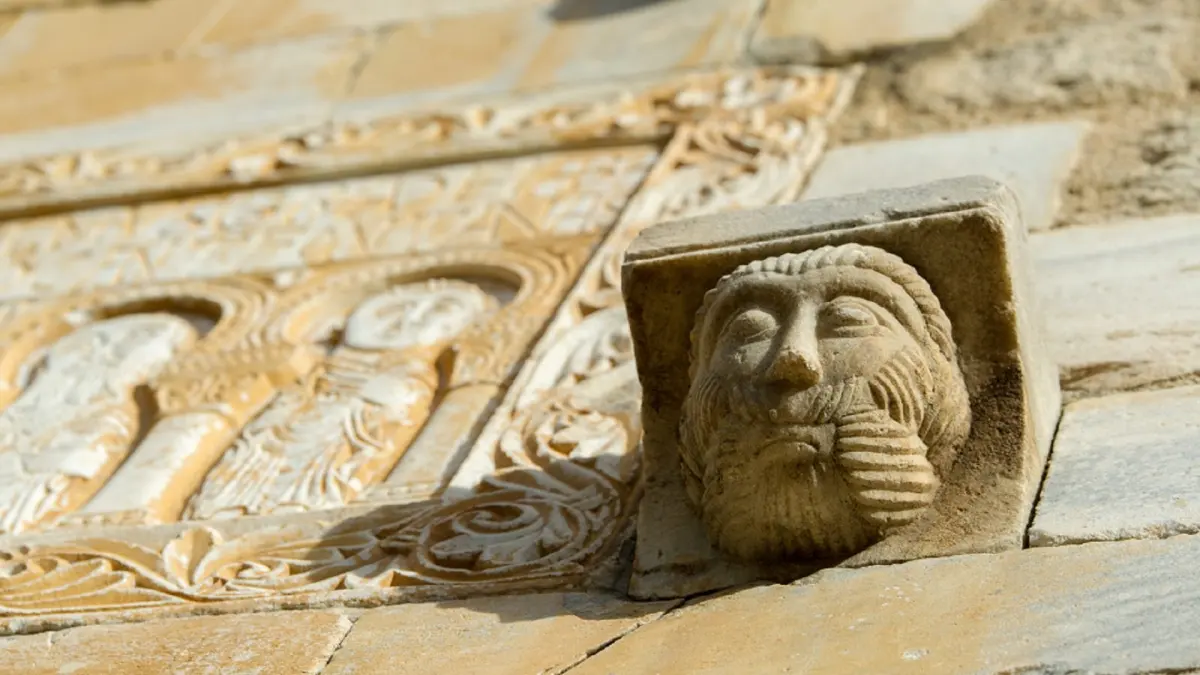
Romanesque sculpture is almost exclusively architectural, meaning it was carved directly into the stone fabric of buildings rather than standing as independent statues. You will most frequently find these carvings on the tympanum, the semicircular area located above the main church portal. These reliefs often depicted complex biblical scenes, such as the Last Judgment, designed to instruct illiterate pilgrims on moral conduct.
The figures in Romanesque art are stylized rather than realistic. Artists prioritized symbolic meaning over anatomical accuracy, often elongating limbs or distorting proportions to fit the architectural space. This approach allowed the sculpture to harmonize perfectly with the building's structural lines. The faces are often intense and expressive, conveying a sense of divine power or suffering that was meant to evoke awe in the viewer.
- Look at the portal entrance for a carved tympanum.
- Observe the figures to see if they are stylized or elongated.
- Check for decorative capitals atop columns featuring animals or foliage.
- Note if the relief carvings follow the rigid geometry of the stone.
Why did Romanesque art develop?
The development of Romanesque art was driven by the rapid expansion of monastic orders and the rise of the pilgrimage movement. As thousands of people traveled across Europe to visit shrines housing holy relics, churches needed to be larger, safer, and more durable. Stone construction replaced wood to protect these valuable religious artifacts from the frequent fires that plagued earlier structures.
This era also marked a period of relative political stability and economic growth, allowing for large-scale building projects. The church acted as the primary patron of the arts, using visual storytelling to reinforce theological teachings. By creating grand, permanent spaces, the church established its authority and provided a physical manifestation of the Kingdom of Heaven on Earth. The style spread rapidly along established trade routes and pilgrimage paths, creating a shared visual language across diverse regions.
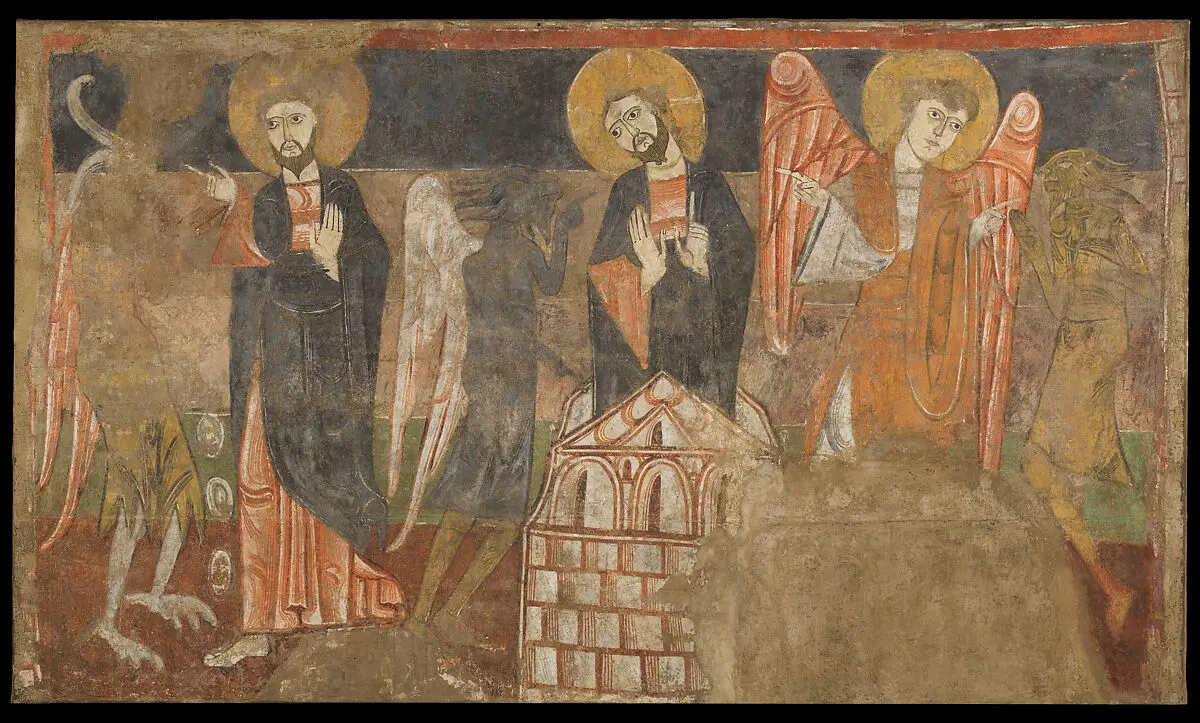
Best examples of Romanesque art for beginners
To truly understand the style, one should look at iconic structures that have survived for nearly a millennium. The Basilica of Saint-Sernin in Toulouse, France, is a quintessential example of a pilgrimage church, featuring a massive barrel-vaulted nave and a sophisticated ambulatory. Its scale and structural integrity demonstrate the peak of Romanesque engineering capabilities in the late 11th century.
In Italy, the Cathedral of Pisa and its famous Leaning Tower provide a different regional variation of the style. Unlike the heavy, dark interiors of northern churches, Italian Romanesque often incorporates marble cladding and decorative arcades. Meanwhile, Durham Cathedral in England showcases the early transition toward Gothic architecture through its innovative use of ribbed vaults. Exploring these sites reveals how local materials and traditions influenced the broader Romanesque aesthetic while maintaining its core structural principles.
Common mistakes when studying Romanesque art
One common error is confusing Romanesque art with the later Gothic style. While both are medieval, Gothic architecture is defined by pointed arches, flying buttresses, and expansive stained-glass windows that allow for much brighter interiors. Romanesque is distinctly darker, heavier, and more grounded, lacking the verticality and light-filled spaces that define the later period.
Another mistake is assuming that all Romanesque art was monochromatic. While we see bare stone today, many interiors were originally covered in vibrant frescoes and sculptures were painted in brilliant colors. Time and environmental factors have stripped these colors away, leaving a false impression of austerity. Additionally, do not overlook the importance of minor arts, such as illuminated manuscripts and metalwork, which were just as vital as architecture in defining the period's artistic output. By focusing only on the massive stone shells, you miss the intricate detail and craftsmanship that defined the daily spiritual life of the medieval era.
Key facts
- Romanesque art flourished in Europe between approximately 1000 and 1150 CE, bridging the gap between Early Medieval and Gothic styles.
- The style is defined by massive, thick walls, sturdy pillars, and rounded arches inspired by Roman architectural techniques.
- Churches were designed with wide naves and barrel vaults to accommodate the growing number of pilgrims traveling to see holy relics.
- Sculptural decoration was primarily concentrated on the tympanum, the semicircular space above church portals, often depicting the Last Judgment.
- Illuminated manuscripts and metalwork were highly prized, featuring stylized, expressive figures rather than realistic human proportions.
- When studying Romanesque buildings, avoid assuming all stone churches from this era were dark; many interiors were originally brightly painted with elaborate frescoes.
The bottom line
Romanesque art represents a pivotal era of European cultural revival, characterized by monumental stone architecture and expressive, symbolic decoration. By blending Roman structural techniques with regional medieval traditions, artists created durable, fortress-like spaces designed to house relics and inspire pilgrims. This style established the foundational architectural vocabulary that allowed for the subsequent, more vertical advancements of the Gothic period, marking a significant step in Western history.
People also ask
Why is it called "Romanesque"?
The term was coined by 19th-century art historians who noticed the style’s heavy reliance on Roman architectural elements like the semicircular arch and groin vault. It implies a "Roman-like" quality that emerged as Europe stabilized and stone construction became more common.
What is the most famous Romanesque building?
The Abbey of Cluny in France was once the largest church in the world and a center of Romanesque influence. Other iconic examples include the Cathedral of Santiago de Compostela in Spain and the Basilica of Saint-Sernin in Toulouse.
How can I identify a Romanesque church?
Look for thick, fortress-like walls, small windows that result in dim interiors, and rounded arches over doors and windows. You will often see decorative arcading on the exterior walls and heavy stone pillars supporting the roof.
Why are Romanesque figures often distorted or elongated?
Artists of this period prioritized symbolic meaning and religious narrative over anatomical accuracy. Figures were intentionally stylized to fit into architectural spaces like column capitals or arched portals, emphasizing spiritual power over physical realism.
What role did pilgrimage play in this art style?
The rise of pilgrimage routes across Europe necessitated larger churches that could handle crowds of visitors. This led to the development of the ambulatory, a walkway around the altar that allowed pilgrims to view relics without disrupting church services.
How does Romanesque art differ from Gothic art?
Gothic architecture replaced the heavy, rounded Romanesque arches with pointed arches and flying buttresses. This structural innovation allowed for much taller buildings and massive stained-glass windows, creating a lighter, more vertical aesthetic compared to the grounded, massive Romanesque style.
This answer was created with the help of AI research tools and reference sources. Spotted an error? Let us know — we correct mistakes quickly. See our editorial policy.