What is the Louvre known for?
Short answer
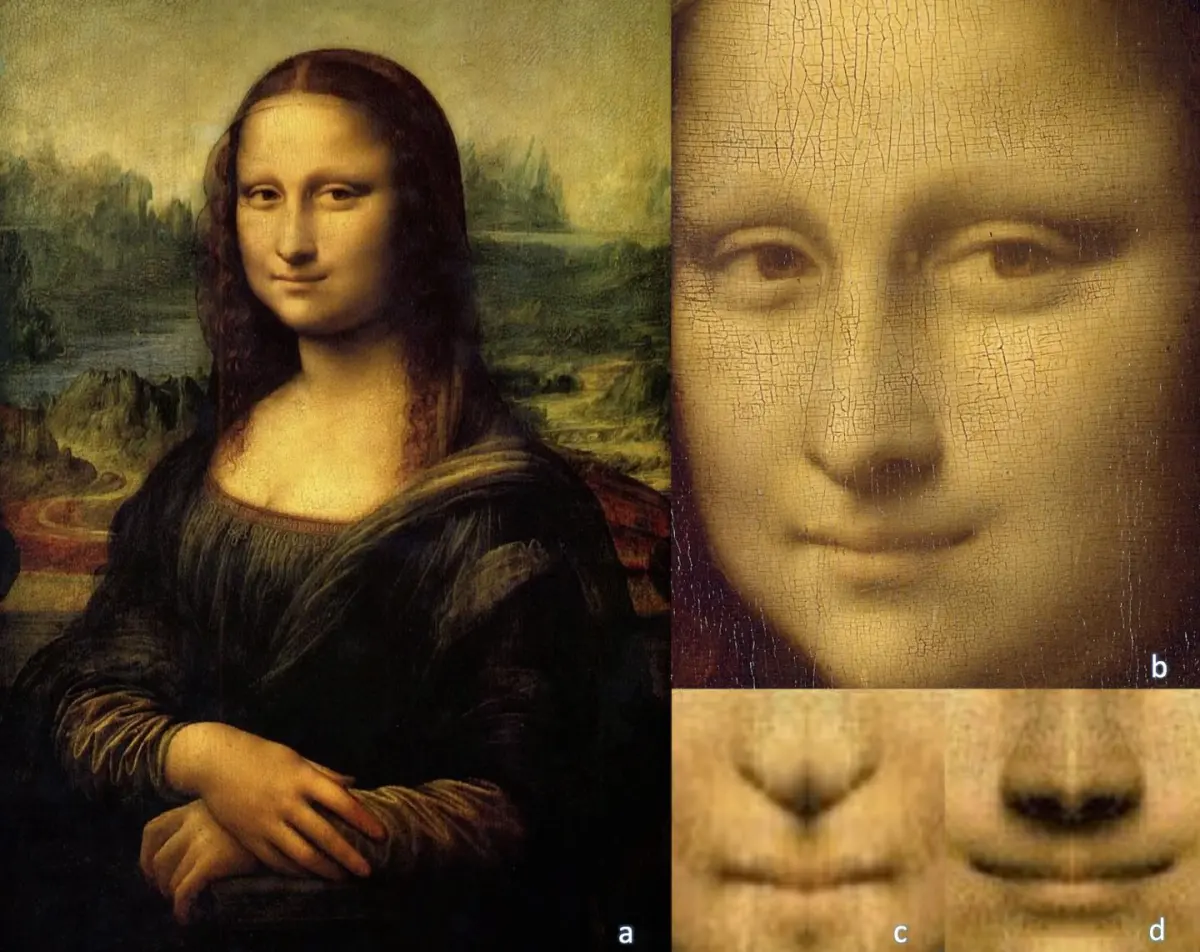
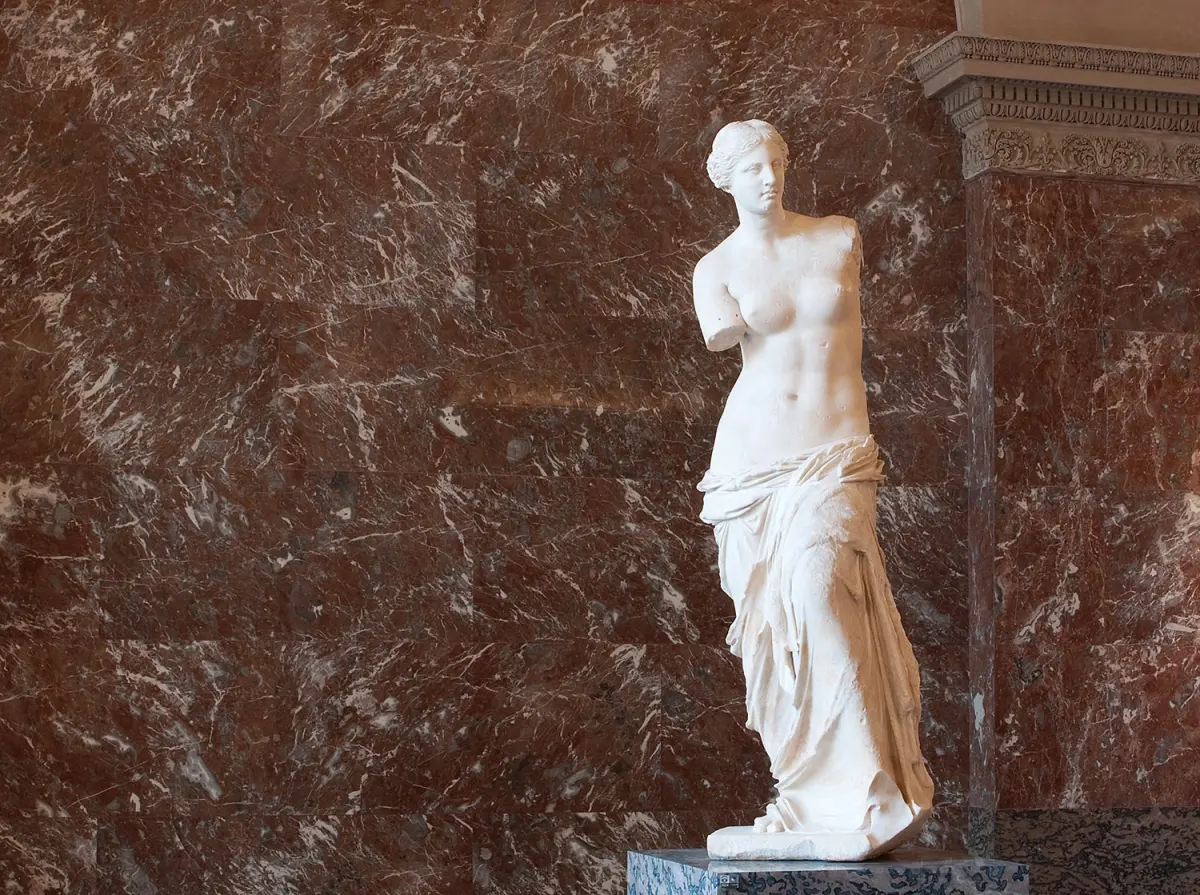
The Louvre is the world’s largest art museum and a historic monument in Paris, France. It is globally renowned for housing thousands of iconic masterpieces, including the Mona Lisa and the Venus de Milo. Originally a 12th-century fortress, it now serves as a premier cultural institution attracting millions of visitors annually.
On this page
What is the Louvre famous for?
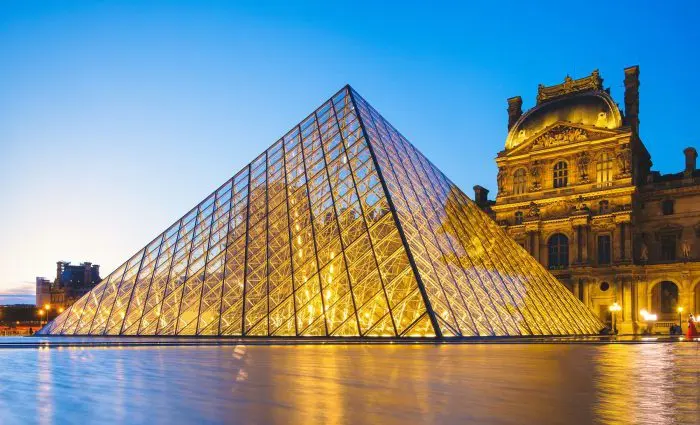
The Louvre Museum is primarily celebrated for its vast collection of Western art, spanning from the Middle Ages to 1848, alongside extensive antiquities from ancient civilizations. It serves as the permanent home to some of the most recognizable images in human history. The museum's architecture is equally famous, particularly the contrasting juxtaposition of the classical 16th-century palace and the modern glass pyramid designed by I.M. Pei, which serves as the main entrance.
Beyond its individual masterpieces, the Louvre is known for its sheer scale. It occupies the Palais du Louvre, a structure that evolved from a defensive medieval castle into a royal residence before becoming a public museum in 1793. The institution holds approximately 38,000 objects on display, organized into eight curatorial departments. These include:
- Near Eastern Antiquities
- Egyptian Antiquities
- Greek, Etruscan, and Roman Antiquities
- Islamic Art
- Sculpture
- Decorative Arts
- Paintings
- Prints and Drawings
How long does it take to see the Louvre?
Attempting to see every item in the Louvre in a single day is physically impossible. Even if a visitor spent only 30 seconds looking at each piece on display, it would take roughly 100 days to view the entire collection. Most visitors find that a focused visit lasting three to four hours is the optimal duration to experience the highlights without succumbing to museum fatigue.
To make the most of your limited time, follow these strategic steps:
- Purchase your tickets online well in advance to guarantee entry and skip the primary ticket office queues.
- Choose one or two specific wings or themes, such as Italian Renaissance paintings or Egyptian antiquities, rather than trying to walk through the entire complex.
- Use the official museum map to locate your "must-see" items before you arrive.
- Plan your route to start at the Denon Wing, where the most famous paintings are located, and work your way outward.
Best way to see the Mona Lisa?
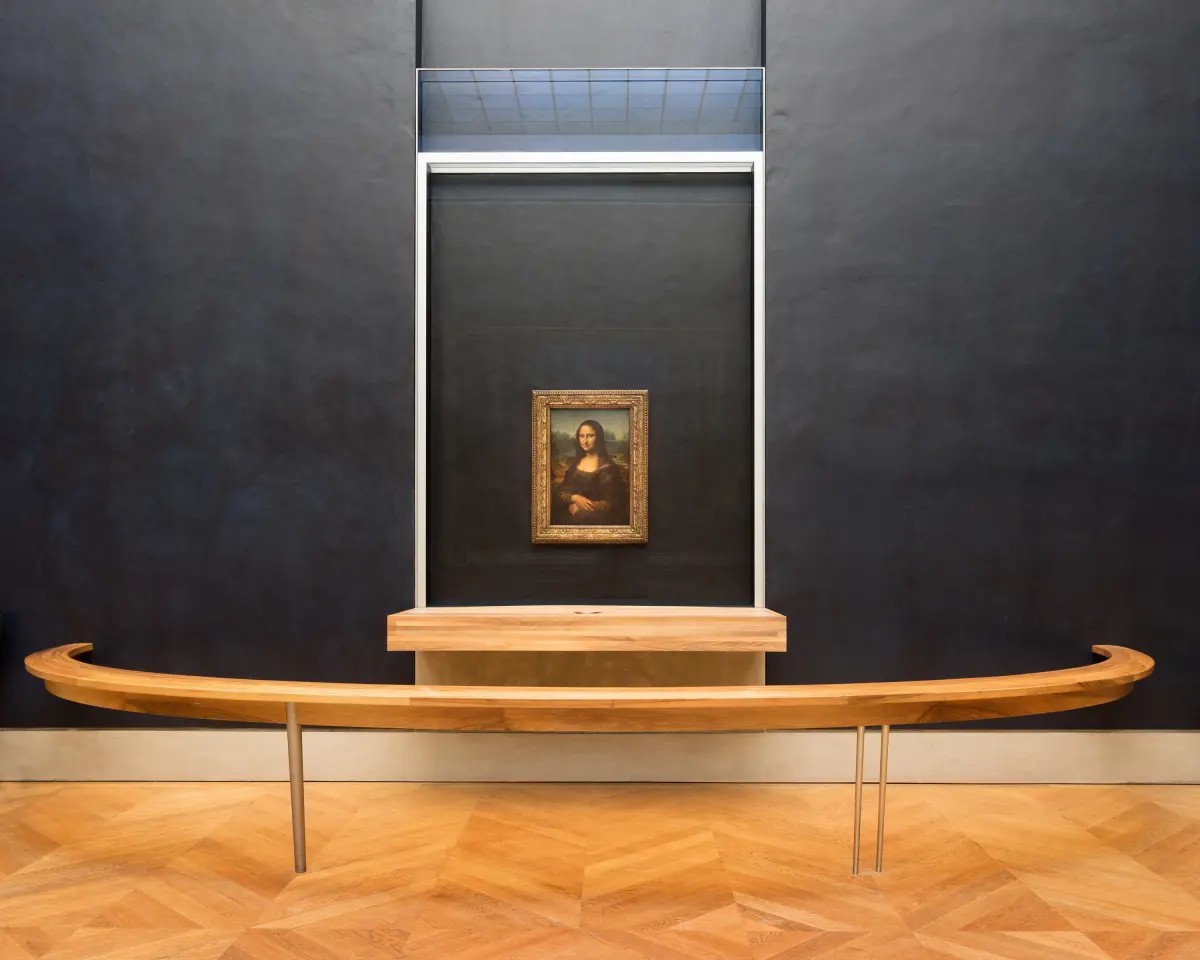
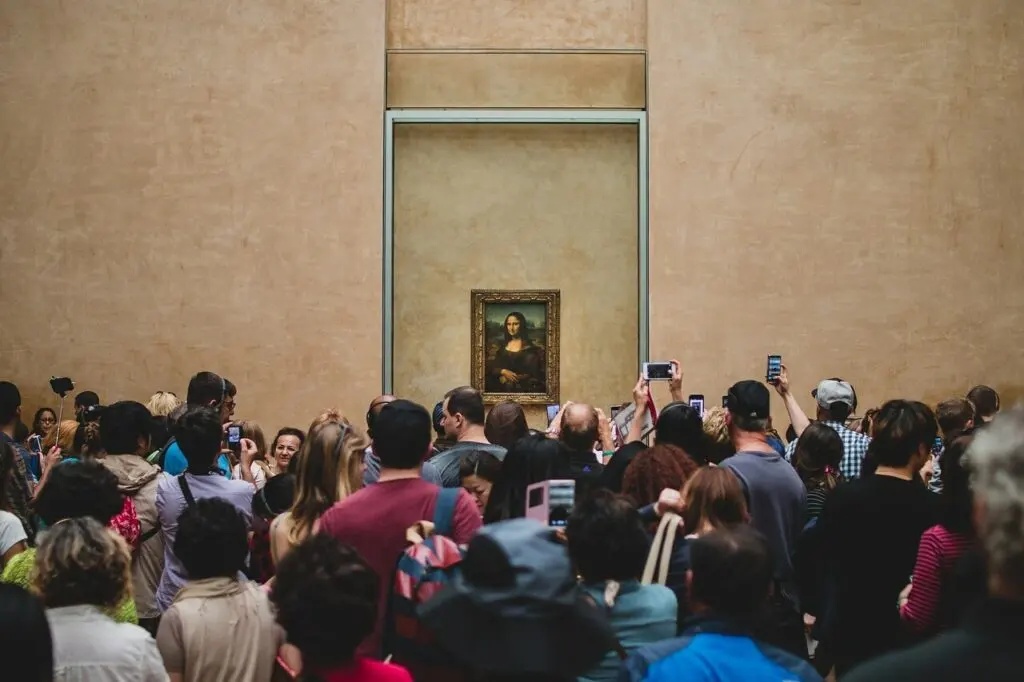
The Mona Lisa is the museum's most popular attraction, often drawing dense crowds throughout the day. Because the painting is small and protected behind bulletproof glass, viewing it requires patience and timing. To avoid the most intense congestion, visit the Salle des États during the museum's evening hours or immediately upon opening.
If you are determined to see Leonardo da Vinci’s masterpiece, keep these tips in mind:
- Avoid the mid-day rush between 11:00 AM and 3:00 PM, which is when tour groups are most active.
- Enter through the Carrousel du Louvre shopping center entrance rather than the main pyramid entrance to potentially bypass the longest security lines.
- Be prepared for a queue within the gallery itself; security guards move visitors along quickly to ensure everyone gets a turn to view the painting.
- Remember that the museum features many other works by Da Vinci and his contemporaries in the same wing that are often less crowded and equally impressive.
Common mistakes when visiting the Louvre?
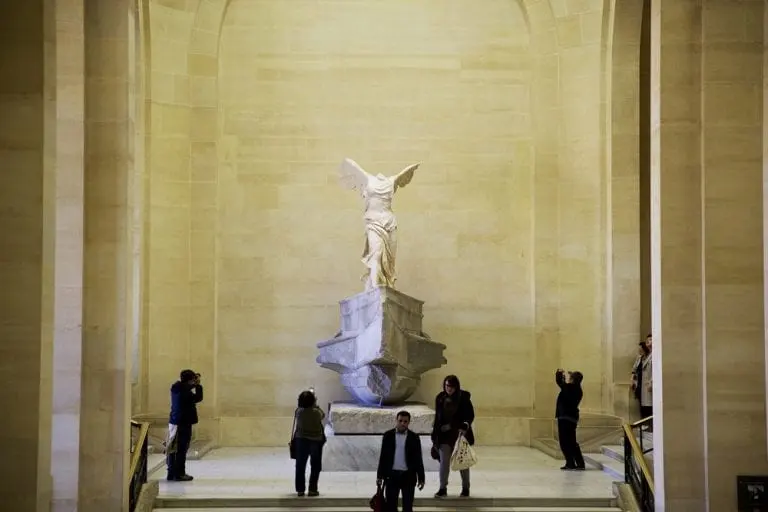
Many visitors inadvertently ruin their experience by failing to prepare for the museum's immense size and strict security protocols. One of the most frequent errors is attempting to enter without a pre-booked time slot, which can lead to being denied entry on busy days. Another common mistake is neglecting to wear comfortable footwear, as the marble floors and vast corridors require significant walking.
Avoid these pitfalls to ensure a smoother visit:
- Do not bring large luggage or backpacks, as the museum has strict size limits and limited storage lockers.
- Avoid visiting on Tuesdays, as the museum is closed to the public.
- Do not rely solely on the museum's Wi-Fi, which can be spotty; download the official app or a digital map for offline use.
- Do not ignore the signage regarding photography; while personal photography is generally allowed, the use of flash and tripods is strictly prohibited to protect the artwork.
Why is the Louvre so important?
The importance of the Louvre lies in its role as a repository of global heritage. It chronicles the development of human creativity across millennia, acting as a bridge between ancient civilizations and the modern era. The museum’s collection of French paintings is unparalleled, providing a comprehensive look at the evolution of European artistic thought, technique, and political history through the centuries.
Furthermore, the Louvre functions as a center for research and conservation. Its experts work tirelessly to restore damaged works and uncover historical truths about the artifacts in their care. By maintaining such a high standard of curation and accessibility, the museum continues to influence how art is studied and appreciated worldwide. Whether you are a casual tourist or a serious art historian, the Louvre remains an essential destination that defines the cultural identity of Paris and serves as a testament to the enduring power of human expression.
Key facts
- The Louvre is the world's largest art museum, spanning over 780,000 square feet of gallery space.
- It houses approximately 35,000 works of art, ranging from ancient civilizations to the mid-19th century.
- The museum is located in the Louvre Palace, which originally served as a fortress built by Philip II in the late 12th century.
- The iconic glass pyramid in the main courtyard, designed by I.M. Pei, was inaugurated in 1989.
- Visitors should book tickets online in advance to secure a time slot, as the museum often reaches capacity.
- To avoid massive crowds, enter through the Carrousel du Louvre shopping mall entrance rather than the main pyramid.
The bottom line
The Louvre stands as a monumental pillar of global culture, blending medieval history with modern architectural innovation. While its vast collection can feel overwhelming, strategic planning—such as booking tickets early and choosing secondary entrances—allows for a rewarding experience. Whether you are seeking Renaissance masterpieces or ancient Egyptian artifacts, the museum offers an unparalleled journey through human history that requires careful pacing to truly appreciate.
People also ask
How long does it take to see everything in the Louvre?
It is physically impossible to see every piece of art in a single visit. If you spent only 30 seconds looking at each item on display, it would take roughly 100 days to view the entire collection.
Which famous painting is the most popular attraction?
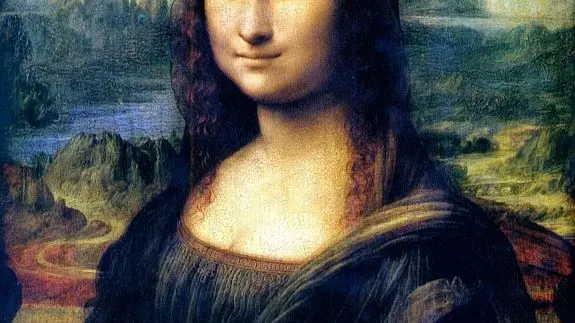
Leonardo da Vinci’s Mona Lisa is the museum's most visited work. It is housed in the Salle des États and is protected by bulletproof glass due to its immense cultural value.
Are there free days for visitors?
The museum offers free admission on the first Friday of every month after 6:00 PM, excluding July and August. You must still reserve a time slot on the official website to enter.
Can I take photographs inside the galleries?
Photography is permitted for personal, non-commercial use in the permanent collection galleries. However, the use of flash, selfie sticks, and tripods is strictly prohibited to protect the artwork.
What is the best time of day to visit?
Arriving early in the morning before opening or during late-night openings on Fridays is generally less crowded. Midday on weekends is typically the busiest time for the museum.
Is the museum accessible for people with disabilities?
Yes, the Louvre provides elevators, ramps, and accessible restrooms throughout the facility. Wheelchairs and folding stools are available for free at the information desk for those who need assistance.
This answer was created with the help of AI research tools and reference sources. Spotted an error? Let us know — we correct mistakes quickly. See our editorial policy.