What is the difference between impressionism and post-impressionism?
Short answer
Impressionism focuses on capturing fleeting moments and the objective effects of natural light using loose, visible brushstrokes. Post-Impressionism emerged later as a reaction, prioritizing the artist's subjective internal experience, symbolic meaning, and structural form over mere optical realism. While Impressionists painted what they saw, Post-Impressionists painted how they felt.
On this page
What defines the Impressionist movement
Impressionism began in France during the 1860s and 1870s, led by artists like Claude Monet, Pierre-Auguste Renoir, and Camille Pissarro. These painters rejected the rigid rules of the French Academy, choosing instead to step outside their studios to paint en plein air. They aimed to capture the "impression" of a scene, focusing on the shifting qualities of light and weather.
To achieve this, they utilized short, thick brushstrokes that often remained unblended on the canvas. Instead of using black for shadows, they mixed complementary colors to create depth and vibrancy. Their subject matter shifted from historical or mythological themes to scenes of modern life, such as busy Parisian boulevards, cafes, and serene landscapes.
- Focus on the immediate visual sensation.
- Use of bright, pure colors placed side-by-side.
- Emphasis on the changing effects of sunlight.
- Rejection of sharp outlines and detailed finish.
Why Post-Impressionism emerged as a reaction
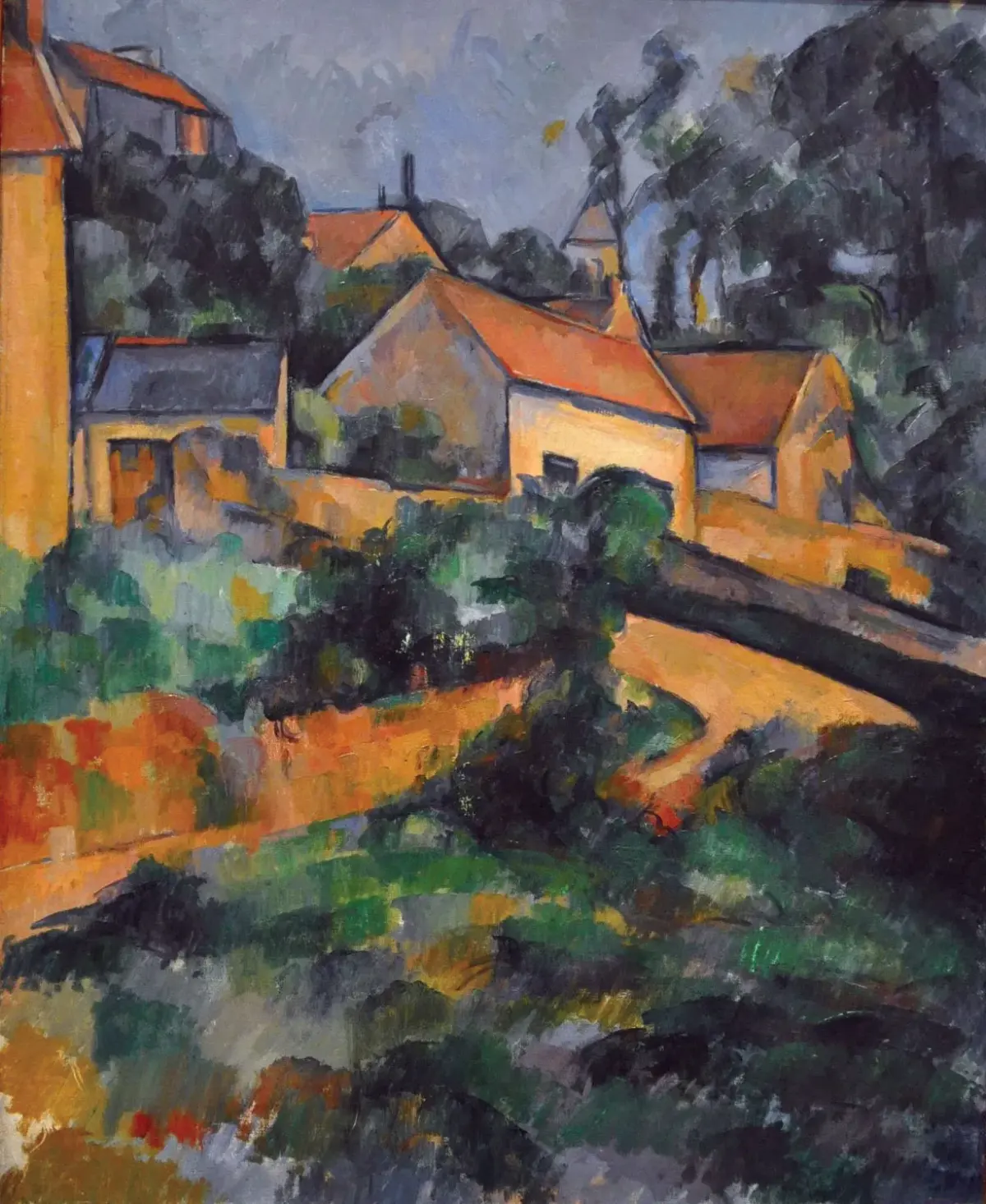
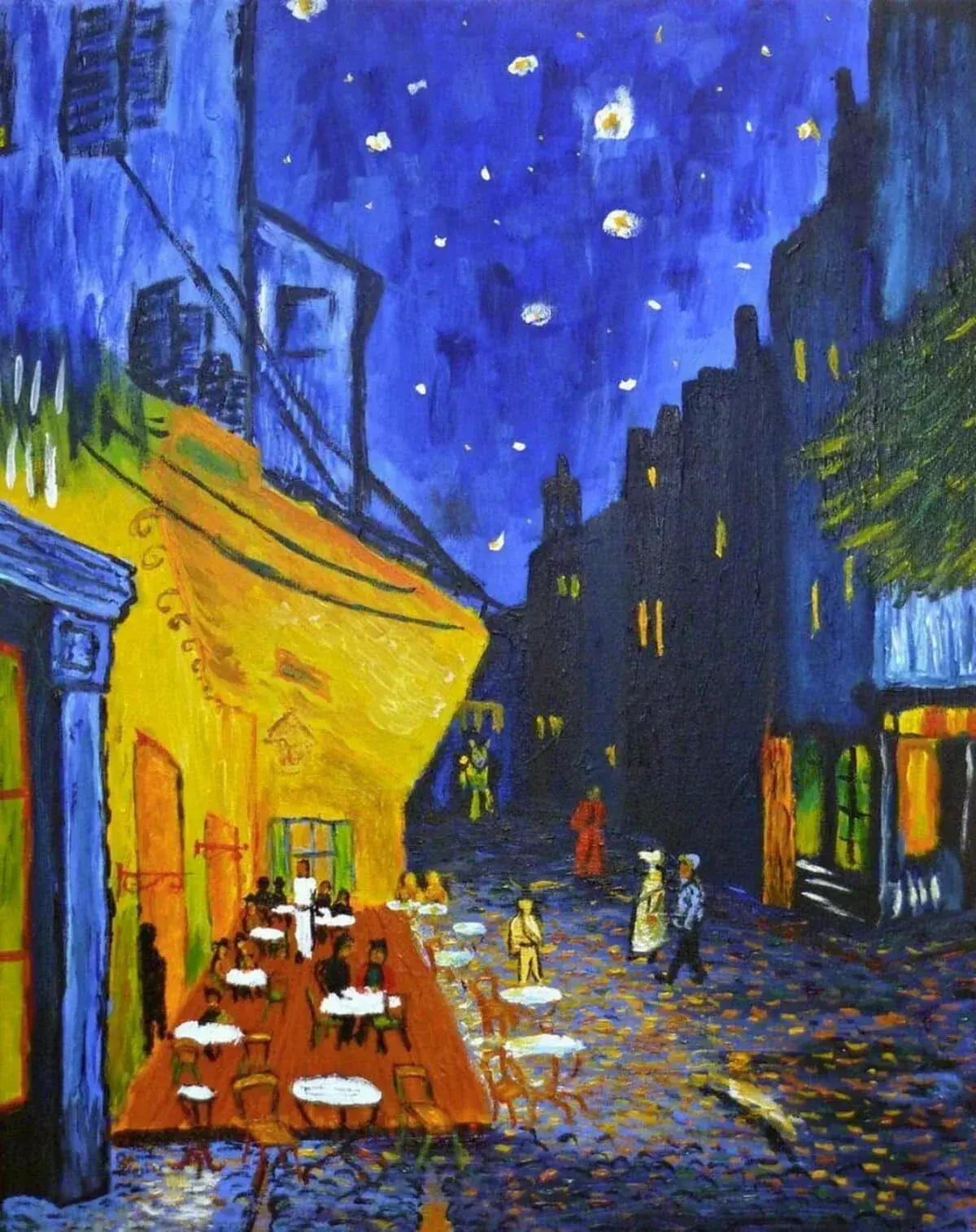
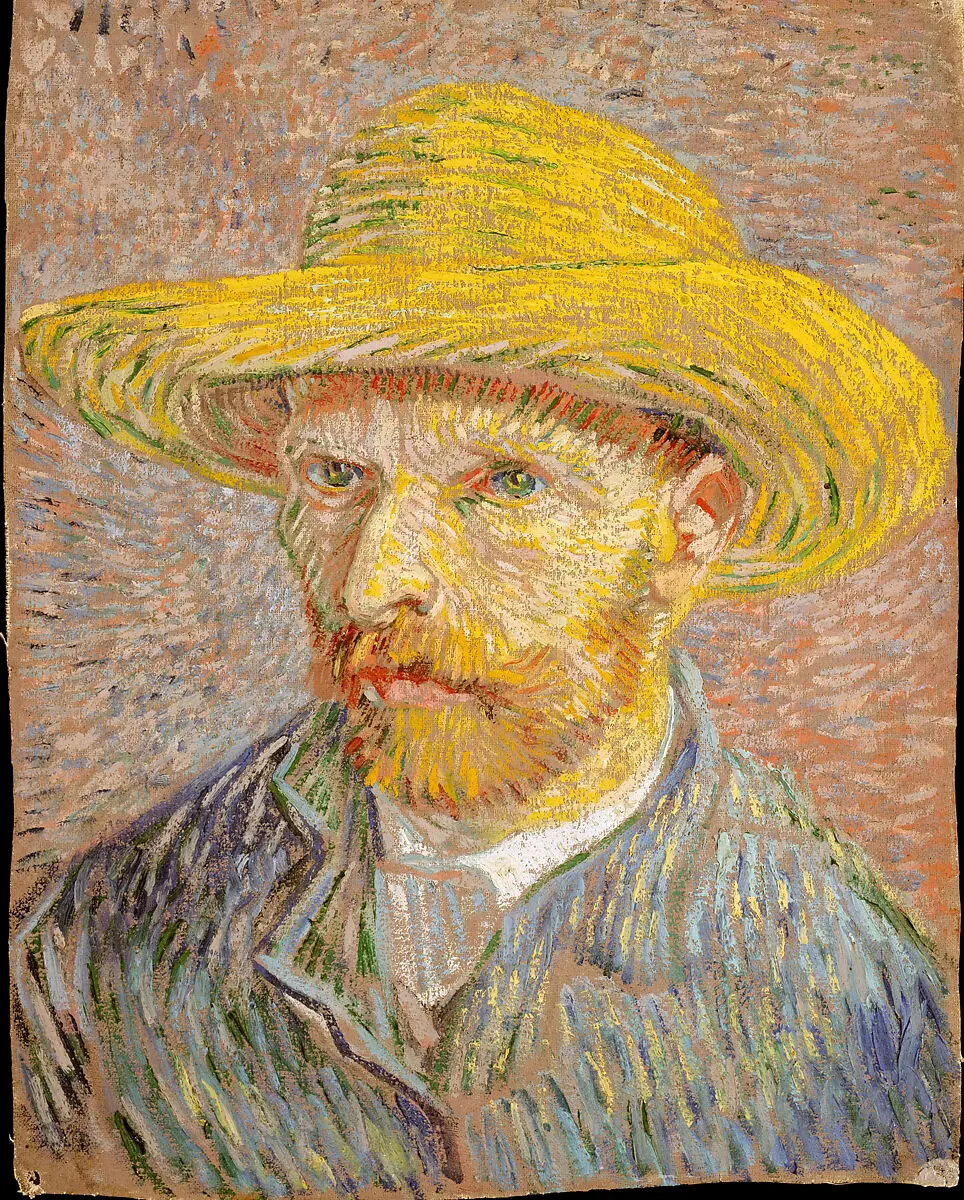
Post-Impressionism is not a single unified style but a term coined by critic Roger Fry to describe the diverse work of artists active between 1886 and 1905. Figures like Vincent van Gogh, Paul Cézanne, Paul Gauguin, and Georges Seurat felt that Impressionism lacked structure and emotional depth. They believed that art should express more than just the fleeting appearance of a landscape.
These artists sought to reintroduce order, symbolic meaning, and personal expression into painting. While they kept the bright color palettes of their predecessors, they applied them with more deliberate intent. Cézanne focused on geometric simplification, Van Gogh used color to convey raw emotion, and Seurat experimented with scientific color theory. Their work paved the way for modern movements like Cubism and Fauvism by prioritizing the artist’s vision over external reality.
How to distinguish between the two styles
Identifying the difference often comes down to observing the intent and the technique used on the canvas. Impressionist works typically look soft, hazy, and atmospheric, as if seen through a gentle mist. The goal was to freeze a moment in time, making the viewer feel like they are standing in that exact light and space.
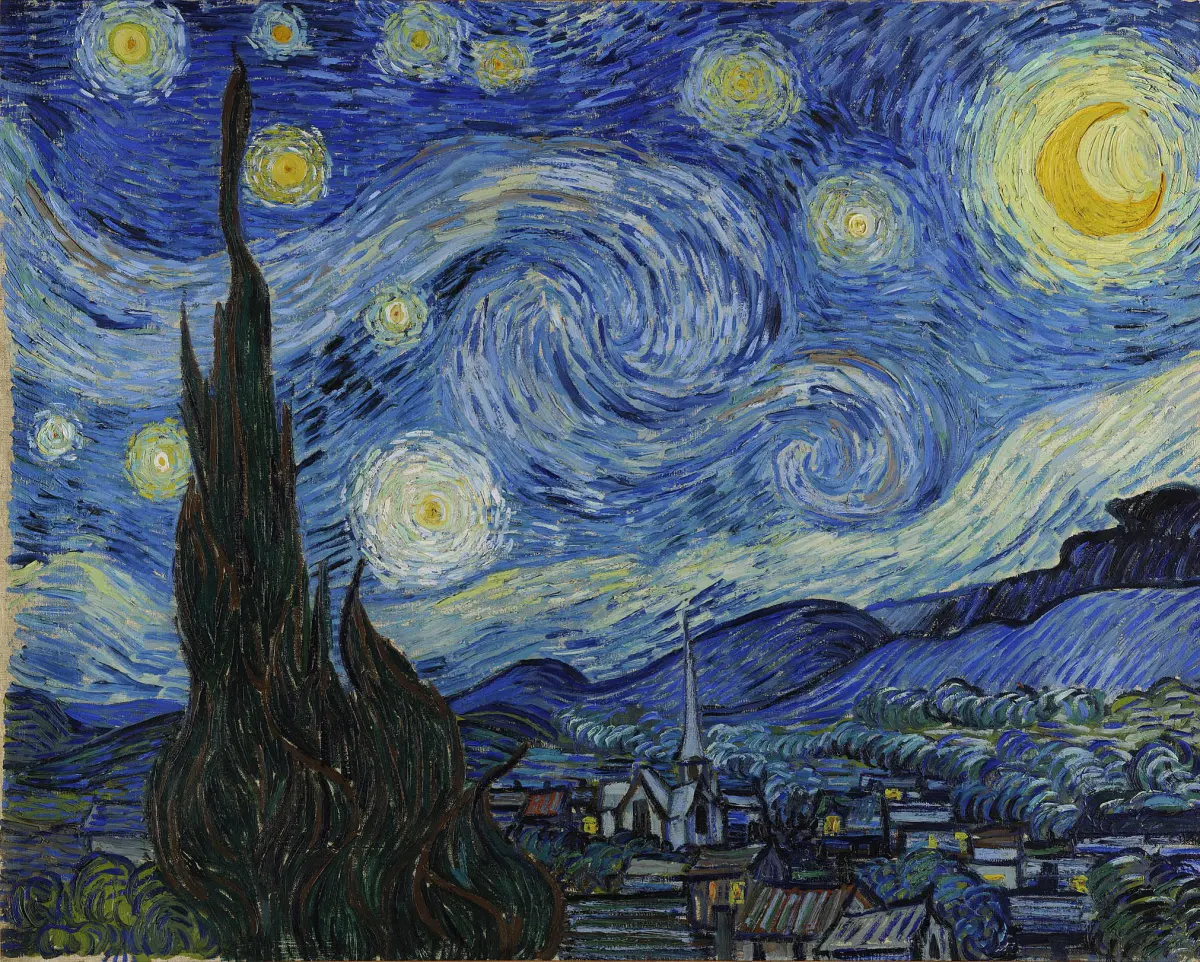
Post-Impressionist works, by contrast, often appear more solid, stylized, or emotionally charged. The brushwork might be rhythmic and swirling, as seen in Van Gogh’s The Starry Night, or composed of tiny, calculated dots, as in Seurat’s pointillism. When analyzing a painting, consider these primary differences:
- Impressionism: Focuses on the objective, external scene and the physics of light.
- Post-Impressionism: Focuses on the subjective, internal world and the artist's personal interpretation.
- Impressionism: Uses spontaneous, rapid brushwork to capture motion.
- Post-Impressionism: Often uses calculated, structural, or highly decorative patterns.
Common mistakes when identifying art movements
A frequent error is assuming that all late 19th-century French art is Impressionist. Many people categorize any painting with visible brushstrokes as Impressionism, ignoring the significant shift toward abstraction that occurred in the 1880s. It is helpful to look at the date of the work and the specific artist’s goals to avoid this common confusion.
Another mistake is viewing Post-Impressionism as a linear progression that "fixed" Impressionism. It is more accurate to view it as a divergence. Post-Impressionists were not trying to paint "better" than the Impressionists; they were trying to paint something entirely different. By focusing on the underlying structure or the psychological impact of a subject, they moved away from the Impressionist mandate of optical accuracy, effectively ending the era of pure landscape observation.
Best way to study these styles for beginners
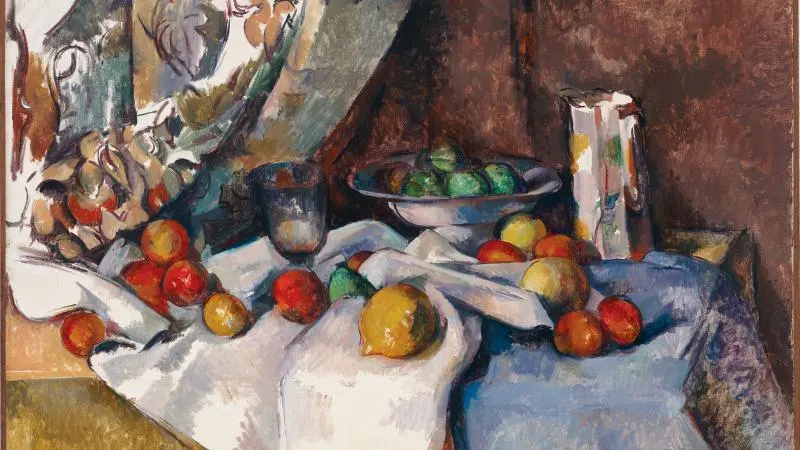
To truly understand these movements, start by visiting museums or high-quality digital archives to compare specific works side-by-side. Look at Monet’s Water Lilies to understand the Impressionist obsession with light and reflection. Then, view Cézanne’s The Basket of Apples to see how Post-Impressionism began to break objects down into simplified, almost architectural forms.
When studying, try to ask yourself what the artist wanted you to notice first. Is it the way the sun hits the water, or is it the intense, unnatural color of the sky? By engaging with the art through these questions, you develop a better eye for the transition from the objective recording of the world to the expressive, modern art that defines the early 20th century. This analytical approach makes the evolution of art history much clearer and more rewarding.
Key facts
- Impressionism emerged in the 1870s, focusing on capturing fleeting light and atmospheric effects through rapid, visible brushstrokes.
- Post-Impressionism began in the mid-1880s as a reaction against Impressionism, prioritizing emotional expression and geometric structure over naturalism.
- Claude Monet and Pierre-Auguste Renoir are quintessential Impressionists, while Vincent van Gogh and Paul Cézanne define the Post-Impressionist movement.
- Impressionists painted outdoors (en plein air) to observe real-time light, whereas Post-Impressionists often worked in studios to refine symbolic or abstract compositions.
- To identify Impressionism, look for blurred edges and light-drenched scenes; to identify Post-Impressionism, look for vivid, non-naturalistic colors and distinct, heavy outlines.
- Avoid the mistake of viewing these as sequential improvements; they are distinct artistic philosophies, with one valuing visual perception and the other conceptual depth.
The bottom line
The primary difference lies in the artist's intent: Impressionism seeks to capture the objective, fleeting appearance of a scene through light and color, while Post-Impressionism prioritizes the subjective, internal experience of the artist. By moving away from the strict observation of nature, Post-Impressionists introduced the structural and emotional freedom that eventually defined modern art, allowing painters to prioritize personal expression over the accurate representation of the physical world.
People also ask
Did Impressionists and Post-Impressionists belong to the same art group?
No, they were separate movements separated by roughly a decade. Impressionism was a cohesive group exhibition movement, while Post-Impressionism was a loose collection of individual artists who moved beyond Impressionist limitations.
Why did Post-Impressionists use such unnatural colors in their paintings?
They used arbitrary color to convey personal emotion and symbolic meaning rather than to mimic reality. By applying intense, contrasting hues, artists like Gauguin and Van Gogh sought to evoke a specific mood or psychological state.
Was Pointillism part of the Impressionist or Post-Impressionist movement?
Pointillism, pioneered by Georges Seurat, is a subset of Post-Impressionism. It replaced the spontaneous, messy brushwork of Impressionism with a highly calculated, scientific application of tiny, distinct dots of color.
Can you tell the difference by looking at the paint texture?
Impressionist paint is often layered to simulate light, while Post-Impressionist paint is frequently applied in thick, deliberate strokes known as impasto. Post-Impressionist textures often emphasize the artist's physical gesture rather than the light on the subject.
Did these artists ever work together?
Yes, many Post-Impressionists began their careers as Impressionists. For example, Paul Cézanne participated in the first Impressionist exhibition in 1874 before developing his own unique style that focused on the underlying geometric forms of nature.
Is Expressionism the same thing as Post-Impressionism?
No, though they are related. Post-Impressionism served as a bridge that paved the way for Expressionism, which later took the emotional intensity of Post-Impressionism to a more extreme, distorted level in the early 20th century.
This answer was created with the help of AI research tools and reference sources. Spotted an error? Let us know — we correct mistakes quickly. See our editorial policy.