Why is Café Terrace at Night so famous?
Short answer
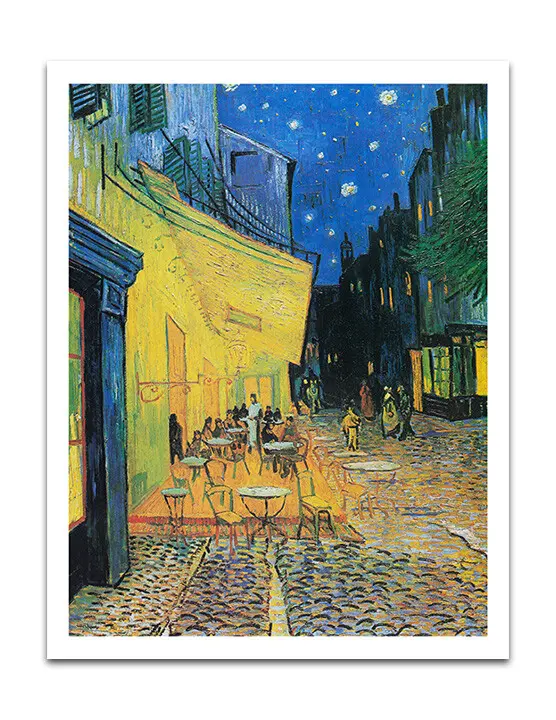
Café Terrace at Night is famous for its pioneering use of color, specifically the striking contrast between warm yellow artificial light and the deep, star-filled blue of the night sky. Painted by Vincent van Gogh in 1888, it represents a pivotal moment in Post-Impressionist art, showcasing his unique, expressive brushwork and emotional depth.
On this page
Why is Café Terrace at Night so famous?
Vincent van Gogh painted Café Terrace at Night in September 1888 while living in Arles, France. It is celebrated as the first painting in which he used his signature blue-and-yellow color scheme, a combination that would define his most iconic later works. The composition captures the Place du Forum in Arles, depicting a bustling outdoor café under a clear, starry sky.
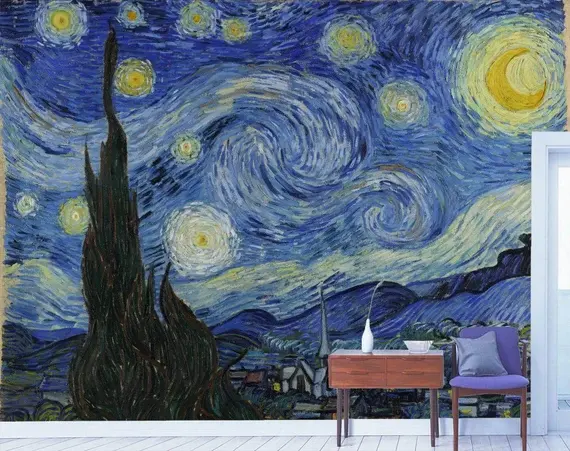
The painting is historically significant because it was the first time Van Gogh depicted a starry night, predating his world-famous The Starry Night by nearly a year. Critics and art historians often point to this work as a masterpiece of mood and atmosphere. By avoiding black paint entirely, Van Gogh achieved a luminous quality that makes the café appear to glow against the darkness of the surrounding town.
How to analyze the colors in Van Gogh’s work
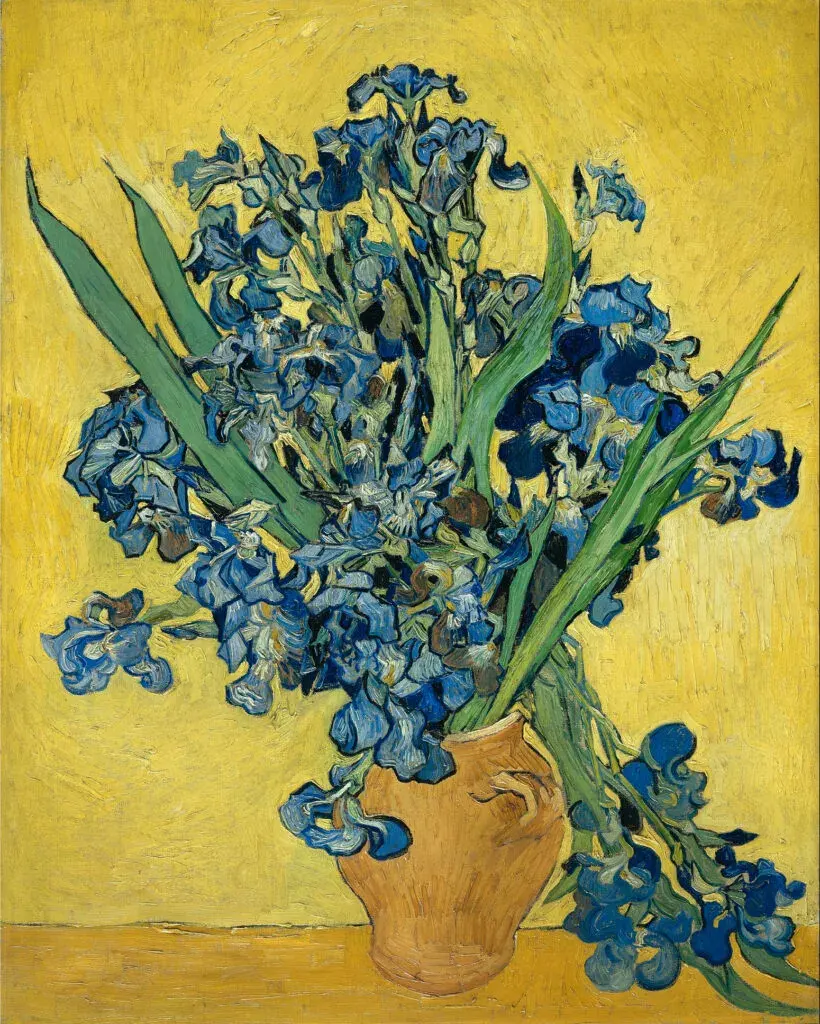
The most striking feature of the painting is the deliberate use of complementary colors. By placing vibrant yellows and oranges against deep blues and violets, Van Gogh created a visual tension that makes the light appear to vibrate. This technique, known as simultaneous contrast, draws the viewer’s eye directly to the center of the café terrace.
To understand how this effect works, consider these elements of his color palette:
- The warm, golden light of the café lamps spills onto the cobblestones, creating a welcoming glow.
- The dark blue sky provides a cool, expansive backdrop that emphasizes the warmth of the artificial light.
- The absence of black pigment ensures that the shadows remain rich and colorful rather than dull or muddy.
When viewing the painting, try to squint your eyes to see how the colors interact without the distraction of the fine details. You will notice that the yellow light serves as the primary focal point, while the blue tones provide the emotional depth of the night.
Where to see Café Terrace at Night today
The original oil painting is currently housed at the Kröller-Müller Museum in Otterlo, Netherlands. It has been part of the museum's collection since 1988, having been acquired from a private collection. Because it is a fragile oil-on-canvas work, it is carefully preserved under controlled lighting and humidity conditions to prevent the pigments from fading.
If you are planning a visit to see the masterpiece in person, keep these tips in mind:
- Check the museum’s website in advance to ensure the painting is not out on loan for a special exhibition.
- Visit during weekday mornings to avoid large crowds, which allows for a longer, more contemplative viewing experience.
- Use the museum’s audio guide, which provides historical context regarding Van Gogh’s time in Arles and his mental state during this period.
Avoid visiting during major holidays, as the museum often experiences high traffic that can make it difficult to get a clear view of the canvas.
Common mistakes when interpreting Van Gogh’s style
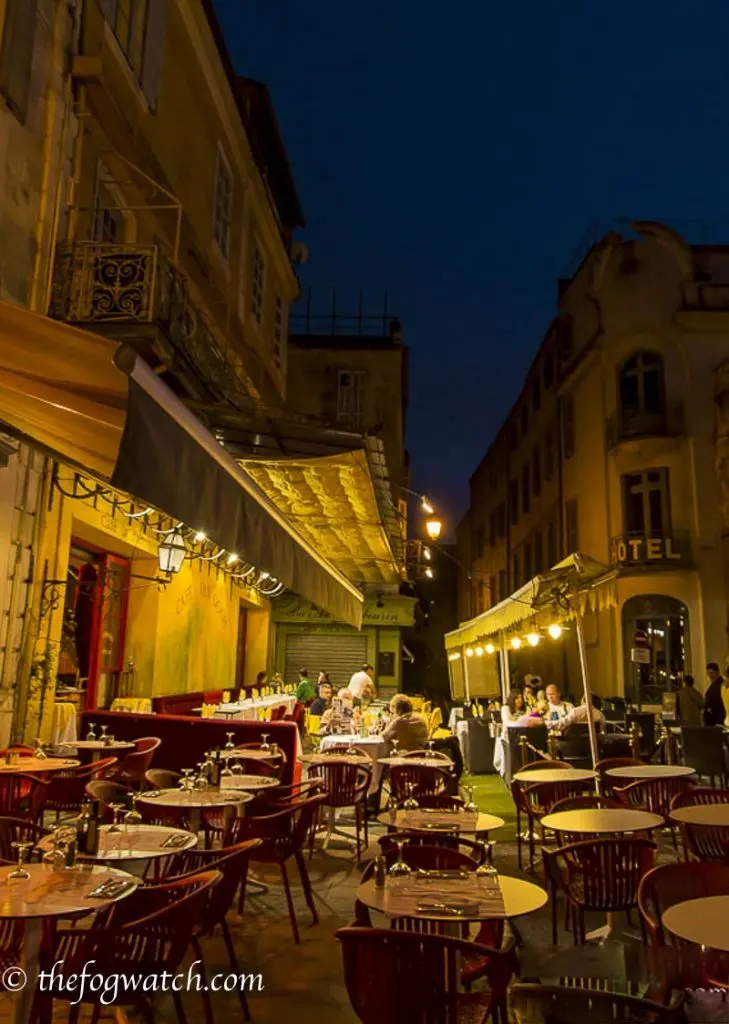
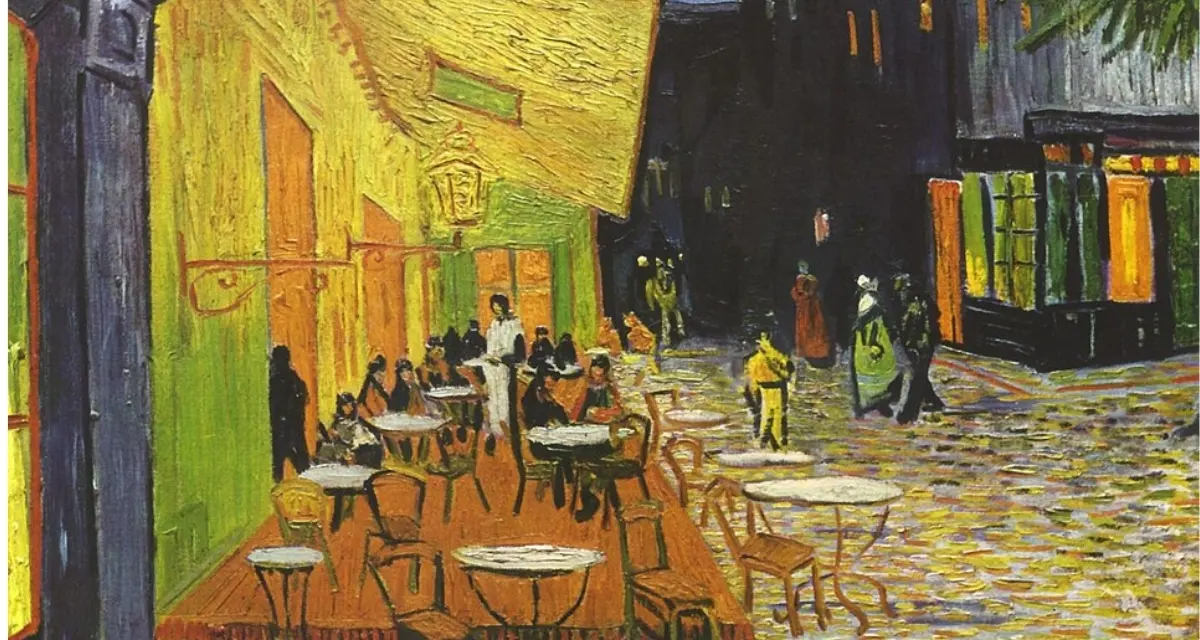
Many people mistakenly believe that Van Gogh painted the scene exactly as he saw it, but he often adjusted reality to suit his artistic vision. While the café did exist—and still stands today in Arles—Van Gogh modified the proportions and the intensity of the colors to emphasize the feeling of the night. He was not interested in photographic realism; he was interested in capturing the emotional essence of a place.
Another common error is assuming that the stars were painted realistically. Van Gogh was known to exaggerate the size and brightness of stars to create a sense of movement and cosmic energy. If you look closely at the brushstrokes, you can see how he applied paint in thick, rhythmic lines that suggest the sky is alive. Understanding that his work is an interpretation rather than a literal transcription of nature is key to appreciating his genius.
How to appreciate Post-Impressionism for beginners
To better appreciate works like Café Terrace at Night, focus on the artist's brushwork rather than the subject matter. Post-Impressionists moved away from the soft, blended strokes of the Impressionists, opting instead for bold, visible marks that convey the artist's physical energy. In this painting, the short, dash-like strokes create a sense of depth and texture that makes the scene feel immediate and tactile.
Follow these steps to deepen your engagement with the painting:
- Observe the direction of the brushstrokes; notice how they follow the architectural lines of the building and the curves of the sky.
- Consider the emotional impact of the scene; does the contrast between the cozy café and the vast, dark sky make you feel comforted or isolated?
- Compare this work to other paintings from the same period to see how Van Gogh’s style evolved over his short but prolific career.
By focusing on these technical and emotional elements, you can move beyond simple observation and begin to understand the complex vision that made Van Gogh one of the most influential painters in the history of Western art.
Key facts
- Vincent van Gogh painted Café Terrace at Night in Arles, France, in September 1888.
- It is the first painting in which Van Gogh used a starry sky background, predating The Starry Night by nine months.
- The painting depicts the Le Café la Nuit, which still exists today in the Place du Forum in Arles.
- Van Gogh famously painted the scene entirely at night without using any black paint to represent the darkness.
- The work is currently housed in the Kröller-Müller Museum in Otterlo, Netherlands.
- To view the painting properly, observe how the warm yellow light of the café contrasts sharply with the deep blue tones of the night sky.
The bottom line
Café Terrace at Night remains famous for its revolutionary use of color and its emotional depth. By capturing a vibrant, nocturnal scene without using black paint, Van Gogh transformed a simple street corner into an iconic expression of light and atmosphere. Its historical significance as the precursor to his later masterpieces makes it a vital piece for understanding the evolution of modern European art.
People also ask
Is the café depicted in the painting still open today?
Yes, the establishment is now known as Café Van Gogh. It remains a popular tourist destination in Arles, though it has been renovated to resemble the artist's original 1888 depiction.
Why did Van Gogh choose not to use black paint for the night sky?
Van Gogh believed that night was more alive and richly colored than the day. He used various shades of blue, violet, and green to capture the depth of the darkness rather than relying on flat black pigments.
How large is the original canvas?
The oil painting measures approximately 81 centimeters by 65.5 centimeters. This medium size allowed Van Gogh to capture intricate details of the cobblestones and the café interior while working outdoors.
What is the significance of the perspective in this painting?
Van Gogh used a strong, deep perspective that draws the viewer's eye down the street toward the dark shadows. This technique creates a sense of invitation, pulling the observer into the bustling atmosphere of the café.
Did Van Gogh paint this scene on-site?
Yes, he set up his easel on the corner of the Place du Forum to capture the scene directly from life. This practice of en plein air painting was central to his artistic process during his time in Arles.
What are the primary colors used in the composition?
The painting is defined by the juxtaposition of complementary colors, specifically yellow and orange against blue and purple. This intense color contrast is a hallmark of Van Gogh’s post-impressionist style.
This answer was created with the help of AI research tools and reference sources. Spotted an error? Let us know — we correct mistakes quickly. See our editorial policy.