What is print on demand for artists?
Short answer
Print on demand (POD) is a business model where artists upload digital designs to a third-party platform that prints and ships products only after a customer places an order. This approach eliminates the need for artists to hold physical inventory, manage warehousing, or handle the logistics of printing and shipping individual items.
On this page
How does print on demand work for artists?
The process begins when an artist uploads a high-resolution digital file of their artwork to a POD service provider. Once the file is uploaded, the artist selects various products—such as t-shirts, mugs, posters, or tote bags—to feature their design. The provider then creates a virtual mockup of the finished product for the artist’s online storefront.
When a customer visits the artist’s shop and completes a purchase, the order information is automatically transmitted to the POD company. The company then prints the design onto the selected item, packages it, and ships it directly to the customer. The artist receives a profit margin, which is the difference between the retail price set by the artist and the base cost charged by the provider for production and fulfillment.
- Create a high-resolution digital file of your artwork.
- Select a reputable POD platform and create a seller account.
- Upload your designs and apply them to specific product templates.
- Set your retail prices to ensure a sustainable profit margin.
- Connect your shop to a marketplace or your own website.
Best print on demand platforms for beginners
Choosing the right platform is critical for success, as each provider offers different product catalogs and integration capabilities. For beginners, platforms that offer built-in marketplaces are often preferred because they provide access to an existing customer base. These marketplaces allow artists to upload work and immediately start selling without needing to build an external website from scratch.
Some of the most popular platforms include Printful, Printify, Redbubble, and Society6. Printful and Printify are primarily fulfillment partners that integrate seamlessly with e-commerce platforms like Shopify or Etsy. Redbubble and Society6 function more like marketplaces, where the platform handles marketing and customer service in exchange for a lower profit percentage. When selecting a platform, consider the following factors:
- Product quality and variety of available items.
- Shipping times and international fulfillment capabilities.
- Integration options with your existing sales channels.
- Ease of use for uploading and managing design files.
- The platform’s commission structure and payout frequency.

How to set up a successful shop
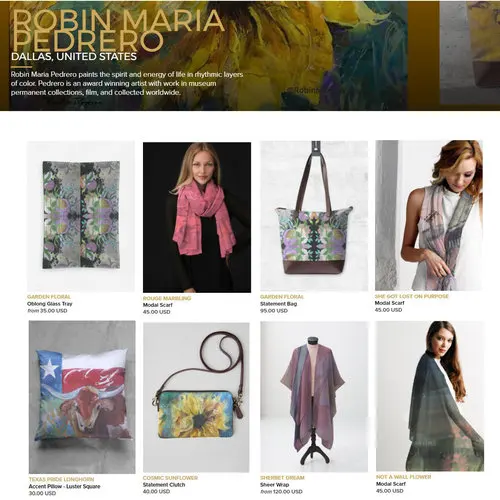
Success in POD requires more than just uploading art; it requires a strategic approach to product selection and store branding. Artists should organize their shops into clear categories to help customers navigate their offerings. Consistent branding across your storefront, social media, and product descriptions helps build trust and encourages repeat purchases from your fan base.
Effective product photography is another essential element of a professional shop. While POD platforms provide digital mockups, creating your own lifestyle photography or using high-quality staging tools can make your products stand out. Additionally, writing detailed, descriptive product titles and tags is vital for search engine optimization (SEO). By using keywords that accurately describe your art style and the product type, you increase the likelihood that potential customers will find your work through organic search results.
Common mistakes when starting print on demand
One of the most frequent errors artists make is neglecting the technical requirements of file preparation. If an image is uploaded with low resolution, the resulting print will appear pixelated or blurry, leading to customer dissatisfaction and returns. Always ensure your files meet the specific DPI (dots per inch) and color profile requirements, such as CMYK for printing, provided by your chosen platform.
Another common pitfall is failing to order samples before launching a product line. Without seeing the physical item, you cannot verify the print quality, fabric feel, or color accuracy of your designs. Relying solely on digital previews can lead to unexpected quality issues that damage your reputation. Furthermore, many artists fail to calculate their profit margins correctly. They often set retail prices too low, forgetting to account for platform fees, transaction costs, and marketing expenses, which leaves them with little to no actual profit.
Why print on demand is a low-risk business model
The primary advantage of POD is that it removes the financial risk associated with traditional retail. In a traditional model, artists must invest significant capital upfront to manufacture products in bulk, store them in a warehouse, and hope they sell. If the items do not sell, the artist is stuck with unsold inventory and a loss of investment. POD eliminates these overhead costs entirely.
Because products are only manufactured after a sale is confirmed, the artist does not have to worry about managing inventory or storage space. This flexibility allows artists to experiment with new designs and product types without fear of financial ruin. If a specific design does not perform well, the artist can simply remove it from their shop without losing money. This model allows creators to focus their energy on the artistic process while the technical aspects of production and shipping are handled by experts.
Key facts
- Print on demand (POD) is a business model where products are printed only after a customer places an order.
- Artists do not need to hold inventory, as the third-party provider handles manufacturing and shipping.
- Popular POD platforms include Printful, Printify, Redbubble, and Society6.
- Profit margins are typically lower than traditional retail because the provider charges a base cost for production.
- High-resolution files, usually at least 300 DPI, are essential to ensure print quality on physical goods.
- Success requires consistent marketing and a strong brand identity to stand out in a crowded digital marketplace.
The bottom line
Print on demand offers artists a low-risk gateway into e-commerce by eliminating the need for upfront inventory investment. By focusing on high-quality design and effective digital marketing, creators can monetize their work across diverse physical products. While profit margins are modest, the ability to scale globally without managing logistics makes it an attractive, practical model for independent artists seeking to build a sustainable creative business.
People also ask
How much money can an artist expect to make with print on demand?
Earnings vary widely based on traffic, niche, and pricing strategies. Most artists earn a profit margin of 10% to 30% per item, meaning a $30 shirt might net $3 to $9 in profit.
Do I need to own a printing press to start a POD business?
No, the entire purpose of POD is to outsource production. You provide the digital artwork, and the service provider manages the printing equipment, materials, and warehouse space.
Can I sell my designs on my own website?
Yes, many artists integrate POD services with e-commerce platforms like Shopify, WooCommerce, or Etsy. This allows for better brand control compared to using a marketplace like Redbubble.
Who is responsible for customer service and returns?
This depends on your setup. If you use a marketplace, they handle most support; if you use your own store, you are responsible for managing customer inquiries and return policies.
What are the most common products artists sell?
T-shirts, hoodies, mugs, stickers, posters, and tote bags are the most popular items. These products have established manufacturing processes and high consumer demand.
Is it necessary to have a large social media following to succeed?
While not strictly mandatory, a following significantly reduces marketing costs. Without an audience, you must rely on paid advertising or marketplace search algorithms to drive sales.
This answer was created with the help of AI research tools and reference sources. Spotted an error? Let us know — we correct mistakes quickly. See our editorial policy.