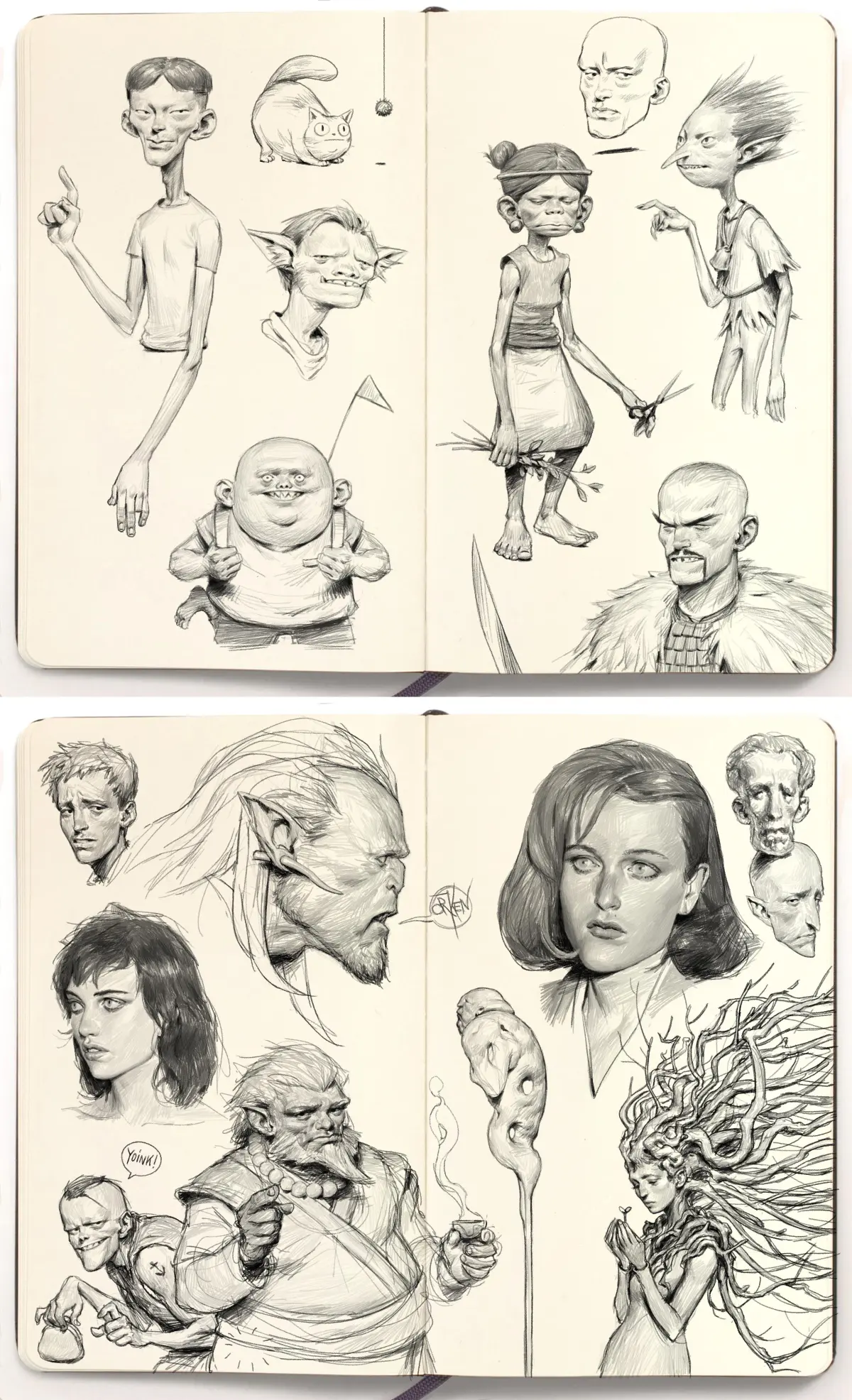
What is an art Patreon?
Short answer
Patreon is a membership platform that allows artists to receive recurring monthly financial support directly from their fans. By offering exclusive content or perks in exchange for subscriptions, creators build sustainable incomes. It serves as a bridge between independent artists and their patrons, bypassing traditional gatekeepers like galleries or record labels.
On this page
How does Patreon work for artists?
Patreon functions as a subscription-based crowdfunding service. Artists create a profile where they set up multiple "tiers" of membership, each priced at a different monthly rate. Fans who join these tiers become "patrons," providing a predictable stream of income that helps the artist fund their creative projects, purchase materials, or cover living expenses.
The platform handles the payment processing and provides tools for creators to communicate with their audience. When a patron signs up, they gain access to a feed of content that is often hidden from the general public. This allows artists to share behind-the-scenes sketches, early access to finished works, or tutorials. The relationship is transactional yet community-focused, shifting the artist’s reliance away from one-off sales toward a loyal, long-term subscriber base.
How to set up a successful Patreon page
Creating a professional presence is essential for attracting consistent support. You must clearly communicate what value you provide to your audience and why your work deserves their financial backing.
- Define your goals and calculate the costs of the rewards you intend to offer.
- Create clear, tiered membership levels with distinct benefits for each price point.
- Launch your page with a compelling video introduction that explains your creative mission.
- Set up an automated welcome message for new patrons to build immediate rapport.
- Establish a consistent posting schedule to ensure patrons feel they are receiving ongoing value.
Be sure to keep your tiers manageable. If you offer too many complex rewards, you may find yourself spending more time on fulfillment than on creating your art. Focus on digital rewards like high-resolution downloads or private Discord access to keep overhead costs low.
What are the best rewards for artists?
Choosing the right rewards is a balance between providing value to your fans and maintaining a sustainable workload for yourself. The most effective rewards are those that feel like a natural extension of your creative process.
- Early access to new illustrations, videos, or music releases.
- Exclusive behind-the-scenes content such as process videos or rough sketches.
- Monthly digital wallpaper packs or printable art files.
- Access to a private community space like a Discord server or a patron-only group.
- Voting rights on future projects or topics you will explore next.
- Personalized shout-outs or credit in your final project descriptions.
Avoid offering physical rewards like signed prints or merchandise unless you have a reliable system for shipping and logistics. Physical fulfillment is often the most common point of failure for new creators, as it can quickly become expensive and time-consuming.
Why do artists use Patreon?
Many artists turn to Patreon to escape the volatility of the freelance market. Traditional income sources, such as commissions or print sales, are often inconsistent and unpredictable. By securing a monthly membership base, artists gain the financial stability needed to take creative risks or pursue passion projects that might not be immediately profitable in the commercial market.
Beyond the financial benefits, the platform fosters a dedicated community. Having a direct line to your most enthusiastic supporters provides invaluable feedback and emotional encouragement. This connection helps artists feel less isolated in their work, as they are no longer creating in a vacuum. The platform ultimately empowers independent creators to own their audience relationship, ensuring that their livelihood is not entirely dependent on the changing algorithms of social media sites.
Common mistakes when starting a Patreon
One of the most frequent errors is launching a page without a pre-existing audience. Patreon is a tool for monetization, not a discovery platform; you should already have a following on social media or a portfolio site before asking for monthly subscriptions. If you do not have a dedicated group of followers, you will likely struggle to gain traction.
Another common mistake is over-promising on rewards. Creators often get excited and offer intensive rewards like custom commissions for every subscriber, which quickly leads to burnout. It is better to start small and scale your offerings as your income grows. Finally, many artists fail to promote their page consistently. You must treat your Patreon like a product that requires regular marketing. Remind your audience of the benefits of joining, highlight new content, and express gratitude to your patrons to keep retention rates high and minimize subscriber churn.
Key facts
- Patreon is a subscription-based platform founded in 2013 by musician Jack Conte and developer Sam Yam to help creators monetize their work.
- Artists use the site to offer tiered membership plans where patrons pay a recurring monthly fee in exchange for exclusive content or perks.
- Creators typically keep between 88% and 95% of their earnings after platform fees and payment processing costs are deducted.
- Common rewards for art patrons include early access to new pieces, behind-the-scenes process videos, high-resolution digital downloads, and physical merchandise.
- Success on the platform generally requires consistent output and active engagement with the community to maintain subscriber retention.
- Users should avoid setting reward tiers that are too labor-intensive, as this often leads to creator burnout and inconsistent delivery.
The bottom line
Patreon serves as a vital bridge between independent artists and their most dedicated supporters, transforming casual viewers into recurring financial backers. By providing exclusive access and community interaction, creators can establish a predictable income stream that supports their artistic practice. Success requires a commitment to consistent delivery and clear communication, allowing artists to maintain creative independence while building a sustainable business model in the modern digital economy.
People also ask
How do artists determine the right price for their membership tiers?
Artists often research competitors in their niche and start with simple, low-cost tiers like $3 or $5 per month. It is best to scale up slowly as you understand what your audience values most.
Is Patreon only for professional artists with large followings?
No, anyone can start a page regardless of their current audience size. Many creators build their community from scratch by sharing their work on social media and directing followers to their page.
Can I offer physical rewards like prints or stickers to my patrons?
Yes, many artists include physical goods in higher-priced tiers. However, you must account for shipping costs and production time to ensure your profit margins remain sustainable.
What happens if I have a month where I cannot post new content?
Communication is essential; you should inform your patrons in advance if you need a break. Most supporters are understanding if you are transparent about your schedule or health needs.
Are there specific taxes I need to pay on Patreon income?
Yes, income earned on the platform is considered taxable revenue in most jurisdictions. You should track your earnings and consult a tax professional to manage your reporting requirements.
How do I protect my intellectual property while sharing work on the site?
While you retain ownership of your work, you should watermark digital files and use the platform’s built-in privacy settings. Be aware that once content is shared online, the risk of unauthorized distribution exists.
This answer was created with the help of AI research tools and reference sources. Spotted an error? Let us know — we correct mistakes quickly. See our editorial policy.